
Bump cap vs hard hat: when a bump cap is allowed
A bump cap protects against bumping your own head on something fixed: a low beam, a pipe, the underside of a vehicle. A hard hat protects against something hitting your head: a dropped tool, falling material, a swinging load, and in the right class, an electrical conductor. The bump cap is a thin shell, often inside a baseball cap, tested only to the European EN 812 standard, which says in its scope that bump caps are not for falling or thrown objects or moving or suspended loads. There is no US standard for bump caps and none meets ANSI Z89.1, so a bump cap never satisfies OSHA where a hard hat is required. It is allowed only where the employer’s hazard assessment finds no falling-object, impact or electrical hazard to the head, and only bump hazards.
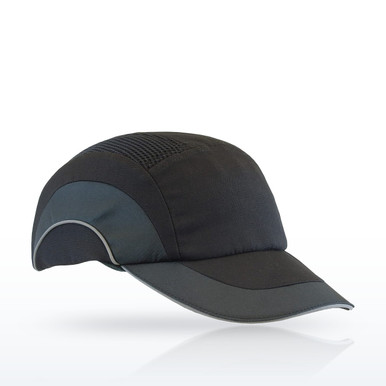 JSP HardCap A1+ 282-ABR170 HardCap A1+ Baseball Style Bump CapBaseball-style bump cap, EN 812
Why is a bump cap not a light-duty hard hat? The two are built for opposite directions of force. A hard hat shell and suspension are designed to take a mass falling from height onto the crown and keep the force that reaches the skull under a limit; Z89.1 tests that with an 8-pound mass and a pointed penetrator dropped onto the top. A bump cap has a thin shell and a foam pad, no suspension, and no clearance; it is tested for the wearer walking into a fixed object. It will split or transmit the blow if a tool falls on it. Treating it as a lighter hard hat is the mistake OSHA has written letters about.
What is the difference between a bump cap and a hard hat?
Side by side.
What does OSHA say about bump caps?
OSHA’s head protection rules do not mention bump caps. They require a protective helmet meeting Z89.1 wherever there is a danger of head injury from falling objects (general industry) or from impact, falling or flying objects, or electrical shock and burns (construction). A bump cap is not a Z89.1 helmet, so it cannot be the protection in any of those places. OSHA said as much in a 1980 letter about sewer workers in manholes: even where falling-object risk was minimal, the workers faced bumps, cuts and scalp injuries, and bump caps would not provide adequate protection; Z89.1 helmets were required.
29 CFR 1910.135(a)(1) and (b)(1); 29 CFR 1926.100(a) and (b)(1); OSHA letter of interpretation, January 21, 1980 (bump caps in manholes).Where the hazard assessment finds no head hazard that the rules name, OSHA does not require any head protection, and the employer may issue bump caps for the bump-and-scrape hazards that remain. The assessment has to be written and certified, and it is the document an inspector will ask for when a crew is in bump caps.
29 CFR 1910.132(d)(1) and (d)(2) (hazard assessment and written certification).What is EN 812, and what does it test?
EN 812 is the European standard for industrial bump caps. Its scope says bump caps protect the wearer against the effects of striking the head on hard, stationary objects with enough severity to cause laceration or other superficial injuries, and are not intended to protect against falling or thrown objects or moving or suspended loads. The standard also warns that bump caps should not be confused with industrial safety helmets, which are covered by EN 397. A bump cap marked EN 812 has passed that standard’s impact protection and penetration resistance tests (its clauses 5.1.1 and 5.1.2), which are written for a bump, not for a falling mass. Bump caps sold in the US without an EN 812 mark have passed nothing in particular; the mark is the only published rating there is.
EN 812:2012 scope and clauses 5.1.1 (impact protection) and 5.1.2 (resistance to penetration), as published in the CEN member catalogs; JSP guidance on EN 812 bump caps versus EN 397 helmets.Where is a bump cap the right choice?
- Under vehicles and in service pits, where the hazard is the chassis above the head and nothing is dropped from above.
- Inside aircraft, rail cars, boats and tanks, where headroom is low and the structure is fixed.
- Food and beverage plants, labs and clean areas, where the hazard is low pipe and equipment and a baseball-style cap can be laundered.
- Warehouses and delivery with low racking and door frames, provided nothing is stored or lifted overhead where the wearer works.
- Meter reading, inspection and maintenance in crawl spaces and low-ceilinged mechanical rooms.
- Not: any site with overhead work, cranes or hoists, scaffolds or decks above, trades working above each other, tree work, or exposed electrical conductors at head height. Those are hard hat hazards, and the assessment will say so.
What are the kinds of bump cap?
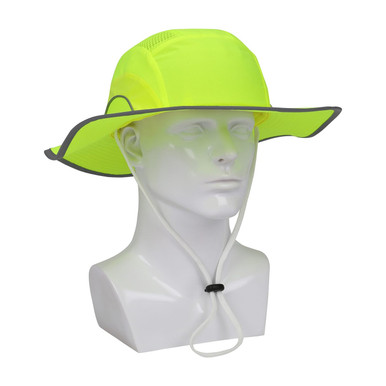
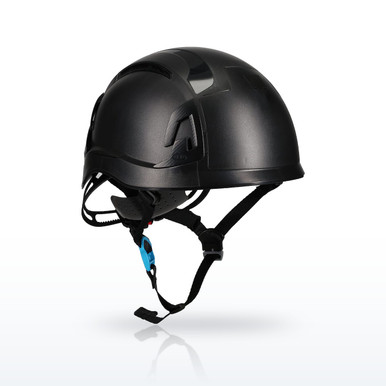
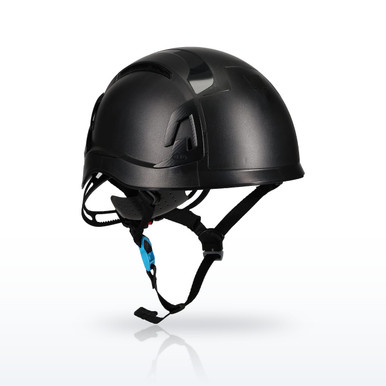
Three forms. The baseball-style cap, a fabric cap with a plastic shell and foam pad sewn inside, which looks like a ball cap and is the common choice for drivers and service techs. The insert, a plastic shell and pad that slips into the wearer’s own ball cap or a company cap. And the hard-shell bump cap, a smooth plastic cap with a pin-lock headband that looks like a short hard hat; it is still a bump cap and still not Z89.1. Vented versions exist in all three. None has a Type or Class, and a rating field on our listings that says not stated means exactly that.
Manufacturer product data for the bump caps listed below (JSP HardCap, North, PIP, Liberty, Portwest, Radians).Bump caps, and the Z89.1 hard hats for where a bump cap is not enough
16 items · prices liveBump caps carry no ANSI Z89.1 rating; where a manufacturer states EN 812 it is shown, otherwise the rating is not stated. Hard hats show their published Type and Class. Contractor Direct orders ship free.
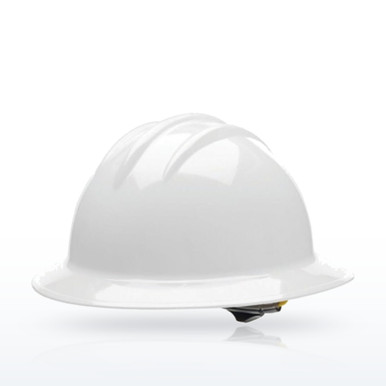
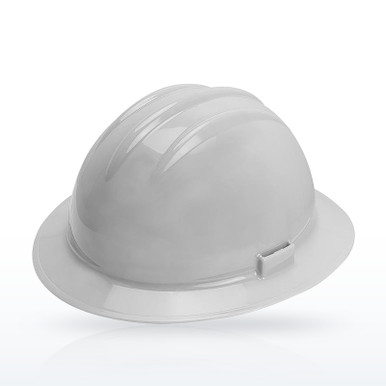
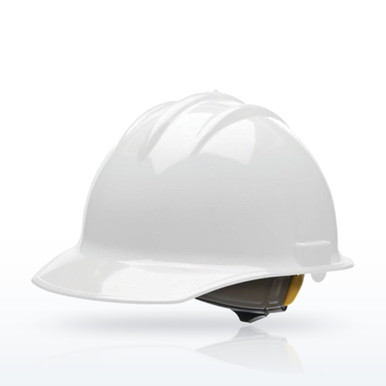
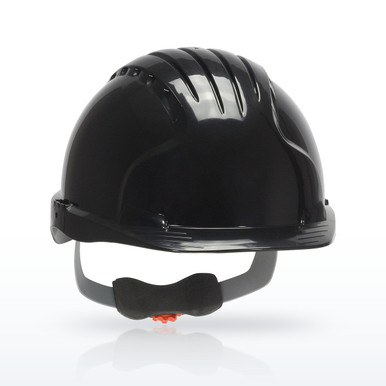
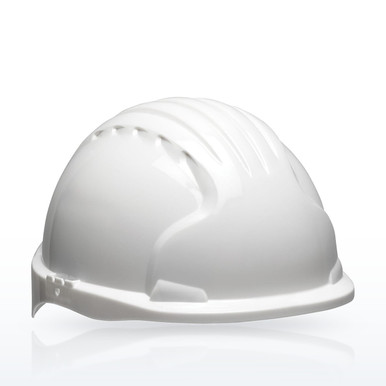
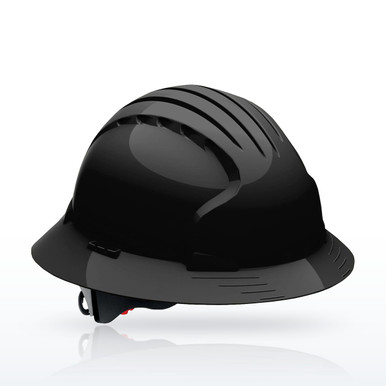
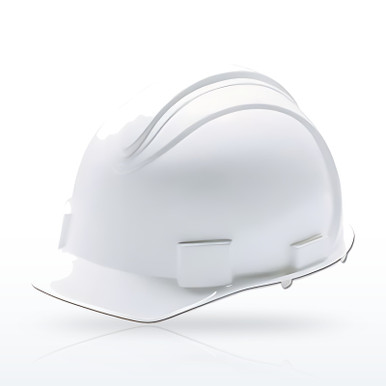
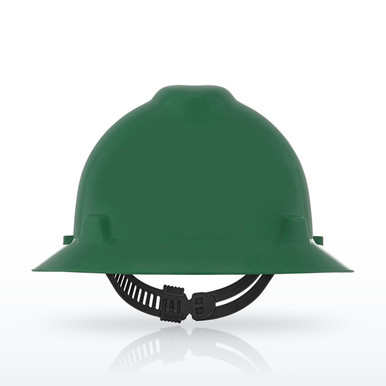
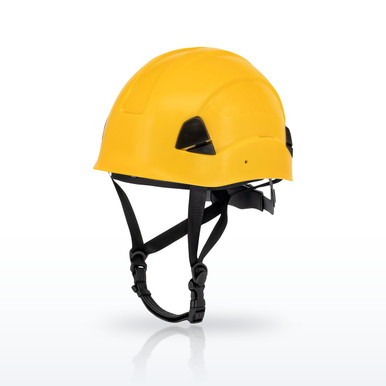
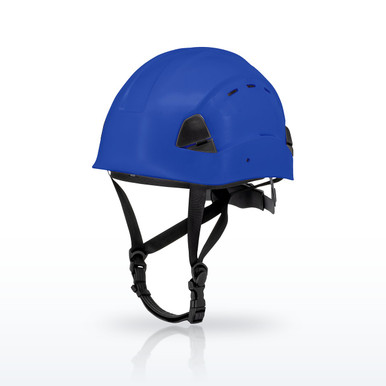
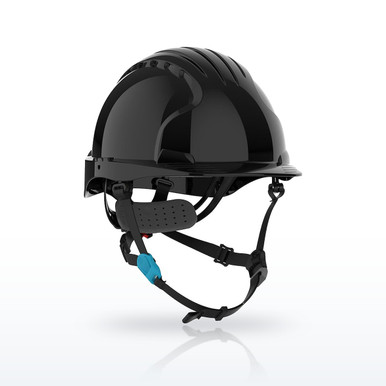
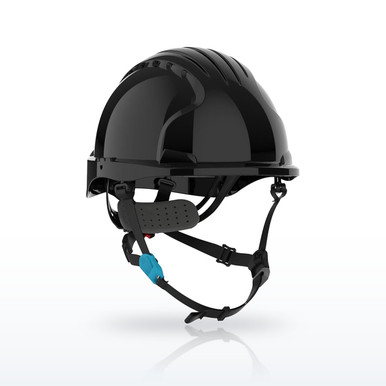
Every hard hat we carry, filtered by Type and Class, is on the hard hat finder.
Questions people ask
Are bump caps OSHA approved?
No. OSHA does not approve any PPE, and its head protection rules require a Z89.1 helmet where head hazards exist. No bump cap meets Z89.1. A bump cap is allowed only where the hazard assessment finds no falling-object, impact or electrical hazard.
What is a bump cap for?
Bumping your own head on a fixed object: low beams, pipes, vehicle chassis, door frames. EN 812 defines it that way and excludes falling objects.
Can I wear a bump cap on a construction site?
Not as head protection. Construction sites have falling and flying object hazards by their nature, and 1926.100 requires a Z89.1 helmet.
Do bump caps have a Type or Class?
No. Type and Class are Z89.1 ratings and bump caps are not tested to Z89.1. The only published rating a bump cap can carry is EN 812.
What is the difference between EN 812 and EN 397?
EN 812 is the bump cap standard (fixed-object bumps). EN 397 is the European industrial safety helmet standard (falling objects), the counterpart of Z89.1.
Does a hard-shell bump cap count as a hard hat?
No. It looks like a short hard hat but has no suspension and no Z89.1 rating.
Who decides whether a bump cap is enough?
The employer, in the written hazard assessment 1910.132(d) requires. If any hazard the head protection rules name is present, the answer is a hard hat.
Standards and ratings on this page are as published in the documents named and by the manufacturers named. The employer’s hazard assessment and written program decide what applies at a given workplace. Verify a rating on the product and its spec sheet before use.