
OSHA hard hat requirements: what 1910.135 and 1926.100 say
OSHA has two hard hat rules, one for general industry and one for construction, and they say nearly the same thing. A protective helmet must be worn wherever there is a danger of head injury from falling objects, and in construction also from impact, flying objects, or electrical shock and burns. Where exposed electrical conductors could touch the head, the helmet must be one built to reduce electrical shock. The helmet has to meet ANSI Z89.1, the industry standard that defines Type I and Type II for impact and Class G, E and C for electrical rating. OSHA does not set colors, service life or a replacement date; those come from the site and the manufacturer.
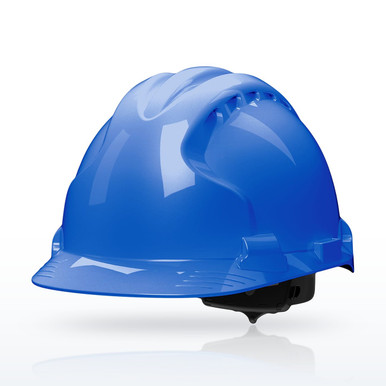
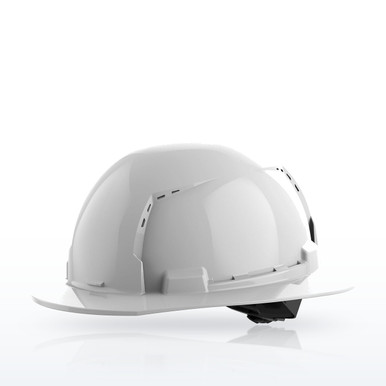
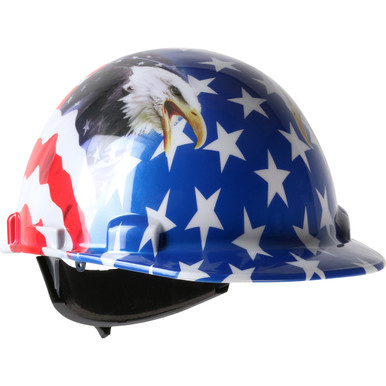 PIP Dom 280-HP341R-USA Cap Style Smooth Dome Hard Hat, HDPE ShellType I, Class E hard hat, the rating most jobsites specify
Why are there two OSHA hard hat standards? OSHA writes separate rulebooks for general industry (Part 1910) and construction (Part 1926). A plant, warehouse or utility yard works under 1910.135; a jobsite works under 1926.100. The construction rule lists more hazards by name because the work creates them: tools dropped from a deck, rebar at head height, overhead lines. Both rules point to the same ANSI Z89.1 standard for what the hat itself must do, so the same hat satisfies either one. The difference is in the words that trigger the duty, not in the hat.
What do the two rules require?
The duty in each rule, paragraph by paragraph.
When does OSHA require a hard hat?
OSHA does not list jobs. It names hazards, and the employer decides where those hazards exist through the hazard assessment that the PPE rule requires. If anything can fall on the head, if the head can strike a fixed object hard enough to injure it, or if exposed conductors are within reach of the head, a helmet is required there. In practice most construction sites require hard hats everywhere inside the fence because the hazards move with the work, and most plants require them in production and maintenance areas and not in offices.
29 CFR 1910.132(d)(1) (hazard assessment and PPE selection); 29 CFR 1910.135(a); 29 CFR 1926.100(a).The construction rule is broader than the general industry rule on its face: it adds impact and flying objects, and shock and burns, to falling objects. OSHA has applied the general industry rule the same way in practice, through the hazard assessment and the shock paragraph, so a plant with overhead work or exposed conductors ends up at the same answer.
29 CFR 1926.100(a) compared with 29 CFR 1910.135(a)(1) and (a)(2).Which hard hats satisfy OSHA?
Any helmet that meets one of the three ANSI Z89.1 editions OSHA lists, or that the employer can show is at least as effective. The current edition, ANSI/ISEA Z89.1-2014 (reaffirmed 2019), is not named in the regulation because OSHA incorporated the 2009 edition by reference and has not updated the list since. The 2014 edition kept the 2009 performance requirements and added optional tests, so a hat marked Z89.1-2014 is accepted under the equivalency paragraph. The marking inside the shell tells you: the manufacturer, the Z89.1 edition, the Type and Class, and the date of manufacture.
29 CFR 1910.135(b)(1) and (b)(2); 29 CFR 1926.100(b)(1) and (b)(3); ANSI/ISEA Z89.1-2014 section 6 (instructions and markings), as summarized by MSA; ISEA summary of the 2014 revision.Type and Class are the two ratings on the label. Type I is tested for a blow to the top of the head; Type II is also tested for blows to the front, sides and back. Class G is proof-tested at 2,200 volts, Class E at 20,000 volts, and Class C has no electrical rating, which is what every vented hat is. OSHA’s shock paragraphs are met by Class G or Class E; the high-voltage paragraph in the construction rule is met by Class E.
ANSI/ISEA Z89.1-2014 Type and Class definitions as published by ISEA, JSP and 3M; 29 CFR 1926.100(b)(2).What does OSHA not require?
- A color. No OSHA rule or ANSI standard assigns meaning to hard hat colors; a site sets its own key.
- An expiration date. Neither rule sets a replacement interval. The manufacturer’s instructions do, and the PPE rule forbids using damaged or defective equipment.
- A chin strap on a Type I hat. Z89.1 does not require one for Type I; the Type II test includes chin strap retention, and some sites require straps for work at height.
- A particular shell material or brim style. Cap style and full brim, HDPE and fiberglass, all must pass the same Z89.1 tests for their Type and Class.
- Backward wear. OSHA has said a hat is compliant worn backward only if the manufacturer certifies it for that; Z89.1 hats tested for reverse wear carry an arrow symbol.
Who pays for the hard hat?
The employer. OSHA requires the employer to provide, at no cost to the employee, the PPE the standards require, and both hard hat rules say the employer must provide or ensure the helmet. The exceptions in the payment rule cover items like ordinary safety-toe footwear and prescription safety glasses the employee takes home; hard hats are not among them. An employee who loses or intentionally damages a hat can be required to pay for the replacement.
29 CFR 1910.132(h)(1) and (h)(5); 29 CFR 1926.95(d); 29 CFR 1926.100(b)(1) (the employer must provide).Hard hats and safety helmets by Z89.1 Type and Class
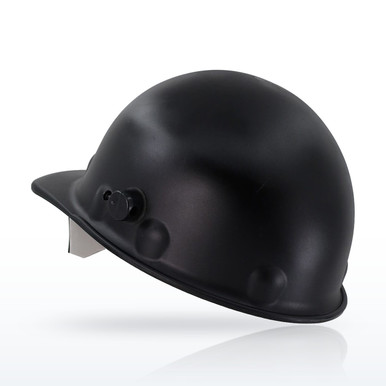
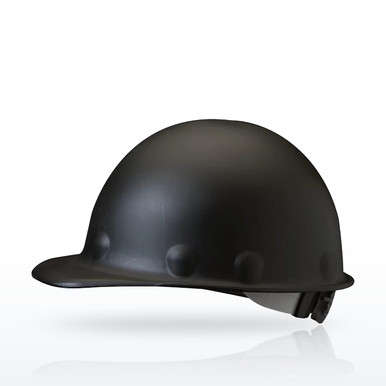
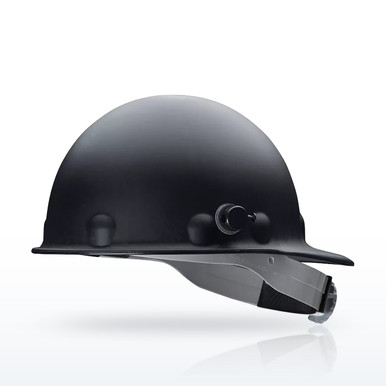
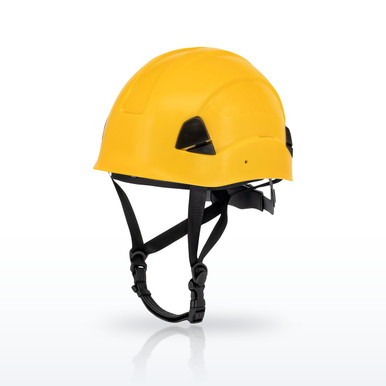
34 items · prices liveType and Class are as published by the manufacturer for each model. The marking inside the shell is the authority; see each product page and spec sheet. Free shipping on orders over $199.
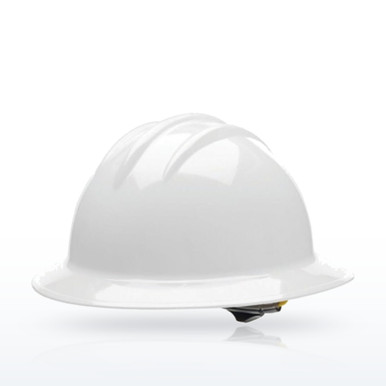
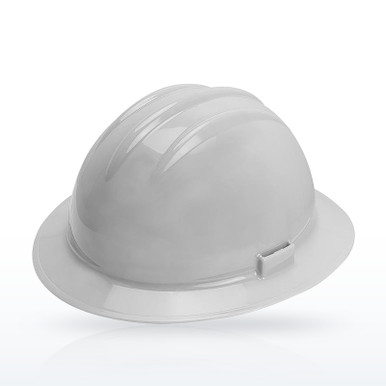
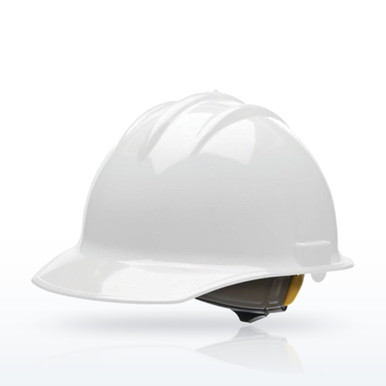
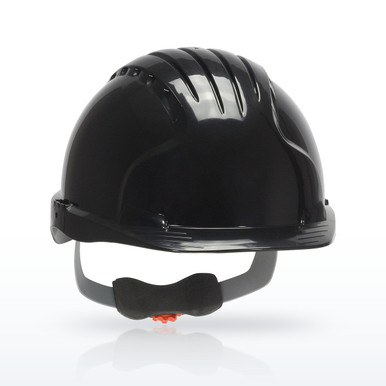
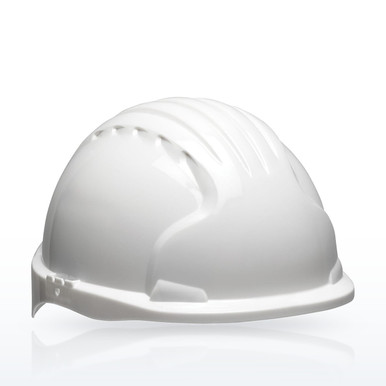
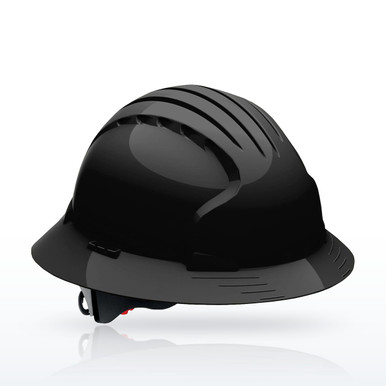
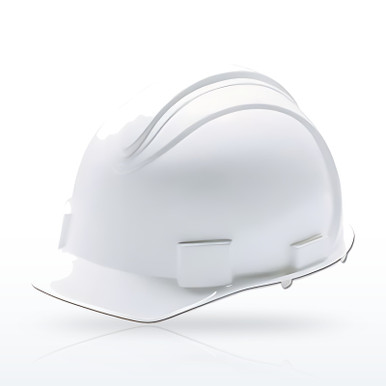
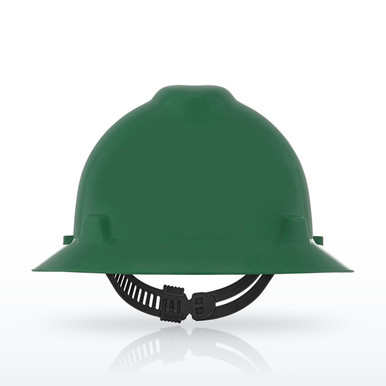
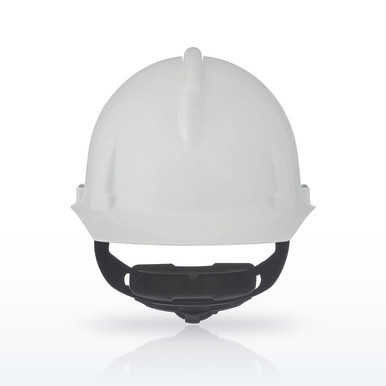
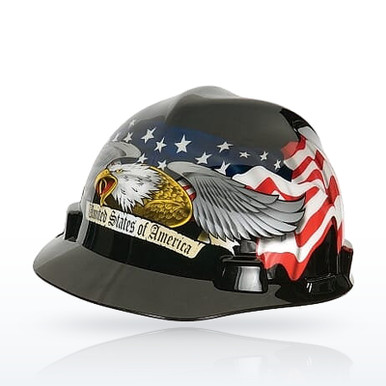
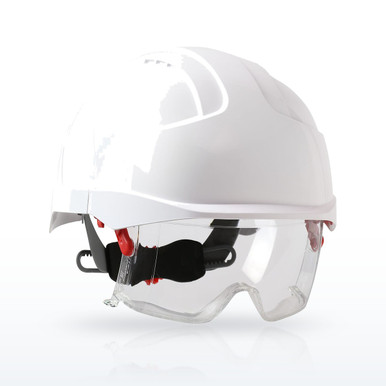
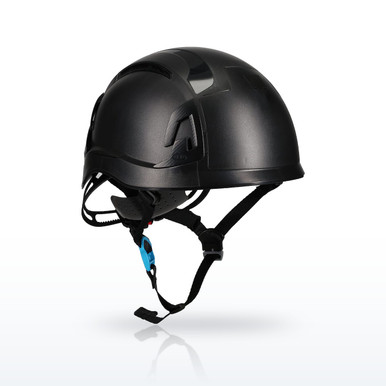
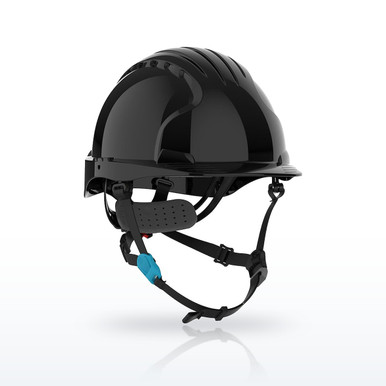
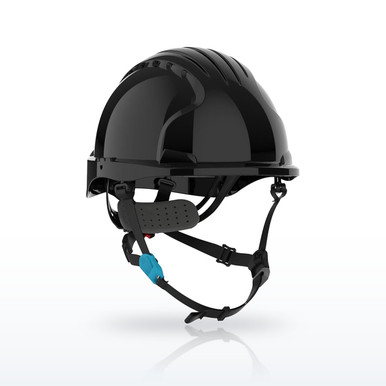
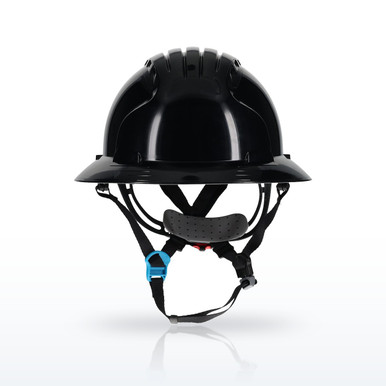
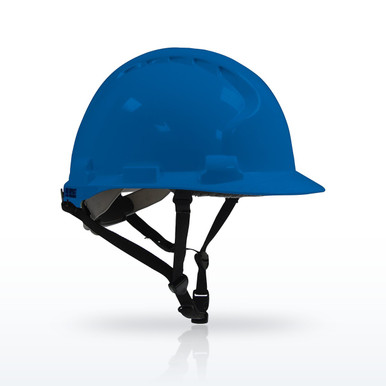
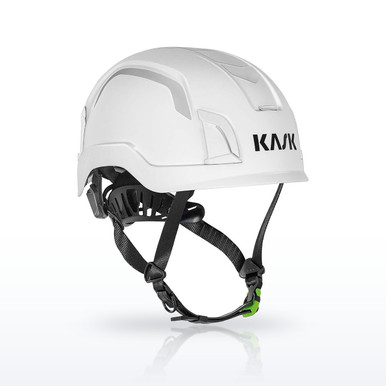
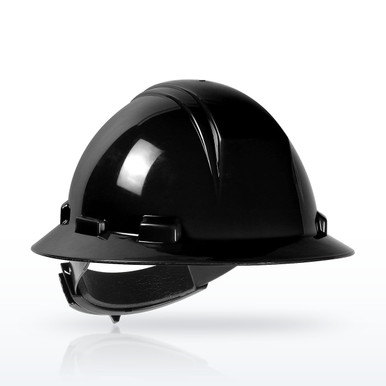
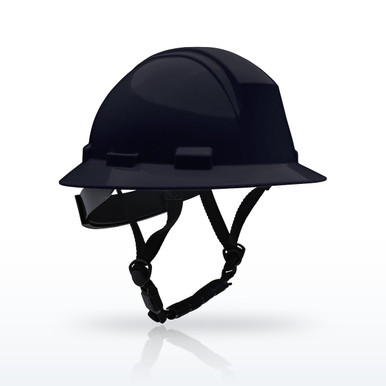
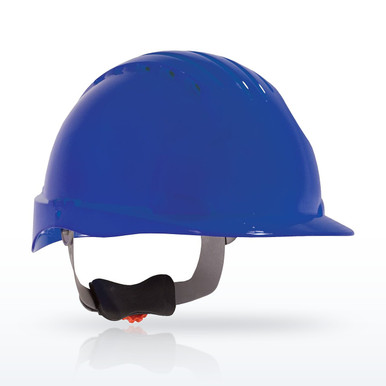
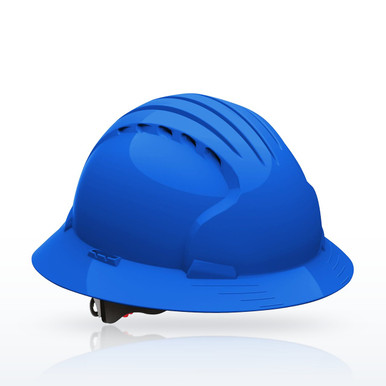
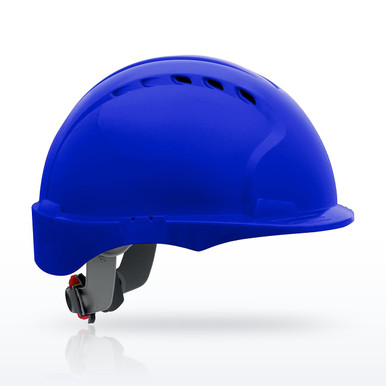
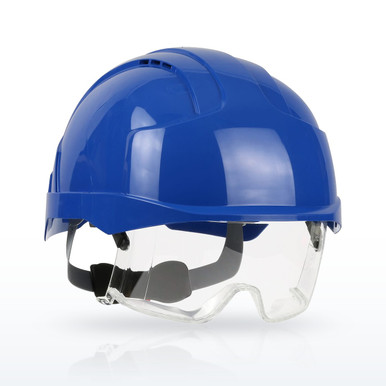
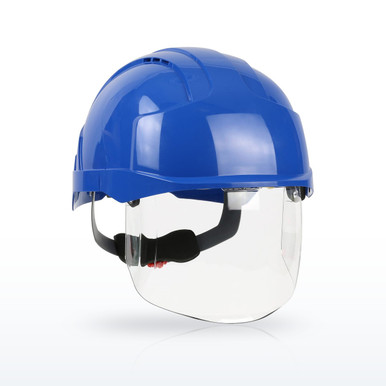
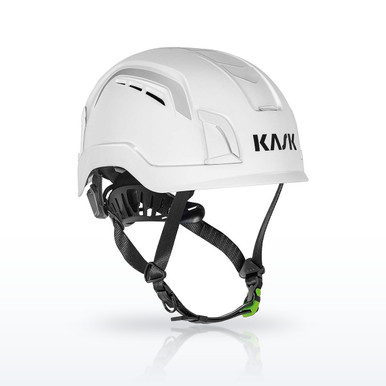
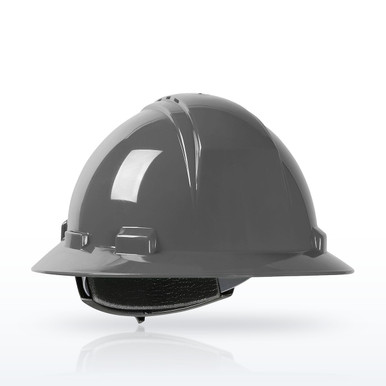
Every hard hat and helmet we carry, filtered by Type, Class, brim, vent and suspension, is on the hard hat finder.
Questions people ask
Does OSHA require hard hats on all construction sites?
OSHA requires them wherever there is a possible danger of head injury from impact, falling or flying objects, or electrical shock and burns (1926.100(a)). Most sites apply that to the whole site because the hazards move with the work.
What ANSI standard does OSHA require for hard hats?
ANSI Z89.1-2009, 2003 or 1997, or a helmet the employer can show is at least as effective. Hats marked to the current Z89.1-2014 edition are accepted on that basis (1910.135(b); 1926.100(b)).
What is the OSHA standard number for hard hats?
29 CFR 1910.135 for general industry and 29 CFR 1926.100 for construction.
Does OSHA require a Class E hard hat for electricians?
The construction rule requires head protection for employees exposed to high-voltage shock and burns to meet the Z89.1 electrical insulation section, which is the Class E 20,000-volt test (1926.100(b)(2)). The general industry rule requires a helmet designed to reduce electrical shock where conductors could contact the head (1910.135(a)(2)).
Is a bump cap OSHA compliant?
No. Bump caps are not built or tested to Z89.1, and OSHA has said they do not provide the protection the head protection rules require where falling-object or impact hazards exist. They are a choice only where the hazard assessment finds no such hazard.
Does OSHA require a chin strap?
Not in the hard hat rules. Z89.1 Type II testing includes chin strap retention, and an employer may require straps for work at height or in wind under its own hazard assessment.
Does OSHA say when a hard hat expires?
No. OSHA requires the hat to meet Z89.1 and forbids using damaged PPE. Replacement intervals (most makers say 5 years for the shell, 12 months for the suspension) come from the manufacturer.
Who has to pay for hard hats?
The employer, at no cost to the employee (1910.132(h); 1926.95(d)).
Standards and ratings on this page are as published in the documents named and by the manufacturers named. The employer’s hazard assessment and written program decide what applies at a given workplace. Verify a rating on the product and its spec sheet before use.