
Chlorine exposure limits and detection
Chlorine is regulated by ceilings, not averages, because it hurts fast. OSHA’s limit is a ceiling of 1 ppm, never to be exceeded. NIOSH recommends a ceiling of 0.5 ppm over any 15 minutes, and sets 10 ppm as immediately dangerous to life or health. Chlorine is a greenish-yellow gas with a sharp, bleach-like smell, about two and a half times heavier than air, so it sinks into pits, trenches, basements and the bottom of a treatment room. It is detected with an electrochemical sensor in a single-gas monitor, or in a multi-gas unit with a chlorine sensor, and because the limits are below 1 ppm the sensors read in tenths of a ppm.
Why is chlorine a ceiling limit? Most exposure limits are 8-hour averages, which allow a worker to be above the number for a while as long as the day averages out. Chlorine is not treated that way. It reacts with the moisture in the eyes, nose and lungs to form acids, and the damage from a short, high exposure does not average out with a clean afternoon. So both OSHA and NIOSH set a ceiling: a number the concentration must never cross. A monitor for chlorine is set to alarm at the ceiling, and the alarm means leave, not finish the task.
What are the chlorine exposure limits?
Three numbers. All of them are small.
What does chlorine do to you?
NIOSH lists burning of the eyes, nose and mouth, tearing, runny nose, coughing, choking and chest pain under the breastbone, nausea and vomiting, headache and dizziness, fainting, pulmonary edema (fluid in the lungs), pneumonitis, reduced oxygen in the blood, dermatitis, and frostbite from the liquid. The routes are inhalation and skin or eye contact. Pulmonary edema can come on hours after the exposure, which is why anyone who has breathed a significant dose is watched, not sent home.
NIOSH Pocket Guide, chlorine: symptoms and exposure routes.Where does chlorine collect?
Chlorine’s relative gas density is 2.47, so it is far heavier than air. A leak from a one-ton cylinder or a gas feed line at a water or wastewater plant flows down and pools: in the chlorine room itself, down stairwells, in the sump under the room, in trenches and pipe galleries, and outdoors in low ground on a still day. Fixed detectors in chlorine rooms are mounted low for this reason, and a worker testing a room before entry samples the floor. The gas is shipped as a liquefied compressed gas, and the liquid boils off cold, so a liquid leak also causes frostbite.
NIOSH Pocket Guide, chlorine: relative gas density 2.47; shipped as a liquefied compressed gas; frostbite from the liquid.How is chlorine detected?
- Electrochemical sensors, reading in tenths of a ppm; catalog units list a 0 to 10 ppm range on pumped multi-gas monitors. Resolution matters because the alarm points are 0.5 and 1 ppm.
- Single-gas monitors worn by the operator for routine work around cylinders and feed systems.
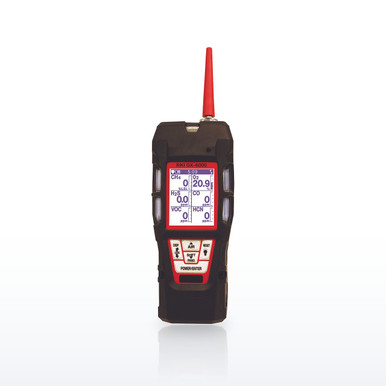
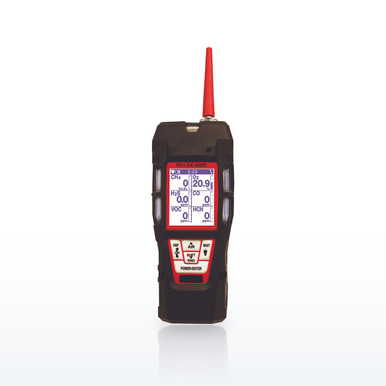
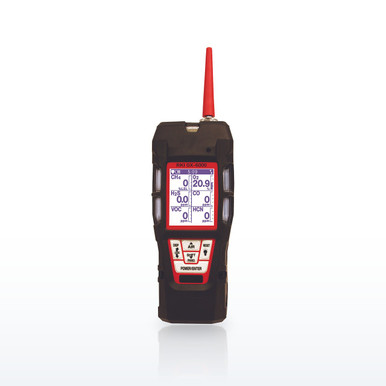
- Pumped multi-gas units with a chlorine sensor for testing a room, a sump or a vault from outside before entry, and for leak response.
- Some sensors read chlorine and chlorine dioxide together, which matters at plants that use both; the product page states which.
- Detector tubes for a spot check or survey. They do not alarm and are not continuous.
- A standard four-gas confined-space monitor does not detect chlorine. A chlorine room or a water-plant vault needs a unit with a chlorine sensor.
Chlorine monitors, sensors and detector tubes
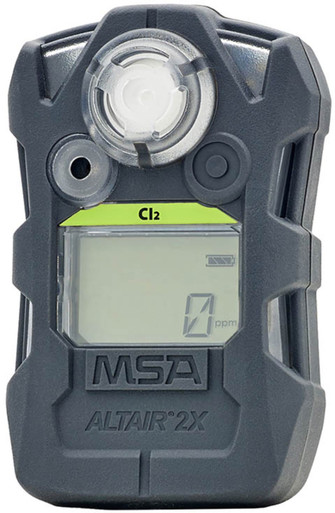
19 items · prices liveEvery monitor shown lists chlorine (Cl2) among the gases its manufacturer specifies for it. Gases and ranges are as published by the manufacturer; see each product page. Free shipping on orders over $199.
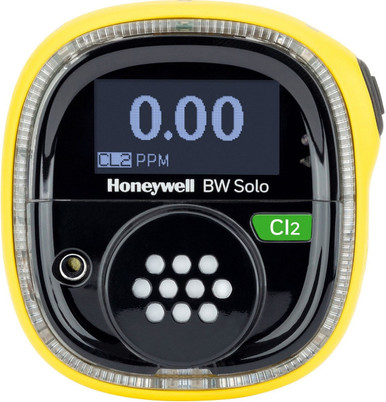
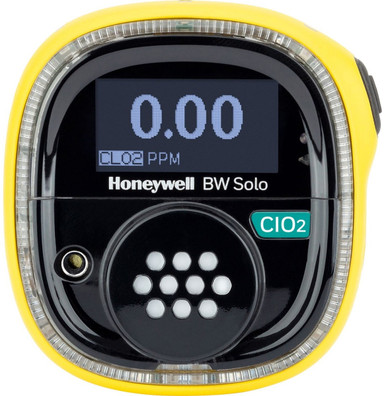
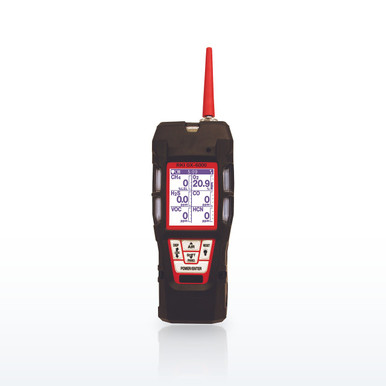
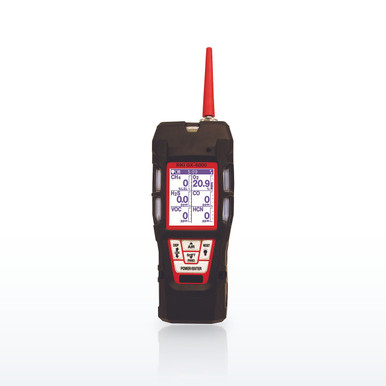
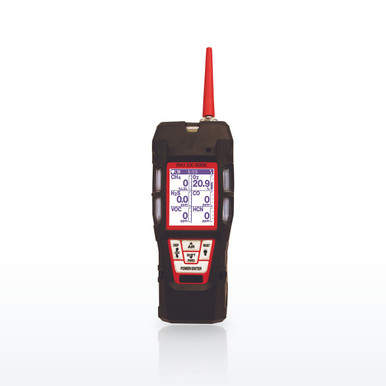
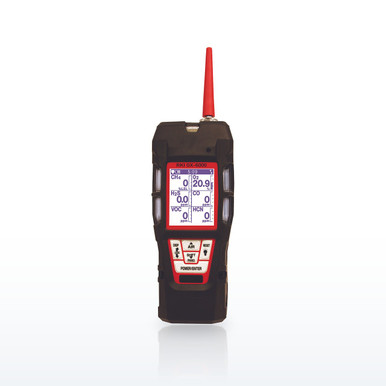
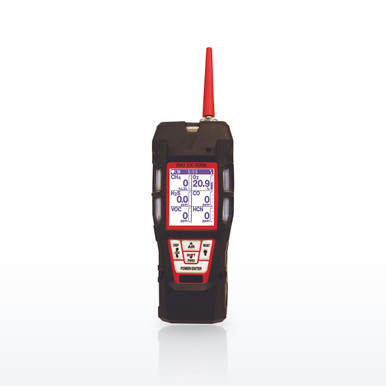
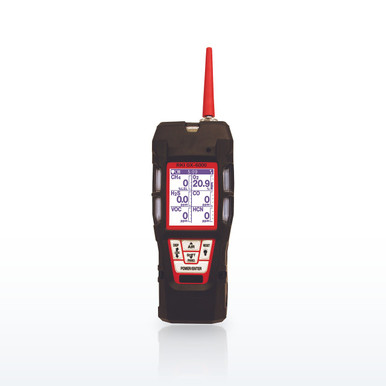
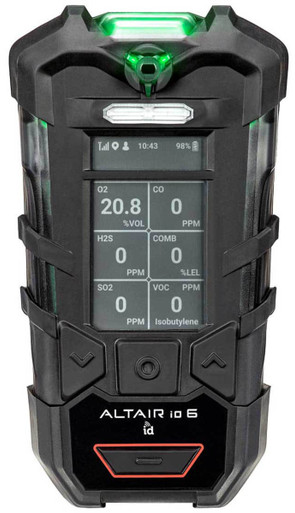
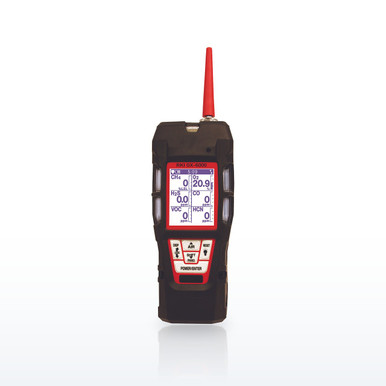
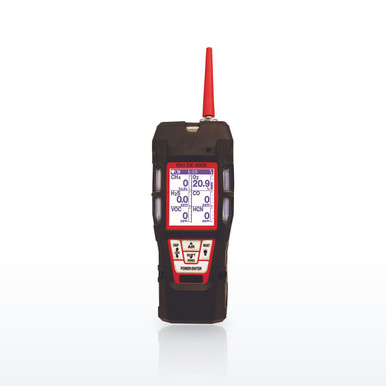


More pumped multi-gas configurations with chlorine are in the gas detection finder.
Questions people ask
What is the OSHA PEL for chlorine?
A ceiling of 1 ppm, never to be exceeded (1910.1000 Table Z-1).
What is the NIOSH REL for chlorine?
A ceiling of 0.5 ppm for any 15-minute period. IDLH is 10 ppm.
What ppm of chlorine is dangerous?
NIOSH sets 10 ppm as immediately dangerous to life or health. Irritation begins around the 0.5 to 1 ppm limits.
Is chlorine heavier than air?
Yes, relative density 2.47. It sinks into sumps, trenches, stairwells and low ground.
Can you smell chlorine at a safe level?
The bleach-like smell is noticeable to many people at low concentrations, but smell is not a measurement and does not tell you whether you are above the 1 ppm ceiling. Use a monitor.
Does a 4-gas monitor detect chlorine?
No. It needs its own electrochemical sensor, in a single-gas monitor or added to a multi-gas unit.
What happens if you mix bleach and ammonia?
The reaction releases chlorine-containing gas. NIOSH lists ammonia among the substances chlorine reacts with. Never mix them.
How long after a chlorine exposure can symptoms appear?
Pulmonary edema can develop hours later. NIOSH lists it among the symptoms; anyone with a significant exposure needs medical observation.
Standards and ratings on this page are as published in the documents named and by the manufacturers named. The employer’s hazard assessment and written program decide what applies at a given workplace. Verify a rating on the product and its spec sheet before use.