
Ammonia exposure limits and detection
OSHA’s legal limit for ammonia is 50 ppm averaged over 8 hours. NIOSH recommends less: 25 ppm over 8 hours and 35 ppm for any 15 minutes, with 300 ppm immediately dangerous to life or health. Ammonia is a colorless gas with a sharp, suffocating smell that most people notice well below the limits. It is lighter than air, so it rises and collects in the top of a room, a machine space or a tank. It is detected with an electrochemical sensor, usually in a single-gas monitor worn by the worker or a multi-gas unit with an ammonia sensor added, and the sensor has a shorter life and warranty than the common four-gas sensors.
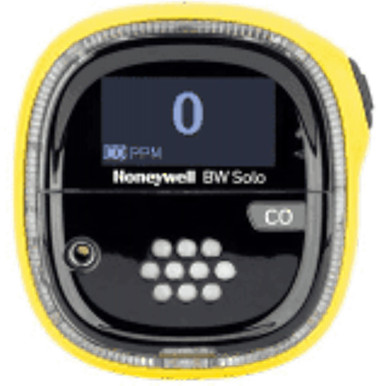 Honeywell BW Solo single-gas ammonia monitorNH3, diffusion, worn on the collar
Why is ammonia regulated at these levels? Ammonia dissolves in water and turns into a strong base, so it attacks any wet surface it touches: the eyes, the nose and throat, and the lining of the lungs. At the limits it irritates; well above them it burns, and a large release causes fluid in the lungs that can kill hours later. Most industrial ammonia is in refrigeration (cold storage, food plants, ice rinks), fertilizer and chemical plants, and anywhere the gas or its solution is handled in bulk. The smell is a warning, but it is not a measurement, and people working around it every day stop noticing it.
What are the ammonia exposure limits?
Three numbers from two agencies. The employer’s program chooses which one to alarm on.
What does ammonia do to you?
NIOSH lists the symptoms: irritation of the eyes, nose and throat; difficulty breathing, wheezing and chest pain; pulmonary edema (fluid in the lungs) with pink, frothy sputum; skin burns and blistering; and frostbite from contact with the liquid, which boils off cold. The routes are inhalation, skin and eye contact, and swallowing the solution. The gas is shipped as a liquefied compressed gas, so a line break releases a cold, fog-like cloud that is both a chemical and a cold burn hazard.
NIOSH Pocket Guide, ammonia: symptoms, exposure routes, physical description (shipped as a liquefied compressed gas).Where does ammonia collect?
Ammonia’s relative gas density is 0.60, so pure ammonia gas is lighter than air and rises. In a machine room or cold-storage box it collects under the ceiling and in the top of enclosed spaces; detectors for ammonia are mounted high, and a worker testing a room samples the top. A release from a refrigeration system is different: the cold, wet cloud that comes out of a liquid line is denser than air until it warms, and it hugs the floor and flows downhill before it rises. Test both levels after a release.
NIOSH Pocket Guide, ammonia: relative gas density 0.60; shipped as a liquefied compressed gas. Behavior of a cold release: manufacturer and industry refrigeration safety guidance, stated here in general terms.How is ammonia detected?
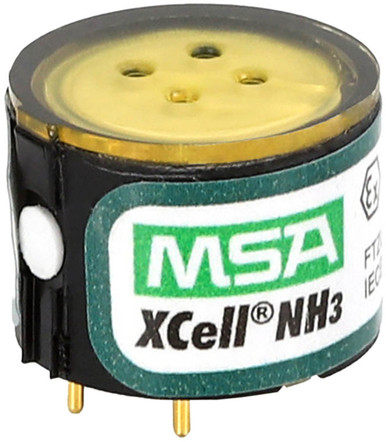
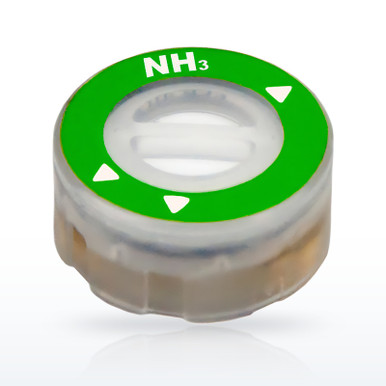
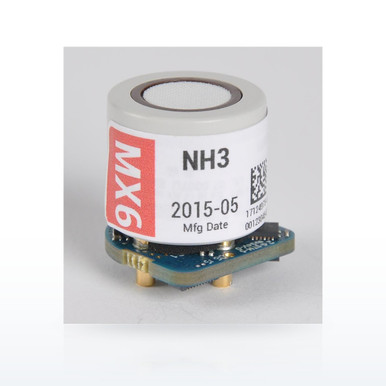
- Electrochemical sensors, in a single-gas monitor worn by the worker or as an added sensor in a multi-gas unit. Ranges in the catalog run 0 to 100 ppm on single-gas units and 0 to 400 ppm on pumped multi-gas units.
- Ammonia sensors wear faster than the common four-gas sensors. One manufacturer in our catalog warrants its standard sensors for 3 years and its ammonia sensor for 1 year, and another describes its ammonia sensor as built to recover from repeated exposures, which is a known problem with the type.
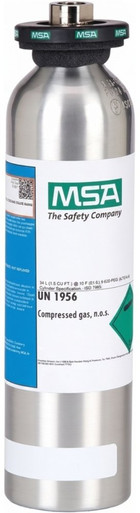
- Calibration needs its own cylinder: 25 ppm ammonia in air is the catalog mix, with an approximately 18-month shelf life because the gas reacts with the cylinder over time.
- Detector tubes give a spot reading with a hand pump for a leak check or a one-time survey; they do not alarm and are not continuous.
- The four-gas monitor used for confined spaces does not detect ammonia. A refrigeration machine room or a fertilizer tank needs a unit with an ammonia sensor in it.
Ammonia monitors, sensors, tubes and calibration gas
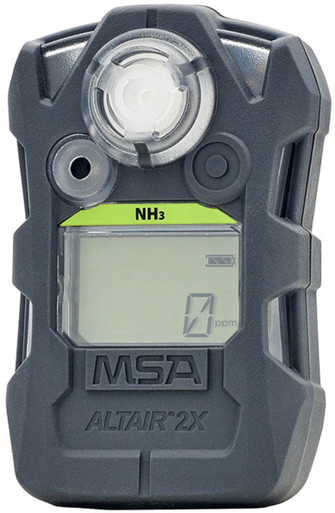
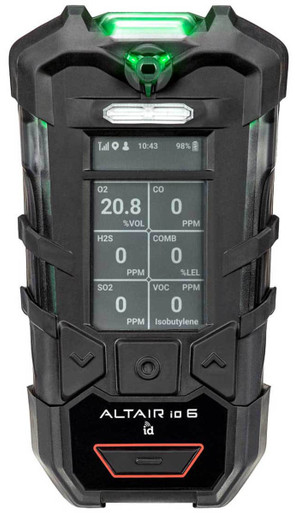
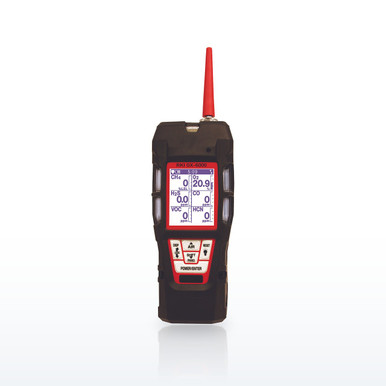
20 items · prices liveEvery monitor shown lists ammonia (NH3) among the gases its manufacturer specifies for it. Gases and ranges are as published by the manufacturer; see each product page. Free shipping on orders over $199.
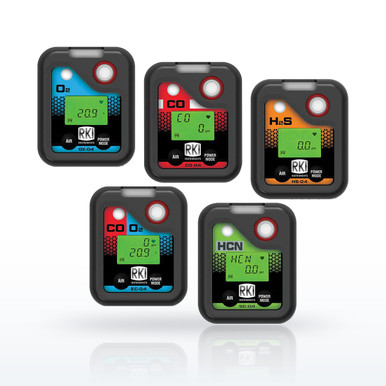

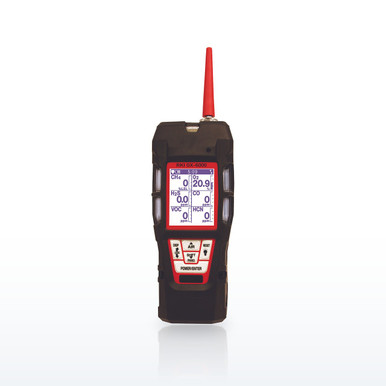
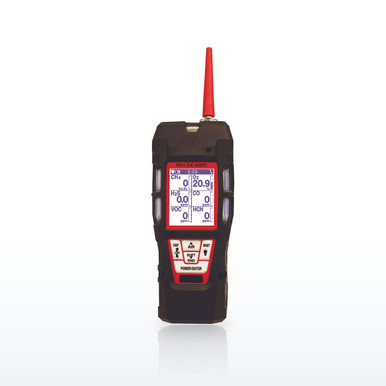
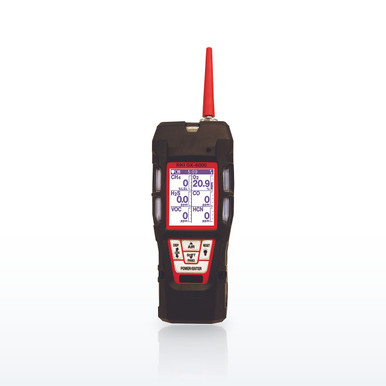
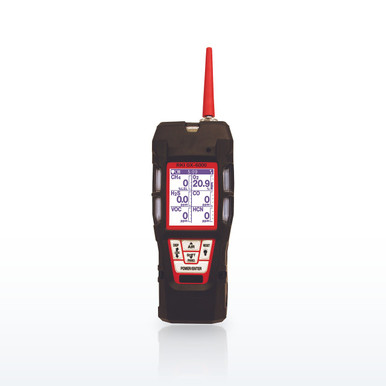

More pumped multi-gas configurations with ammonia are in the gas detection finder.
Questions people ask
What is the OSHA PEL for ammonia?
50 ppm as an 8-hour time-weighted average (1910.1000 Table Z-1).
What is the NIOSH REL for ammonia?
25 ppm over 8 hours and 35 ppm for any 15 minutes. IDLH is 300 ppm.
What ppm of ammonia is dangerous?
NIOSH sets 300 ppm as immediately dangerous to life or health. Irritation starts well below that, and the limits are set so no one works at the irritating levels for a shift.
Can you smell ammonia below the limit?
Most people notice the sharp smell at low concentrations, but smell is not a measurement and people around it daily stop noticing it. A monitor is the only reliable check.
Is ammonia heavier or lighter than air?
Lighter: relative density 0.60. Warm gas rises and collects high. The cold cloud from a liquid-line release hugs the floor until it warms.
Does a 4-gas monitor detect ammonia?
No. LEL, O2, H2S and CO sensors do not read ammonia. It needs its own electrochemical sensor.
What should an ammonia monitor alarm be set at?
The employer’s program decides; the NIOSH values of 25 ppm and 35 ppm and the OSHA value of 50 ppm are the usual choices. Check the monitor’s manual for defaults.
Is ammonia flammable?
Yes, between 15 and 28 percent in air. That is far above the toxic range but reachable in a machine room during a large release.
Standards and ratings on this page are as published in the documents named and by the manufacturers named. The employer’s hazard assessment and written program decide what applies at a given workplace. Verify a rating on the product and its spec sheet before use.