
Confined spaces in construction: how 1926 Subpart AA differs from 1910.146
Subpart AA is the general industry permit-space rule rewritten for a jobsite with several employers on it. The core is the same: a confined space is one big enough to enter, with limited entry and exit, not designed for occupancy; a permit space adds a hazardous atmosphere, engulfment, entrapment or another serious hazard; entry takes a permit, an attendant, testing and a rescue plan. What the construction rule adds: a competent person must identify every confined space before work starts; atmospheric hazards must be monitored continuously rather than periodically unless continuous equipment is not available; a non-isolated engulfment hazard needs an early-warning system; and the host employer, controlling contractor and each entry employer have specific duties to exchange hazard information before, during and after entry.
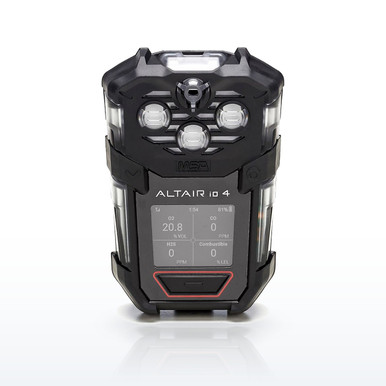
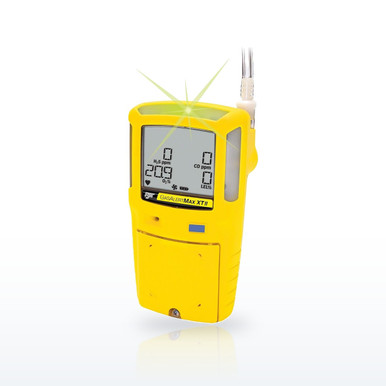
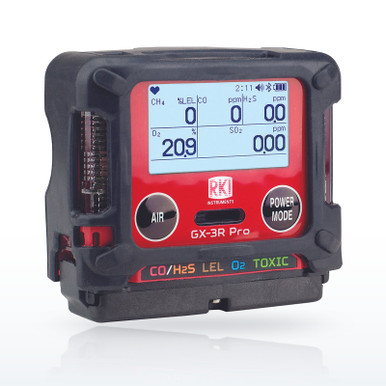
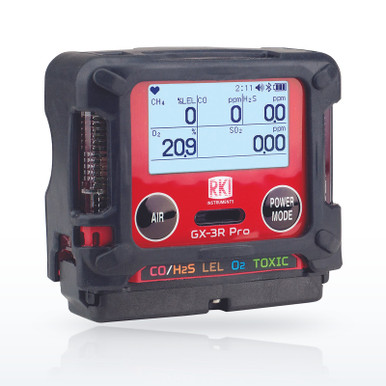
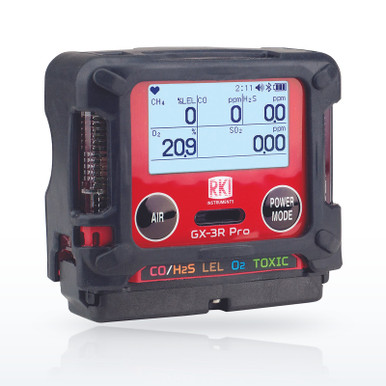
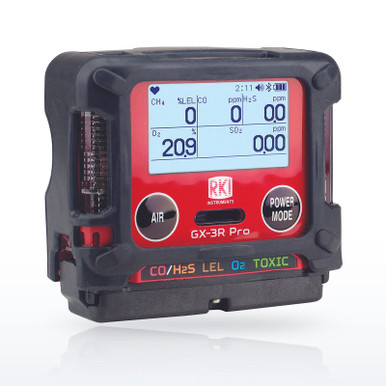
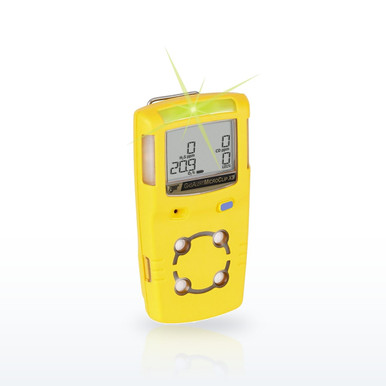 Four-gas monitorContinuous monitoring is the construction default: a monitor on the entrant for the whole entry
Why did construction get its own standard? Until 2015 construction confined spaces were covered by a single training paragraph. A plant has a fixed list of tanks and pits and one employer who knows them. A jobsite changes every week, the spaces are created by the work itself, manholes, pits, crawl spaces, tanks being built, and the people who know the hazard are often not the people sending workers in. Subpart AA was written around that: find the spaces before work starts, monitor continuously because conditions change, and make the general contractor the hub for hazard information.
What is the same in both standards?
The structure of permit-space entry carries over. If a crew is trained on 1910.146 it will recognize all of this.
What is different in the construction standard?
| Requirement | 1910.146 (general industry) | 1926 Subpart AA (construction) |
|---|---|---|
| Finding the spaces | The employer evaluates the workplace to determine if any spaces are permit spaces. (1910.146(c)(1)) | Before work begins, a competent person must identify all confined spaces where the employer’s workers may work and identify each permit space, by evaluating the space and testing as necessary. (1926.1203(a)) |
| Atmospheric monitoring | Test before entry and test or monitor as necessary during entry. | Continuously monitor atmospheric hazards unless the employer can show continuous monitoring equipment is not commercially available or periodic monitoring is frequent enough to keep the hazard controlled. (1926.1204(e)(2); (e)(1)(ii)) |
| Engulfment | Listed as a permit-space hazard; isolate or control it. | Where an engulfment hazard cannot be isolated, an early-warning system must continuously monitor for it and alert entrants and attendants in time to exit. (1926.1204(e)(1)(iii); 1926.1202, early-warning system) |
| Multiple employers | Two parties. The host employer tells the contractor the space is a permit space, its hazards and precautions, coordinates entry and debriefs; the contractor gets that information, coordinates and reports back. (1910.146(c)(8) and (c)(9)) | Three defined parties. The host employer gives the controlling contractor known permit spaces, hazards and precautions; the controlling contractor passes that to every entry employer and coordinates when more than one entity enters or works nearby; each entry employer tells the controlling contractor its program and the hazards it will create; after entry everyone debriefs. (1926.1203(h)(1) through (5)) |
| Telling employees | Danger signs or an equally effective means. | Danger signs or an equally effective means, plus timely notice in some other manner to the employees’ authorized representatives and the controlling contractor. (1926.1203(b)(1) and (2)) |
| Who it covers | General industry employers. | Employers doing construction work at a site with one or more confined spaces, except excavations, underground construction and diving. (1926.1201(a) and (b)) |
The construction rule was published May 4, 2015 (80 FR 25519). Where both standards could apply to the same crew, for example a contractor doing maintenance in a plant, the nature of the work, construction versus maintenance, decides which standard governs.
29 CFR 1926.1201, 1926.1202, 1926.1203 and 1926.1204 as cited in each row; 29 CFR 1910.146(c)(1), (c)(2), (c)(8), (c)(9) and (d)(5)(i) and (ii).
What does continuous monitoring change on the ground?
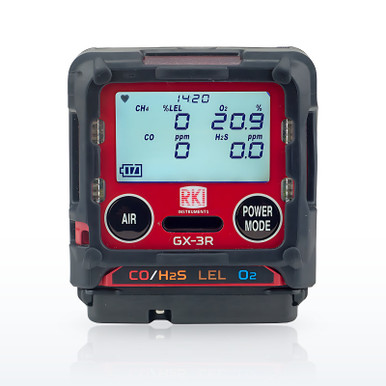
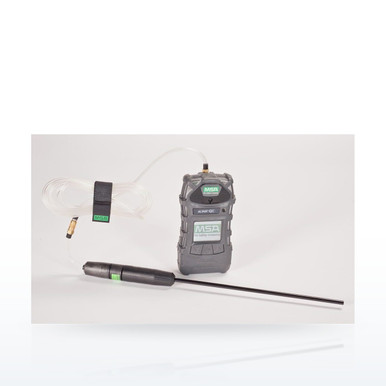
Under the construction rule the gas monitor is not a pre-entry check; it is on for the whole entry. A diffusion four-gas monitor clipped to the entrant’s chest, running and alarming, meets it for the gases it reads; the attendant also needs to know what it is reading, which on a deep or noisy entry means a second monitor at the opening or one with a wireless link. The pre-entry test is still done first, with a pump and probe from outside, in the oxygen, combustible, toxic order. If the hazard cannot be read by any commercially available continuous instrument, periodic testing is allowed, but that is the employer’s burden to show.
1926.1204(e)(1)(ii), (e)(2) and (e)(3).What does the controlling contractor actually have to do?
- Before entry, get the host employer’s information on each known permit space: its location, its hazards or why it is a permit space, and any precautions previous contractors took.
- Pass that information, plus anything else it knows, to every entity that will enter a permit space and to any entity whose work could create a hazard in it.
- Coordinate when more than one entity enters at the same time, or when work that could create a hazard in the space happens during an entry.
- After entry, debrief each entering entity on the program it followed and the hazards it met or created, and pass that back to the host employer.
- Where there is no controlling contractor on the site, the controlling contractor’s duties fall to the host employer or whichever employer arranged for another employer’s workers to be there.
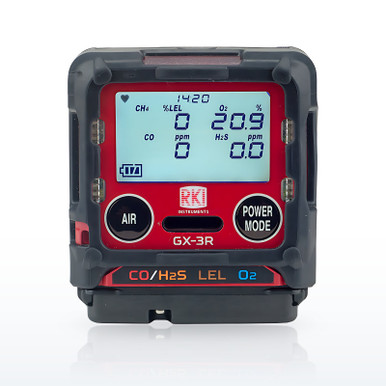
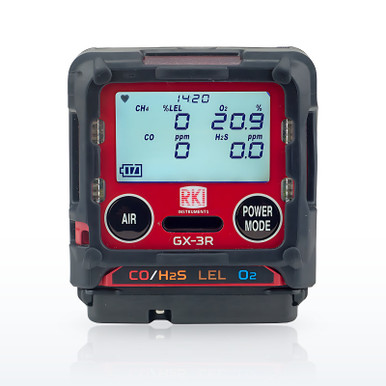
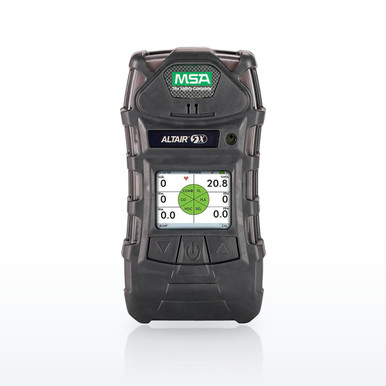
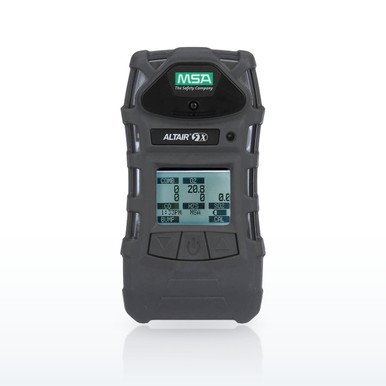
Gas monitors for continuous monitoring and retrieval gear
29 items · prices liveThe gases each monitor reads and the sampling method are as published by the manufacturer. Retrieval device standards and working loads are on each spec sheet. Free shipping on orders over $199.
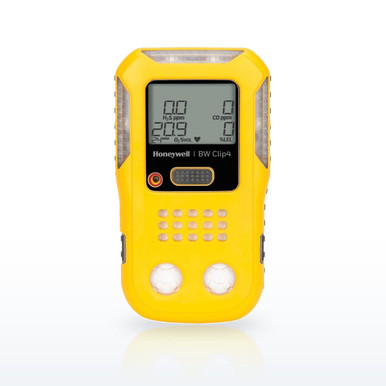
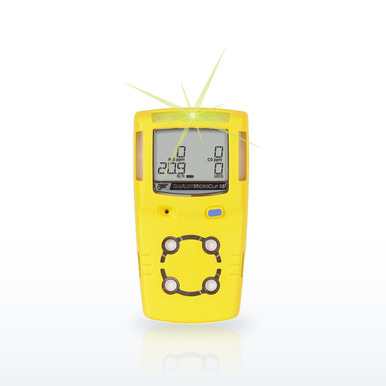
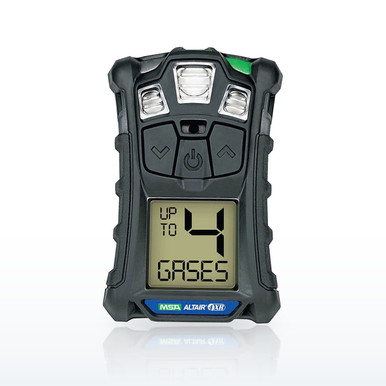
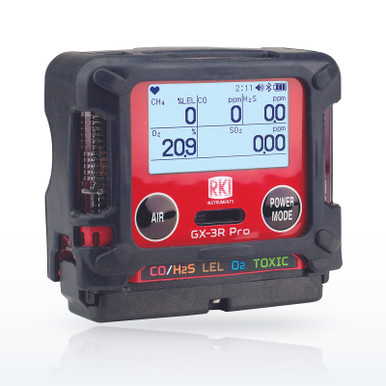
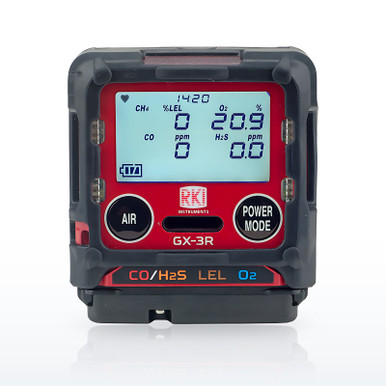
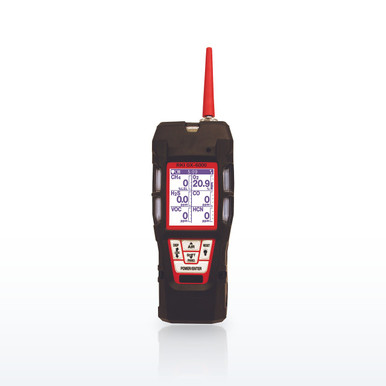
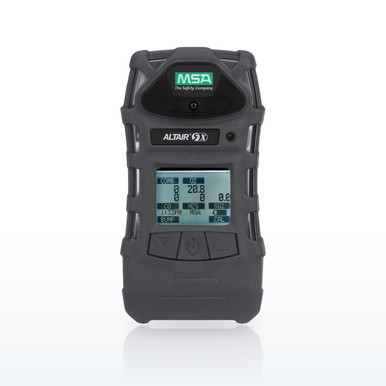
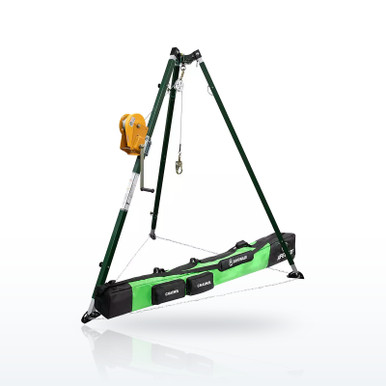
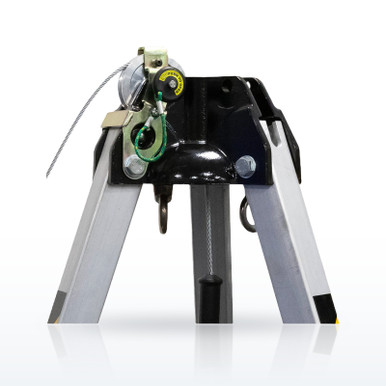
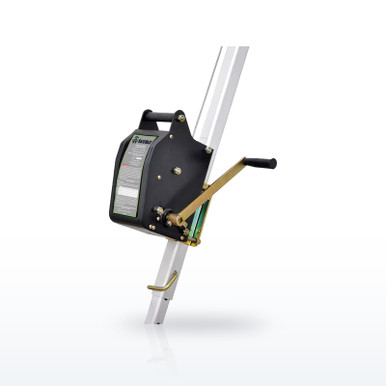
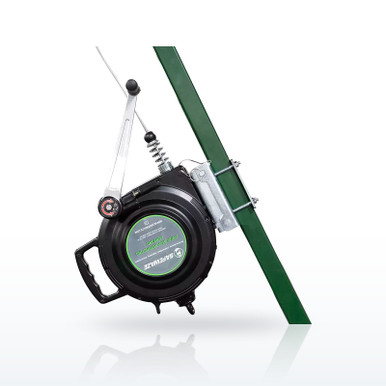
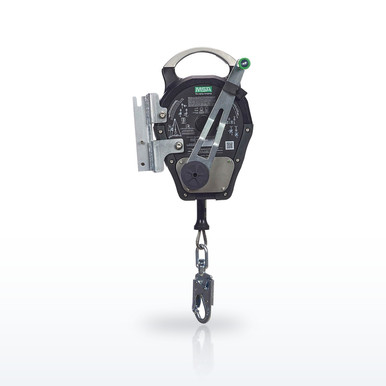
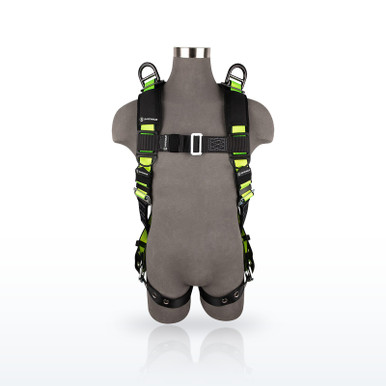
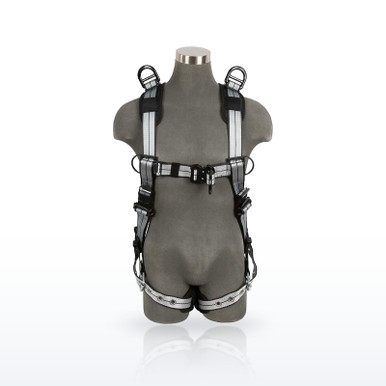
Calibration gas, docking stations and replacement sensors are on each monitor’s product page and in the gas detection finder.
Questions people ask
When did the construction confined space standard take effect?
It was published May 4, 2015 (80 FR 25519) as 29 CFR 1926 Subpart AA, sections 1926.1200 through 1926.1213.
Does Subpart AA require continuous gas monitoring?
Yes, for atmospheric hazards, unless the employer can show continuous monitoring equipment is not commercially available or that periodic monitoring is frequent enough to keep the hazard controlled (1926.1204(e)(2)).
Who has to identify confined spaces on a construction site?
A competent person, for each employer, before work begins, including testing as necessary (1926.1203(a)).
Does a trench count as a confined space in construction?
No. Excavations are regulated by Subpart P and are excluded from Subpart AA (1926.1201(b)). A manhole or vault inside an excavation is a different question and is evaluated as a space.
What is an early-warning system?
The method used to alert entrants and attendants that an engulfment hazard may be developing, such as alarms on remote sensors or lookouts with a way to communicate immediately. It is required where an engulfment hazard is not isolated (1926.1202; 1926.1204(e)(1)(iii)).
Is the 5-foot retrieval rule the same?
Yes. A mechanical device must be available to retrieve personnel from vertical permit spaces more than 5 feet deep in both standards (1926.1211(c)(2); 1910.146(k)(3)(ii)).
Which standard applies to a contractor working in a plant?
It depends on whether the work is construction or maintenance. Construction work follows Subpart AA; the host employer still owes the contractor its permit-space information under both rules.
Standards and ratings on this page are as published in the documents named and by the manufacturers named. The employer’s hazard assessment and written program decide what applies at a given workplace. Verify a rating on the product and its spec sheet before use.