
How to insert foam ear plugs correctly (roll, pull, hold)
Roll the foam plug between your fingers into a thin, crease-free cylinder. Reach over your head with the other hand and pull the top of your ear up and back to straighten the ear canal. Slide the rolled plug well into the canal and hold it there with a fingertip for 20 to 30 seconds while the foam expands. Done right, your own voice sounds muffled and low, and when you cup your hands over your ears the noise should not change much. A plug sitting in the bowl of the ear with most of it showing is doing almost nothing.
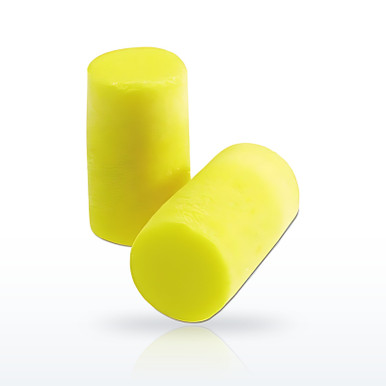
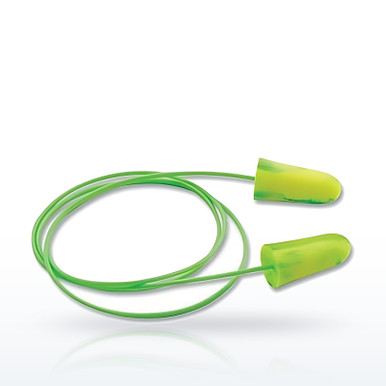
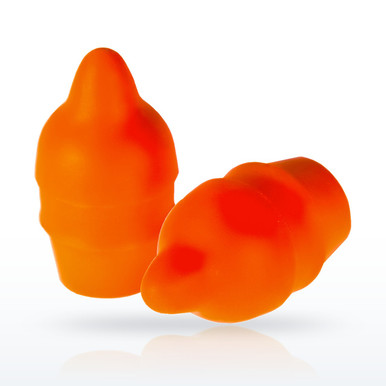
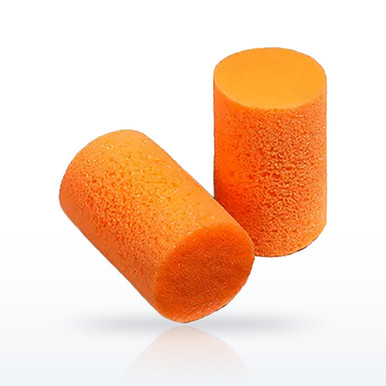 Howard Leight FirmFit FF-1-D Earplugs, Cylinder Shape Disposable PVC Foam EarFoam ear plugs, NRR 30 and above, sold by the box
Why does insertion matter so much? The NRR on the box was measured in a lab with the plug fully seated. NIOSH field studies found that workers who insert foam plugs shallowly get a small fraction of the labeled protection, sometimes under 10 dB from a plug rated 33. Noise-induced hearing loss is permanent and OSHA records tens of thousands of cases a year, most of them in people who were wearing something. The plug does not protect you; the plug seated in the canal does.
What does a correctly inserted plug look and feel like?
Four quick checks, any of which will tell you.
How do you insert foam ear plugs?
- Clean hands. Dirt and grease on the plug go into the canal and shorten the plug’s life.
- Roll. Roll the plug between thumb and fingers, pressing firmly, into the thinnest crease-free cylinder you can. Creases let sound in.
- Pull. Reach over your head with the opposite hand, grab the top of your ear, and pull up and back. This straightens the canal so the plug goes in deep.
- Insert. Push the rolled plug into the canal until it is well inside; it should go in farther than feels natural the first time.
- Hold. Keep a fingertip on the end for 20 to 30 seconds while the foam expands and seals. Let go too early and it backs out.
- Check. Voice muffled, hand-cup test, gentle tug. If any check fails, take it out and start over; do not push on a seated plug.
- Remove slowly. Twist gently while pulling out, to break the seal without a pop that can hurt the eardrum.
How do you insert pre-molded (flanged) ear plugs?
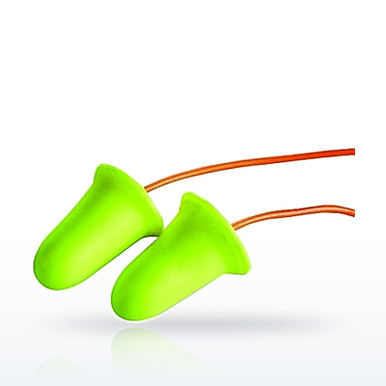
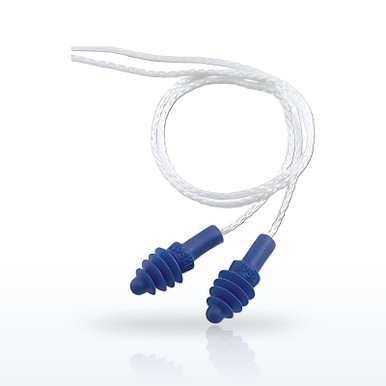
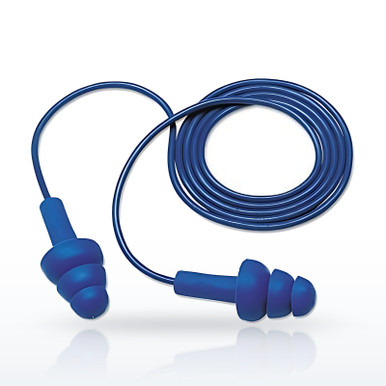
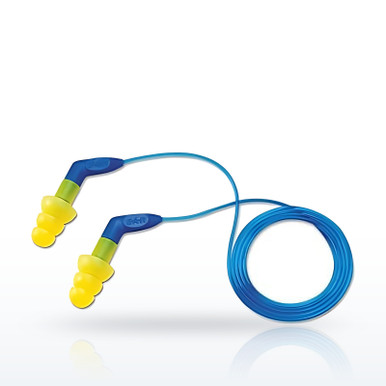
No rolling. Pull the ear up and back the same way, then push the plug in with a slight twist until the flanges seal and you feel the sound drop; the stem stays outside for removal. Pre-molded plugs come in sizes, and a plug that will not seal is usually the wrong size, not a technique problem. They are washable and reusable, and they are the plug to use when hands are dirty, since the part that goes in the ear is never handled.
Manufacturer instructions (Howard Leight SmartFit, 3M E-A-R UltraFit, Moldex Rockets).How do you wear banded (semi-insert) plugs?
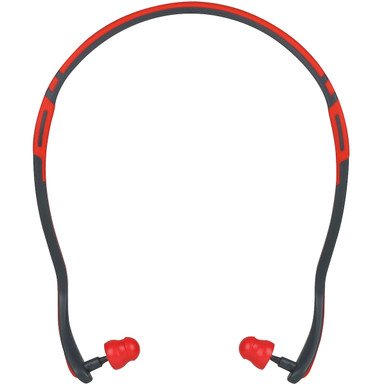
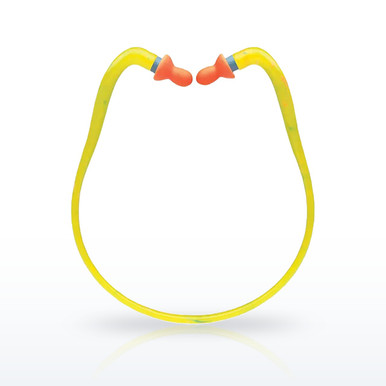
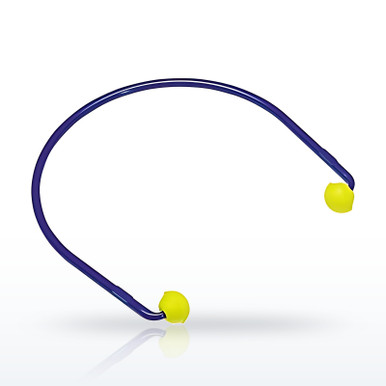
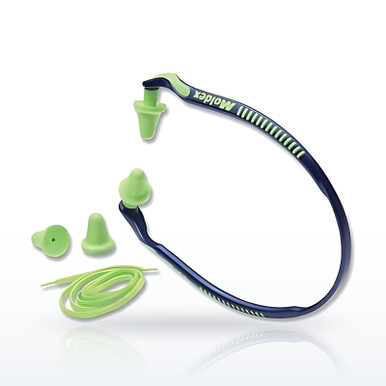
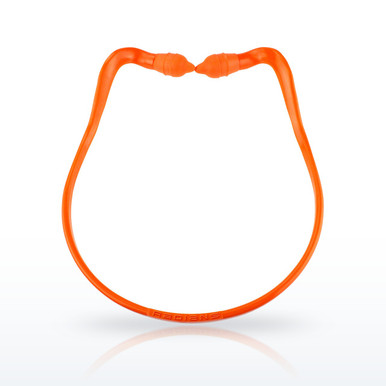
The band goes under the chin or behind the neck, and the pods press into the opening of the canal, not deep inside. They are made for on-and-off use, walking in and out of noise, and their NRR is lower than a fully inserted foam plug for that reason. Do not pull the band away from one ear and let it snap back; the band is what provides the seal pressure and bending it changes the fit.
Manufacturer instructions (Howard Leight QB series, 3M Band); EPA NRR labels.What does OSHA require about fitting?
Where hearing protection is required, the employer must provide a choice of at least two different types (for example a foam plug and an earmuff), train employees in their use and care, ensure proper initial fitting, and supervise correct use. The standard also requires the employer to evaluate the attenuation of the protector for the worker’s noise exposure, which is where the NRR and its derating come in. Fitting is a required part of the program, not a suggestion.
29 CFR 1910.95(i)(3) (variety of suitable protectors), (i)(4) (training, initial fitting, supervision), (j) (attenuation evaluation), Appendix B (methods for estimating adequacy).How much protection are you actually getting?
OSHA’s method subtracts 7 dB from the NRR to correct the lab measurement to the A-weighted scale used for exposure, and when comparing protectors against the need for engineering controls it halves what is left. NIOSH instead derates by protector type for real-world fit: 25 percent off earmuffs, 50 percent off formable (foam) plugs, 70 percent off all other plugs. Either way, a foam plug labeled NRR 33 is treated as roughly 13 to 16 dB of protection for planning. The only way to know your own number is a fit-test system (several manufacturers make one) that measures the attenuation on your ears with your insertion.
29 CFR 1910.95 Appendix B; OSHA Technical Manual Section III Chapter 5 (50 percent derating for engineering-control comparisons); NIOSH Criteria for a Recommended Standard, Occupational Noise Exposure (1998) section 6.3 (derating by protector type); manufacturer fit-test systems (3M E-A-Rfit, Honeywell VeriPRO).When do you replace ear plugs?
- Disposable foam: when dirty, when they no longer expand slowly back to shape after rolling, or at the end of the shift; a few days at most with clean hands.
- Pre-molded reusable: wash with mild soap, dry, store in the case; replace when the flanges harden, crack or lose their shape, typically every few weeks to months.
- Banded: replace the pods on the maker’s schedule; replace the band if it is bent or loses tension.
- Any plug that was dropped on a dirty floor.
Foam and reusable ear plugs by NRR
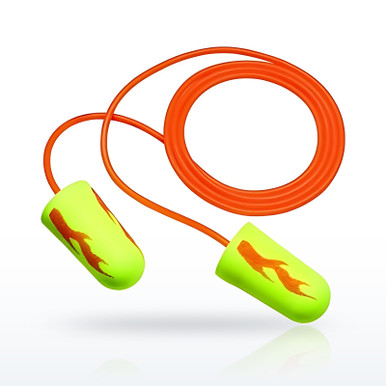
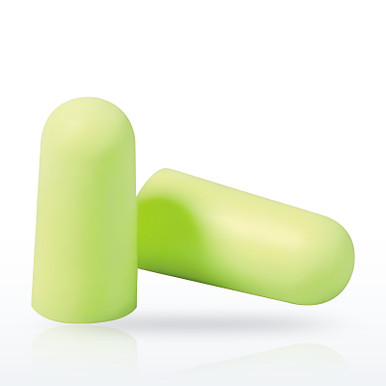
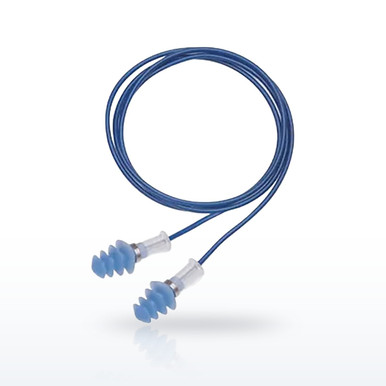
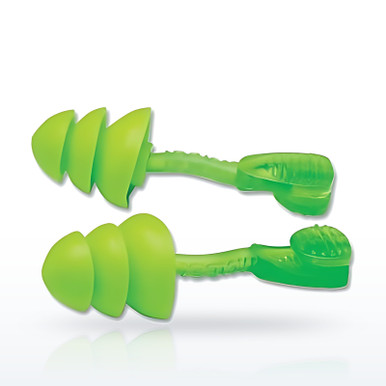
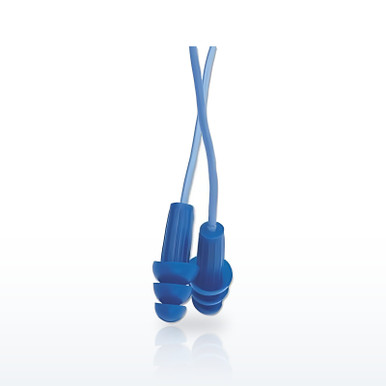
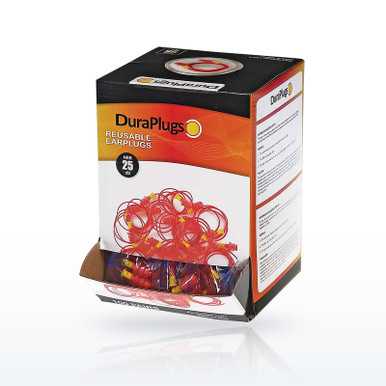
24 items · prices liveNRR is the EPA-labeled rating as published by the manufacturer; real-world protection depends on insertion, as explained above. Free shipping on orders over $199.
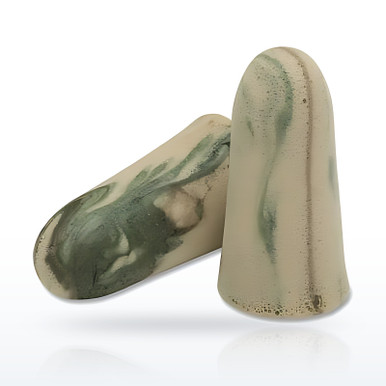

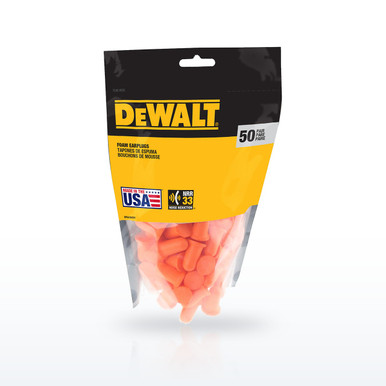
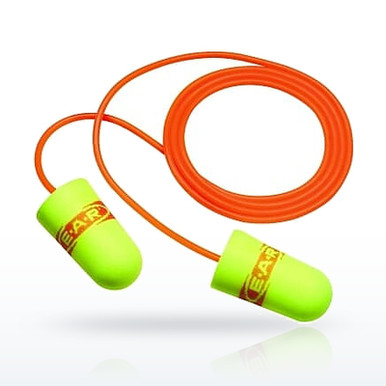


Earmuffs, cap-mounted muffs and dispensers are on the hearing protection finder.
Questions people ask
How do you put in foam ear plugs?
Roll the plug into a thin cylinder, pull the top of your ear up and back with the other hand, slide the plug deep into the canal, and hold it with a fingertip for 20 to 30 seconds while it expands.
How do I know if my ear plugs are in right?
Your own voice sounds muffled and low, cupping your hands over your ears barely changes the noise, and only the end of the plug shows at the canal opening.
How far in should ear plugs go?
Farther than feels natural at first: most of the foam inside the canal, with just the end visible. A plug sitting in the bowl of the ear is barely working.
Why do my ear plugs keep falling out?
Usually they were not rolled thin enough, not inserted deep enough, or released before the foam expanded. Pull the ear up and back and hold the plug longer. A canal that will not hold foam may need a sized pre-molded plug.
How often should you change foam ear plugs?
When they are dirty, stop expanding back to shape, or at the end of a shift; with clean hands a pair lasts a few days. Reusable plugs are washed and replaced when the flanges wear.
Do ear plugs really reduce noise by the NRR?
Only when seated as in the lab. OSHA and NIOSH derate the label for planning; a fit-test system measures what you actually get. Good insertion is the difference between a few dB and most of the rating.
Does OSHA require training on ear plugs?
Yes. Where protection is required, the employer must train on use and care, fit them initially, and supervise correct use. (1910.95(i)(4) and (k).)
Can you reuse disposable ear plugs?
A clean pair can be worn for several shifts; they are discarded when soiled or when the foam stops recovering. They are not washed.
Standards and ratings on this page are as published in the documents named and by the manufacturers named. The employer’s hazard assessment and written program decide what applies at a given workplace. Verify a rating on the product and its spec sheet before use.