
Electronic and level-dependent earmuffs: how they work
An electronic, or level-dependent, earmuff is a passive earmuff with a microphone on the outside of each cup, an amplifier and a small speaker inside. At normal levels the electronics reproduce what the microphones hear, so you can talk, hear a forklift horn or a range command, and tell where a sound is coming from, with the muffs on. The circuit caps what it plays into your ear: on the models we carry, 82 dB. When the outside sound passes that level, the amplifier stops passing it and you are left with the passive cup, which is rated like any other muff by its NRR. The electronics add hearing, not protection. The NRR is the protection, and it is the same whether the unit is on or off.
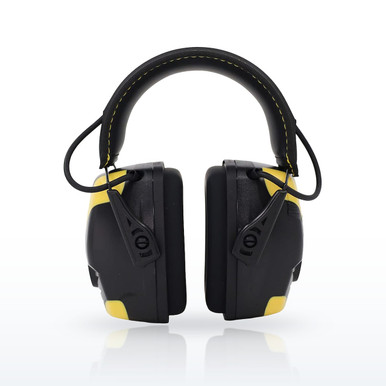 Howard Leight Impact Pro electronic earmuffNRR 30 passive cup, sound amplification capped at 82 dB
Why would you want a muff you can hear through? The reason people take hearing protection off is to hear: a co-worker, a backup alarm, a change in the sound of a machine. Every minute it is off counts against the whole shift; NIOSH’s arithmetic says a 30 dB protector removed for a total of 30 minutes in 8 hours delivers about 15. A level-dependent muff lets the wearer hear speech and warnings without lifting a cup, so the protector stays on. That is the whole case for the electronics. The passive cup still has to be rated for the noise.
What is inside, and what does each part do?
As the manufacturers describe their products.
What does EN 352-4 test?
EN 352-4 is the European standard for level-dependent earmuffs. A product must first meet the passive earmuff standard (EN 352-1 for headband models, EN 352-3 for helmet-mounted) with full attenuation data, headband force and durability tests. The level-dependent function is then tested with three reference noises, called H, M and L, and the standard sets the criterion level for each: the highest outside level at which the sound restored into the ear stays at or below 85 dB(A). The minimum criterion levels depend on the product’s intended use: 85 dB(A) for all three where the product is meant for impulse noise only, and H 97, M 96, L 94 dB(A) where it is meant for impulse and continuous noise. The manufacturer states the criterion levels in the instructions. There is no US equivalent; US products are rated by NRR for the passive cup and the manufacturers publish the electronic ceiling themselves.
EN 352-4 requirements as summarized by JSP Safety (Hearing protection standards explained; How do level-dependent ear defenders provide protection), cited at the source level: the standard text itself is not freely published.What does the NRR mean on an electronic earmuff?
The same as on any earmuff: the passive attenuation of the cup, measured with the electronics off, as printed on the package. Honeywell states the Impact Sport’s NRR 22 applies in both on and off modes. The OSHA Appendix B check works unchanged: subtract 7 from the NRR for an A-weighted measurement and subtract the rest from the noise level; the result must be 90 dBA or below, or 85 after a standard threshold shift. The electronics cannot raise that number. What they do change is the sound you hear under 82 dB, and that is capped below the 85 dBA action level by design.
1910.95 Appendix B; 1910.95(j)(2) and (j)(3); Honeywell Howard Leight, Impact Sport product data (NRR 22 in on and off modes; amplification capped at 82 dB).Two things the electronics do not do. They do not cancel noise: active noise reduction is a different technology (EN 352-5) that adds attenuation at low frequencies, and none of the muffs in this guide have it. And they do not make the muff suitable for a higher noise level than its NRR allows; a level-dependent muff with an NRR 22 cup is an NRR 22 muff.
EN 352-5 (active noise reduction earmuffs) as summarized by JSP Safety; 1910.95 Appendix B.Where are they used?
- Ranges and shooting sports: the origin of the design. Impulse noise shut off instantly, range commands heard clearly.
- Crews who work around moving equipment and need to hear backup alarms, horns and shouted warnings with muffs on.
- Supervisors and leads who talk all day on a loud floor.
- Maintenance: hearing the change in a bearing or a belt while protected.
- Not the answer for a single-purpose, high-noise station where nobody needs to hear anything; a higher-NRR passive muff costs less and has no batteries.
Electronic earmuffs and their passive counterparts
12 items · prices liveElectronic (level-dependent) models are hand-picked by their manufacturer descriptions, as labeled by the manufacturer; the NRR shown is the passive cup rating from the package. Battery type, amplification and ceiling are on each product page. Free shipping on orders over $199.
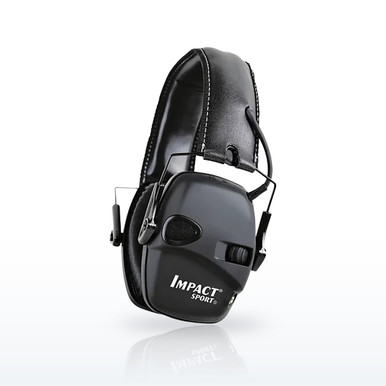
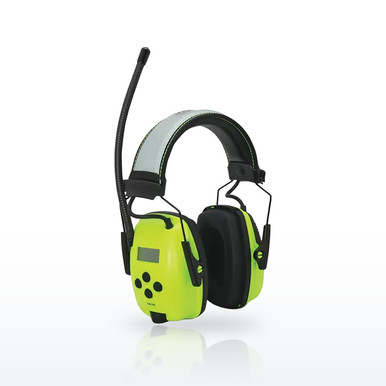

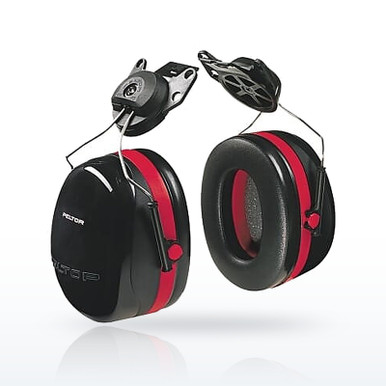
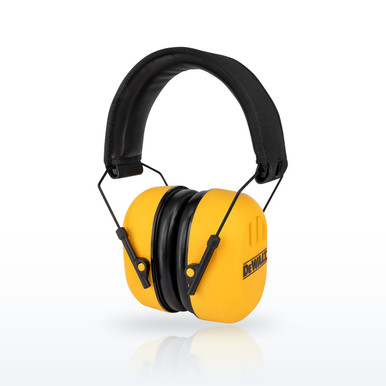
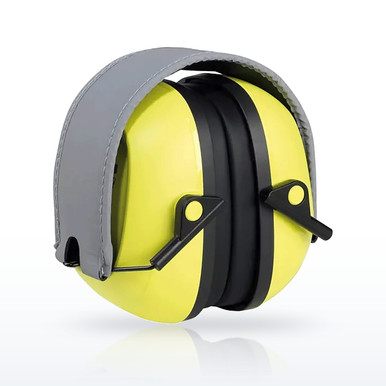
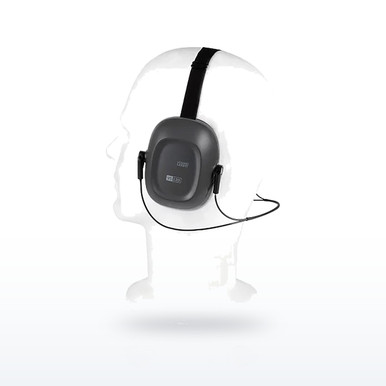
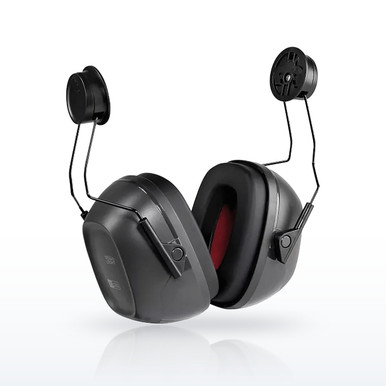
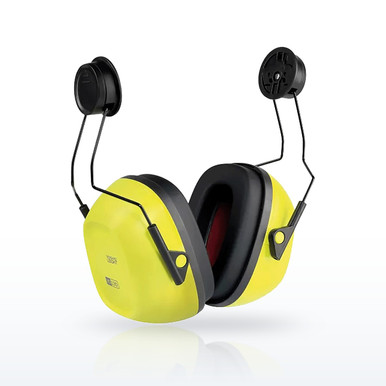
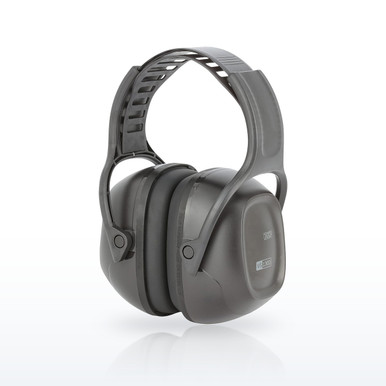
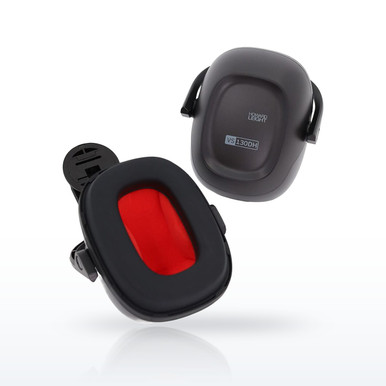
Hygiene kits for the Impact and Sync models, and radio and Bluetooth muffs (entertainment audio, not level-dependent), are in the hearing protection finder.
Questions people ask
How do electronic earmuffs work?
Microphones on the cups pick up sound, an amplifier passes it to a speaker inside at a capped level (82 dB on the models we carry), and above that level the amplifier shuts off, leaving the passive cup to do the protecting.
Do electronic earmuffs protect as well as regular earmuffs?
The protection is the passive cup, rated by NRR exactly like a regular muff, on or off. The electronics add hearing, not attenuation.
What is a level-dependent earmuff?
The European term for the same thing: a muff whose pass-through depends on the outside level. EN 352-4 is the standard that tests it.
What happens when the batteries die?
You have a passive earmuff at its NRR. You lose the pass-through, not the protection.
Are electronic earmuffs OK for OSHA compliance?
Yes, judged by the passive NRR through the Appendix B method like any muff. The employer must still show the NRR brings exposure to 90 dBA, or 85 after a threshold shift. (1910.95(j).)
Can I plug a radio into them?
Most have a 3.5 mm input. The input is limited the same way as the microphones on the models we carry; check the product page.
Are noise-cancelling headphones hearing protection?
Generally no. OSHA’s March 6, 2023 interpretation letter says most consumer active noise-cancelling headphones are not effective for controlling occupational noise and do not protect against sudden loud sounds without a protective seal; it advises against using them in place of laboratory-tested hearing protectors.
Standards and ratings on this page are as published in the documents named and by the manufacturers named. The employer’s hazard assessment and written program decide what applies at a given workplace. Verify a rating on the product and its spec sheet before use.