
Ear plugs vs earmuffs: which gives more protection?
On the label, ear plugs. The highest-rated items in our catalog are foam plugs at NRR 33; earmuffs run from about NRR 20 to 31. In the ear, it depends on fit. A foam plug only reaches its rating if it is rolled tight and seated deep, and most people do not insert them that well; NIOSH cuts a foam plug’s label in half for that reason and cuts a muff’s by a quarter. A muff seals the same way on everyone and goes on in 2 seconds, which is why it wins for in-and-out exposures. Above about 100 dBA, neither alone is enough and NIOSH says to wear both.
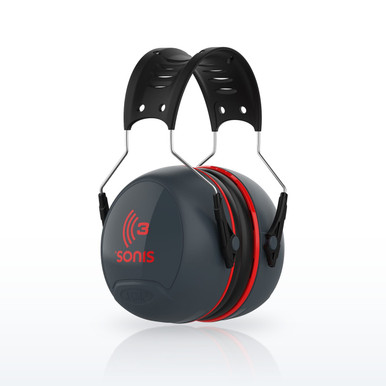 JSP Sonis 3 262-AEB040-HB Earmuffs, Passive Ear Muff, Adjustable HeadbandPassive earmuffs rated NRR 30 or 31 by the manufacturer
Why does the label not settle it? The NRR is measured in a laboratory on trained listeners with the protector fitted by the experimenter. OSHA’s Appendix B says the number is only realistic when the device is properly fitted and worn. Field studies have found real-world protection well under the label for every type, and the gap is largest for plugs because insertion depth varies from person to person and from morning to afternoon. A muff’s seal depends on the cushion and the band, which are the same every time, so its field performance sits closer to its label.
How do the two types compare?
Both are hearing protectors under 1910.95; the employer must offer a variety and let the employee choose a suitable one.
How does OSHA judge whether either one is enough?
The same way for both. Appendix B takes the NRR off the package, subtracts 7 when the noise was measured A-weighted, and subtracts the rest from the noise level. The result has to be 90 dBA or lower, or 85 for an employee who has had a standard threshold shift. At 95 dBA, an NRR 25 muff gives 95 minus 18 = 77; an NRR 33 plug gives 95 minus 26 = 69. Both pass. At 110 dBA the muff gives 92 and fails; the plug gives 84 on paper and would pass, which is exactly the case where the real-world derating matters and where NIOSH says to wear both.
1910.95 Appendix B (A-weighted method: NRR minus 7); 1910.95(j)(2) and (j)(3); NIOSH Publication 98-126, section 1.5.OSHA’s enforcement practice applies a 50 percent safety factor to the NRR when deciding whether protectors can substitute for engineering controls, and allows 5 dB to be added to the higher derated rating when plugs and muffs are worn together. Those are enforcement conventions, not text in 1910.95, and your written program should state which arithmetic it uses.
OSHA enforcement guidance on NRR derating and dual protection, as described in 3M, Hearing Protector Use and Care (Center for Hearing Conservation); cited at the source level.When do earmuffs give more protection in practice?
- Intermittent exposure: a shop where the loud machine runs a few minutes at a time, a yard where the saw comes and goes. People put muffs on; they skip re-inserting plugs.
- Crews that have not been trained to roll and seat foam plugs. A muff cannot be inserted shallow.
- Ear canal problems, infections or very small canals where a plug will not seat.
- Cold work, where the cushions help and gloved hands cannot roll a plug.
- Supervision: a supervisor can see a muff on from across the floor; a shallow plug looks the same as a deep one.
When do ear plugs give more protection in practice?
- Full-shift exposure at high levels, where the extra 5 to 8 points of NRR on a foam plug matter and the plug stays in all day.
- Hot or humid work, where muff cushions get sweaty and get pushed off.
- Under a hard hat with a face shield, a welding helmet or a hood, where a muff cup has nowhere to sit.
- With safety glasses: a muff cushion over a temple arm leaks; a plug does not care.
- Tight spaces and overhead work, where muff cups knock on things and lift.
Ear plugs and earmuffs by NRR
32 items · prices liveNRR is as tested by the manufacturer under ANSI S3.19 and printed on the package. Pack size and corded or uncorded are on the product page. Contractor Direct orders ship free.
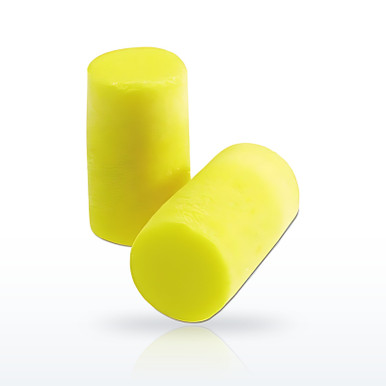
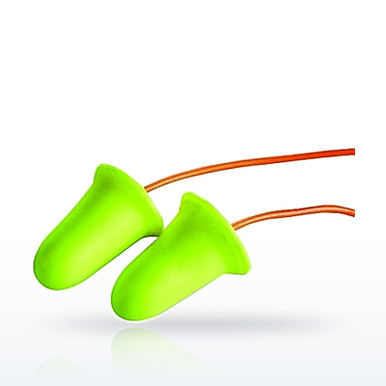
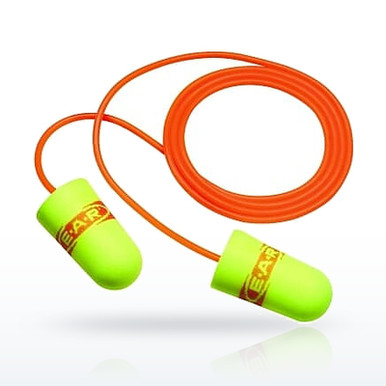
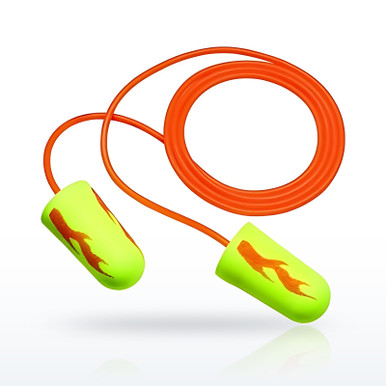


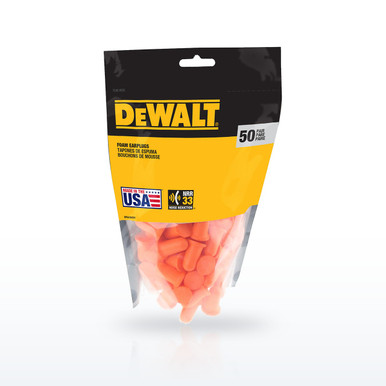
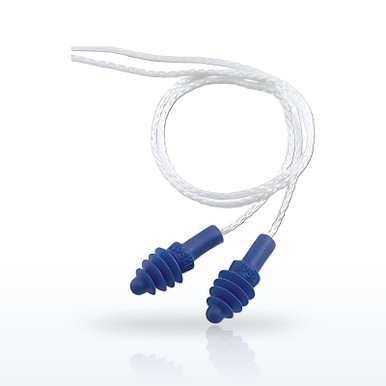
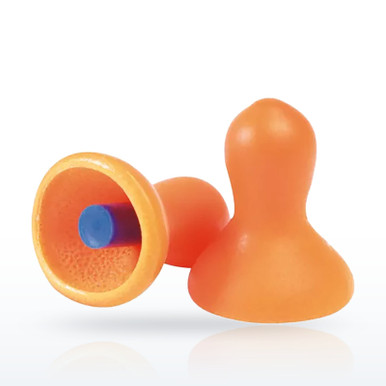
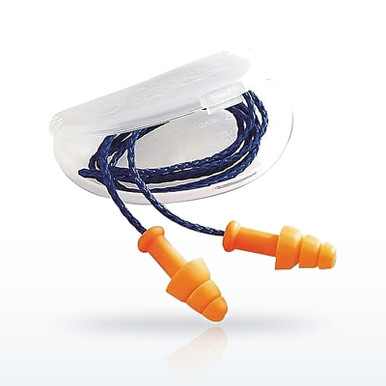
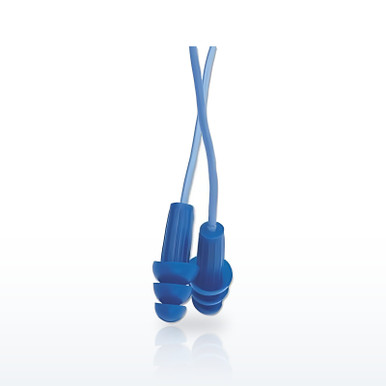
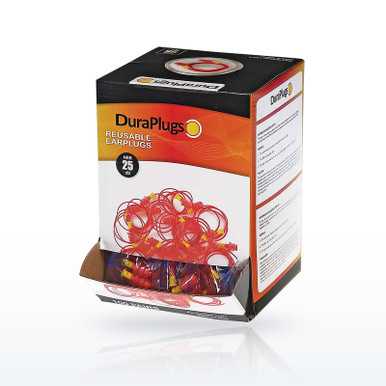
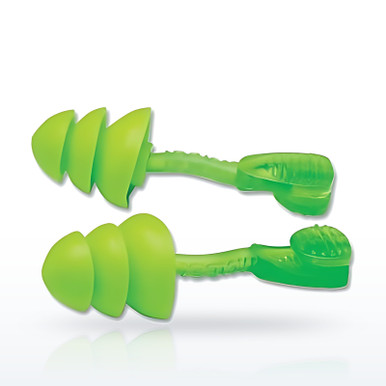

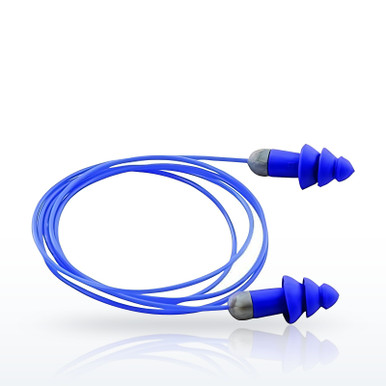
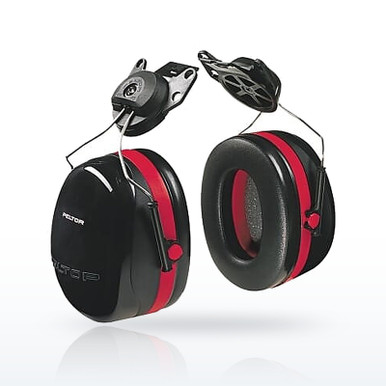
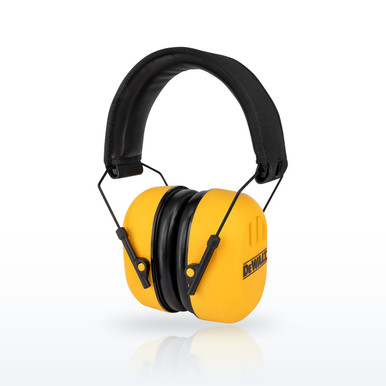
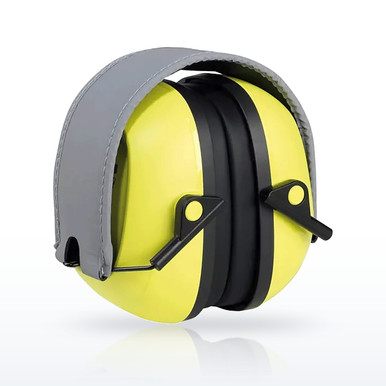
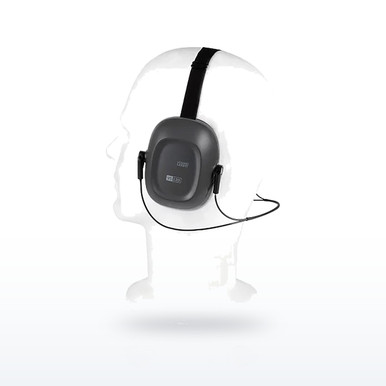
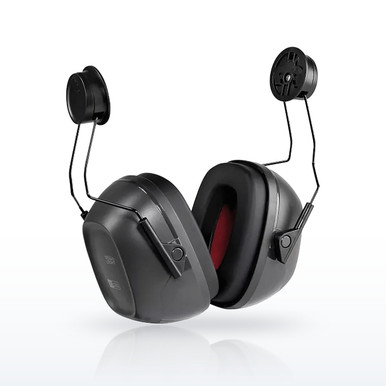
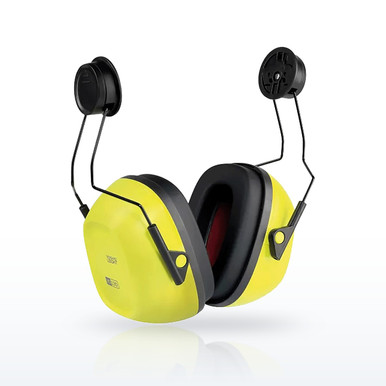
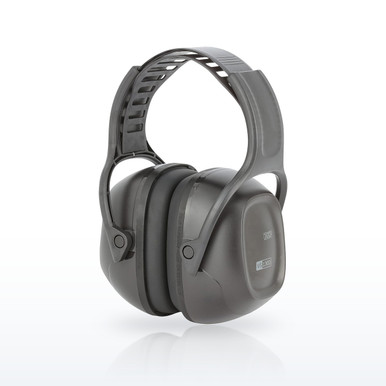
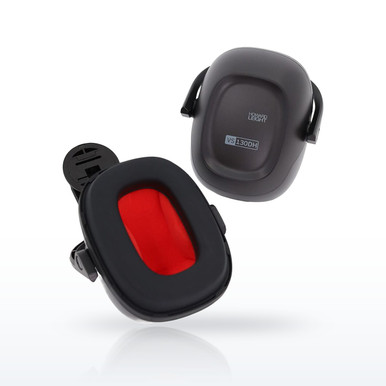
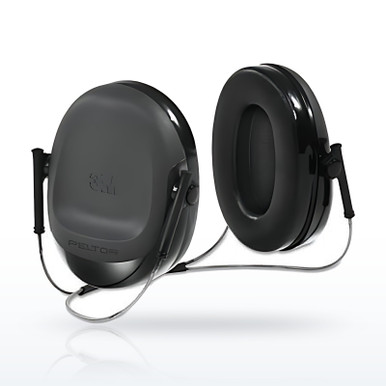
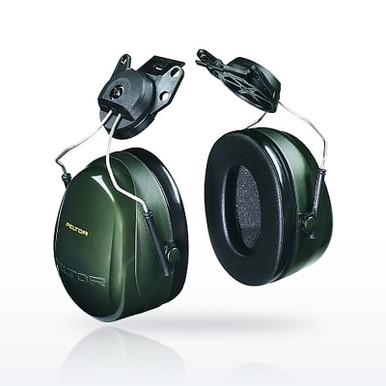
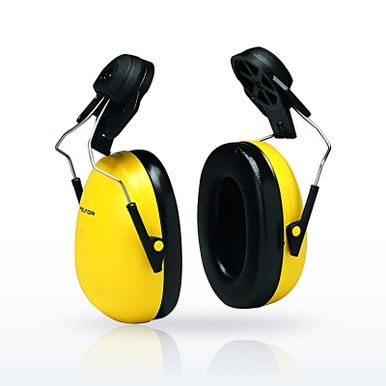
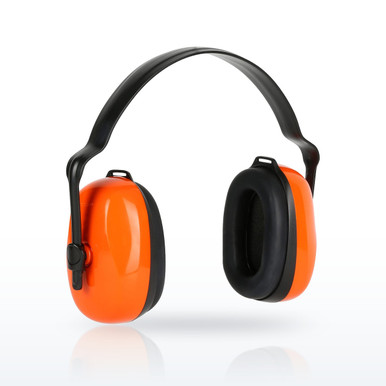
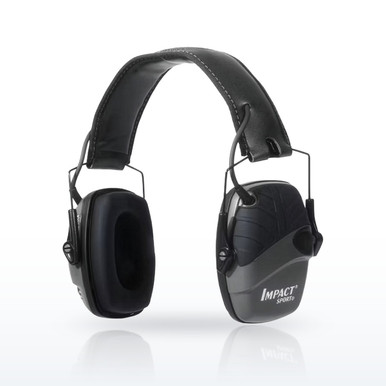
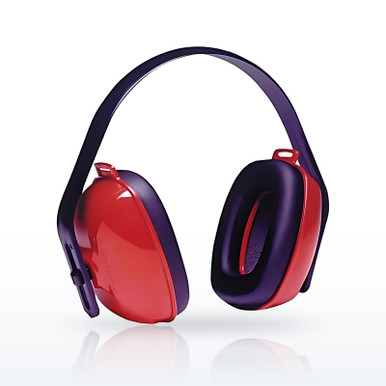
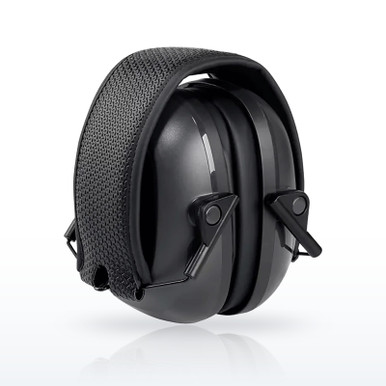
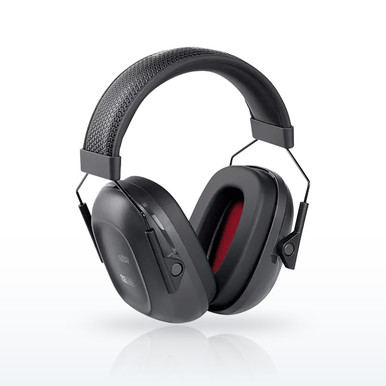
Cap-mounted muffs for hard hats, banded plugs and dispensers are in the hearing protection finder.
Questions people ask
Do ear plugs or earmuffs have a higher NRR?
Foam ear plugs, as a rule. The highest figures in our catalog are NRR 33 for foam plugs and NRR 31 for passive earmuffs. The band above shows each item’s manufacturer rating.
Which protects better in real use?
A well-fitted foam plug. A poorly fitted foam plug loses more than a muff ever does, which is why NIOSH halves a foam plug’s label and takes a quarter off a muff’s. Fit testing is the only way to know for a given person.
Can I wear earmuffs with safety glasses?
Yes, but the temple arm under the cushion is a leak. Thin, flat temples reduce it; plugs avoid it entirely.
Is it better to wear both ear plugs and earmuffs?
Above an 8-hour average of 100 dBA, NIOSH says to wear both. Expect 5 to 10 dB more than the better single device, not the two ratings added together.
Which does OSHA require?
Neither specifically. OSHA requires a variety of suitable protectors, the employee’s choice among them, and an Appendix B check that the chosen one brings exposure to 90 dBA (85 after a threshold shift). (1910.95(i)(3) and (j).)
Are earmuffs good for intermittent noise?
Yes. OSHA’s technical manual describes muffs as a good choice for intermittent exposure because they go on and off quickly.
Do earmuffs work under a hard hat?
Headband muffs usually do not; cap-mounted muffs clip into the hard hat’s accessory slots and are rated as a combination. See the cap-mounted earmuff guide.
Standards and ratings on this page are as published in the documents named and by the manufacturers named. The employer’s hazard assessment and written program decide what applies at a given workplace. Verify a rating on the product and its spec sheet before use.