
Fall protection on scaffolds: when it is required and what kind
On a scaffold the trigger is 10 feet, not the 6 feet that applies to the rest of a construction site. Above 10 feet every worker on the platform has to be protected, and the standard says how by scaffold type. On most supported scaffolds, frame, tube and coupler, system, mobile, a guardrail or a personal fall arrest system is enough. On a single-point or two-point suspended scaffold (a swing stage) both a guardrail and a fall arrest system are required. On a boatswain’s chair, catenary, float, needle beam or ladder jack scaffold a fall arrest system is the only option. The harness ties to a vertical lifeline anchored to the structure, a horizontal lifeline, or a structural member of the scaffold, never to the suspension ropes alone.
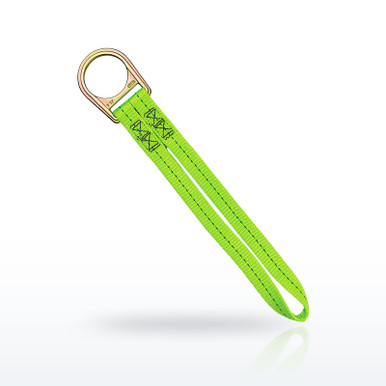 Safewaze FS815 scaffold anchorStrap anchor that wraps a scaffold member for a lanyard or SRL
Why is the scaffold trigger 10 feet instead of 6? Subpart L was written separately from Subpart M, with its own fall protection paragraph, and when OSHA revised the scaffold standard in 1996 it kept 10 feet as the height at which protection on a platform becomes mandatory. Below that the platform width, planking and access rules do the work. The 6-foot rule in Subpart M does not apply on a scaffold; 1926.500(a)(2)(i) sends scaffold fall protection to Subpart L (the current scaffold rule was published at 61 FR 46025, August 30, 1996). The 10 feet is measured from the platform to the lower level, not from the ground to the top of the frame.
What does 1926.451(g) require?
The rule in pieces. All of it starts at more than 10 feet above a lower level.
Which protection for which scaffold?
| Scaffold type | Required protection | Paragraph |
|---|---|---|
| Frame, tube and coupler, system, mobile, and any type not listed below | Guardrail system or personal fall arrest system | 1926.451(g)(1)(vii) |
| Single-point or two-point adjustable suspension (swing stage) | Guardrail system and personal fall arrest system | 1926.451(g)(1)(ii) |
| Self-contained adjustable, platform supported by the frame | Guardrail system | 1926.451(g)(1)(iv) |
| Self-contained adjustable, platform supported by ropes | Guardrail system and personal fall arrest system | 1926.451(g)(1)(iv) |
| Boatswain’s chair, catenary, float, needle beam, ladder jack | Personal fall arrest system | 1926.451(g)(1)(i) |
| Crawling board (chicken ladder) | Personal fall arrest system, or a guardrail, or a ¾-inch grabline or equivalent handhold beside each board | 1926.451(g)(1)(iii) |
| Walkway inside a scaffold | Guardrail within 9½ inches of and along at least one side | 1926.451(g)(1)(v) |
| Overhand bricklaying from a supported scaffold | Guardrail or personal fall arrest system on all open sides except the side where the laying is being done | 1926.451(g)(1)(vi) |
Guardrail systems referred to in this table must meet 1926.451(g)(4), including a toprail capacity of at least 200 pounds where the paragraph says so. Personal fall arrest systems must meet 1926.502(d) and the scaffold attachment rules in 1926.451(g)(3).
29 CFR 1926.451(g)(1)(i) through (vii).
Where does the lanyard attach on a scaffold?
The standard names three places: a vertical lifeline, a horizontal lifeline, or a structural member of the scaffold. A vertical lifeline has to be fastened to a fixed safe point of anchorage that is independent of the scaffold and protected from sharp edges and abrasion; standpipes, vents, electrical conduit, piping, outrigger beams and counterweights are named as not safe anchorages. A horizontal lifeline is secured to two or more structural members of the scaffold, or looped around the suspension and independent support lines above the hoist and brake; it may not be attached only to the suspension ropes. On a swing stage, if the lanyard goes to a horizontal lifeline or a structural member, the scaffold needs additional independent support lines with automatic locking devices, equal in number and strength to the suspension ropes, that will catch the platform if a rope fails. And vertical lifelines, independent support lines and suspension ropes may not be attached to each other or to the same anchorage point.
1926.451(g)(3) and (g)(3)(i) through (iv).Tying to a structural member of a supported scaffold is allowed, and the scaffold anchor straps in the band are built for it, but the member and the scaffold have to take the arrest load. A personal fall arrest system anchorage must hold 5,000 pounds per worker or be part of a system with a safety factor of two designed by a qualified person; the scaffold’s own capacity rule is 4 times the maximum intended load. The scaffold manufacturer or a qualified person decides which members qualify. A guardrail is never an anchorage.
1926.502(d)(15); 1926.451(a)(1); 1926.502(d)(23).What about scissor lifts and mobile scaffolds?
OSHA treats a scissor lift as a mobile scaffold under Subpart L, which puts it in the catch-all: guardrail or personal fall arrest system. With a complete, properly maintained guardrail no tie-off is required; OSHA said so in letters of interpretation in 2000 and 2005. The manufacturer’s manual can require more. A worker who climbs on the rails or leaves the platform has left the guardrail system and needs additional fall protection.
1926.451(g)(1)(vii); 1926.452(w); OSHA letters of interpretation of August 1, 2000 and November 29, 2005.Harnesses, scaffold anchor straps, lanyards and vertical lifelines
28 items · prices liveThe ANSI standard and the connector type on each item are as published by the manufacturer. Scaffold and cross-arm straps are rated by the manufacturer for the member size they wrap; see the spec sheet. Contractor Direct orders ship free.
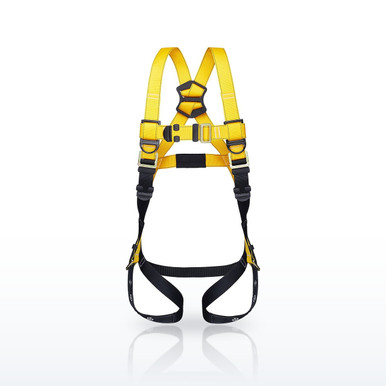
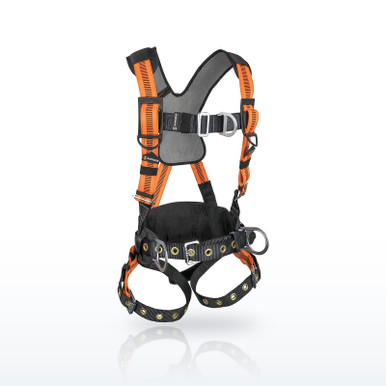
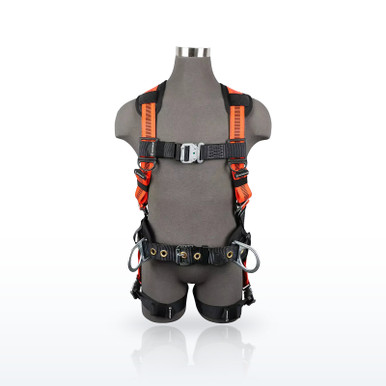
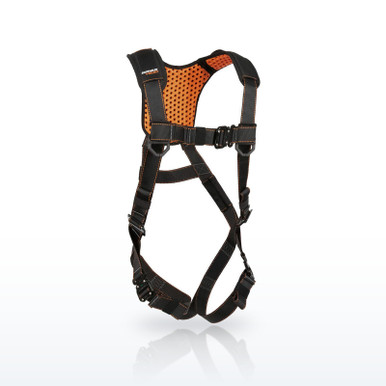
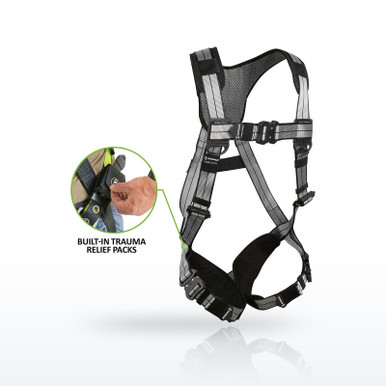
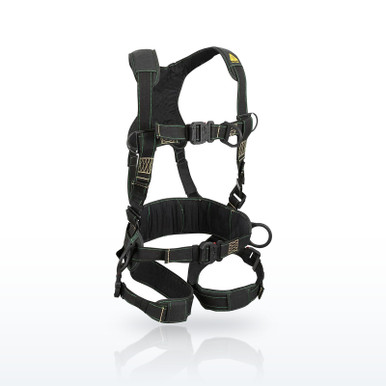
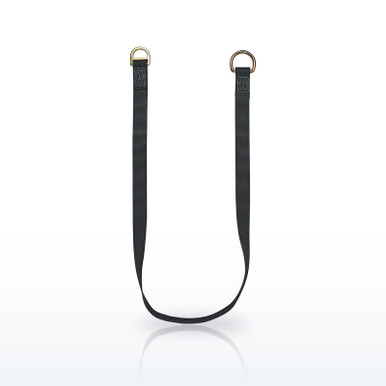
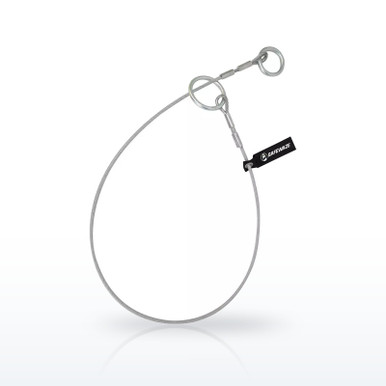
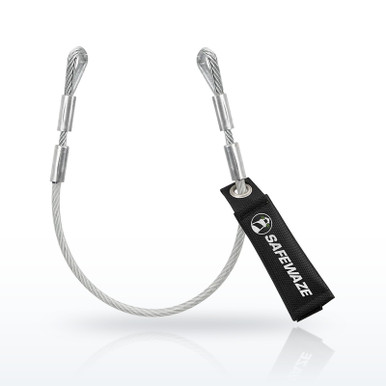
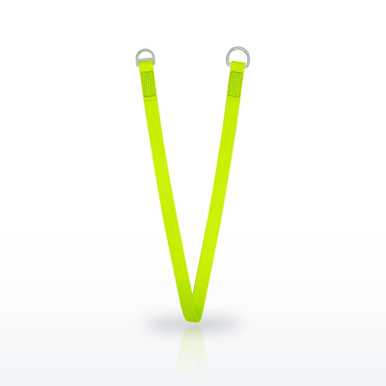
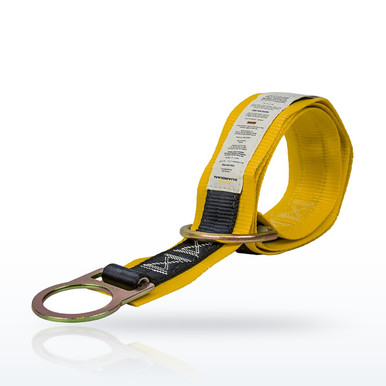
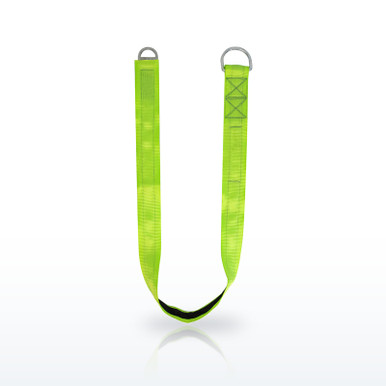
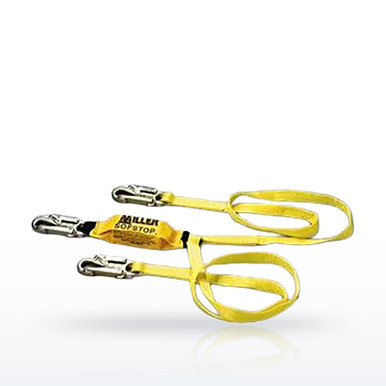
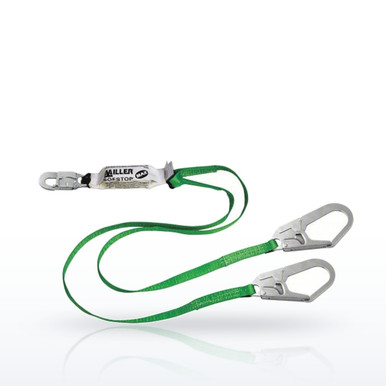
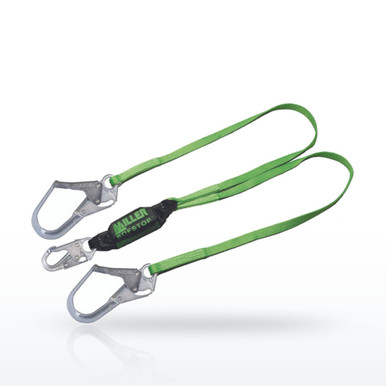
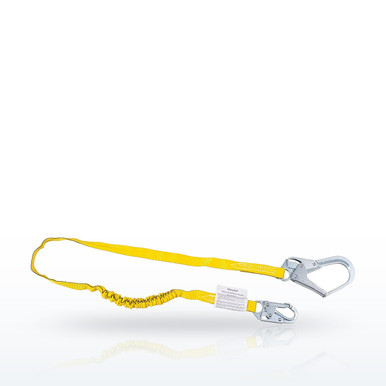
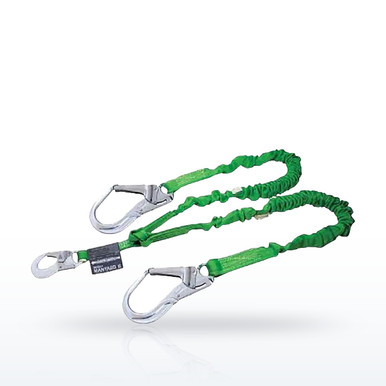
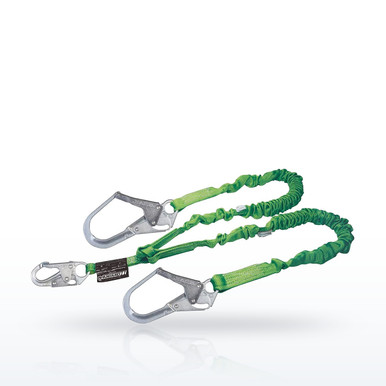
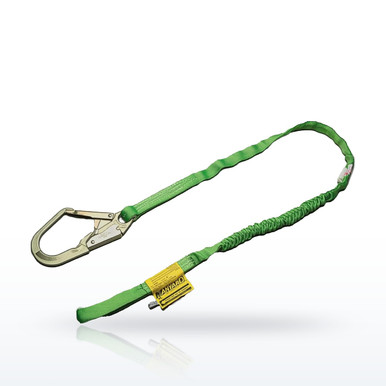
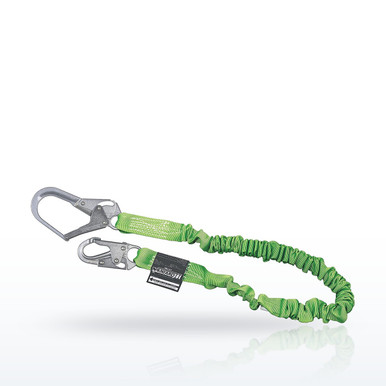
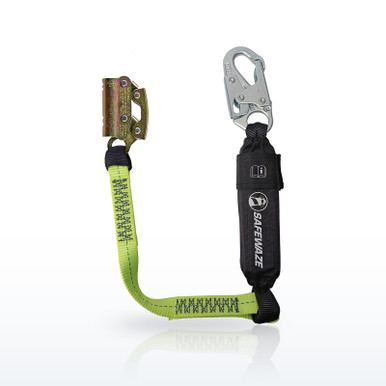
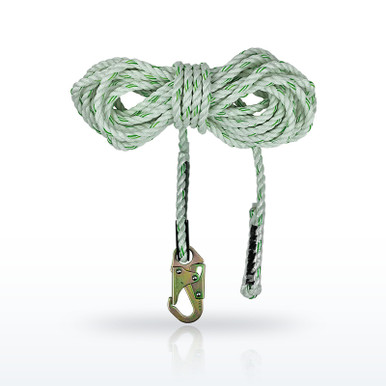
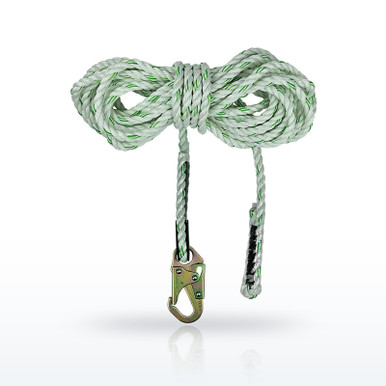
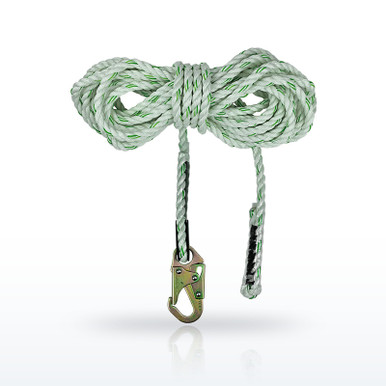
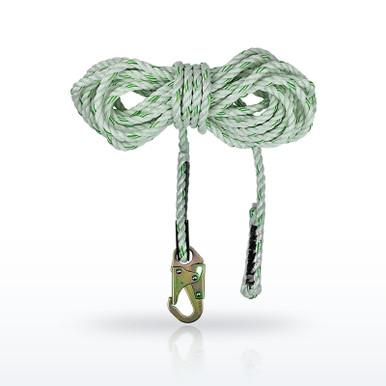
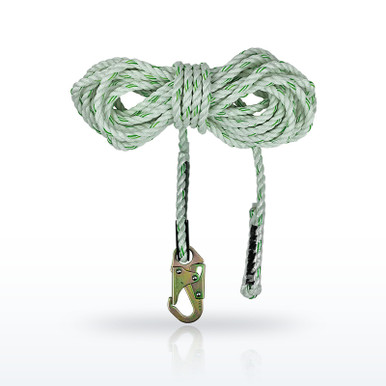
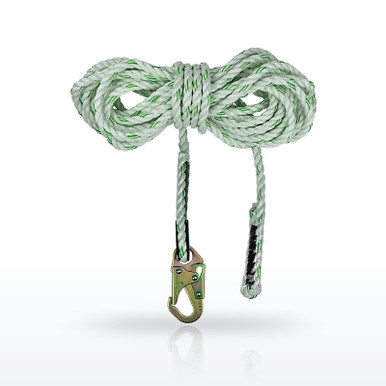
Guardrail systems for scaffolds are supplied by the scaffold manufacturer; self-retracting lifelines and horizontal lifeline kits are in the fall protection finder.
Questions people ask
At what height is fall protection required on a scaffold?
More than 10 feet above a lower level (1926.451(g)(1)). The 6-foot rule in Subpart M does not apply on scaffolds.
Do I need a harness on a frame scaffold with guardrails?
No. On a supported scaffold not named in the specific rules, a guardrail system meeting (g)(4) or a personal fall arrest system is required, not both (1926.451(g)(1)(vii)).
Do I need a harness on a swing stage?
Yes, and a guardrail. Single-point and two-point adjustable suspension scaffolds require both (1926.451(g)(1)(ii)).
Can I tie off to the scaffold?
To a structural member, yes, if it will take the load; to a guardrail, never. On a suspended scaffold, tying to a structural member or horizontal lifeline requires independent support lines with automatic locking devices (1926.451(g)(3) and (g)(3)(iii); 1926.502(d)(23)).
Can I tie my vertical lifeline to the scaffold?
No. A vertical lifeline must be fastened to a fixed safe point of anchorage independent of the scaffold, and not to standpipes, vents, piping, conduit, outrigger beams or counterweights (1926.451(g)(3)(i)).
Do scaffold erectors have to tie off?
When a competent person determines it is feasible and does not create a greater hazard (1926.451(g)(2)).
How high does a scaffold guardrail have to be?
Toprail 38 to 45 inches above the platform on supported scaffolds placed in service after January 1, 2000; 36 to 45 inches on older supported scaffolds and on suspended scaffolds that also require fall arrest (1926.451(g)(4)(ii)).
Does a scissor lift need a harness?
OSHA treats it as a mobile scaffold: guardrail or fall arrest. With a complete guardrail no tie-off is required by OSHA; the lift manufacturer’s manual may require it.
Standards and ratings on this page are as published in the documents named and by the manufacturers named. The employer’s hazard assessment and written program decide what applies at a given workplace. Verify a rating on the product and its spec sheet before use.