
Full-brim vs cap-style hard hats
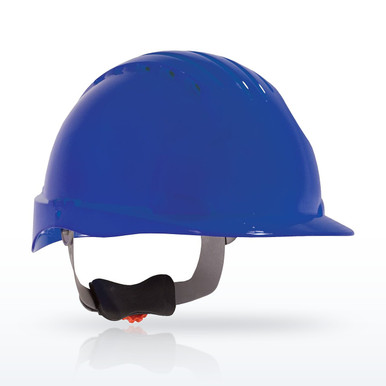
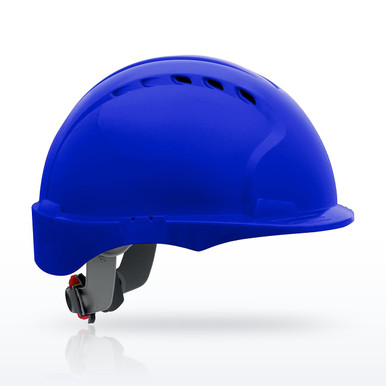
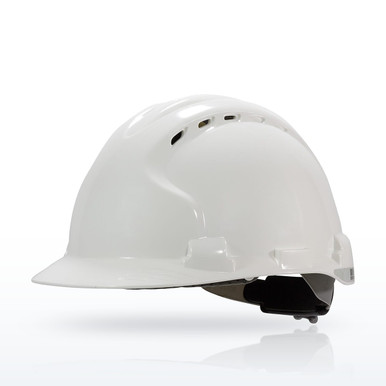
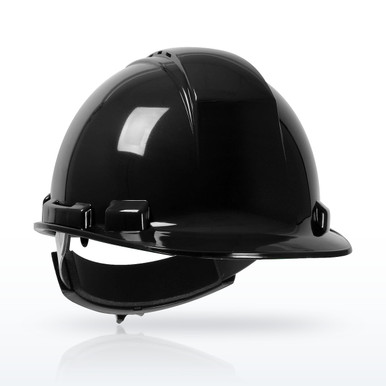
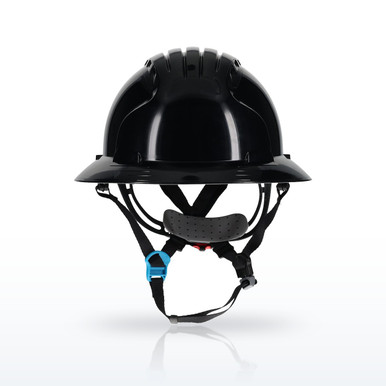
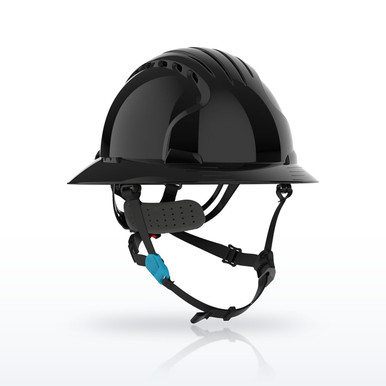
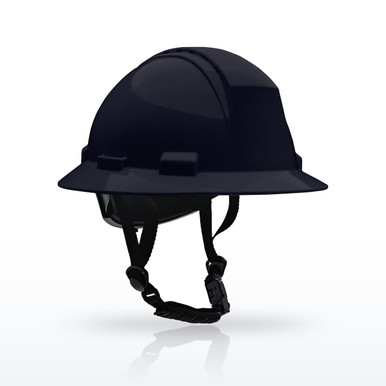
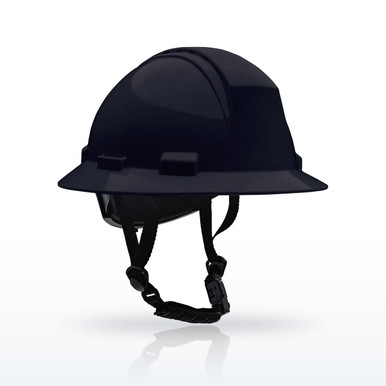
The brim is the only difference. A cap-style hard hat has a short bill at the front, like a ball cap; a full-brim hat has a brim all the way around. Both are tested to the same ANSI Z89.1 requirements for their Type and Class, so a full-brim Type I Class E and a cap-style Type I Class E give the same protection from a falling object and the same electrical rating. The full brim shades the ears and neck, sheds rain and drips off the back instead of down the collar, and is the choice for outdoor crews in sun and for anyone working under dripping pipe. The cap style is lighter, gives better upward vision, fits more face shields and muffs, and is what welders, electricians and most indoor trades wear.
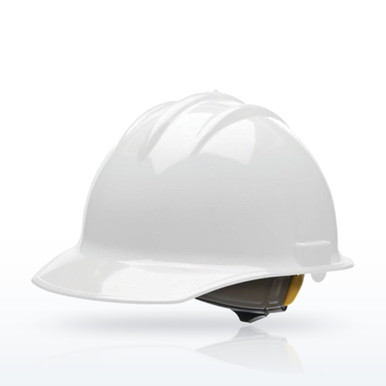
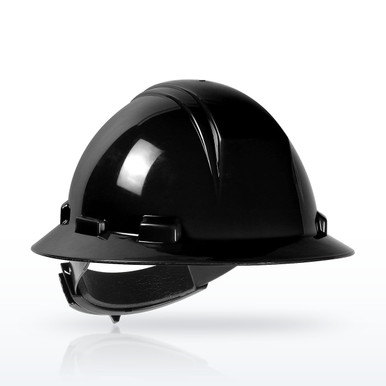
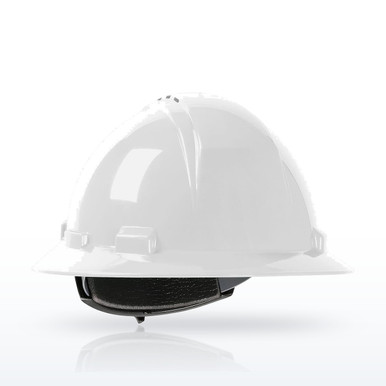
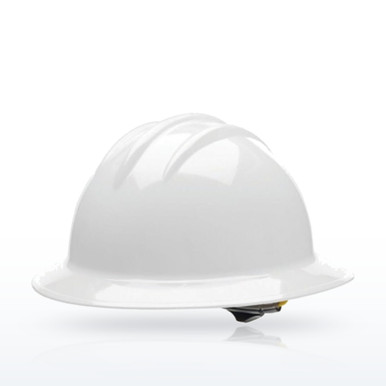 Bullard 33WHR C33 Classic Full Brim Hard Hat, 6-Point Ratchet Suspension, WhiteFull-brim Type I, Class E
Why does the standard not care about the brim? Z89.1 tests what happens to the head: force through the crown, penetration at the apex, and for Type II the sides, front and back. The brim is outside the test area. It is there for the weather and the work, which is why makers mold the same shell in both shapes and certify both. The brim question is a comfort, climate and accessory question, and it is worth getting right because a crew that hates its hats takes them off.
Full brim or cap style: how do you choose?
What each one does better. Every line is design, not rating.
Is a full-brim hard hat safer than a cap style?
Not under the standard. Two hats of the same model and rating protect the same whether the brim goes all the way around or not. The arguments people make for the full brim, that it keeps debris and sparks off the neck and shoulders and keeps the sun off, are real but they are not what Z89.1 measures and no maker claims a higher rating for the brim. Pick the brim for the climate and the job; pick the Type and Class for the hazard. Both brim styles are made in Type I and Type II and in every class.
ANSI/ISEA Z89.1-2014 Type and Class definitions as published by ISEA; 3M head protection reference; manufacturer spec sheets for the full-brim and cap-style pairs listed below (PIP Kilimanjaro and Whistler, JSP Evolution, Fibre-Metal E1 and E2, MSA V-Gard).Which trades wear which?
- Full brim: highway and paving crews, roofers, pipeline and utility field crews, oil and gas, surveyors, anyone working outdoors in sun or rain most of the day.
- Cap style: electricians, ironworkers, welders (for the hood), carpenters and framers, mechanical and plumbing trades, warehouse and plant work, and anyone wearing a cap-mounted face shield or muffs all day.
- Either: general construction. Many sites let the worker choose the brim as long as the Type and Class match the site rule, and many makers sell the same model both ways in the same colors.
- Neither: work at height with fall hazards and confined mechanical spaces are moving to brimless Type II safety helmets with chin straps, which are a different shape again.
Does the brim change anything about fit or wear?
The suspension, the adjustment and the reverse-wear rules are the same. One difference: a full-brim hat is rarely marked for reverse donning, because turned around it is the same hat, and a cap-style hat is the one welders and surveyors turn around when it carries the arrow. Another: most cap-style hats come in a vented version (Class C) and a non-vented version (Class E); full-brim vented models exist but fewer of them. And on a windy deck, a full brim without a chin strap goes first.
Manufacturer product data for the hats listed below (vented and non-vented versions; reverse-donning marks on the product page); 3M user instructions (reverse donning only on hats marked with the arrow).Full-brim and cap-style hard hats by rating
30 items · prices liveBrim style, Type and Class are as published by the manufacturer for each model. Many models are sold in both brims; the product page lists the other version. Contractor Direct orders ship free.
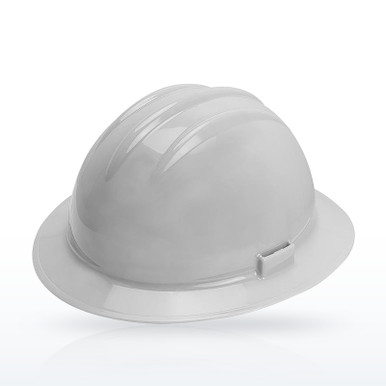
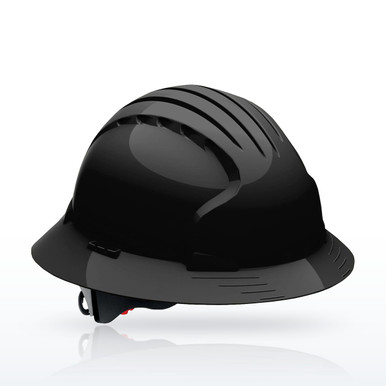
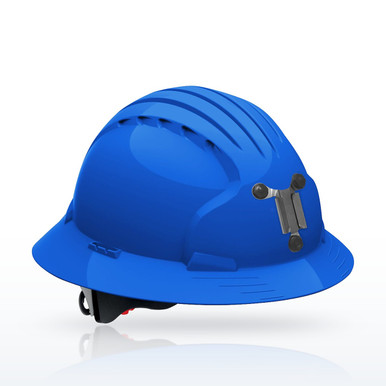
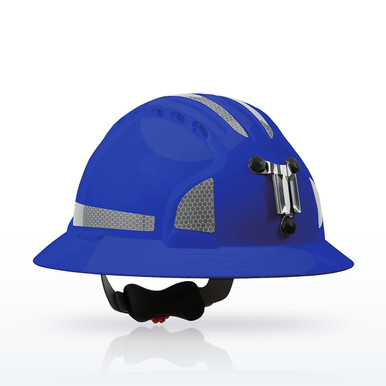
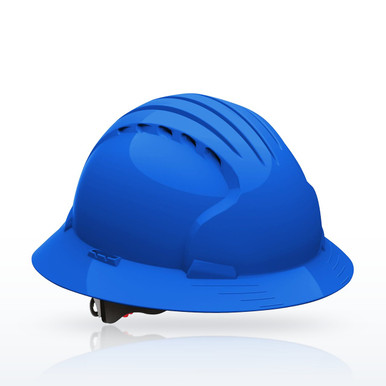
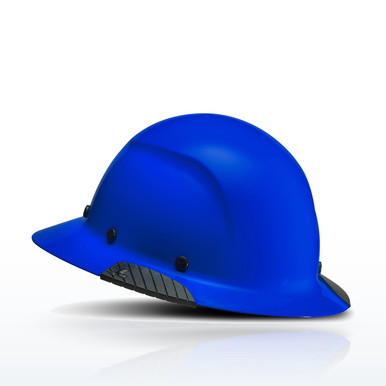
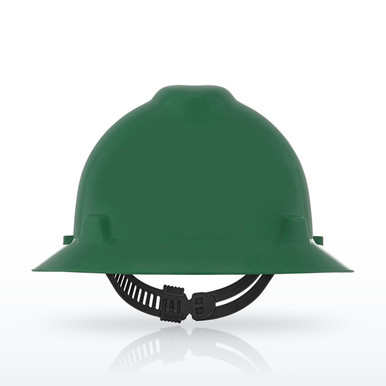
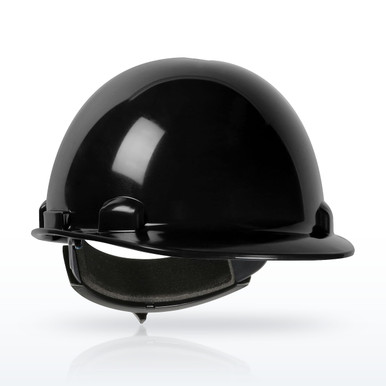
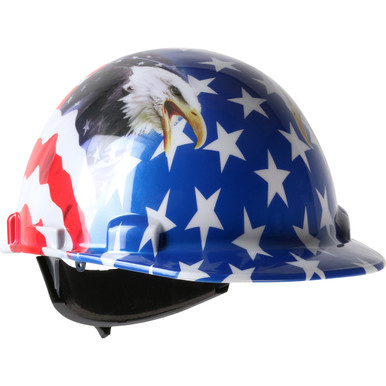
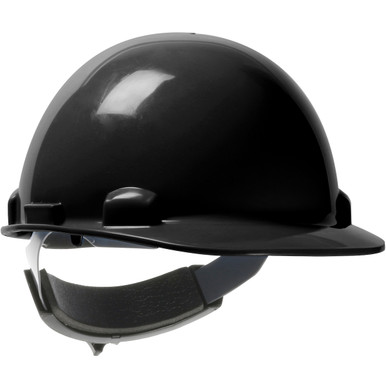
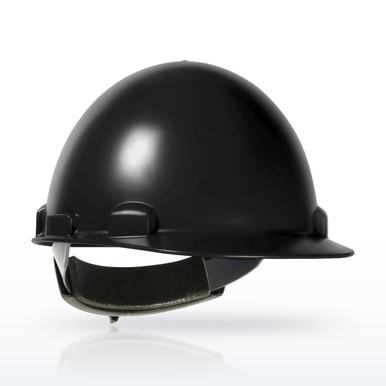
Every hat we carry, filtered by brim, Type, Class, vent and suspension, is on the hard hat finder.
Questions people ask
Is a full-brim hard hat better than a cap style?
Not under Z89.1. Same model, same rating, same protection. The full brim is better in sun and rain; the cap style is lighter, sees up better and fits more accessories.
Why do some trades wear full-brim hard hats?
Outdoor crews in sun and rain: paving, roofing, pipeline, utilities, surveying. The brim shades the neck and sheds water.
Why do electricians wear cap-style hard hats?
Upward vision for overhead work, a tighter shape in panels and ceilings, and cap-mount accessories. The Class E rating they need comes in both brims.
Can you wear a full-brim hard hat backwards?
Only if it carries the reverse-donning arrow, and few full-brim hats do. Cap-style hats are the ones usually marked for it.
Do full-brim hard hats come in Type II?
Yes. Several makers sell full-brim Type II hats and helmets; the band above lists the ones we carry.
Does a full brim fit a face shield?
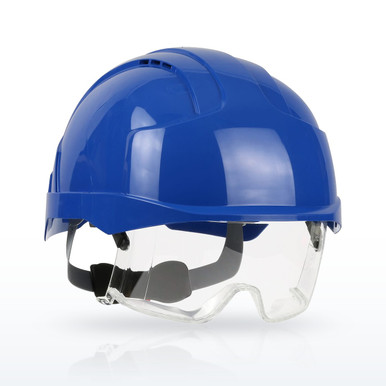
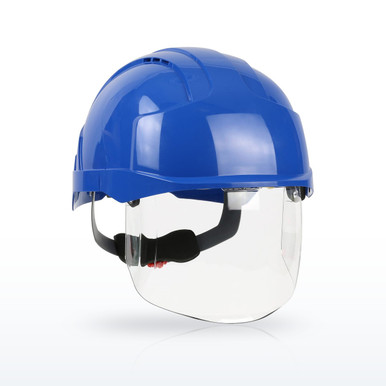
Most cap-mount shields and hoods fit both brims, but some do not clear a rear brim. Check the maker’s fit list for the hat and the shield.
Do full-brim hard hats come vented?
Some do. Vented hats of either brim are Class C, with no electrical rating.
Standards and ratings on this page are as published in the documents named and by the manufacturers named. The employer’s hazard assessment and written program decide what applies at a given workplace. Verify a rating on the product and its spec sheet before use.