
What are hard hats made of? HDPE, polycarbonate, fiberglass and ABS
Most hard hats are high-density polyethylene (HDPE): light, cheap, non-conductive, and good enough for the Z89.1 impact test and the Class E proof test, but it softens in heat and ages in sun. Polycarbonate and ABS are stiffer plastics that hold up better to heat and ultraviolet, which is why polycarbonate shows up on foundry and welding hats and ABS on climbing-style Type II helmets. Fiberglass and phenolic resin shells are the high-heat choice, rated by their makers for radiant heat well above what any thermoplastic takes, and they are what you see on furnace floors and in refineries. Carbon fiber is light and stiff but can conduct electricity, so some carbon-fiber hats are Class C. The material never changes what the hat is rated for; the label does.
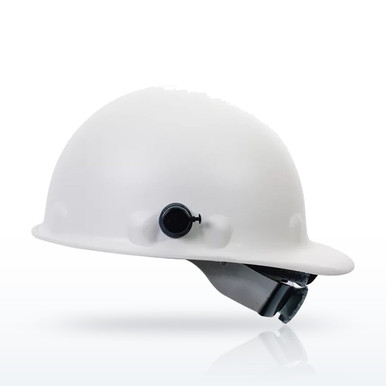
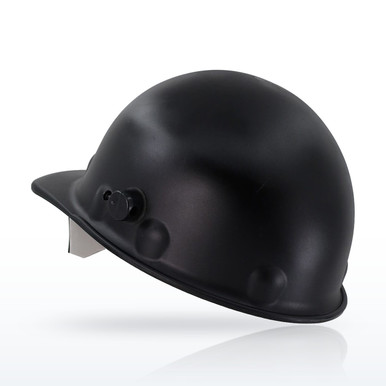 Fibre-Metal Roughneck P2 P2AQRW Type I, Non-VentedFiberglass composite shell, the high-heat choice
Why does the shell material matter if every hat passes the same test? Because the test is run on a new hat at room temperature, hot-conditioned at about 120°F, cold and wet, and a site is none of those for long. A shell that passes on the day it is molded has to keep passing after two summers on a dashboard, a winter at 10 degrees, a season beside a furnace, or a year of diesel and solvent. The materials differ in exactly those things: how fast sun makes them brittle, where they soften, what chemicals attack them, and whether they conduct. That is why makers build the same Type I Class E hat in three or four shells and sell each for a different environment.
What is each material good for?
The four shells on the market, and carbon fiber. Properties are as published by the manufacturers of the hats listed below.
Does the material change the Type or Class?
Not by itself. Type and Class are earned on the test bench for a specific model and marked on the label. HDPE, polycarbonate, ABS and fiberglass shells are all made in Type I Class E, and several in Type II. Where material shows up is in the exceptions: a vented shell of any material is Class C because the holes defeat the electrical test, and a conductive shell, carbon fiber being the usual case, is Class C even when solid. Phenolic and fiberglass high-heat hats are often certified Class G rather than Class E; MSA’s Skullgard and Thermalgard are Class G, and Fibre-Metal’s Roughneck comes in both classes. The label settles it every time.
ANSI/ISEA Z89.1-2014 Type and Class definitions as published by ISEA and JSP; MSA catalog (Skullgard and Thermalgard Class G; V-Gard and TopGard Class E); PIP Wolfjaw spec data (carbon fiber Class C; fiberglass Class G).Which material for heat?
Z89.1 conditions every hat at about 120°F before the impact test, and since 2014 offers an optional higher-temperature conditioning at 140°F that earns an HT mark. That is all the standard says about heat; it does not rate shells for radiant heat or flame. The radiant figures makers publish, such as MSA’s 275°F for polycarbonate and 350°F for phenolic, come from their own tests and are not part of the certification. Read them as a ranking: HDPE for ordinary sites, polycarbonate or an HT-marked thermoplastic for welding bays and summer roof work, fiberglass or phenolic beside furnaces, kilns, ladles and in refinery hot zones. None of them is flame protection; a hard hat is not a fire helmet.
MSA summary of Z89.1-2014 (standard hot conditioning 48.8°C; HT preconditioning 60°C, section 7.3.3; the standard does not address radiant heat); MSA catalog (radiant heat figures are MSA tests, not part of certification).Which material lasts longest in the sun?
- HDPE ages fastest. Ultraviolet breaks the polymer down; the shell chalks, fades and goes brittle. Makers say to store it out of sun and off dashboards and rear decks, and most set about 5 years as the outside service life.
- Polycarbonate and ABS resist UV better and keep their stiffness longer. Some makers allow a longer service life on these shells; the instruction for the model governs.
- Fiberglass and phenolic do not chalk the way HDPE does and tend to outlast the thermoplastics; MSA notes that Skullgard’s life tends to exceed the suggested service life because of the rigidity of its materials. Inspect for cracks and fiber bloom instead.
- All of them: replace after any impact, and inspect the shell daily for cracks, gouges, chalking and brittleness. The squeeze test (press the sides in and release; it should flex back quietly) catches a tired HDPE shell.
- Paint, solvents and adhesives attack HDPE and polycarbonate; makers prohibit them on most hats. MSA notes its Skullgard and Thermalgard are inert enough to take qualified paints, which is the exception that proves the rule.
Why do Type II helmets use ABS?
A Type II helmet has to pass side, front and rear impact tests, and it does that with a crushable foam liner (EPS or EPP) or an engineered core inside a thin, stiff shell. The shell’s job changes: it has to hold the liner, spread a side blow into it and not flex so far that the liner is bypassed. ABS and ABS-polycarbonate blends are stiffer than HDPE at the same weight, so most climbing-style Type II helmets use them; HDPE Type II helmets exist too, with a thicker shell. The maker’s spec sheet names the shell and the liner.
JSP EVO Ascend brochure (ABS shell with EPP liner; HDPE shell with EPP liner on the 6252 and 6262); PIP Traverse and Rocky spec data (ABS and ABS/polycarbonate shells); JSP MK8 Evolution spec data (HDPE shell, EPS liner).Hard hats and helmets by shell material
35 items · prices liveShell material is as published by the manufacturer for each model. Type and Class are on each product page; heat ratings, where a maker publishes one, are on its spec sheet. Free shipping on orders over $199.
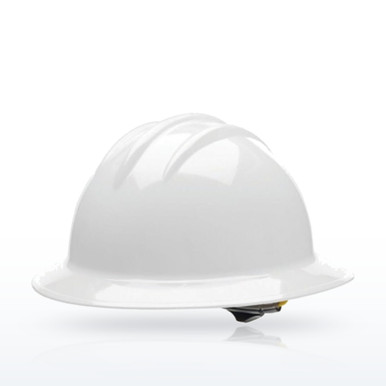
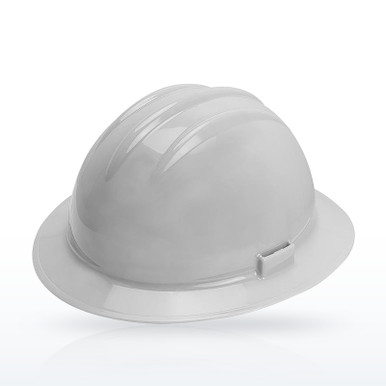
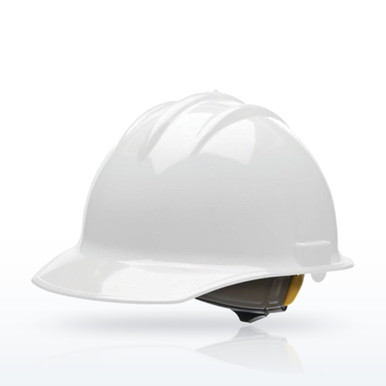
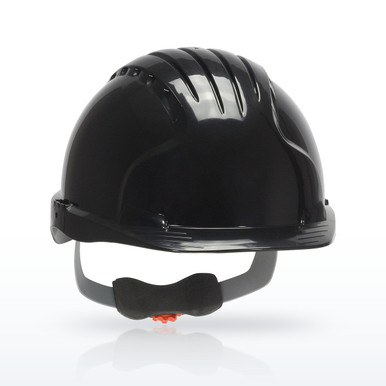
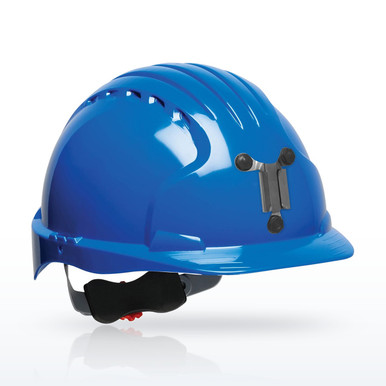
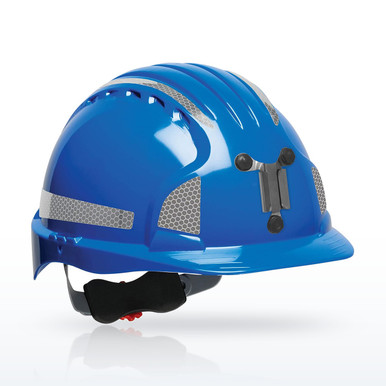
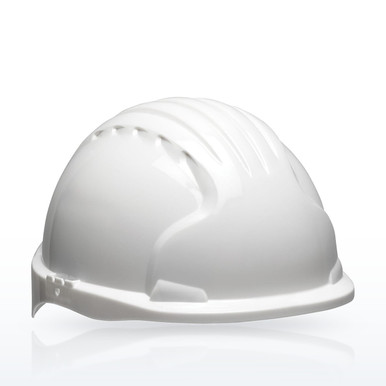
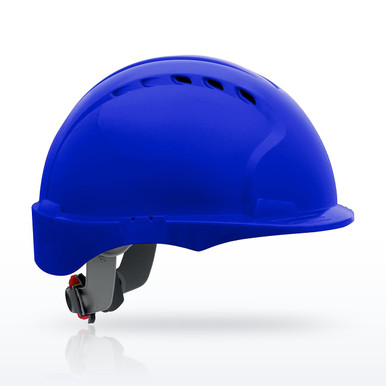
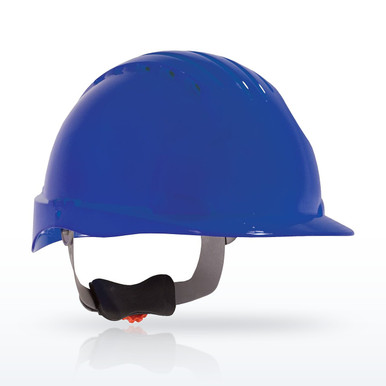
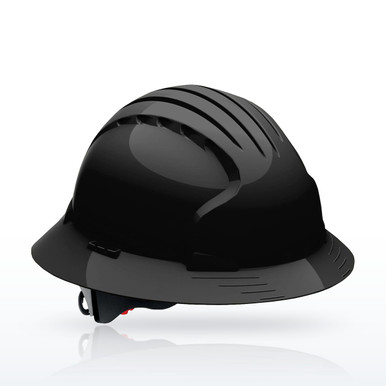
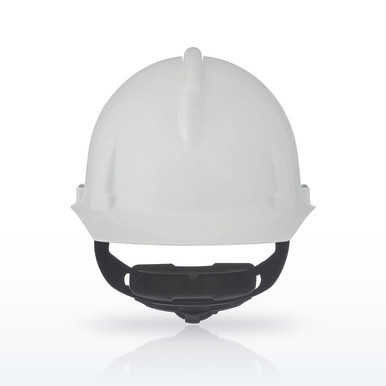
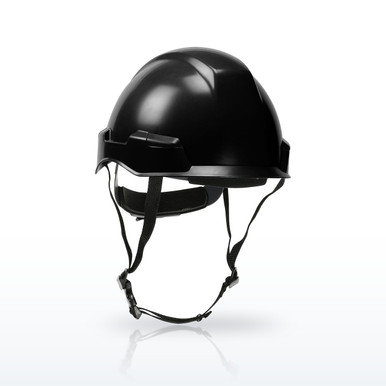
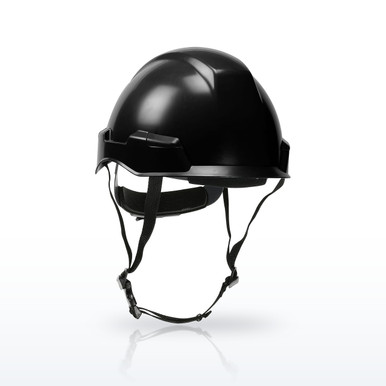
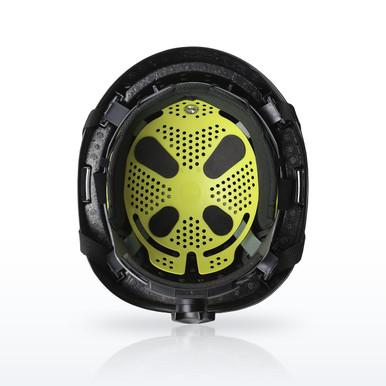
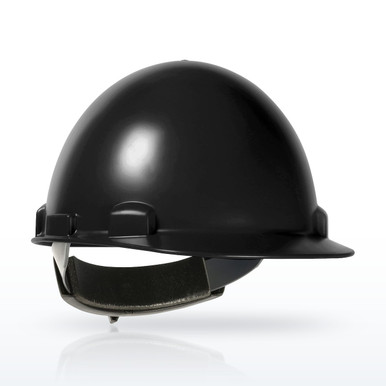
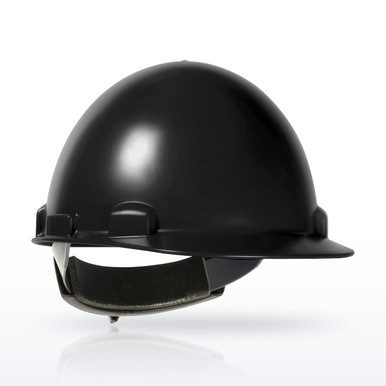
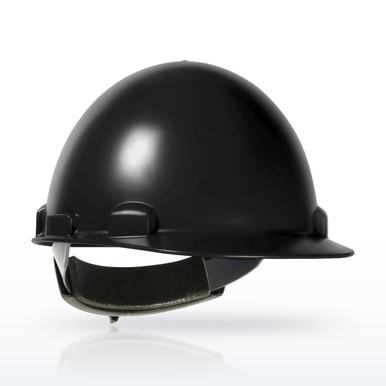
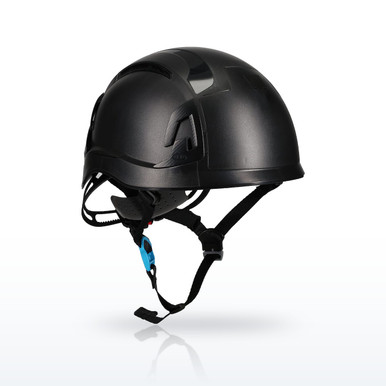
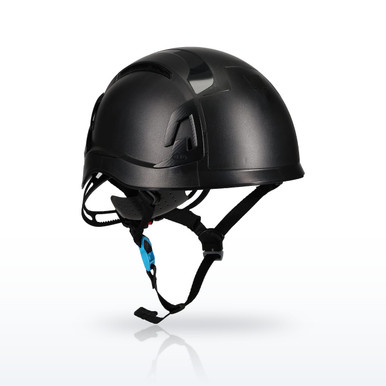
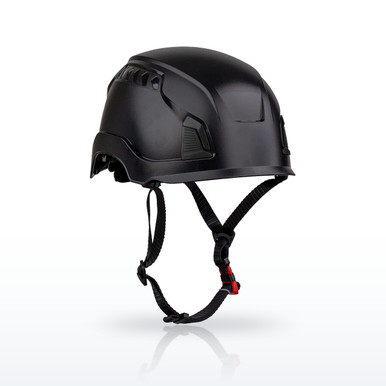
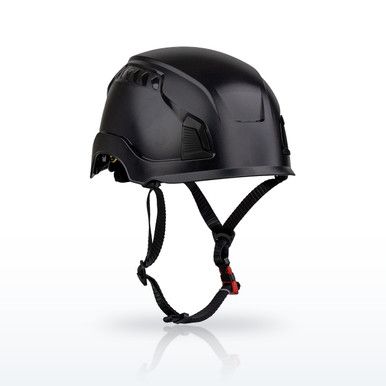
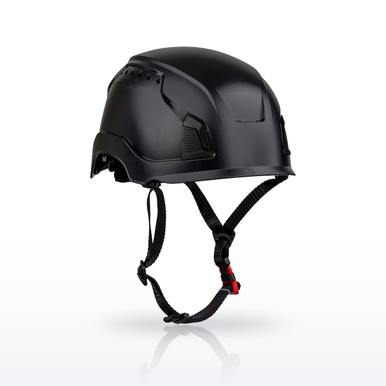
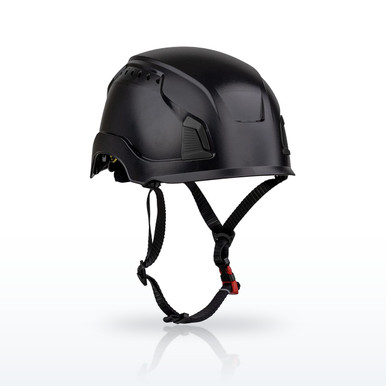
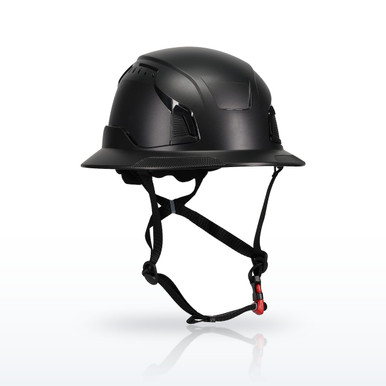
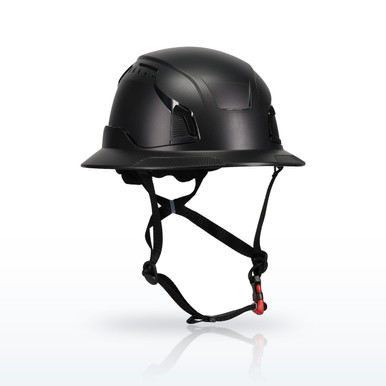
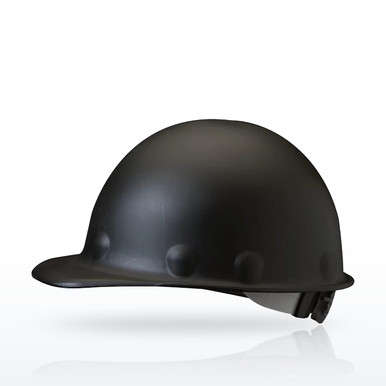
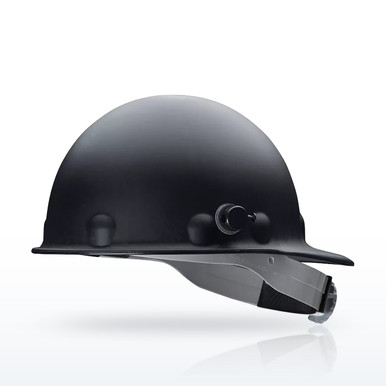
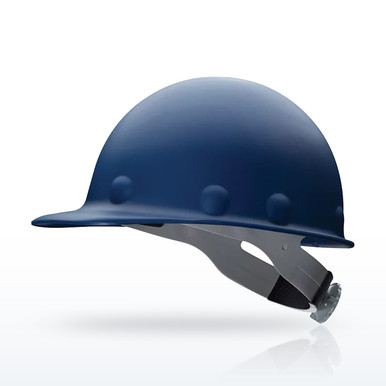
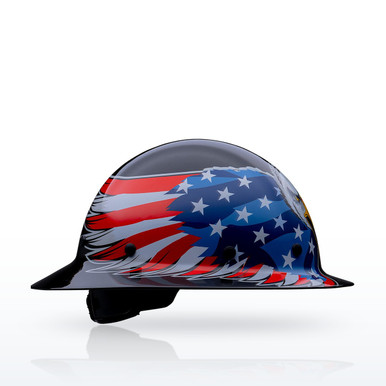
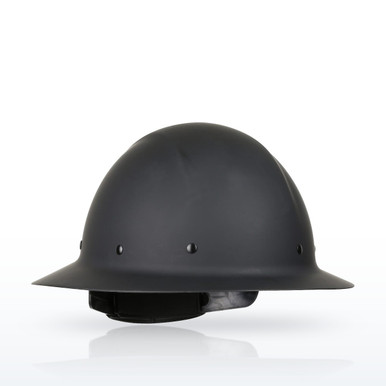
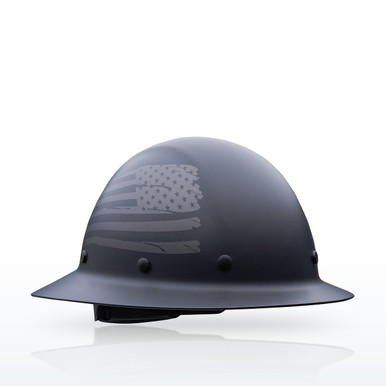
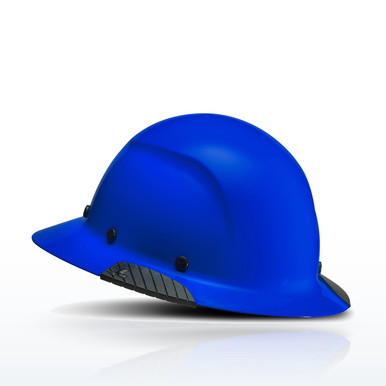
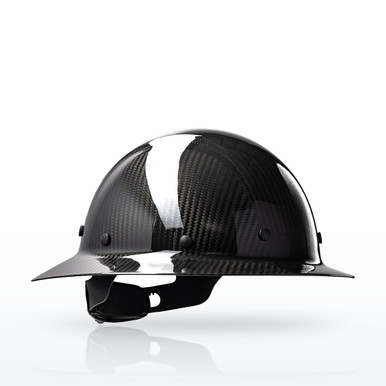
Every hat we carry, filtered by material, Type, Class and brim, is on the hard hat finder.
Questions people ask
What material are most hard hats made of?
High-density polyethylene (HDPE). It is light, non-conductive and inexpensive, and it passes the Z89.1 tests, but it ages in sun and heat and makers set about a 5-year shell life.
Which hard hat material takes the most heat?
Fiberglass and phenolic resin shells carry the highest published radiant-heat figures (MSA: 350°F for Skullgard), then polycarbonate (275°F for TopGard), then HDPE. These are manufacturer tests, not Z89.1 ratings.
Are fiberglass hard hats Class E?
Some are. MSA’s phenolic Skullgard is Class G; Honeywell Fibre-Metal’s fiberglass Roughneck line is sold in both Class E and Class G models. Check the label.
Are carbon fiber hard hats safe around electricity?
Often not. Carbon fiber conducts, and a true carbon-fiber shell is usually Class C. Many carbon-fiber-look hats are HDPE with a printed wrap and keep their Class E; the label and spec sheet say which.
What are Type II safety helmets made of?
Usually an ABS or ABS/polycarbonate shell over an EPS or EPP foam liner. Some use HDPE with a thicker shell. The liner is what passes the side-impact tests.
Does a polycarbonate hard hat last longer than HDPE?
It resists UV and heat better, and some makers allow a longer service life for it. Follow the instruction for the model and replace after any impact.
Can you paint a hard hat?
Not most of them. Paint and solvents attack HDPE and polycarbonate and the makers prohibit them. MSA allows qualified paints on its phenolic Skullgard and Thermalgard; otherwise, no.
Standards and ratings on this page are as published in the documents named and by the manufacturers named. The employer’s hazard assessment and written program decide what applies at a given workplace. Verify a rating on the product and its spec sheet before use.