
How to wear a hard hat correctly, and can you wear it backwards?
A hard hat works only when it sits the way it was tested: level on the head, brim forward, suspension snug enough that the hat stays put when you nod or bend over, and the crown empty so the straps have room to stretch under a blow. Nothing bulky goes under it; a thin skull cap or liner made for hard hats is fine, a ball cap or hood is not. Most hard hats fit hat sizes 6½ to 8, about 20⅜ to 25⅛ inches around the head, so you size them with the ratchet or pin-lock, not by buying a size. You can wear a hard hat backwards only if the shell carries the reverse-donning arrow, which means the maker tested it that way, and then the suspension is turned around so the headband still sits forehead-first.
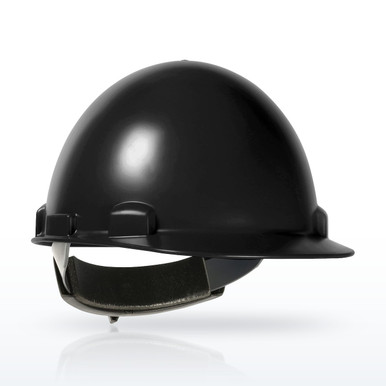
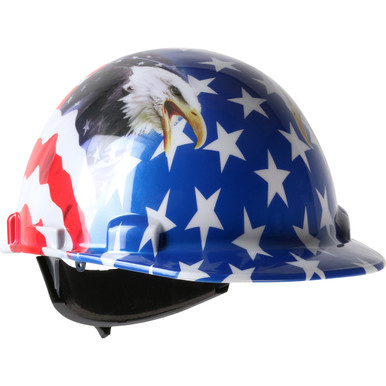 PIP Dom 280-HP341R-USA Cap Style Smooth Dome Hard Hat, HDPE ShellWheel-ratchet suspension, sizes 6½ to 8
Why does it matter how a hard hat sits? The Z89.1 impact test is run with the helmet seated on a headform the way the maker says to wear it. The suspension holds the shell about a finger’s width off the skull; when an 8-pound mass hits the crown, the straps stretch into that gap and most of the energy goes there instead of into the head. Tilt the hat back, wear it over a ball cap, stuff gloves in the crown, or leave the ratchet loose so the shell sits on one side of the head, and the gap is gone or the hat is gone before the blow lands. The hat still looks like PPE. It is not performing as any.
How should a hard hat fit?
The checks, in the order you do them.
Hard hat size chart
| Hat size | Head circumference | Centimeters |
|---|---|---|
| 6½ | 20⅜ in | 52 cm |
| 6⅝ | 20⅞ in | 53 cm |
| 6¾ | 21¼ in | 54 cm |
| 6⅞ | 21⅝ in | 55 cm |
| 7 | 22 in | 56 cm |
| 7⅛ | 22⅜ in | 57 cm |
| 7¼ | 22¾ in | 58 cm |
| 7⅜ | 23⅛ in | 59 cm |
| 7½ | 23½ in | 60 cm |
| 7⅝ | 24 in | 61 cm |
| 7¾ | 24⅜ in | 62 cm |
| 7⅞ | 24¾ in | 63 cm |
| 8 | 25⅛ in | 64 cm |
To measure: a cloth tape around the head about 1 inch above the eyebrows and over the widest part of the back of the head, level, snug but not tight. Hat size is that circumference in inches divided by 3.14 (so 22 inches is a size 7). Nearly every hard hat suspension adjusts across the whole range shown, 6½ to 8; a few makers sell a small or an extra-large shell for heads outside it.
Manufacturer suspension size ranges (Klein, Honeywell Fibre-Metal and PIP suspensions: hat sizes 6½ to 8, 52 to 64 cm); conversion is the standard hat-size arithmetic.
How do you adjust a hard hat suspension?
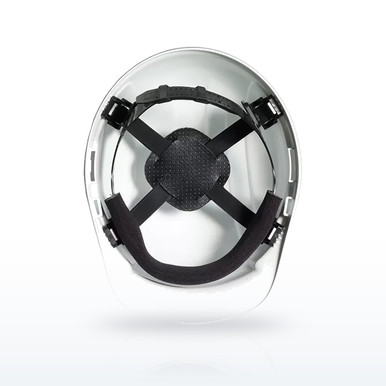
- Ratchet (wheel at the back). Open it to the largest size by turning the knob counterclockwise, put the hat on level, then turn clockwise until the headband is snug. Do not overtighten; the test is that the hat stays on when you nod and bend, not that it squeezes.
- Pin-lock (strap with holes). Take the hat off. Pull the strap out of the buckle, slide it to the hole that matches your size, and press every pin into its hole. Put it on; if it slips, move one hole tighter.
- Swing ratchet. Same as a ratchet, but the whole adjuster pivots so the nape strap sits lower on the back of the head. Set it where it holds without lifting the front.
- Height keys. Unlock the key a quarter turn, move it to the higher or lower slot, lock it. Both sides must match. Higher moves the shell up and away from the head; lower brings it down. Choose the setting where the shell clears the top of your head and the brim sits level.
- Check. Nod hard, look straight down, shake your head side to side. The hat should stay level and not shift. Then pull up on each strap to be sure the keys are seated.
Can you wear a hard hat backwards?
Only if the hat was tested backwards and says so. OSHA’s position, stated in 1992 and repeated in 2002, is that hard hats are certified for wear with the bill forward and a hat worn bill-to-the-rear is not reliable protection under 1926.100 unless the manufacturer certifies that it is. The 2002 letter adds that a maker may certify backward wear when the suspension is turned or reversed. The 2009 edition of Z89.1 then wrote a reverse-wear test into the standard: a hat that passes with the suspension reversed may carry the reverse-donning arrow symbol, usually molded under the brim. A hat with the arrow can be worn backwards; a hat without it cannot, whatever the trade or the weather.
OSHA letters of interpretation, July 22, 1992 and April 17, 2002 (29 CFR 1926.100(a) and (b)); ANSI/ISEA Z89.1-2009 reverse-wear test as announced by ISEA; 3M user instructions (only hats marked with the reverse donning arrow may be worn backward).Backwards means the suspension too. The headband and brow pad are turned 180 degrees in the shell, so the sweatband still sits on the forehead and the ratchet sits at the front under the short brim; the shell alone is reversed. Welders do this to get the hood up close and ironworkers and surveyors do it to look up or through an instrument. On a hat with no arrow the answer is a different hat: short-brim and brimless helmets are made for exactly those jobs.
3M H-700/H-800 series user instructions (reverse donning: brow pad toward the back of the shell); OSHA letter of April 17, 2002 (liner turned or reversed).What does the arrow symbol on a hard hat mean?
Two curved arrows chasing each other in a circle, molded into the brim or printed inside the shell: the Z89.1 reverse-donning mark. It means the hat met every requirement of the standard worn forward and worn backward with the suspension reversed. It does not mean the hat may be worn with the suspension forward and the shell backward, and it says nothing about the Type or Class, which are marked separately. Other marks you may see beside it: LT for a hat that passed its tests after cold conditioning at -22°F, HT for hot conditioning at 140°F, and HV for a hat whose color meets the high-visibility requirements.
University of Kentucky OHS summary of Z89.1 markings (reverse donning arrow, LT -30°C, HV); PIP Ridgeline spec sheet (LT -22°F, HT 140°F, HV; reverse-donning symbol molded into the brim); MSA summary of Z89.1-2014 (HT preconditioning at 60°C).Hard hats by adjustment type
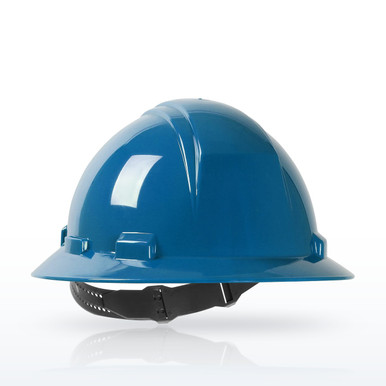
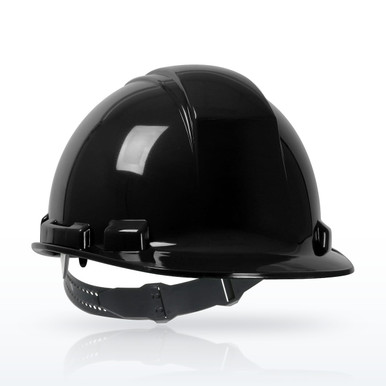
23 items · prices liveAdjuster type, suspension and ratings are as published by the manufacturer. Hats tested for reverse wear say so on the product page and carry the arrow on the shell; check before turning one around. Contractor Direct orders ship free.
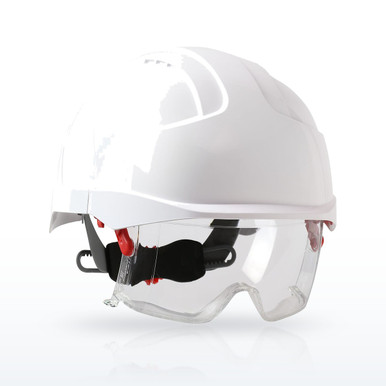
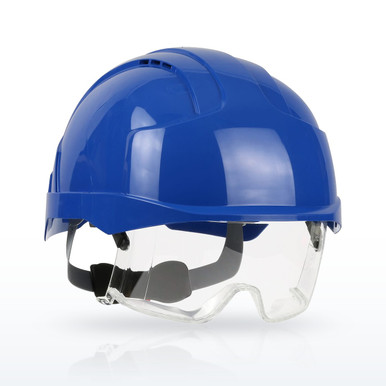
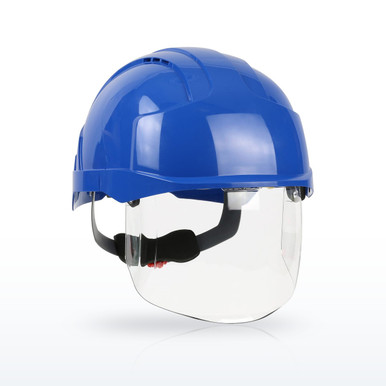
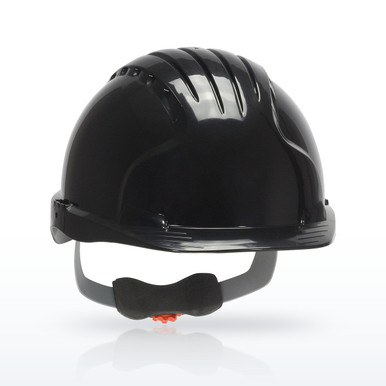
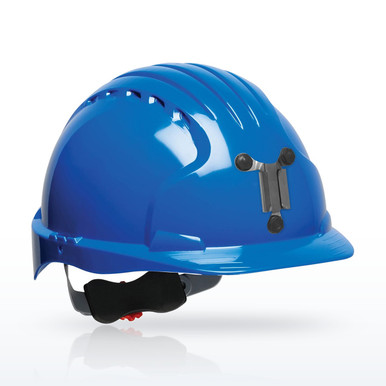
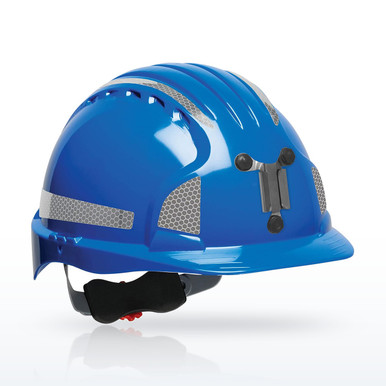
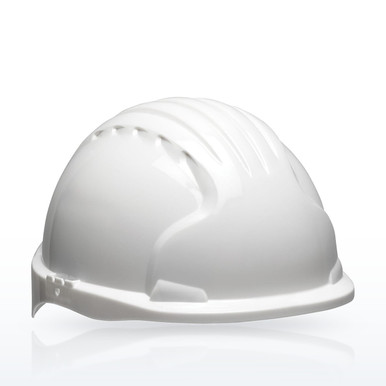
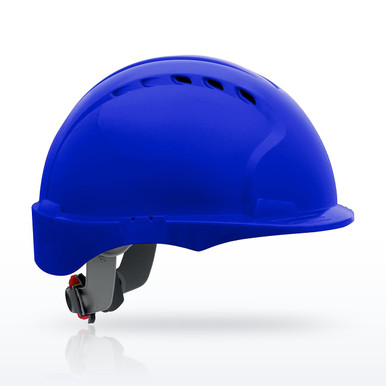
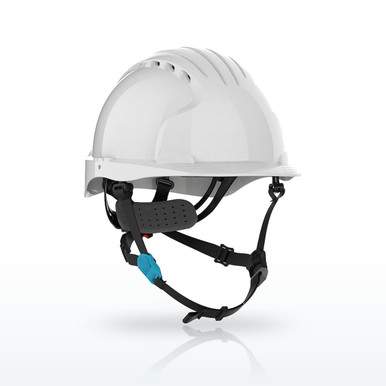
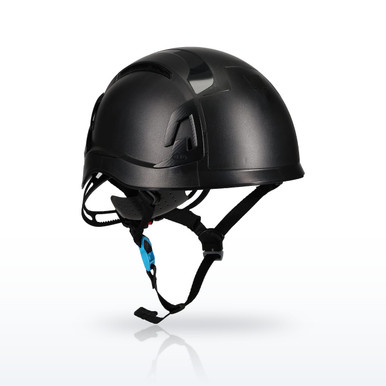
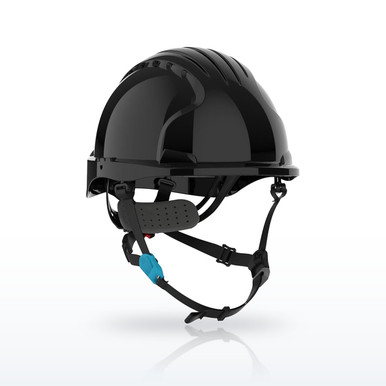
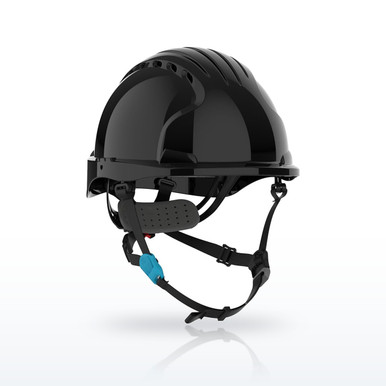
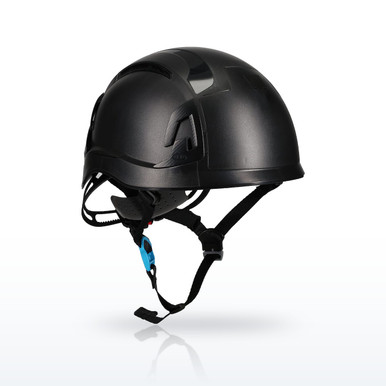
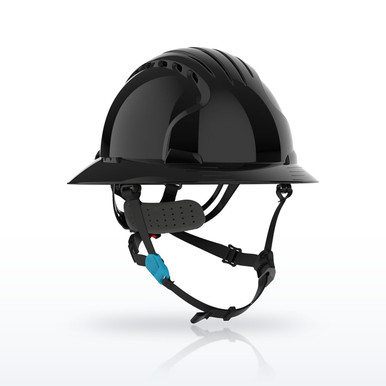
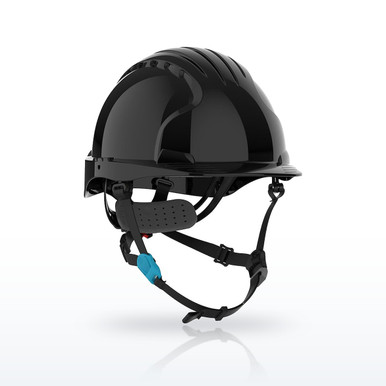
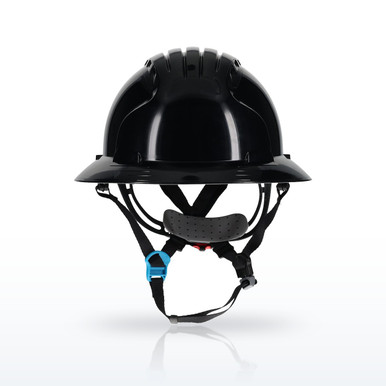
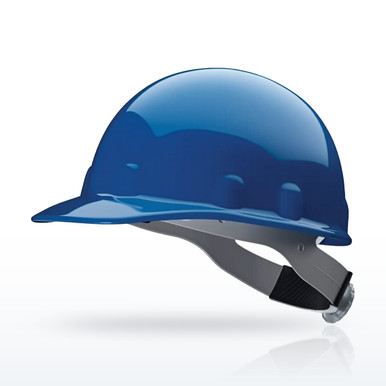
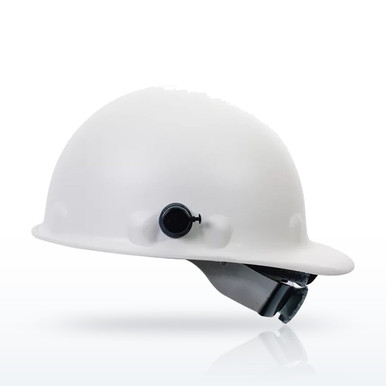
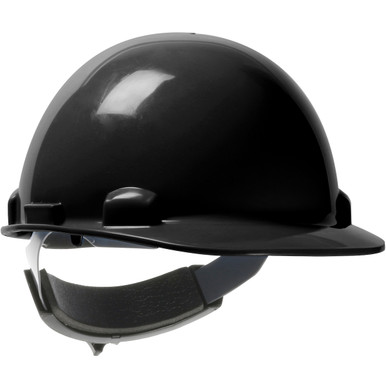
Every hat we carry, filtered by adjuster, suspension, Type and Class, is on the hard hat finder.
Questions people ask
Can you wear a hard hat backwards?
Only if the shell carries the reverse-donning arrow, and only with the suspension turned around so the headband is still forehead-first. OSHA has said since 1992 that a hat worn backward is not reliable protection unless the manufacturer certifies it.
What does the arrow on a hard hat mean?
The Z89.1 reverse-donning mark: the hat passed the standard worn forward and worn backward with the suspension reversed.
How do I know my hard hat size?
Measure around the head an inch above the eyebrows. Divide inches by 3.14 for the hat size; 22 inches is a size 7. Most hard hat suspensions adjust from 6½ to 8.
How tight should a hard hat be?
Snug enough to stay put when you nod, bend and shake your head; loose enough not to mark your forehead. Overtightening adds nothing.
Can you wear a hat under a hard hat?
Not a ball cap or a hood; they lift the suspension off the head and defeat the fit. A thin liner or winter liner made for hard hats, worn as the maker directs, is allowed.
Can you keep gloves in the top of your hard hat?
No. The space between the straps and the shell absorbs the impact; manufacturers prohibit storing anything there.
Does OSHA say anything about wearing a hard hat backwards?
Yes. Letters of July 22, 1992 and April 17, 2002 under 1926.100: backward wear is not compliant unless the manufacturer certifies the hat for it, which today means the reverse-donning arrow.
How do you adjust the height of a hard hat?
Unlock each key a quarter turn, move it to the higher or lower slot, and lock it, keeping both sides the same. Choose the setting where the shell clears the top of the head and the brim is level.
Standards and ratings on this page are as published in the documents named and by the manufacturers named. The employer’s hazard assessment and written program decide what applies at a given workplace. Verify a rating on the product and its spec sheet before use.