
Gas detector docking stations: what they do, what OSHA says about bump tests and calibration, and when a dock pays off
A docking station is a cradle that a gas detector sits in at the end of the shift. It bump tests the instrument with gas from a cylinder, calibrates it when due, charges it, and writes the result to a record with the instrument serial number, date and time. OSHA’s bulletin on direct-reading monitors recommends a bump test before each day’s use and calibration records kept for the life of the instrument. Done by hand, that is a few minutes per monitor per day plus a logbook entry; done by a dock, it is the time it takes to set the monitor down. The dock pays off when the fleet is large enough, or the records matter enough, that the hand method is being skipped.
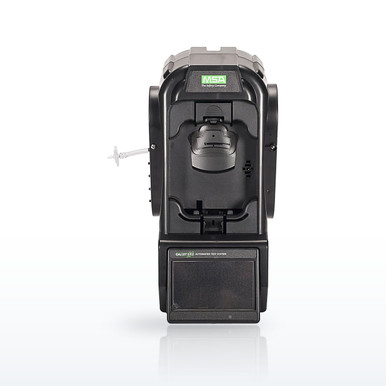 MSA GALAXY GX2 automated test standBump tests and calibrates ALTAIR detectors; keeps a record of every test
Why does a gas detector need testing every day? A gas sensor can fail quietly. The electrochemical cell dries out or gets poisoned, the catalytic bead gets coated by silicone or sulfur, the filter clogs, the alarm speaker fills with mud, and the display still shows zero, which is exactly what a working monitor shows in clean air. The only way to know the sensor will respond is to put gas on it and watch it alarm. That is a bump test, and OSHA and the instrument makers both say to do it before each day’s use. A dock exists because people do not do that by hand every day across a fleet, and a monitor that was not tested is a monitor nobody knows is working.
What does OSHA’s bulletin say?
The 2024 bulletin on direct-reading monitors, which draws on the manufacturers’ trade association guidance.
What does a docking station actually do?
- Bump test on docking: the dock recognizes the instrument, opens a solenoid, flows test gas across the sensors and checks that each alarm trips, then purges with clean air. The result is pass or fail per sensor.
- Calibration on schedule: when the instrument’s calibration interval is due, or on command, the dock runs a full calibration and adjusts the sensors to the cylinder value.
- Charging: the charging versions recharge the instrument overnight in the same cradle.
- Records: every test is stored against the instrument serial number with date, time, gas and result. Depending on the model the record goes to a memory card or USB drive, a local server, a cloud account, or a printed receipt and label from an attached printer.
- Fleet settings: alarm set points, calibration intervals and bump intervals can be pushed to every instrument that docks, so a changed program setting reaches the whole fleet without touching each unit.
- Gas management: the dock reads the cylinder, tracks its expiration date and remaining volume, and warns before it runs out.
- Hibernation and event download: some single-gas docks put a maintenance-free clip into hibernation between jobs to extend its service life, and transfer the instrument’s test and event data on docking.
When does a dock pay off?
Count the bump tests. A hand bump test takes a cylinder, a regulator, a cup, a minute or two of gas and a logbook entry, and someone has to own it every morning. A dock does the same in the time it takes to set the instrument down, and the record writes itself. The arithmetic a safety manager runs is the number of instruments, times the working days, times the minutes per hand test, against the price of a dock and its enabler kit; the catalog prices on this page are the dock side of that sum. For a crew of a few monitors that are tested faithfully by hand, the dock is a convenience. For a fleet of a dozen or more, or for any site where the hand log has gaps, the dock is the difference between a program that is followed and one that is written down.
OSHA SHIB 11-26-2024 (before each day’s use; records for the life of the instrument). The time and price figures are the reader’s own; the catalog prices below are today’s and may change.The second case is records. If an incident investigation, an insurer or an inspector asks whether the monitor the entrant wore was working that morning, a dock answers with a dated record from the serial number. A logbook answers with a signature. Both are records; one is complete by default.
OSHA SHIB 11-26-2024 (calibration records; documentation verifying proper maintenance and calibration); 29 CFR 1910.146(f)(10) (test results and tester on the entry permit).The third case is gas cost. A dock flows gas for a fixed test and shares one cylinder across every instrument that docks; a hand test runs as long as the person holds the button. The manufacturers list gas savings as a feature of the automated test, and the dock warns before a cylinder runs out or expires, which the hand method discovers on the morning it fails.
Manufacturer product data (fast bump tests that save calibration gas, IntelliDoX; low gas volume and expiration indicators, GALAXY GX2; cylinder type and expiration detection, DSX; multiple modules on one set of calibration equipment, SDM-Force).What does a dock not do?
It does not replace the manufacturer’s calibration interval or the written program; it executes them. It does not test a monitor that was not docked, so the program still has to say that an undocked monitor is not issued. It does not fix a sensor; a failed calibration still means service. And a dock is matched to an instrument family: an IntelliDoX module fits one Honeywell BW model each, a GALAXY GX2 stand fits a given ALTAIR series, a DSX fits the Industrial Scientific instrument it is built for, and an SDM fits its RKI series. Check the instrument model against the dock before ordering.
OSHA SHIB 11-26-2024 (manufacturer’s instructions govern; remove from service after failed calibration); manufacturer compatibility statements on each dock’s product page.Docking stations and test stands
24 items · prices liveEach dock fits the instrument family its manufacturer names, shown beside it. Compatibility, record storage and gas handling are as published by the manufacturer on each product page. Free shipping on orders over $199.
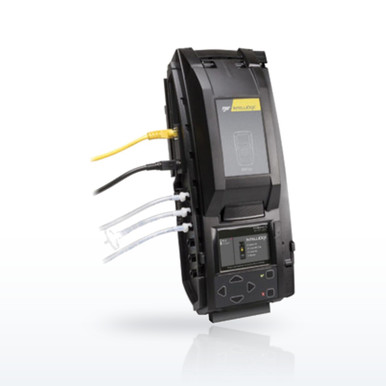
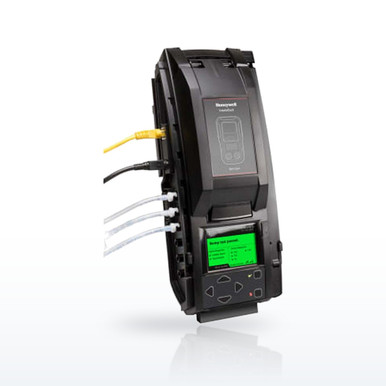
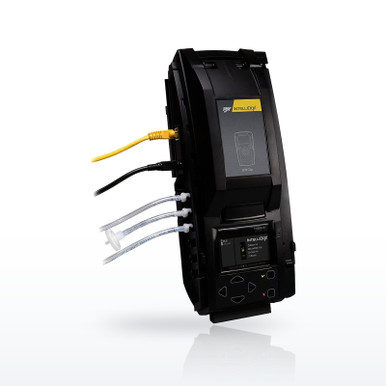
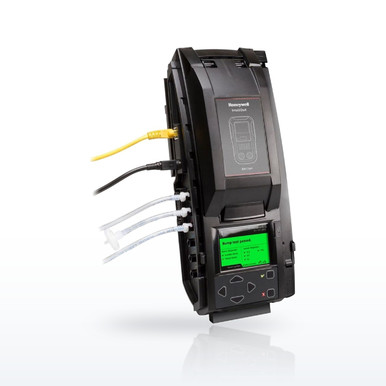
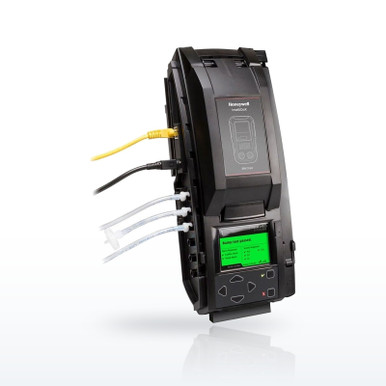
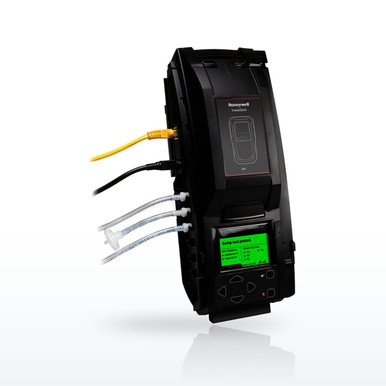

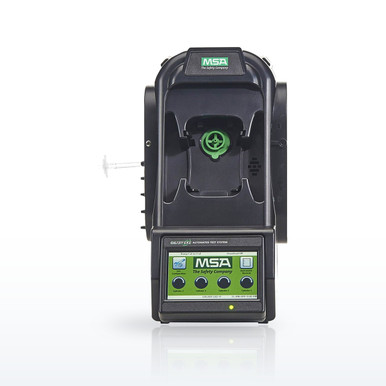
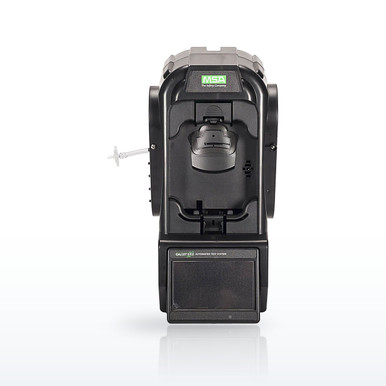
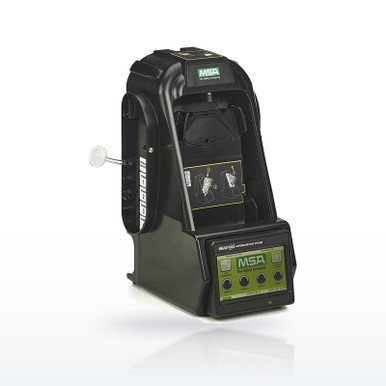
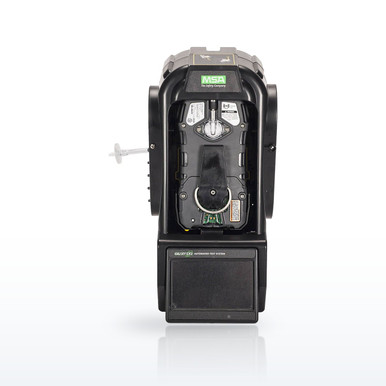
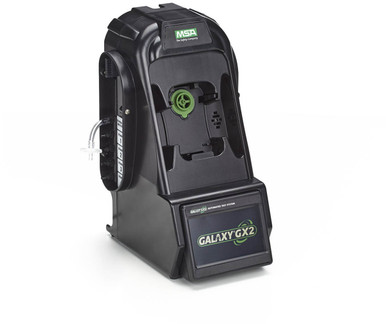
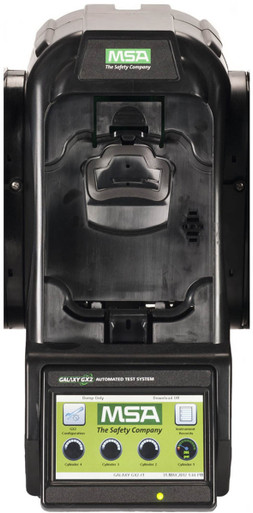
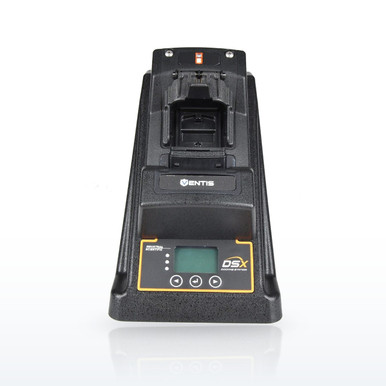
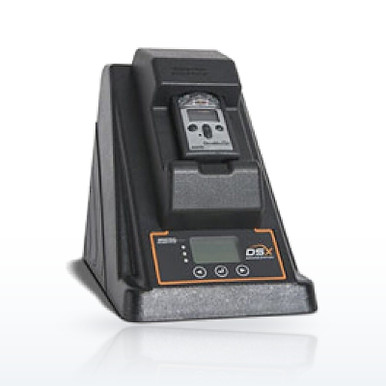

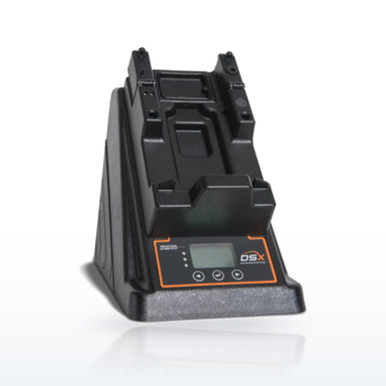
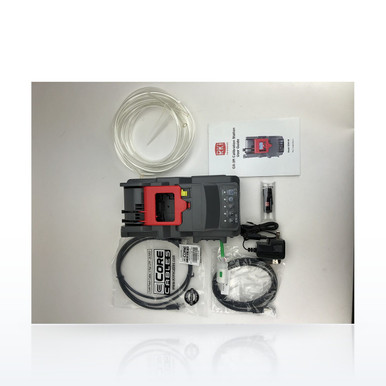
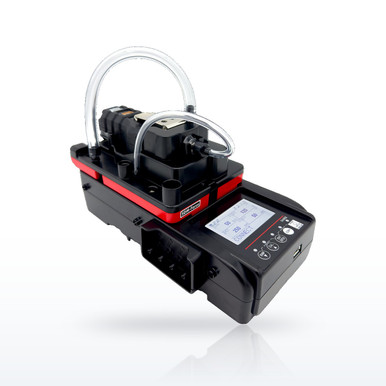
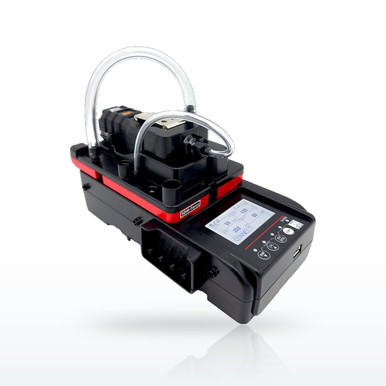
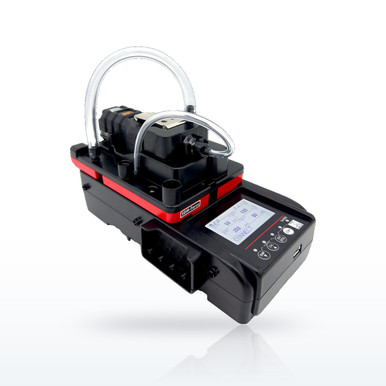
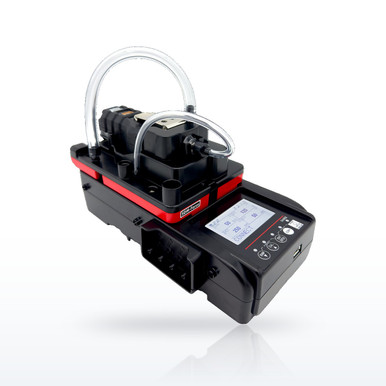
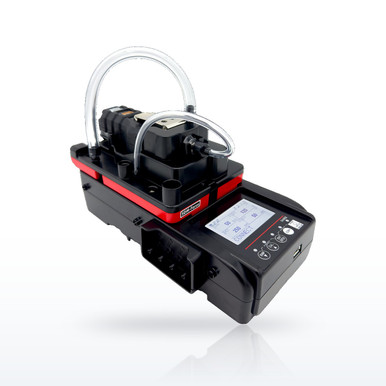
Calibration gas, regulators and the monitors themselves are in the gas detection finder. Enabler kits, printers and spare parts for each dock are listed on its product page.
Questions people ask
What is a gas detector docking station?
A cradle that bump tests, calibrates and usually charges a gas detector automatically, and stores the result against the instrument’s serial number with date and time.
Does OSHA require docking stations?
No. OSHA’s bulletin recommends a bump test before each day’s use and calibration records for the life of the instrument; a dock is one way to do that, a cylinder, cup and logbook is another.
How often should a gas detector be bump tested?
Before each day’s use, in accordance with the manufacturer’s instructions, per OSHA SHIB 11-26-2024 and the ISEA guidance it incorporates.
What is the difference between a bump test and calibration?
A bump test proves gas reaches the sensors and the alarms trip; it does not measure accuracy. A calibration adjusts the reading to match a certified test gas. A calibration check compares the reading to the gas without adjusting.
What happens if a monitor fails its bump test?
Run a full calibration before using it. If it fails calibration too, remove it from service and contact the manufacturer.
Will any dock work with any monitor?
No. Docks are built per instrument family. Match the dock to the exact model; each product page names what it fits.
Do docks keep records?
Yes. Depending on the model the record goes to a memory card or USB drive, a local server, a cloud account, or a printed certificate. The record is the main reason many sites buy one.
How many instruments can one dock handle?
One at a time per module or port, but the systems expand: IntelliDoX links up to five modules, GALAXY GX2 up to ten, DSX is a three-port unit, and SDM-Force up to ten modules on one set of calibration equipment, per the manufacturers.
Standards and ratings on this page are as published in the documents named and by the manufacturers named. The employer’s hazard assessment and written program decide what applies at a given workplace. Verify a rating on the product and its spec sheet before use.