
Gas detection records: what to log, who signs it, and how long to keep it
Four records, from four places in the rules. The confined-space permit carries every test result with the tester’s name or initials and the time, and the canceled permit is kept at least 1 year. An entry under the alternate procedure needs a signed, dated certification that the space was tested and ventilated. OSHA’s bulletin on direct-reading monitors says to keep bump test and calibration records for the life of each instrument. And any monitoring result for a toxic substance that measures what an employee was exposed to is an exposure record, which 1910.1020 says to keep for 30 years and show to the employee on request. Most of that can come off the instrument or its dock automatically; the rest is a line on the permit.
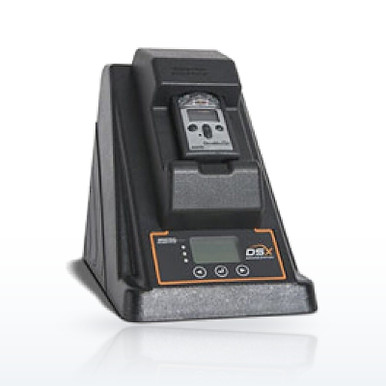
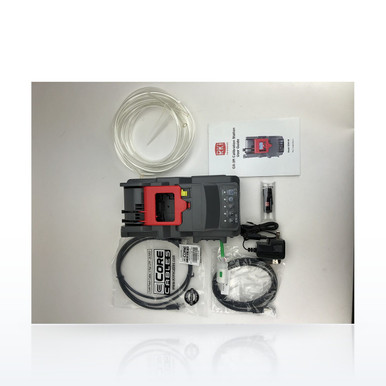
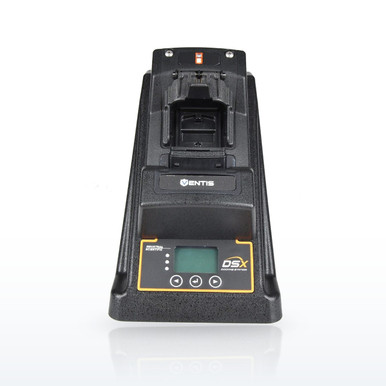 Industrial Scientific DSX 3-port docking stationBump and calibration certificates, USB or cloud records
Why does a gas reading need a paper trail? A gas test is the one piece of evidence that a space was safe when a person went in. The reading is gone the moment the display changes, so the rule makes the employer write it down with who took it and when. The other half is the instrument: a reading from a monitor that was never bump tested is a number nobody can vouch for, so the test history of the instrument is part of the proof. After an incident, an inspector asks for both, and both have to be there for the permit to mean anything.
What has to be recorded, and where does the rule say so?
The five records, each with its source.
Which readings count as an exposure record?
The access-to-records rule defines an employee exposure record to include environmental or workplace monitoring or measuring of a toxic substance or harmful physical agent, including the sampling and the background data behind it. A toxic substance for this purpose is any chemical in the NIOSH registry, anything shown to be a health hazard in testing, or anything with a safety data sheet that says it is a hazard; hydrogen sulfide, carbon monoxide, sulfur dioxide, nitrogen dioxide and the other gases a monitor reads are all in. The rule applies whether or not a specific standard required the measurement.
29 CFR 1910.1020(b)(2), (c)(5)(i) and (c)(13).The practical line most programs draw: a permit test taken from outside the space is an atmospheric test and lives on the permit; the log from a monitor worn by the entrant through the shift, with its peaks and time-weighted average, measures what that person breathed and is an exposure record. The safe practice is to treat any stored reading that can be tied to an employee as an exposure record and keep it 30 years. Background data such as the raw instrument file can be kept 1 year if the results, the sampling plan and a summary are kept the full term.
29 CFR 1910.1020(c)(5)(i) and (d)(1)(ii)(A). The sorting of permit tests versus personal logs is a program decision; the standard sets the retention, not the sorting.What does a good bump test and calibration record contain?
- Instrument make, model and serial number, and the sensors fitted.
- Date and time of the test, and whether it was a bump test, a calibration check or a full calibration.
- Test gas: the blend and concentration, the cylinder lot and its expiration date. The bulletin says to use only certified, traceable gas before its expiration date, so the record has to show that it was.
- The result per sensor: pass or fail for a bump, the as-found reading and the adjustment for a calibration.
- What was done on a failure: full calibration, and if that failed, removal from service and the manufacturer contact.
- Who did it. On a dock the record is written automatically against the serial number; on a hand test it is a line in a logbook with initials.
What do the instruments and docks record on their own?
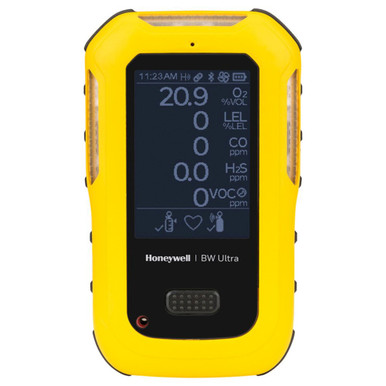
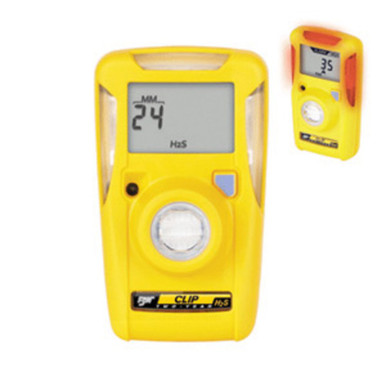
Two kinds of memory. Event logging stores alarms and tests: a maintenance-free single-gas clip typically keeps the last few dozen gas events and bump tests, which is enough to show the instrument was tested that week and what it alarmed on. Data logging stores a reading every few seconds across the whole shift, which is what an exposure record needs: the Honeywell BW Ultra, for example, is listed at 45 days of 8-hour shifts at a reading every 15 seconds. Both are pulled off the instrument by a dock or a cable and kept in the manufacturer’s software or exported. The product page for each monitor states which it has and how much.
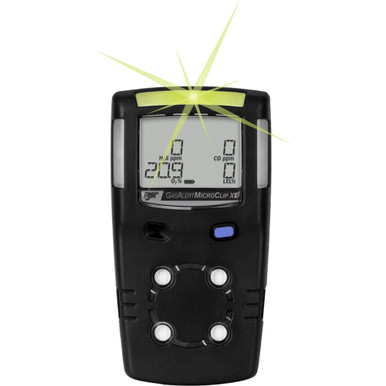
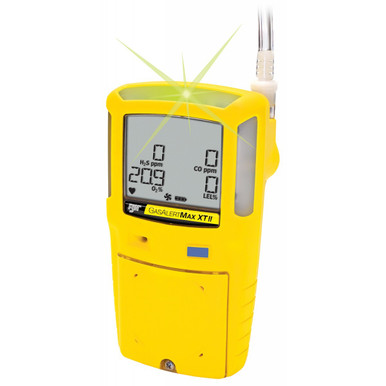
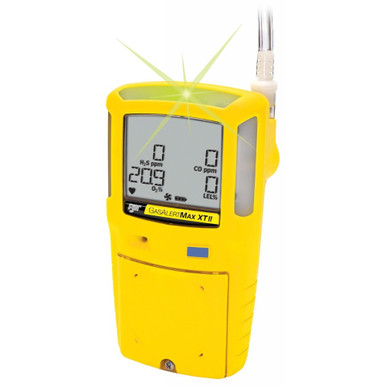
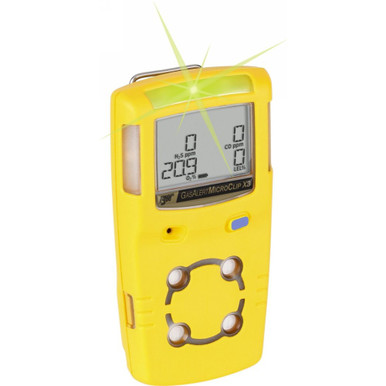
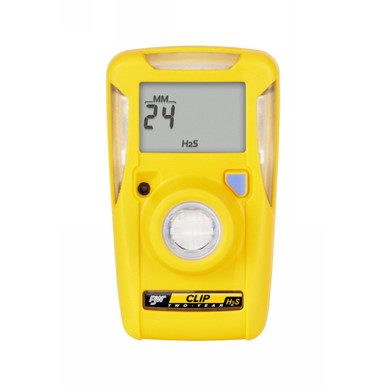
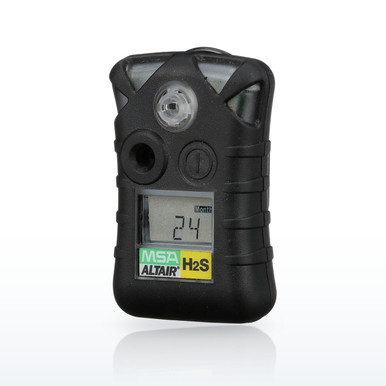
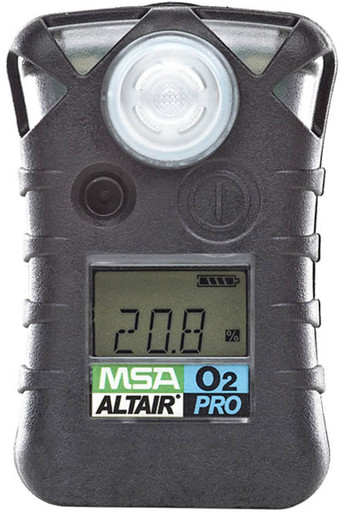
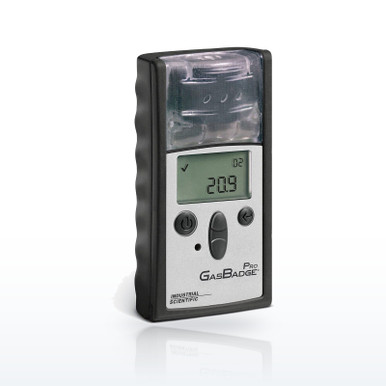
Manufacturer product data for the monitors below: BW Clip (logs the 35 most recent gas events), MSA ALTAIR single-gas (last 25 alarm and test events), MSA ALTAIR Pro (last 50 alarm or test events), Industrial Scientific GasBadge Pro (data logging up to one year), Honeywell BW MicroClip XL and X3 (16 hours of data logging, 10 events), BW Max XT II (data and event logging), BW Ultra (45 days at 15-second logging).The dock writes the other record. Every bump and calibration it runs is stored against the serial number with the date, time, gas and result, and depending on the model goes to a memory card or USB drive, a local server, a cloud account, or a printed certificate and label. That file is the calibration record the bulletin asks for, kept for the life of the instrument, and it is complete by default because the dock does not forget to write it.
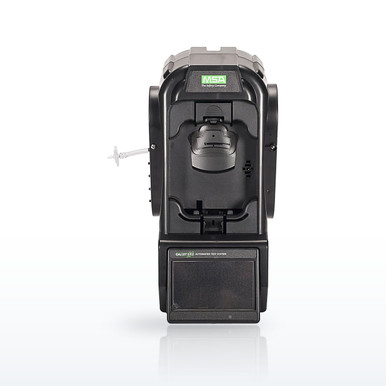
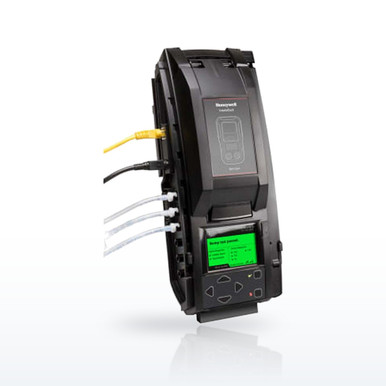
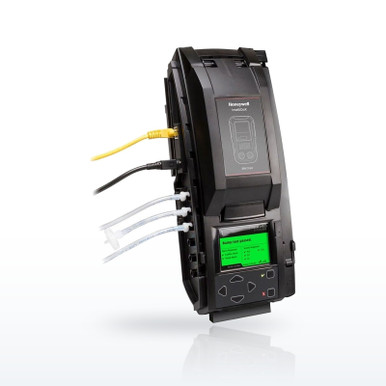
Manufacturer product data for the docks below: MSA GALAXY GX2 (record of every test, MSA Link Pro software, receipt and label printer); Industrial Scientific DSX and DSXi (printed bump and calibration certificates, USB or cloud storage); Honeywell BW IntelliDoX (automatic record keeping, data transfer by Ethernet or USB); RKI SDM (stand-alone bump and calibration station).What does the confined-space permit have to show about the air?
- The hazards of the space, and the measures used to isolate it and control the hazards before entry.
- The acceptable entry conditions: the oxygen range, the LEL limit and the toxic limits the employer set.
- The results of the initial test and of every periodic test, each with the tester’s name or initials and the time.
- The testing, monitoring and alarm equipment provided for the entry.
- Problems encountered, noted on the permit before it is filed for the year.
- The entrant has the right to watch the testing, to be given the results as they are produced, and to ask for the space to be reevaluated in their presence.
Monitors and docks whose manufacturer data lists logging
19 items · prices liveLogging capacity, event count and record output are as published by the manufacturer on each product page, shown beside each item. Free shipping on orders over $199.


The full range of monitors is in the gas detection finder; the docking station guide covers the docks in more detail.
Questions people ask
How long do you keep gas detector calibration records?
OSHA’s bulletin on direct-reading monitors says for the life of the instrument. There is no fixed number of years in a standard; the bulletin is the guidance.
How long do you keep a confined-space permit?
At least 1 year after it is canceled, under 1910.146(e)(6), with any problems noted on it.
Does a gas monitor reading count as an exposure record?
Workplace monitoring of a toxic substance is an exposure record under 1910.1020(c)(5), kept 30 years. Programs generally treat a worn monitor’s shift log as one and keep it; a permit test from outside the space goes on the permit.
Who has to sign the gas test on a permit?
The permit lists the tester’s name or initials and the time of each test, under 1910.146(f)(10). The entry supervisor signs the permit itself.
Does OSHA require a bump test log?
It requires a calibrated instrument for the test and recommends, in SHIB 11-26-2024, a bump test before each day’s use with records kept for the life of the instrument. The log is how a program shows the instrument was calibrated.
Can the dock be the record?
Yes. A dock stores every bump and calibration against the serial number with date, time, gas and result, and exports or prints it. That file is the calibration record.
What is the difference between event logging and data logging?
Event logging stores alarms and tests, typically the last few dozen. Data logging stores a reading every few seconds for the whole shift. The product page states which a monitor has and how much.
Does an employee get to see the readings?
Yes. The entrant can observe the permit testing and must be given the results as they are produced, and 1910.1020 gives employees access to their exposure records within 15 working days.
Standards and ratings on this page are as published in the documents named and by the manufacturers named. The employer’s hazard assessment and written program decide what applies at a given workplace. Verify a rating on the product and its spec sheet before use.