
Gas detector for landfills and wastewater: methane, H2S and oxygen, and which monitors fit the work
Landfills and wastewater plants share the same three gas problems: methane that can burn, hydrogen sulfide that can kill in one breath, and air with too little oxygen. OSHA’s confined-space rule sets the lines: a flammable gas above 10 percent of its lower explosive limit, oxygen below 19.5 or above 23.5 percent, or a toxic gas above its limit makes the atmosphere hazardous, and the space is tested for oxygen first, then combustibles, then toxics, with a calibrated direct-reading instrument. A 4-gas monitor covers all three at a manhole or wet well. Raw landfill gas is different: it runs 45 to 60 percent methane with almost no oxygen, which is above the range a standard LEL sensor can read, so landfill gas work uses an infrared methane sensor that reads percent by volume.
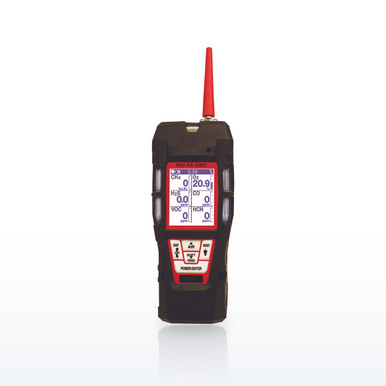
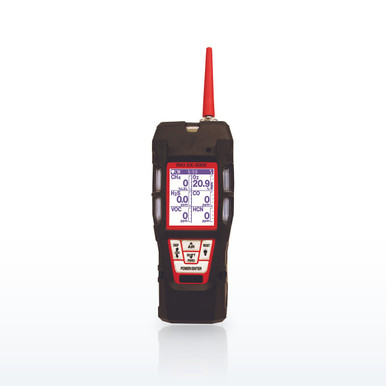
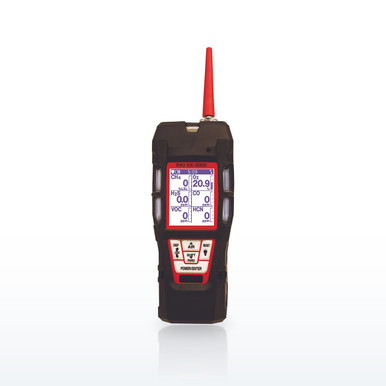
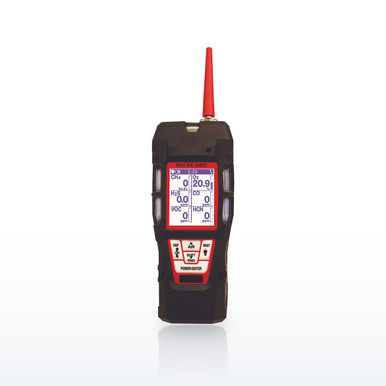
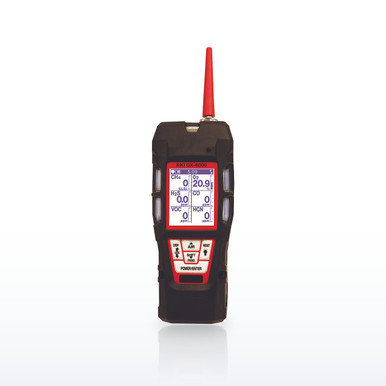
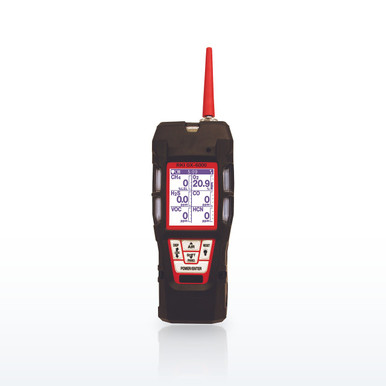 RKI GX-6000 pumped monitor, O2, H2S and infrared methaneAutoranging IR methane, percent LEL to percent volume
Why are these two industries treated together? Both make gas by rotting organic material without air. In a landfill the waste does it under cover; in a sewer or digester the sludge does it in the pipe or tank. The product is the same in both: methane and carbon dioxide in bulk, with hydrogen sulfide from the sulfur in the waste. The methane burns, the carbon dioxide and methane together push the oxygen out, and the hydrogen sulfide is a poison that smells of rotten eggs at a few parts per billion and then deadens the nose so the warning stops. Every one of those arrives at a manhole, a wet well, a leachate vault or a gas well head, and none of them can be seen.
What are the numbers?
The lines OSHA and NIOSH draw, gas by gas.
What is in landfill gas and sewer gas?
Typical landfill gas is 45 to 60 percent methane, 40 to 60 percent carbon dioxide, 2 to 5 percent nitrogen, 0.1 to 1 percent oxygen, 0.1 to 1 percent ammonia, up to 1 percent sulfides including hydrogen sulfide, up to 0.2 percent hydrogen, up to 0.2 percent carbon monoxide, and a fraction of a percent of other organic compounds. The methane is lighter than air and moves upward and outward through the soil; the carbon dioxide is heavier than air and collects underground and in low enclosed spaces. The most common places for gas to collect off the landfill are basements, crawl spaces and buried utility entry points.
ATSDR Landfill Gas Primer (November 2001), chapter 2 Table 2-1 and migration discussion; chapter 3 on accumulation. ATSDR notes the document is historical; the composition ranges are the ones it published.Sewer gas is the same chemistry on a smaller scale with more hydrogen sulfide, because wastewater carries sulfate and the bacteria in a stagnant line or a wet well convert it. H2S is denser than air and settles to the bottom of the space; the smell of rotten eggs is detectable at parts-per-billion levels and the sense of smell fatigues quickly, so the absence of smell proves nothing. The NIOSH Pocket Guide warns directly that smell cannot be relied on to detect continuous exposure.
NIOSH Pocket Guide, hydrogen sulfide (physical description, odor warning); ATSDR Landfill Gas Primer chapter 3 (odor threshold 0.5 to 1 ppb).Why does a standard 4-gas monitor struggle with raw landfill gas?
The LEL sensor in most 4-gas monitors is a catalytic bead. It burns a little of the gas on a hot element and reads the heat, so it needs oxygen to work and it is built to read 0 to 100 percent of the LEL, which for methane is 0 to 5 percent by volume. Raw landfill gas is 45 to 60 percent methane with almost no oxygen. A catalytic sensor in that gas can read low or go to a fault, and manufacturers’ instructions say so. An infrared methane sensor works the other way: methane absorbs infrared light, the sensor measures how much is absorbed, it needs no oxygen, and the autoranging versions read percent LEL at the low end and percent by volume at the high end. That is the sensor landfill gas crews, gas-well technicians and digester operators carry.
Manufacturer product data for the IR methane monitors below (infrared sensor, autoranging percent LEL to percent volume); manufacturer instructions for catalytic LEL sensors (oxygen requirement, range). OSHA sets the 10 percent LEL line, not the sensor type.For a manhole, wet well or vault, where the question is whether the air is safe to breathe and will not burn, the standard 4-gas set of LEL, oxygen, H2S and CO is the right instrument and is what 1910.146 testing is usually done with. The two jobs need two sensors, and a plant that does both usually carries both: a pumped 4-gas unit for entries and an IR methane unit for the gas system.
29 CFR 1910.146(c)(5)(ii)(C) and (d)(5): testing with a calibrated direct-reading instrument for oxygen, flammable gases and vapors, and toxic contaminants.In what order is a space tested, and when?
- Before entry, from outside. Lower the probe or the pumped monitor into the space and test at the top, middle and bottom; heavy gases sit low and methane rises. The entrant or their representative has the right to watch.
- Oxygen first. Many combustible sensors read wrong in low oxygen, so the oxygen number comes first and decides whether the LEL reading can be trusted.
- Combustible gas second. Percent LEL. Above 10 percent, the space is hazardous and is not entered until ventilation brings it down.
- Toxic gases third. H2S and CO at minimum for wastewater; the permit lists any others the employer has identified.
- Ventilate, then retest. Under the alternate-entry procedure, continuous forced-air ventilation must clear any hazardous atmosphere before anyone enters, and the air is retested periodically to confirm it is staying clear.
- Keep testing during the entry. Test or monitor as necessary to confirm acceptable conditions are being maintained; hand the entrant the results as they come. A wearable monitor on the entrant is how most programs meet this.
- Write it down. The permit records the results of the initial and periodic tests with the tester’s name or initials and the time of each test.
What else does the standard put on the employer?
- Evaluate the workplace to find permit-required confined spaces; at a wastewater plant that is most wet wells, digesters, manholes, vaults and tanks.
- Use a calibrated direct-reading instrument. The word calibrated is in the standard; a bump test before each day’s use and calibration on the manufacturer’s schedule are how that is shown.
- Reevaluate the space in the presence of any entrant who believes the first evaluation was inadequate.
- Keep canceled permits at least 1 year and note on them any problems encountered, so the program can be revised.
- A gas well field, a leachate line or a flare station outside a confined space is still covered by the exposure limits in Table Z-1 and Z-2; the confined-space rule adds the testing procedure, it does not replace the limits.
Monitors for landfill and wastewater work
24 items · prices liveSensor set, sample method and range are as published by the manufacturer on each product page. Infrared methane models are the ones whose manufacturer data lists an IR CH4 sensor. Contractor Direct orders ship free.


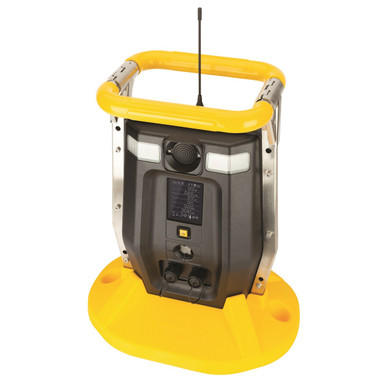


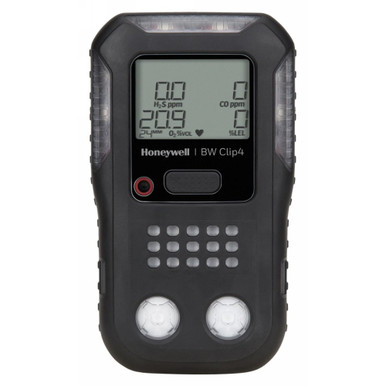
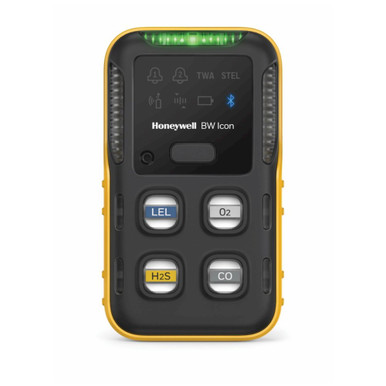
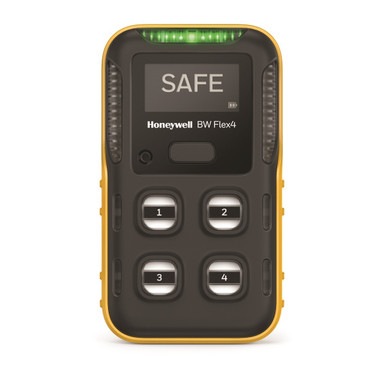
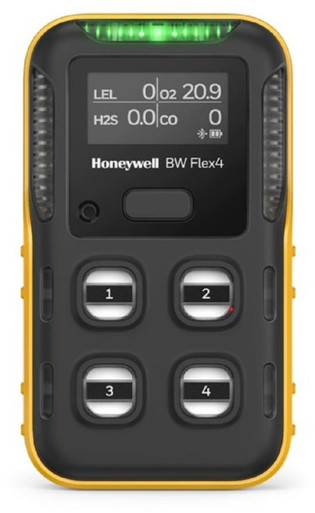
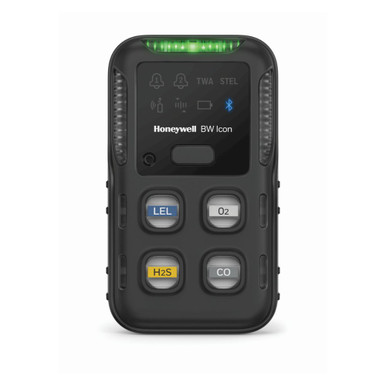

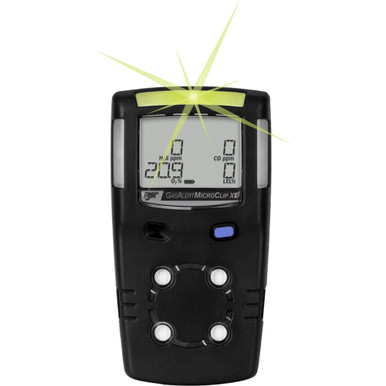

Single-gas H2S clips, replacement sensors, calibration gas and docks are in the gas detection finder.
Questions people ask
What gas detector is used for landfill gas?
An infrared methane monitor that reads percent by volume, usually with oxygen and H2S sensors alongside, because raw landfill gas is 45 to 60 percent methane with almost no oxygen and a catalytic LEL sensor is not built for that.
What gas detector is used in wastewater treatment?
A 4-gas monitor reading LEL, oxygen, hydrogen sulfide and carbon monoxide, pumped for testing a space from outside and diffusion for wearing inside it. That is the set 1910.146 testing is done with.
Why does a 4-gas monitor test oxygen first?
Because 1910.146(d)(5)(iii) says so, and because catalytic combustible sensors need oxygen to read correctly; a low-oxygen space can make the LEL reading unreliable.
What is the OSHA limit for hydrogen sulfide?
A 20 ppm ceiling under Table Z-2, with one 50 ppm peak of up to 10 minutes allowed per shift if there is no other measurable exposure. NIOSH recommends 10 ppm over 10 minutes. 100 ppm is IDLH.
What percent methane is explosive?
5 to 15 percent by volume in air. OSHA treats 10 percent of the lower limit, 0.5 percent methane, as a hazardous atmosphere in a confined space.
Is landfill gas heavier than air?
Its two main parts go opposite ways. Methane is lighter than air and rises; carbon dioxide is heavier and collects in low enclosed spaces, where it can stay for hours or days.
Can I smell hydrogen sulfide before it is dangerous?
At first. The rotten-egg smell is detectable at parts-per-billion levels, but the nose fatigues quickly and NIOSH warns it cannot be relied on. The monitor is the warning.
How often is the air in a wet well tested?
Before entry, and as necessary during entry to confirm conditions are being maintained, under 1910.146(d)(5)(i) and (ii). Most programs wear a monitor the whole time and test from outside first.
Standards and ratings on this page are as published in the documents named and by the manufacturers named. The employer’s hazard assessment and written program decide what applies at a given workplace. Verify a rating on the product and its spec sheet before use.