
Gas detector sensor life: when to replace sensors
A gas sensor is a consumable. Electrochemical sensors for oxygen, H2S, CO and the toxic gases last a few years: one manufacturer in our catalog warrants its standard sensors for 3 years and lists its electrochemical oxygen sensor at a 3 to 5 year life span. Catalytic LEL sensors last for years in clean air but can be poisoned in a day by silicone or lead vapor. PID lamps and ammonia sensors wear faster and carry 1-year warranties. None of these dates tells you when a particular sensor dies; a bump test does. A sensor that fails a bump test gets a calibration, and a sensor that cannot be calibrated gets replaced, whatever the calendar says.
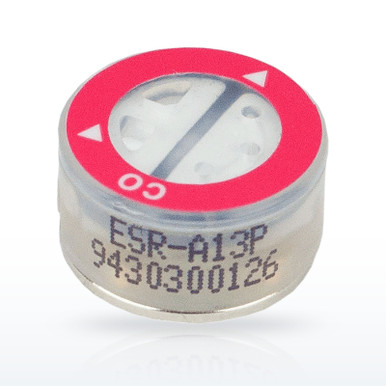
 RKI ESR-A1DP-COHS H2S/CO combination sensorFor GX-3R and GX-3R Pro, 3-year warranty
Why do gas sensors wear out? Most portable gas sensors are small chemical cells. An electrochemical sensor holds an electrolyte that reacts with the target gas to make a tiny current; the electrolyte is slowly used up, dries out in low humidity, and is consumed faster by every exposure. An oxygen sensor of the older type is a battery that eats its own lead electrode and is dying from the day it is made, in clean air or not. A catalytic LEL sensor burns gas on a heated bead and is killed by silicones, sulfur and lead compounds that coat the bead. The sensor keeps producing a reading as it fails, often a plausible one, which is why the industry tests sensors with gas rather than trusting a date.
How long does each sensor type last?
Manufacturer figures for the sensors we carry. The product page for each sensor states its own warranty.
What shortens a sensor’s life?
- Big exposures. A sensor that has been through a high-concentration alarm is consumed faster, and some are damaged outright. Bump test after any large exposure.
- Silicones around a catalytic LEL sensor: RTV sealant, silicone spray, some lubricants and lotions. The bead is coated and stops responding to gas while still reading zero.
- Dry air and heat. Electrochemical cells dry out in low humidity and age faster in heat; a monitor left on a dashboard in summer loses sensor life.
- Dirt and water in the sensor filter. The sensor may be fine and still read low because the gas cannot reach it; filters are a replacement part on most units.
- Storage. Sensors age on the shelf as well as in use. A sealed disposable monitor’s clock starts at activation; a replacement sensor’s warranty starts at purchase.
How do you know a sensor is failing?
The bump test is the answer, and the reason the test exists. A bump exposes each sensor to a known gas and checks that it responds and alarms. Three results tell you where the sensor stands. It passes: keep using it. It responds but reads low: calibrate it, which adjusts the reading back to the cylinder value, and note that a sensor needing frequent calibration is near the end. It will not calibrate, responds slowly, or will not zero in clean air: replace it. Monitors with span-reserve or sensor-health displays report the same thing in numbers; a sensor whose calibration gain has drifted to the limit is replaced before it fails in the field. OSHA requires the instrument used to test a confined space to be calibrated, and the only way to know a calibration is still good is to challenge the sensors with gas.
29 CFR 1910.146(c)(5)(ii)(C): testing before entry with a calibrated direct-reading instrument. Bump test and calibration procedures and pass criteria: the manufacturer’s manual for each monitor.Replace the sensor or replace the monitor?
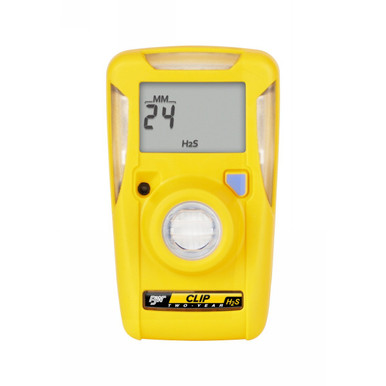
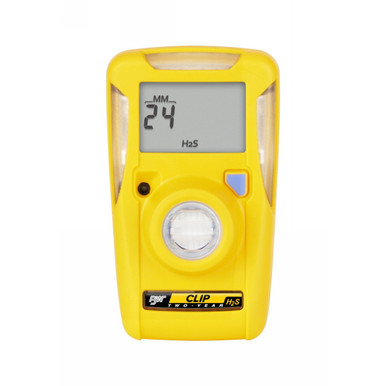
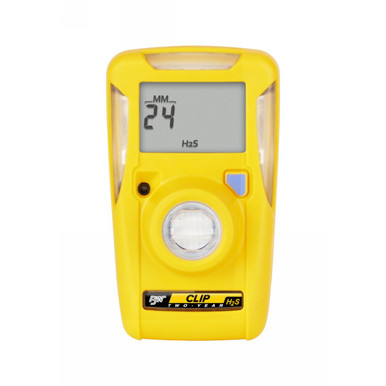
Serviceable monitors take plug-in sensors: open the case, swap the cell, calibrate, and the monitor is back in service for a fraction of its price. Four-gas units and most single-gas units with rechargeable batteries are built this way, and the replacement sensor is matched to the monitor model, not to the gas alone. Disposable single-gas units are the other path: a sealed clip for one gas that runs for 2 years with no charging, no sensor changes and no calibration, then is replaced whole. The arithmetic favors disposables for crews that need one gas on every worker, and serviceable units for the four-gas entry monitor and anything with a pump.
Honeywell BW published data for the BW Clip (2-year maintenance-free operation, no charging or sensor changes); manufacturer compatibility lists on each replacement sensor page.Replacement sensors and two-year disposable monitors
30 items · prices liveWarranty, gas and the monitor each sensor fits are as published by the manufacturer on each product page. Order the sensor for the exact monitor model. Contractor Direct orders ship free.




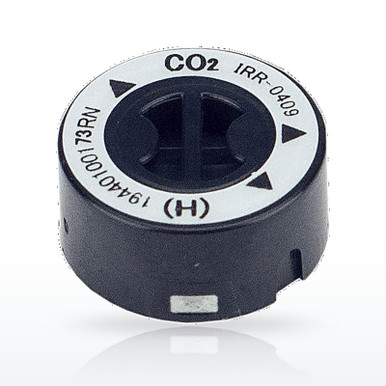
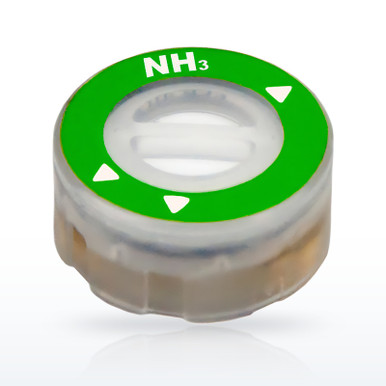
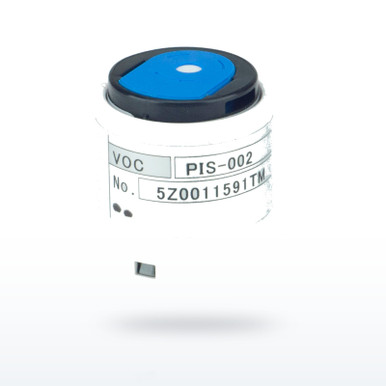

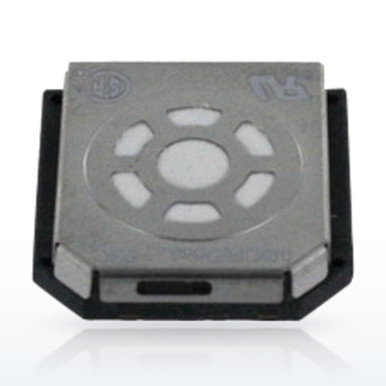


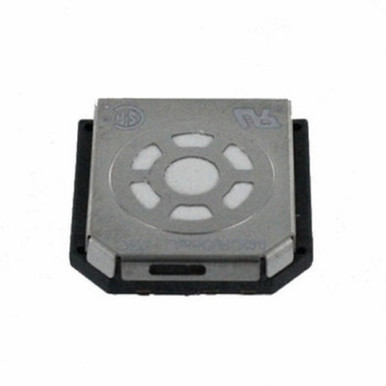
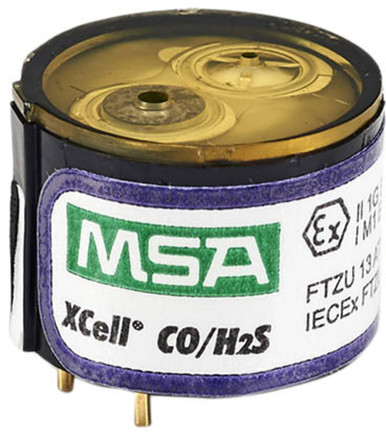
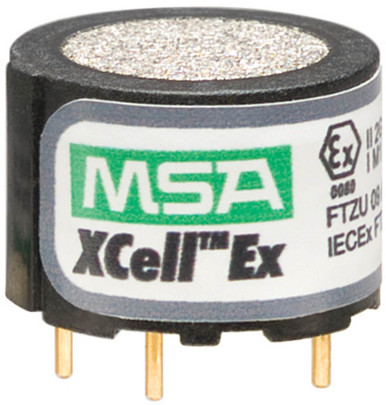
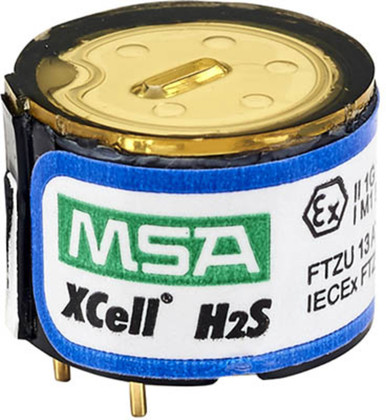

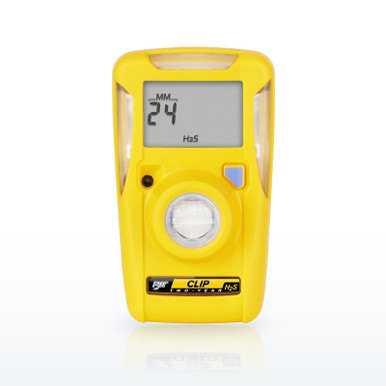
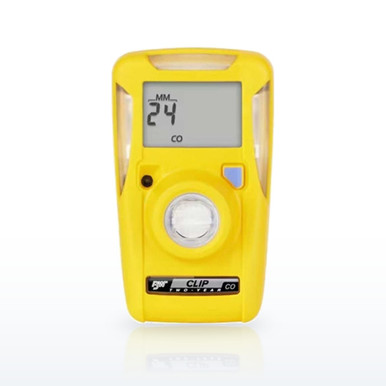
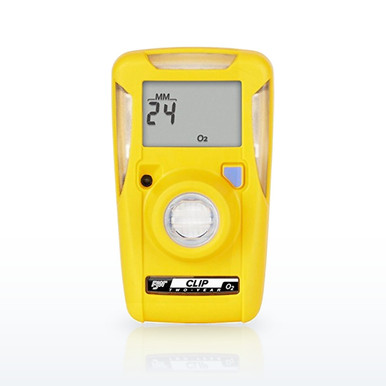
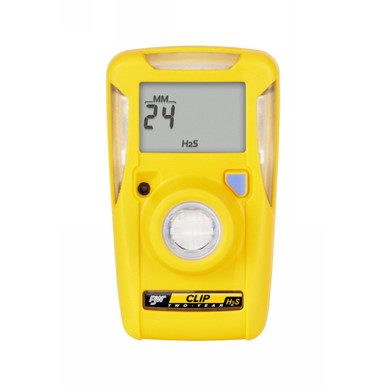

Sensors for other monitor families, filters and calibration gas are in the gas detection finder.
Questions people ask
How long do gas detector sensors last?
A few years for electrochemical toxic sensors (3-year warranty from one manufacturer); 3 to 5 years for the newer oxygen sensor on one catalog monitor; years for catalytic LEL sensors unless poisoned; about a year of warranty for PID sensors and ammonia sensors. The product page states each sensor’s warranty.
How do I know when to replace a gas sensor?
When it fails a bump test and will not calibrate, responds slowly, or will not zero in clean air. The calendar is a guide; the gas test is the decision.
What kills an LEL sensor?
Silicones, lead and sulfur compounds coat the catalytic bead. A sensor poisoned this way reads zero in gas. IR sensors are not affected.
Do sensors wear out in storage?
Yes, more slowly. Electrochemical cells age on the shelf and dry out in low humidity. Disposable monitors start their 2-year clock at activation.
Does OSHA say how often to replace sensors?
No. OSHA requires a calibrated instrument for confined-space testing (1910.146(c)(5)(ii)(C)). Replacement is driven by the manufacturer’s manual and the bump and calibration results.
Can I put any H2S sensor in my monitor?
No. Sensors are matched to the monitor model. Each sensor page lists the monitors it fits.
What is a disposable gas monitor?
A sealed single-gas unit with a fixed life, 2 years for the clips shown here, with no charging, no sensor change and no calibration. It is bump tested like any other monitor and replaced whole at end of life.
Why does my oxygen sensor die first?
The older lead-based oxygen cell consumes itself whether gas is present or not, so its life is fixed from manufacture. The newer oxygen sensor on one catalog monitor is listed at 3 to 5 years.
Standards and ratings on this page are as published in the documents named and by the manufacturers named. The employer’s hazard assessment and written program decide what applies at a given workplace. Verify a rating on the product and its spec sheet before use.