
VOC detection with a PID: what a photoionization detector measures
A photoionization detector shines ultraviolet light on the air sample. Any molecule whose ionization energy is below the lamp’s energy is knocked apart into charged pieces, and the detector counts the current. That makes a PID a broad detector of volatile organic compounds (VOCs): solvents, fuels, paint and adhesive vapors, benzene, toluene, acetone and hundreds more, down to parts per billion. It does not identify which compound is present, and it does not see methane, carbon monoxide or anything else above the lamp energy. A PID is calibrated on isobutylene and its reading is multiplied by a correction factor for the compound you expect.
Why is a PID the tool for solvent vapors? The common four-gas monitor reads oxygen, LEL, H2S and CO. A solvent spill, a tank that held paint thinner, a glue job in a closed room, or the air downwind of a chemical release is none of those. An LEL sensor sees solvent vapor only at hundreds to thousands of ppm, near the point where it could burn, while the exposure limits for benzene or toluene are measured in single or hundreds of ppm. A PID reads in that range, instantly, for almost any organic vapor. It is the instrument that tells a crew whether a tank is clear of solvent, whether a release has reached a fence line, and whether a worker’s respirator is still the right one.
What does the lamp energy mean?
A PID sees a compound only if the compound’s ionization energy is lower than the lamp’s. The lamp sets the list.
Ionization energy and exposure limits for common VOCs
| Compound | Ionization energy | OSHA PEL | NIOSH REL |
|---|---|---|---|
| Toluene | 8.82 eV | 200 ppm TWA; 300 ppm ceiling | 100 ppm TWA; 150 ppm STEL |
| Benzene | 9.24 eV | 1 ppm TWA; 5 ppm STEL (1910.1028) | 0.1 ppm TWA; 1 ppm STEL |
| Acetone | 9.69 eV | 1,000 ppm TWA | 250 ppm TWA |
| Ammonia | 10.18 eV | 50 ppm TWA | 25 ppm TWA; 35 ppm STEL |
| n-Pentane | 10.34 eV | 1,000 ppm TWA | 120 ppm TWA; 610 ppm ceiling |
| Hydrogen sulfide | 10.46 eV | 20 ppm ceiling; 50 ppm peak | 10 ppm ceiling |
| n-Butane | 10.63 eV | none | 800 ppm TWA |
| Acetylene | 11.40 eV | none | 2,500 ppm ceiling |
| Carbon monoxide | 14.01 eV | 50 ppm TWA | 35 ppm TWA; 200 ppm ceiling |
Read the table against the lamp: a 10.6 eV lamp sees everything above the line at n-butane (10.63 eV) and nothing below it; an 11.7 eV lamp adds butane and acetylene; nothing sees carbon monoxide. A PID reads the total of every ionizable compound in the sample, so where two are present the number is a mix, not a measurement of either.
NIOSH Pocket Guide to Chemical Hazards entries for toluene, benzene, acetone, ammonia, n-pentane, hydrogen sulfide, n-butane, acetylene and carbon monoxide (ionization potential, NIOSH REL, OSHA PEL). OSHA benzene PEL: 29 CFR 1910.1028 as cited in the NIOSH entry. Hydrogen sulfide PEL: 29 CFR 1910.1000 Table Z-2.
Why is a PID calibrated on isobutylene, and what is a correction factor?
A PID responds to every ionizable compound, but not equally: the same 100 ppm of two different solvents gives two different currents. The industry settles this by calibrating every PID on one reference gas, isobutylene, and publishing a correction factor (also called a response factor) for each compound. The monitor reads in isobutylene equivalents; multiply the reading by the factor for the compound present to get its concentration. RKI’s published table gives factors for several hundred compounds at each lamp energy, describes them as approximate, and advises calibrating with the actual compound where accuracy matters. Many monitors hold the table in memory, so the user selects the compound and the display reads it directly.
RKI Instruments published data for the GX-6000: photoionization detectors are calibrated using isobutylene; PID sensor response factors for VOCs at 11.7, 10.6 and 10.0 eV; multiply the indicated concentration by the relative response value; values are approximate.The factor only works if you know what the compound is. On a spill of a known product, read the SDS, pick the compound, apply the factor. In a tank that held an unknown, or in a mixed release, the PID is a screening tool: it tells you something is there and whether it is going up or down, and a sampling method or a detector tube identifies it. The alarm on an unknown is set low for that reason.
Manufacturer guidance on correction factors (RKI Instruments, as above); SDS composition data under 29 CFR 1910.1200 at section level.What are ppb and ppm PIDs?
- A ppm PID reads from about 0.1 ppm up to several thousand ppm (0 to 6,000 ppm on the catalog 10.6 eV units). It is the general tool for spills, tank clearance and confined-space screening.
- A ppb PID reads parts per billion (0 to 50,000 ppb on the catalog units), a thousand times finer, for exposure assessment against low limits such as benzene’s 0.1 ppm NIOSH REL, for indoor air and for fence-line work. It saturates at a few tens of ppm and is the wrong tool for a gross spill.
- A benzene-specific setup uses the 10.0 eV lamp, which ignores most of the aliphatic solvents and reads the aromatics, with or without a pre-filter tube that strips the rest.
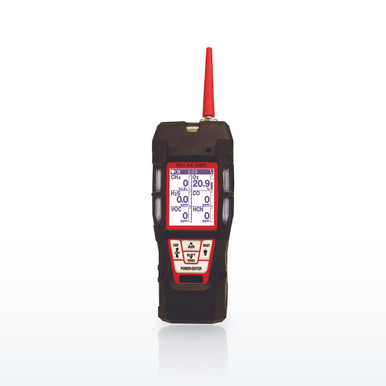
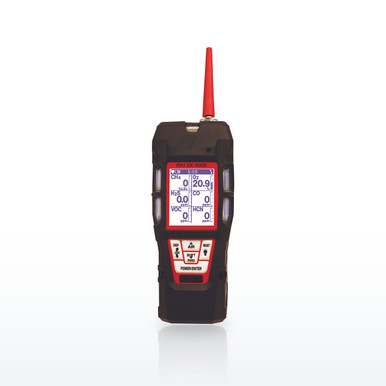
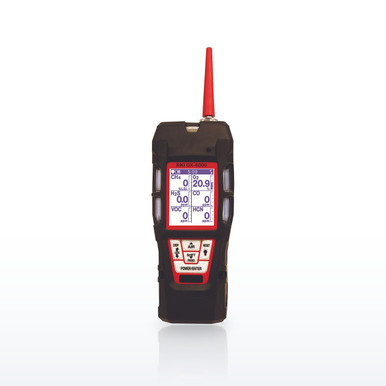
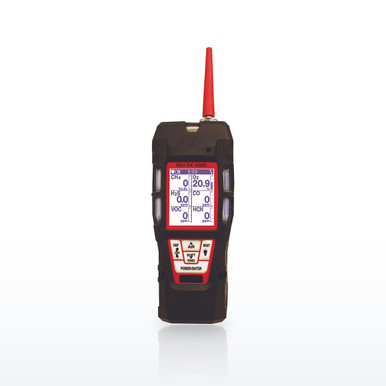
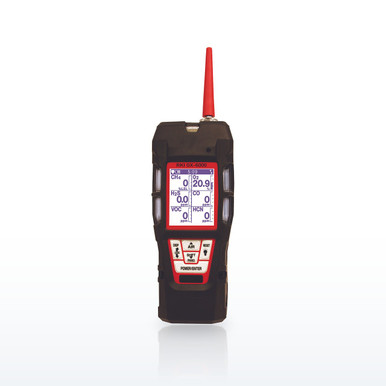
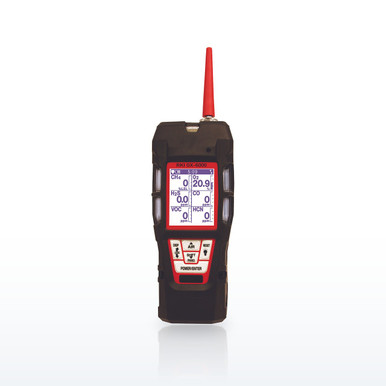
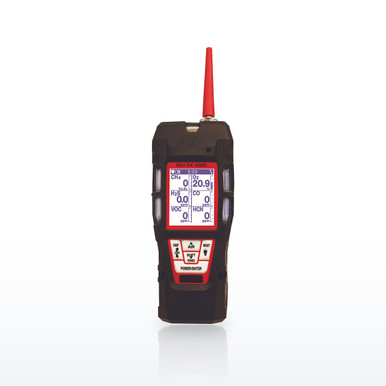
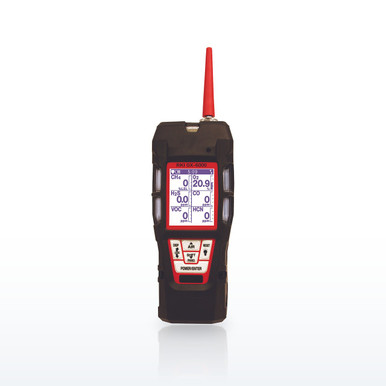
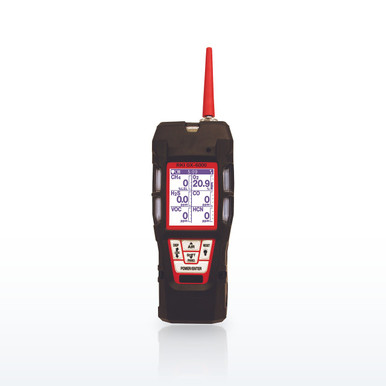
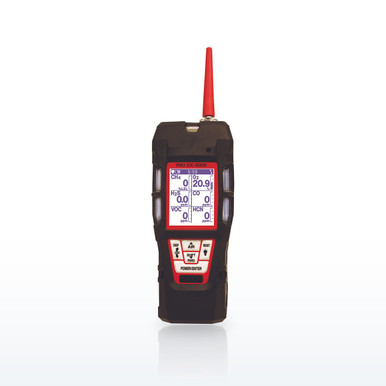
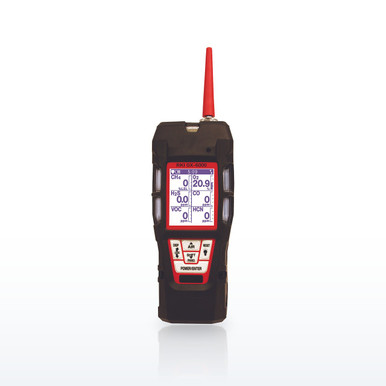
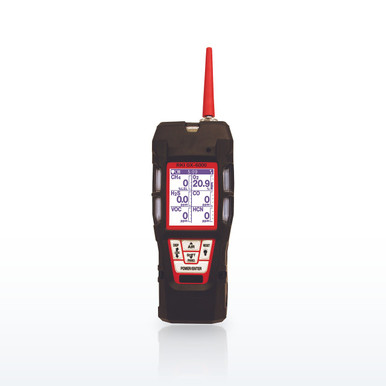
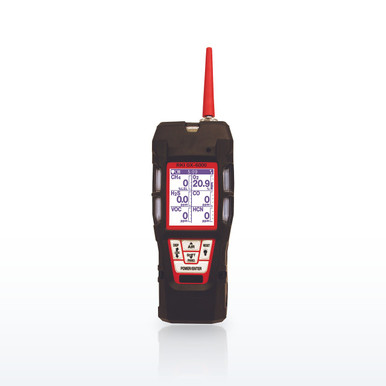
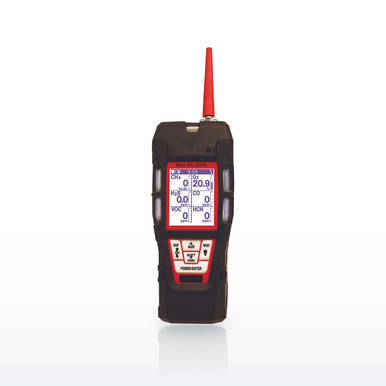
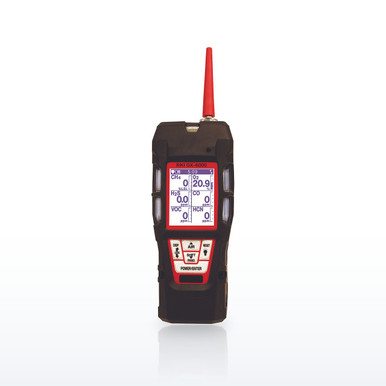
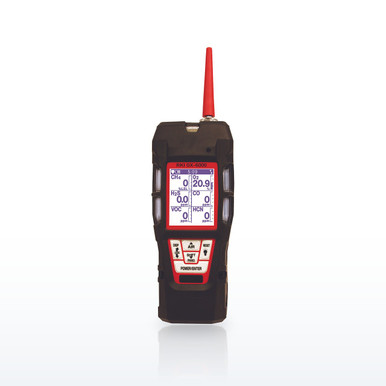
- A pumped PID pulls the sample through a hose, so a tank or a drum can be checked from outside before anyone opens it or goes in. All the PID units in our catalog are pumped.
- PID lamps foul with dust and condensation. The lamp window is cleaned on a schedule and the sensor is bump tested with isobutylene like any other sensor.
PID monitors and sensors by lamp
24 items · prices liveLamp energy, range and the other gases on each unit are as published by the manufacturer; see each product page. All units shown are pumped (sample draw). Free shipping on orders over $199.
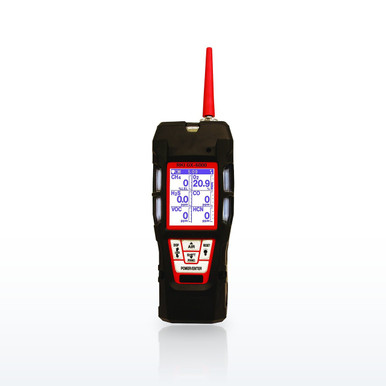
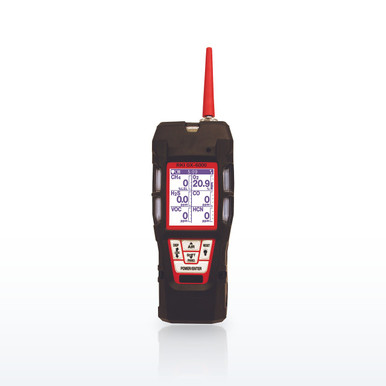
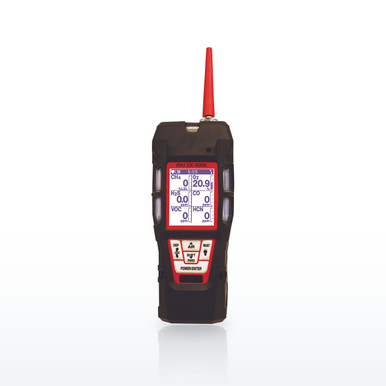
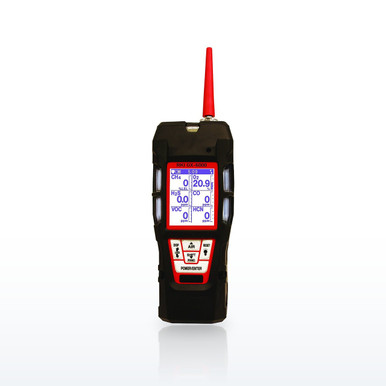
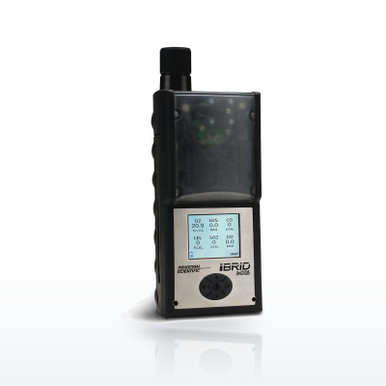
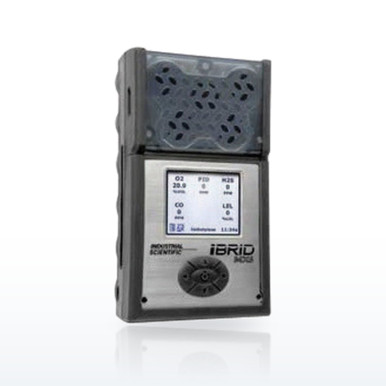
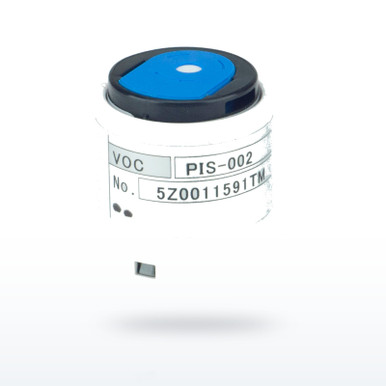
Isobutylene calibration gas, PID pre-filter tubes and spare lamps are quoted on request: call (925) 215-7337.
Questions people ask
What does a PID detect?
Volatile organic compounds and a few inorganic gases whose ionization energy is below the lamp’s: solvents, fuels, aromatics such as benzene and toluene, ketones, and also ammonia and hydrogen sulfide with a 10.6 eV lamp.
What can a PID not detect?
Methane, carbon monoxide, carbon dioxide, oxygen, nitrogen and anything else with an ionization energy above the lamp. A PID is not an LEL monitor or a CO monitor.
Why is a PID calibrated with isobutylene?
It is the industry reference gas; every compound’s response is published relative to it as a correction factor, so one calibration serves hundreds of compounds.
What is a PID correction factor?
The multiplier that converts an isobutylene-equivalent reading to the concentration of a specific compound. Manufacturers publish tables by lamp energy and call the values approximate.
Can a PID tell me which chemical is present?
No. It reads the total ionizable vapor. You pick the compound from the SDS or a sampling method and apply its factor.
What is the difference between 10.6 eV and 11.7 eV lamps?
11.7 eV sees more compounds (methanol, formaldehyde, methylene chloride) but lasts a fraction as long; one manufacturer warrants it for 2 months. 10.6 eV is the standard lamp.
What is a ppb PID for?
Low-level exposure work: benzene against a 0.1 ppm REL, indoor air, fence lines. It reads a thousand times finer than a ppm unit and saturates in a gross spill.
Does a 4-gas monitor need a PID?
For solvent, fuel or chemical work, yes, as a fifth or sixth sensor or a separate unit. The four standard sensors do not read solvent vapor at exposure-limit concentrations.
Standards and ratings on this page are as published in the documents named and by the manufacturers named. The employer’s hazard assessment and written program decide what applies at a given workplace. Verify a rating on the product and its spec sheet before use.