
Gas monitors for welding and hot work: what to measure
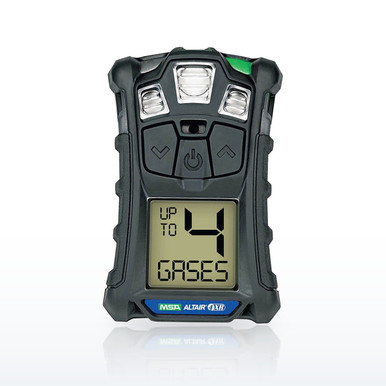
Hot work has two gas problems, and a monitor has to cover both. The first is what is already in the space: flammable gas or vapor that the arc or torch could ignite, and oxygen that may be low. OSHA prohibits welding in explosive atmospheres and treats a confined space above 10 percent LEL, or outside 19.5 to 23.5 percent oxygen, as hazardous. The second is what the work makes: carbon monoxide, nitrogen dioxide and ozone from the arc and the gases around it, and shielding gas (argon, CO2, helium) that displaces oxygen in a closed space. A four-gas monitor with LEL, O2 and CO covers most of it; nitrogen dioxide and ozone need their own sensors.
Why does hot work need a gas monitor at all? A torch or an arc is an ignition source by design. Put it into a tank that once held fuel, a pit where gas has pooled, or a room where a solvent was used that morning, and the flammable test is the difference between a repair and an explosion. Once the work starts, the arc makes its own gases: it splits the air into ozone and nitrogen oxides, and carbon monoxide can form around the work. In the open those blow away. In a tank, a vessel, a trench or a small room they build up, and the welder, hood down and concentrating, is the last to notice. OSHA wrote the hot-work rules around these two moments: before the arc is struck, and while it burns in a closed space.
What does OSHA require before and during hot work?
The welding standard and the confined-space standard, in pieces.
Which gases does welding produce?
OSHA’s welding fact sheet lists the process gases: nitric oxide, nitrogen dioxide, carbon monoxide, ozone, phosgene, hydrogen fluoride and carbon dioxide. Ozone and nitrogen oxides come from the arc acting on the air around it. Carbon monoxide can form during the work, and OSHA calls it a serious asphyxiation hazard. Phosgene and hydrogen fluoride come from chlorinated degreasers and fluoride fluxes in the path of the arc; the standard requires degreasing to be kept out of the way of welding for that reason. The shielding gases themselves, argon, helium and carbon dioxide, displace oxygen in the air and can suffocate a worker in a confined or enclosed space.
OSHA Fact Sheet FS-3647, Controlling Hazardous Fume and Gases during Welding (process gases; carbon monoxide; shielding gases displace oxygen in confined or enclosed spaces); 29 CFR 1910.252(c)(11)(ii) (chlorinated hydrocarbon cleaning kept clear of welding) and (c)(5)(i) (fluorine compounds in confined spaces).The limits those gases are held to are the 1910.1000 limits: carbon monoxide 50 ppm over 8 hours; nitrogen dioxide a ceiling of 5 ppm; ozone 0.1 ppm over 8 hours. NIOSH recommends lower: 35 ppm CO with a 200 ppm ceiling, 1 ppm nitrogen dioxide for 15 minutes, and a 0.1 ppm ceiling for ozone. The fume metals, iron oxide, manganese, zinc oxide and hexavalent chromium, have their own limits and are measured by sampling, not by a gas monitor.
29 CFR 1910.1000 Table Z-1: carbon monoxide 50 ppm; nitrogen dioxide (C) 5 ppm; ozone 0.1 ppm; iron oxide fume 10 mg/m3; manganese fume (C) 5 mg/m3; zinc oxide fume 5 mg/m3; chromium (VI), see 1910.1026. NIOSH Pocket Guide: carbon monoxide REL TWA 35 ppm, C 200 ppm; nitrogen dioxide ST 1 ppm; ozone C 0.1 ppm.What should the monitor read, and when?
- Before the arc: LEL and oxygen, from outside the space. Test the tank, pit or room for flammables and oxygen before anyone goes in and before the torch is lit. For a container, test after cleaning and venting, at the bottom and in any hollow. A reading above 10 percent LEL stops the job; purge and retest.
- During the work: oxygen and CO on the welder. In a confined or enclosed space the shielding gas and the CO build up around the work. A four-gas monitor clipped to the welder’s collar reads oxygen falling and CO rising and alarms before either reaches the limit. Continuous monitoring of a permit space is required; the monitor is how it is done.
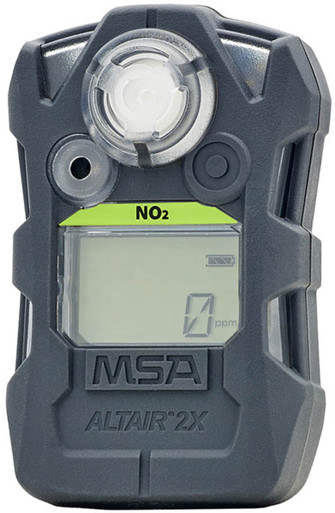
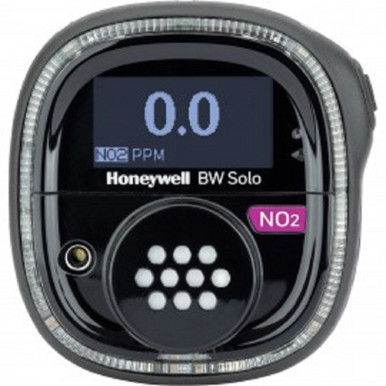
- Arc or torch work in an enclosed space: add NO2. Nitrogen dioxide has a 5 ppm ceiling and is not on the standard four-gas set. A single-gas NO2 monitor on the welder, or a multi-gas unit with an NO2 sensor, covers it. Ozone is rarer to monitor and has its own sensor where it is a known problem.
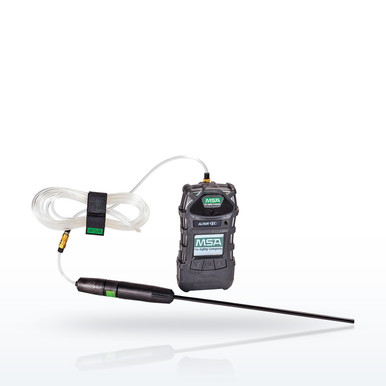
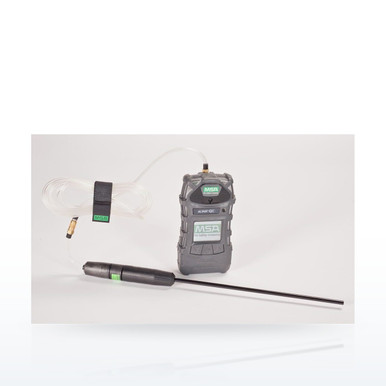
- Pumped unit with a probe for the re-check. When the job stops for a break or a shift change, a sample-draw monitor with tubing reads the bottom of the vessel before re-entry without anyone leaning in.
- Fire watch with the LEL reading. The half-hour watch after the work is also the time pooled vapor can drift back toward hot metal. The LEL reading on the watch’s monitor stays in view.
What about construction sites?
The construction welding standard carries the same rules in its own numbers: welding, cutting or heating in a confined space requires general mechanical or local exhaust ventilation, airline respirators where ventilation cannot be provided without blocking the way out, and an outside attendant in communication with the welder; oxygen shall not be used for ventilation. Confined spaces on construction sites fall under Subpart AA, which has its own atmospheric testing and monitoring duties.
29 CFR 1926.353(b)(1) and (b)(2); 1926.353(a)(6) (oxygen shall not be used for ventilation purposes); 29 CFR 1926 Subpart AA at section level.Monitors for welding and hot work
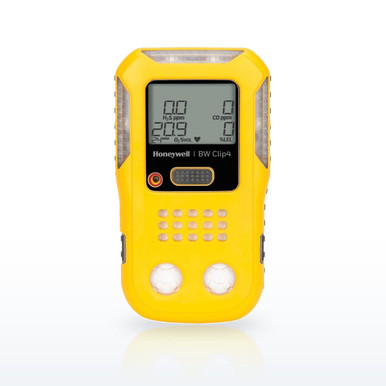
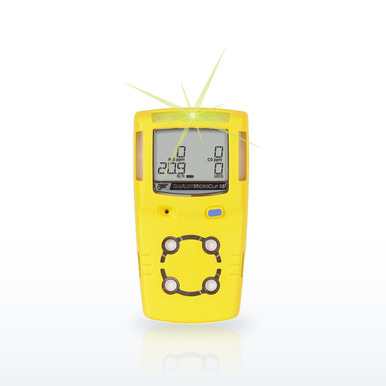
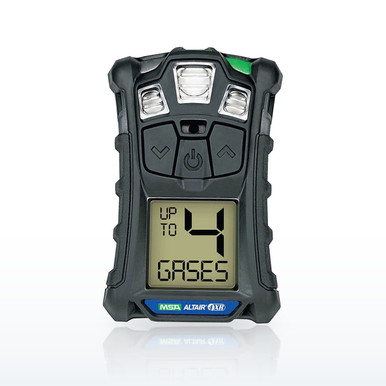
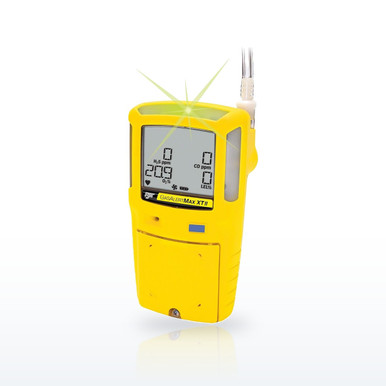
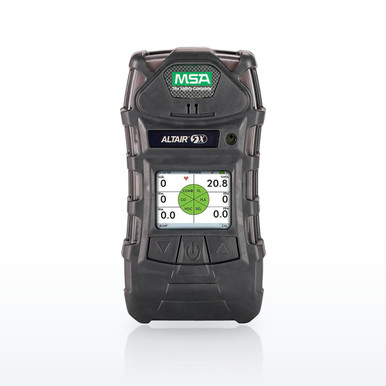
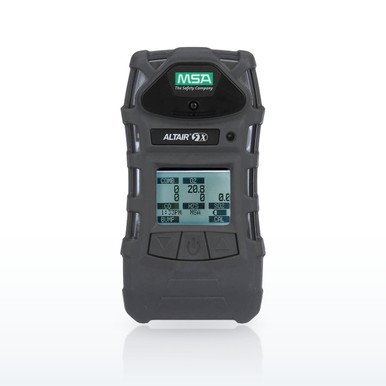
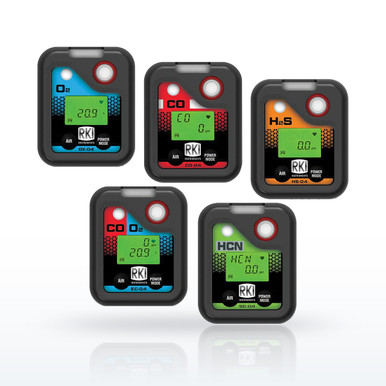
26 items · prices liveEvery monitor shown lists the gases its manufacturer specifies for it; sensor set and sample method are on each product page. Free shipping on orders over $199.
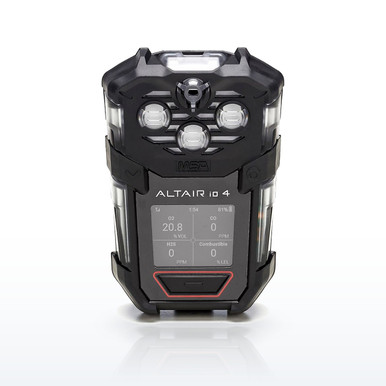
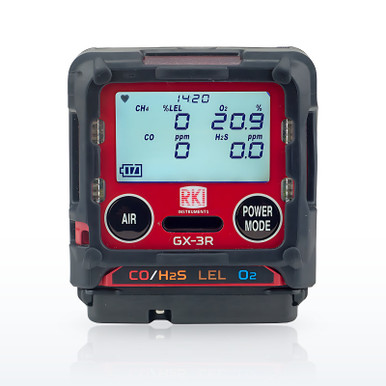
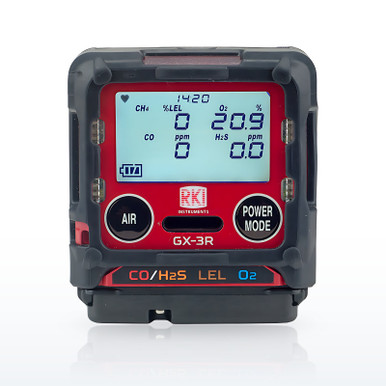
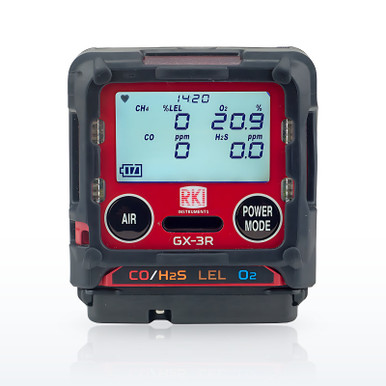

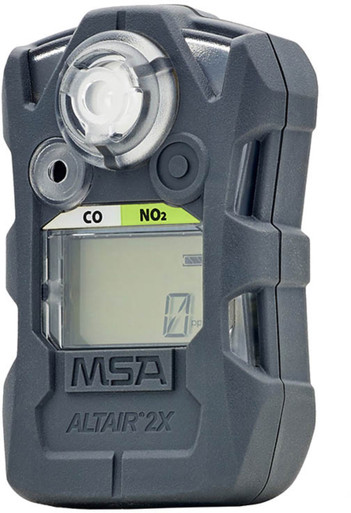
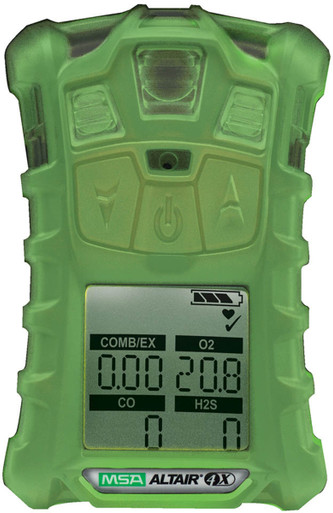
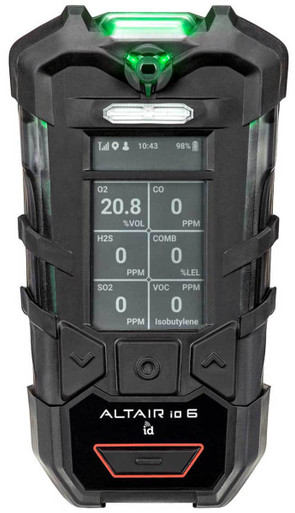
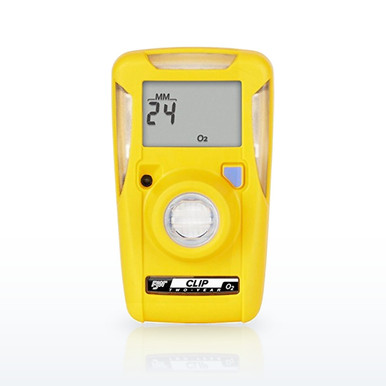
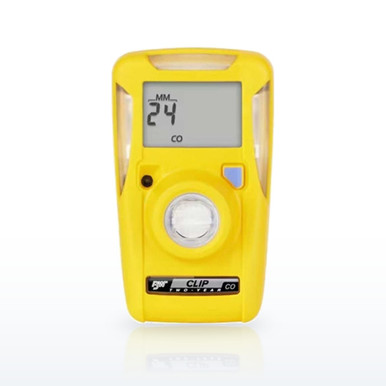
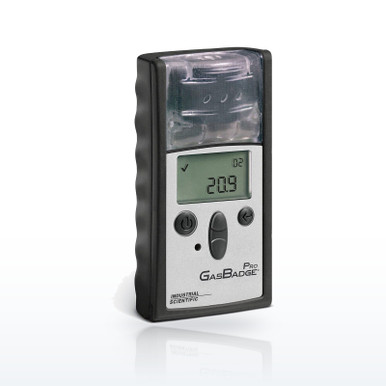
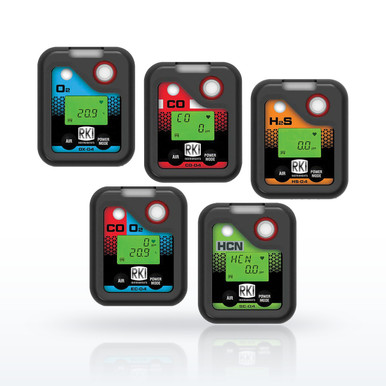
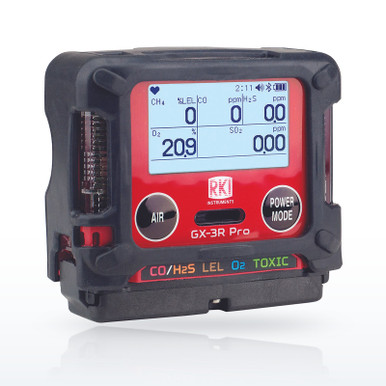
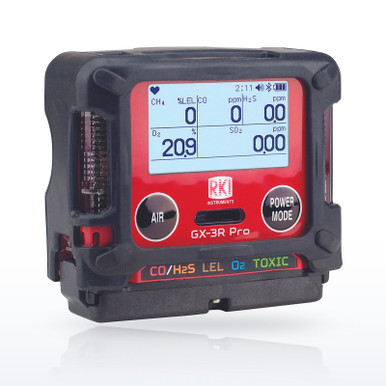
Calibration gas, replacement sensors and docking stations are in the gas detection finder. Welding fume respirators are in the respirator finder.
Questions people ask
What gas should be checked before welding?
Flammable gas and vapor as percent LEL, and oxygen. OSHA prohibits welding in an explosive atmosphere and treats a confined space above 10 percent LEL or outside 19.5 to 23.5 percent oxygen as hazardous.
Can I weld on a tank that held fuel?
Only after it has been cleaned so no flammable material remains, vented, and tested. 1910.252(a)(3) covers containers; the LEL reading confirms the cleaning.
What gases does welding produce?
OSHA lists nitric oxide, nitrogen dioxide, carbon monoxide, ozone, phosgene, hydrogen fluoride and carbon dioxide, plus the metal fumes.
Does a 4-gas monitor cover welding?
It covers the flammable test, oxygen and carbon monoxide. Nitrogen dioxide and ozone need their own sensors; metal fume is measured by air sampling.
Can argon shielding gas suffocate you?
Yes. OSHA states that argon, helium and carbon dioxide displace oxygen and can lead to suffocation in confined or enclosed spaces. The oxygen sensor is the warning.
Can I ventilate a tank with oxygen?
No. Oxygen shall never be used for ventilation (1910.252(c)(4)(v); 1926.353(a)(6) in construction). It makes everything in the space, including clothing, burn faster.
What is the limit for nitrogen dioxide?
OSHA: a ceiling of 5 ppm. NIOSH: 1 ppm for 15 minutes.
How long does the fire watch last?
At least half an hour after the welding or cutting ends (1910.252(a)(2)(iii)(B)).
Standards and ratings on this page are as published in the documents named and by the manufacturers named. The employer’s hazard assessment and written program decide what applies at a given workplace. Verify a rating on the product and its spec sheet before use.