
H2S exposure limits and ppm chart: OSHA, NIOSH and ACGIH
Hydrogen sulfide has four sets of numbers, and they differ a lot. OSHA’s general industry limit is a ceiling of 20 ppm, never to be exceeded, with one 10-minute peak up to 50 ppm allowed per shift if there is no other measurable exposure. OSHA’s construction and shipyard limit is 10 ppm as an 8-hour average. NIOSH recommends a 10 ppm ceiling for any 10-minute period and calls 100 ppm immediately dangerous to life or health. ACGIH sets the most protective value: 1 ppm as an 8-hour average and 5 ppm for 15 minutes. Most personal H2S monitors ship with a 10 ppm low alarm and a 15 ppm high alarm, which is why a worker is warned long before the OSHA ceiling.
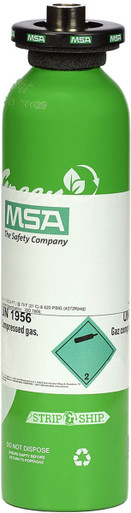
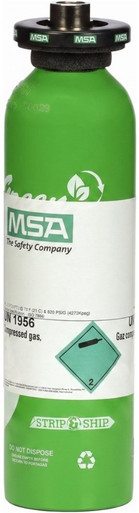
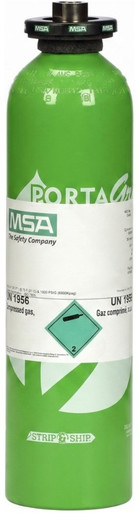
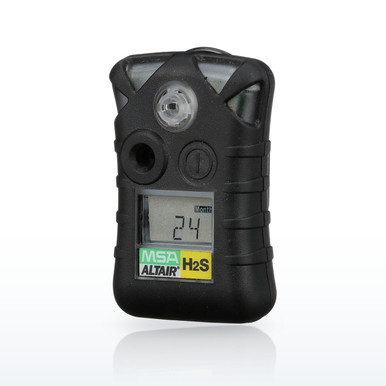 MSA 10092521 Single Gas Monitors, ALTAIR Single-Gas H2S DetectorSingle-gas H2S monitor, low alarm 10 ppm, high alarm 15 ppm as shipped
Why are there four different H2S limits? OSHA’s Table Z-2 number dates from the 1968 ACGIH list that OSHA adopted when the agency was created, and it has not been updated since. NIOSH and ACGIH kept revising their numbers as the health data came in, and ACGIH cut its value to 1 ppm in 2010. The construction and maritime standards were written separately and carry a 10 ppm average. So the legal floor in general industry is the oldest and loosest number, and the health-based recommendations are far lower. Written safety programs usually adopt the NIOSH or ACGIH numbers and set monitor alarms to match.
What are the H2S exposure limits?
The OSHA values are enforceable; Cal/OSHA applies in California; NIOSH and ACGIH are recommendations that employers adopt in their programs.
H2S ppm chart: what happens at each level
| ppm | Effect | Where the limits sit |
|---|---|---|
| 0.01 to 1.5 | Odor threshold: rotten-egg smell first noticeable to some people | ACGIH TLV-TWA is 1 ppm |
| 2 to 5 | Prolonged exposure may cause nausea, tearing eyes, headache or loss of sleep; airway problems in some asthma patients | ACGIH STEL 5 ppm |
| 10 | NIOSH ceiling; construction and shipyard TWA; usual low alarm | |
| 15 | Usual high alarm; Cal/OSHA STEL | |
| 20 | Possible fatigue, loss of appetite, headache, irritability, poor memory, dizziness | OSHA general industry ceiling |
| 50 | OSHA 10-minute peak, once per shift; Cal/OSHA ceiling | |
| 50 to 100 | Eye irritation (gas eye) and respiratory tract irritation after 1 hour | |
| 100 | Coughing, eye irritation, loss of smell after 2 to 15 minutes; altered breathing, drowsiness after 15 to 30 minutes; death may occur after 48 hours | NIOSH IDLH |
| 100 to 150 | Loss of smell (olfactory fatigue or paralysis) | |
| 200 to 300 | Marked eye and respiratory irritation after 1 hour; pulmonary edema from prolonged exposure | |
| 500 to 700 | Staggering, collapse in 5 minutes; serious eye damage in 30 minutes; death after 30 to 60 minutes | |
| 700 to 1,000 | Rapid unconsciousness, knockdown within 1 to 2 breaths, breathing stops, death within minutes | |
| 1,000 to 2,000 | Nearly instant death |
Effects are the concentrations and symptoms OSHA publishes on its hydrogen sulfide hazards page. Individual response varies; a level listed as irritating for one person can be worse for another, which is one reason the recommended limits sit so far below the levels that injure.
OSHA, Hydrogen Sulfide: Hazards (health effects by concentration); limits as cited above.
What does ceiling, peak, TWA and STEL mean for H2S?
The OSHA general industry limit is written as a ceiling with a peak, not an average. Ceiling means the level may not be exceeded at any time during the shift. The peak is the single exception: once in a shift, for up to 10 minutes, the level may go above 20 ppm but not above 50 ppm, and only if there is no other measurable H2S exposure that shift. A worker who is at 5 ppm all day has used up the exception, because 5 ppm is a measurable exposure.
29 CFR 1910.1000(b)(2); Table Z-2, hydrogen sulfide (acceptable ceiling 20 ppm; acceptable maximum peak 50 ppm, 10 minutes once, only if no other measurable exposure occurs).The construction limit, the NIOSH 10-hour value and the ACGIH 1 ppm value are time-weighted averages: the concentration multiplied by time, summed over the shift and divided by the shift length. A short spike is allowed as long as the average stays under the number and no ceiling or STEL is broken. The ACGIH STEL and the NIOSH ceiling are 15-minute and 10-minute limits that cap the spikes. A personal H2S monitor computes the running TWA and STEL from its readings and alarms on them as well as on the instantaneous level.
29 CFR 1910.1000(d)(1)(i) (the 8-hour cumulative exposure formula); NIOSH Pocket Guide introduction (REL TWA up to a 10-hour day; STEL a 15-minute TWA; C not to be exceeded at any time); manufacturer product data for TWA and STEL alarms.Which H2S limit should the monitor alarm be set to?
- The written program decides. OSHA’s 20 ppm ceiling is the general industry floor; a program that alarms at 20 is legal but leaves no warning before the ceiling is broken.
- The common factory settings, 10 ppm low and 15 ppm high, match the NIOSH ceiling and the Cal/OSHA STEL. Clip-style monitors are also sold with 5 ppm low alarms. The low alarm is the signal to leave; the high alarm means the ceiling is close.
- Programs built on the ACGIH value set the TWA alarm at 1 ppm and the STEL alarm at 5 ppm. Most multi-gas and single-gas monitors with a display let the employer set these.
- Above 100 ppm the atmosphere is IDLH. Only a pressure-demand SCBA or a supplied-air respirator with an escape cylinder is permitted, and no one enters a confined space at that level except for rescue with that equipment.
Why can’t you rely on the smell?
Below 1 ppm most people can smell rotten eggs, so the nose seems to work. Around 100 ppm the gas paralyzes the sense of smell within minutes, which is the same level NIOSH calls immediately dangerous. The smell going away is not the gas going away. NIOSH says it in one line: the sense of smell becomes rapidly fatigued and cannot be relied upon to warn of the continuous presence of H2S.
NIOSH Pocket Guide, hydrogen sulfide; OSHA, Hydrogen Sulfide: Hazards (olfactory fatigue at 100 ppm).H2S monitors, tubes and calibration gas
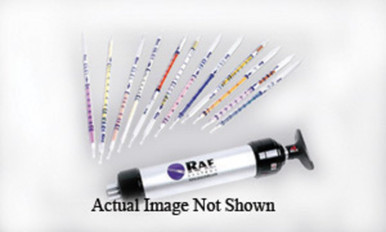
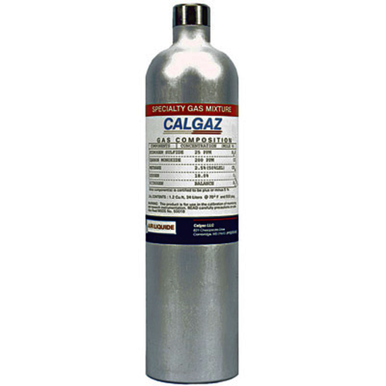
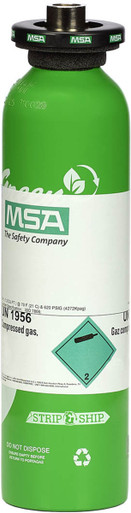
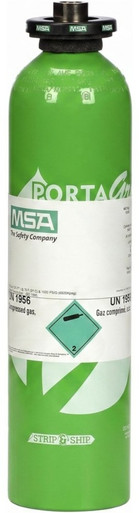
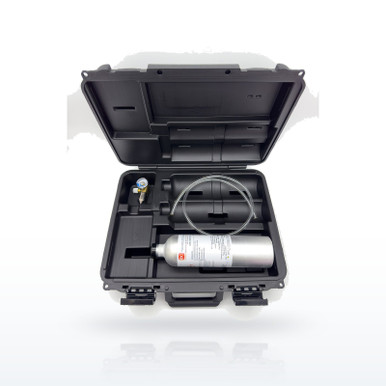
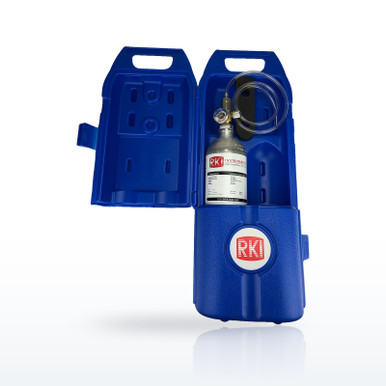
33 items · prices liveEvery monitor shown lists hydrogen sulfide among the gases its manufacturer specifies for it; default alarm set points are on the product page. Tubes show their measuring range on the product page; calibration gas mixes list their H2S concentration as published by the manufacturer (as labeled by the manufacturer on each product page). Free shipping on orders over $199.
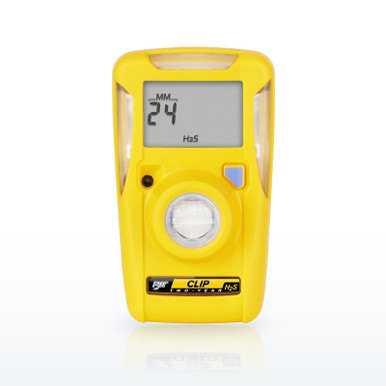
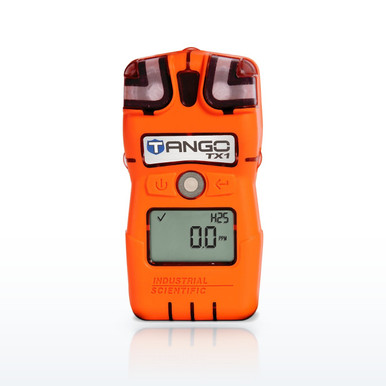
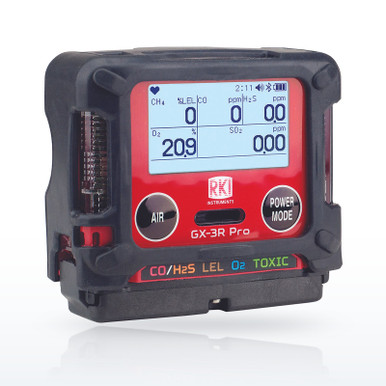
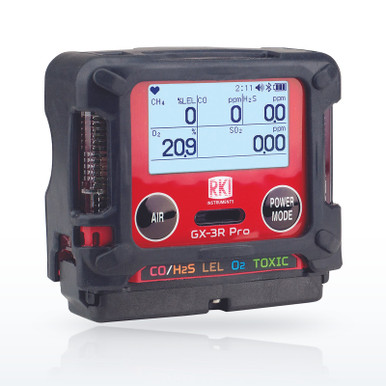
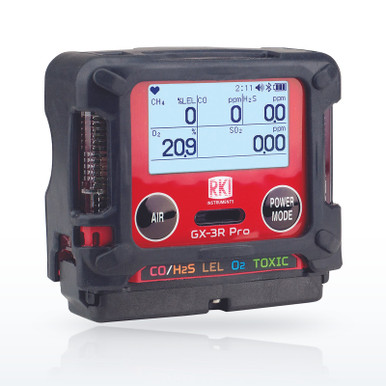
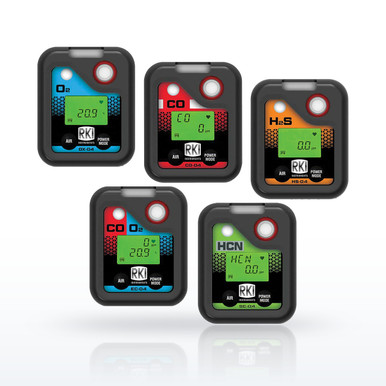
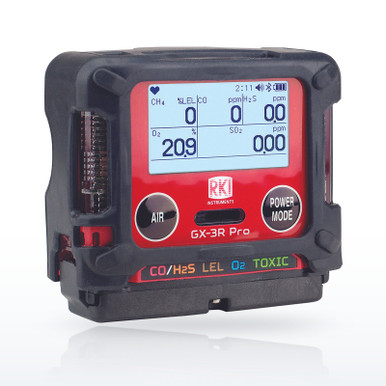
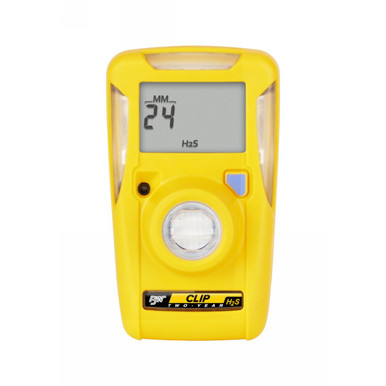
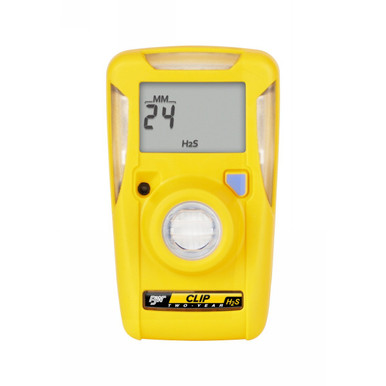
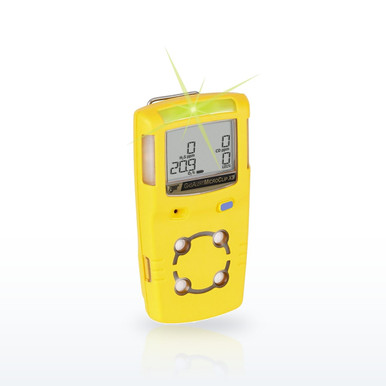
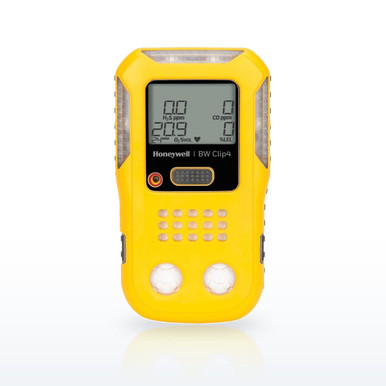
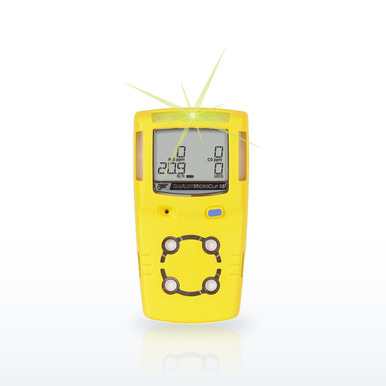
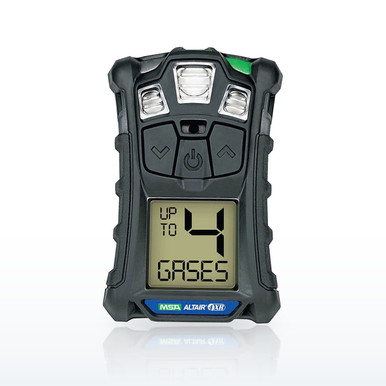
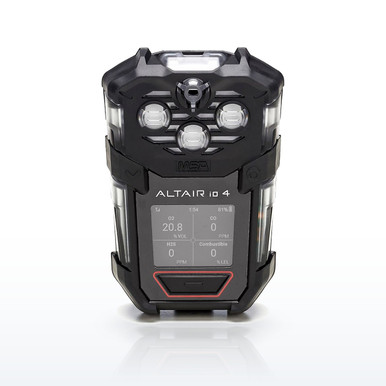
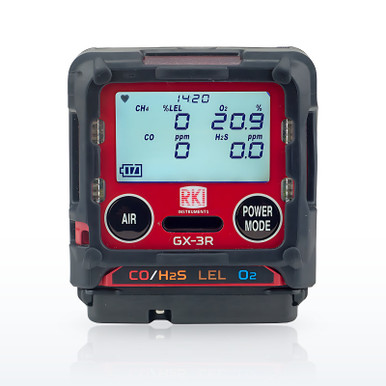
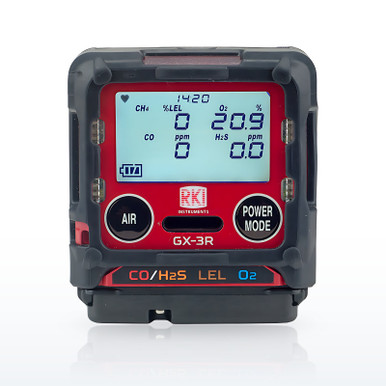
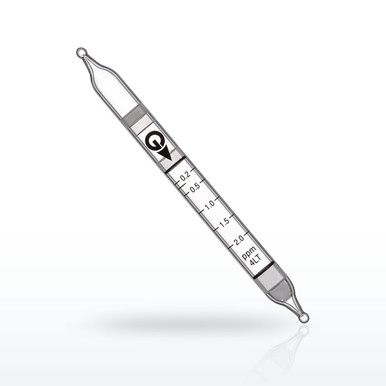
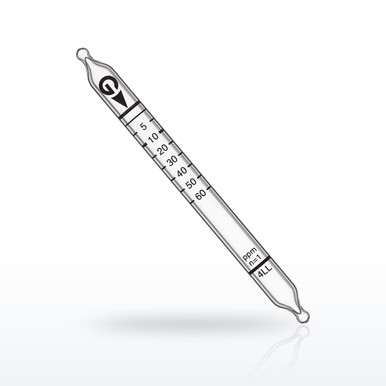
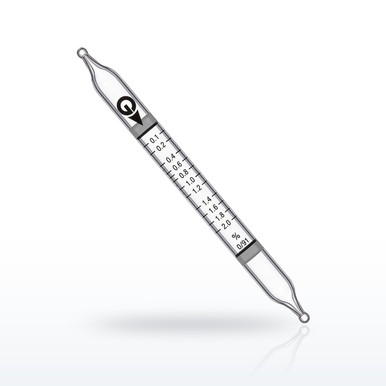
Docking stations, replacement H2S sensors and pumped (sample-draw) units are in the gas detection finder.
Questions people ask
What is the OSHA PEL for H2S?
In general industry, a ceiling of 20 ppm, never exceeded, with one 10-minute peak up to 50 ppm allowed per shift if no other measurable exposure occurs. In construction and shipyards, 10 ppm as an 8-hour average. (1910.1000 Table Z-2; 1926.55; 1915.1000.)
What is the NIOSH limit for H2S?
A ceiling of 10 ppm for any 10-minute period. NIOSH lists 100 ppm as immediately dangerous to life or health.
What is the ACGIH TLV for H2S?
1 ppm as an 8-hour time-weighted average and 5 ppm as a 15-minute short-term limit, the lowest of the published values.
What level of H2S is dangerous?
OSHA lists eye and airway irritation from about 50 ppm, loss of smell at 100 ppm, collapse within minutes at 500 to 700 ppm, and knockdown within 1 to 2 breaths at 700 to 1,000 ppm. NIOSH calls 100 ppm immediately dangerous.
What should the H2S alarm be set at?
Common factory settings are 10 ppm low and 15 ppm high; some clip monitors are sold at 5 and 10. The employer’s written program can set them lower, for example 1 ppm TWA and 5 ppm STEL to match ACGIH.
Is 10 ppm of H2S safe?
10 ppm is the NIOSH ceiling and the construction 8-hour limit, so it is the level at which programs say leave the area. It is above the ACGIH 1 ppm average. It is not immediately dangerous, but it is not a level to work in.
What is the difference between a ceiling and a TWA for H2S?
A ceiling may never be exceeded, even for a second. A TWA is an average over the shift, so brief higher readings are allowed if the average stays under the number and no ceiling is broken.
Does an H2S monitor show TWA and STEL?
Single-gas and multi-gas monitors with a display compute the running TWA and 15-minute STEL from their readings and alarm on them; maintenance-free clip monitors alarm on the instantaneous level only. Check the product page for the model.
Standards and ratings on this page are as published in the documents named and by the manufacturers named. The employer’s hazard assessment and written program decide what applies at a given workplace. Verify a rating on the product and its spec sheet before use.