
How often should hearing protection be replaced?
It depends on the type, and the makers publish the intervals. Disposable foam plugs: throw them away at the end of every shift, sooner if dirty or if they do not spring back. Push-in foam plugs on a stem: about every 5 days. Reusable pre-molded plugs and the pods on banded protectors: every 2 to 4 weeks with proper cleaning, at once if a flange tears or the material hardens. Earmuff cushions and the foam inside the cups: at least twice a year per 3M, every 6 to 8 months per Honeywell, or every 3 to 4 months with heavy use, sweat or heat, using the hygiene kit made for the muff. The muff itself goes when the headband no longer holds the cups snug or the shell cracks. OSHA’s rule is simpler: the employer provides protectors and replaces them as necessary.
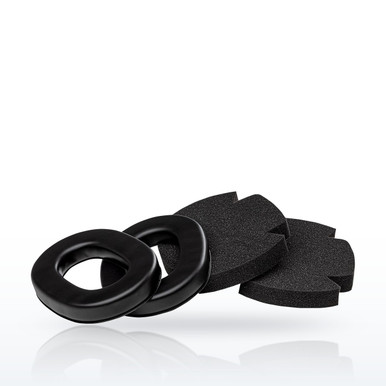 PIP 263-HYGV12 Earmuffs, Hygiene Kit For V1 & V2 Passive Ear MuffsReplacement cushions and foam for the muffs we carry
Why does a worn protector matter? A hearing protector only works through its seal, and the seal is the part that wears. Foam that has lost its slow recovery does not expand to fill the canal. A flange with a split lets sound straight past. A muff cushion that has gone hard or flat leaves a gap all the way round, and OSHA’s technical manual notes that even a small leak destroys a muff’s effectiveness. None of this shows on the NRR label, which assumed a new protector properly fitted. The replacement schedule is how the label rating stays true in month six.
What is the replacement interval for each type?
As published by the manufacturers of the protectors we carry. Where two makers differ, both figures are given.
What does OSHA require?
That the employer provide hearing protectors to employees at or above the 85 dBA action level at no cost, and replace them as necessary. The standard does not set intervals; the manufacturers do, and the employer’s training must cover the care of the protectors issued. The attenuation check under Appendix B assumes the protector is in the condition it was rated in, so a program that never replaces cushions is quietly running on a lower NRR than the one it wrote down.
1910.95(i)(1) (provided at no cost; replaced as necessary); (i)(4) (training in use and care); (k)(3)(ii) (care of protectors in annual training); Appendix B (ratings assume properly fitted and worn protectors).What are the signs it is time, regardless of the calendar?
- Foam plug: squeeze it and it stays dented, or it feels stiff, or it is visibly dirty.
- Pre-molded plug: a torn, cracked or missing flange; the stem separated; the material gone hard; wax or grit that will not wash off.
- Push-in plug: the foam tip loose on the stem, or it will not hold a deep fit.
- Banded protector: pods hard or torn; a band that has lost its spring and no longer presses the pods in.
- Earmuff cushion: cracked, hard, flattened, peeling, or sticky; a visible gap when you press the cups on.
- Earmuff foam liner: compressed, torn or damp. Never wet it.
- Headband: cups no longer meet in the middle when the muff is off, or the band has been bent out wide to fit over a hat.
- Anything that has been through a washer, a dryer, a solvent, or a dashboard in summer (3M says not to store above 130 F).
How do you make replacement happen on a crew?
- Disposables: a dispenser by the door. A wall-mount dispenser with a 400- or 500-pair refill makes a fresh pair every shift the easy option. Count refills against headcount to see whether people are reusing.
- Reusables: a date. Issue reusable plugs with a case and a replacement date 4 weeks out written on the case. Replace on the date, not when someone complains.
- Muffs: hygiene kits on a schedule. Order the kit for each muff model at issue and change cushions and foam every 6 months, or every 3 months in hot or dirty work. Put it on the same calendar as fire extinguisher checks.
- Inspect at the annual training. The standard requires annual training on the care of protectors; use that session to look at everyone’s plugs and muffs and swap what has failed.
- Log it. A line in the PPE log per person: what was issued, when, when replaced. It is the evidence the protector was in rated condition.
Refills, replacement pods and hygiene kits
27 items · prices liveHygiene kits and pods fit the muff or band named on each product page; refills fit the dispenser named. NRR shown is the manufacturer’s figure for the plug supplied. Free shipping on orders over $199.
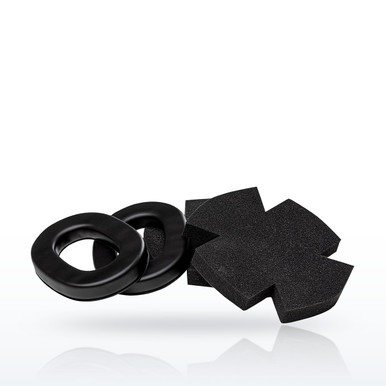
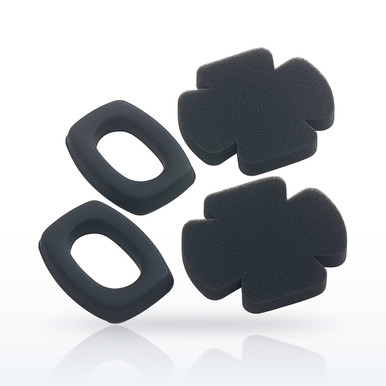
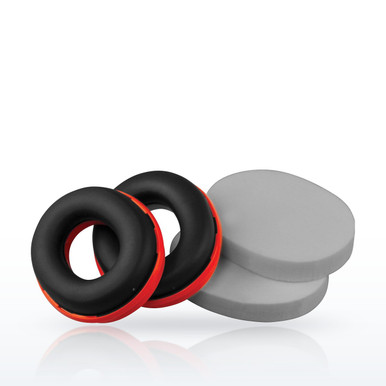
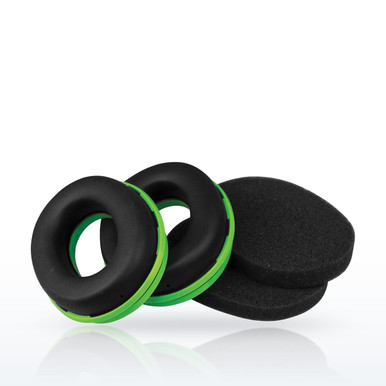
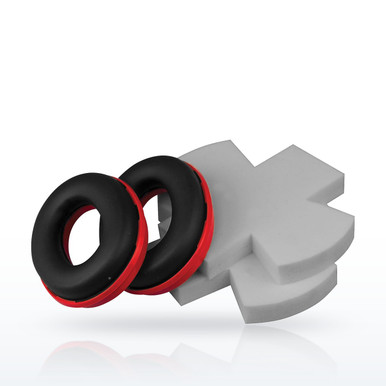
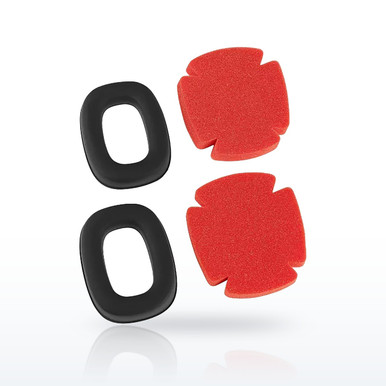
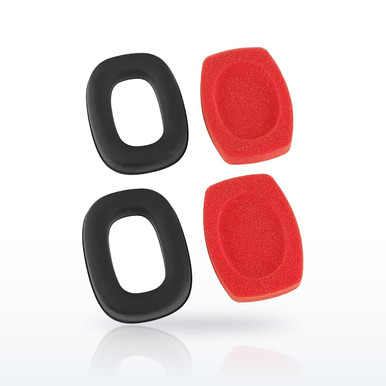
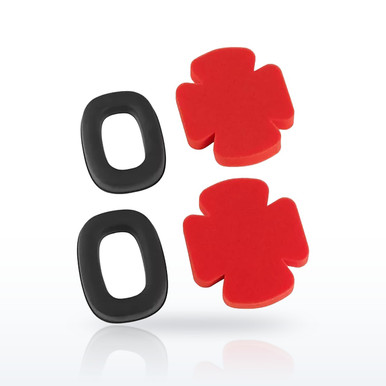
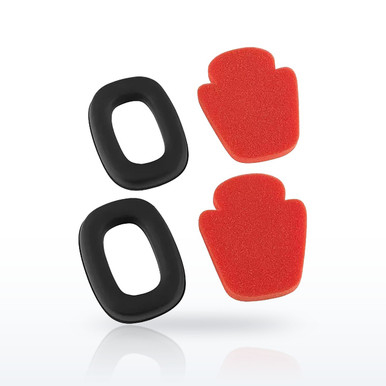

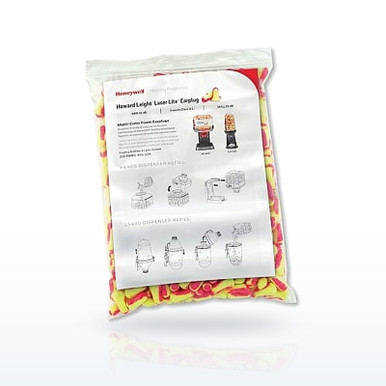
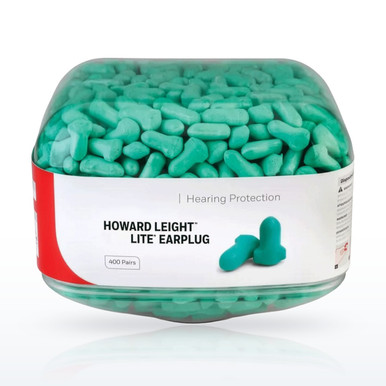
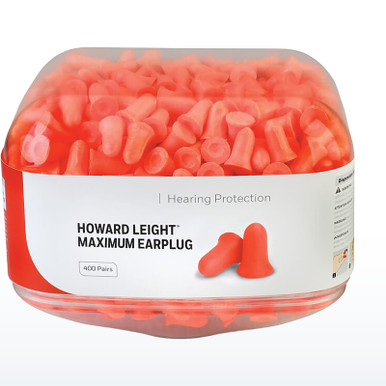
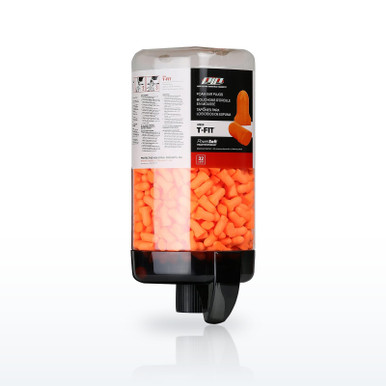
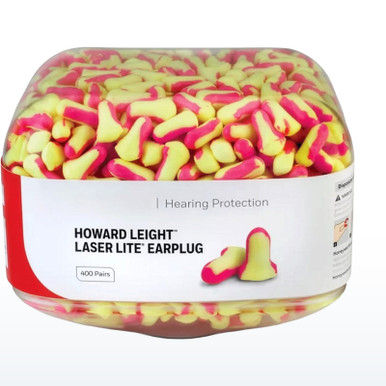
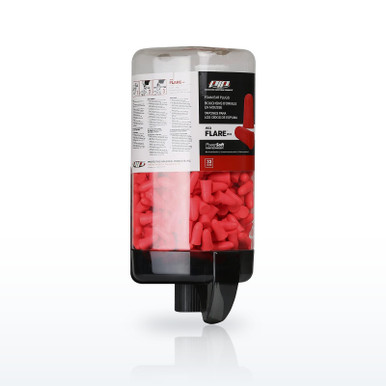
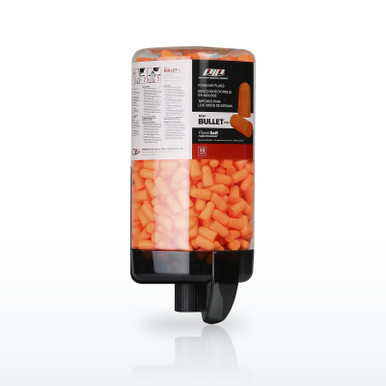

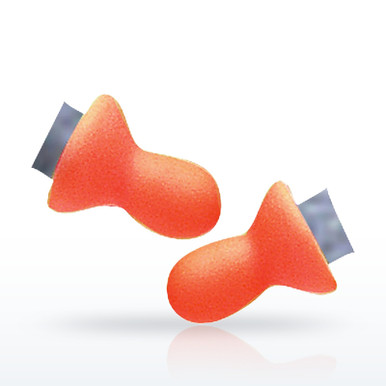
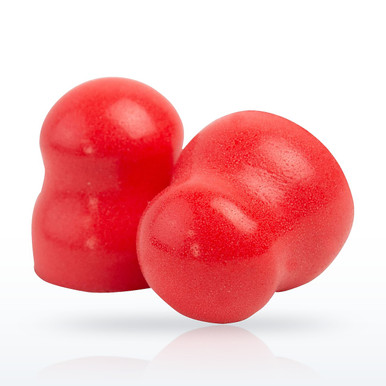
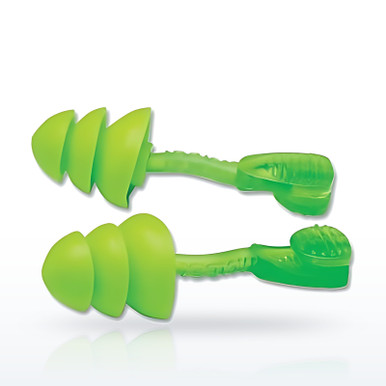
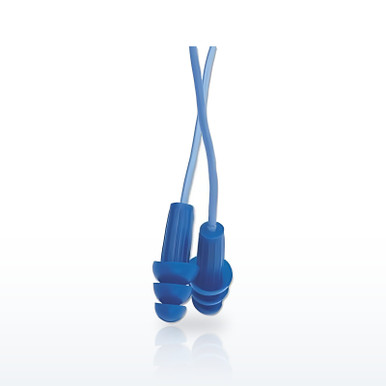

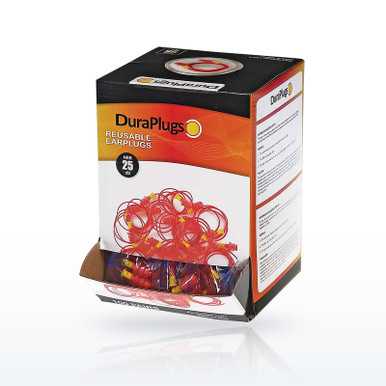
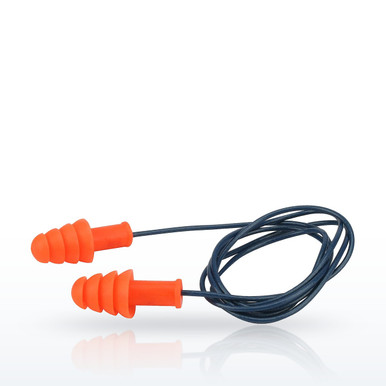
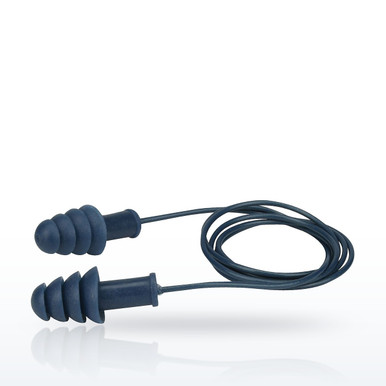
The muffs and bands these kits fit, and the dispensers the refills fit, are in the hearing protection finder.
Questions people ask
How often should you replace foam ear plugs?
Every shift, per Honeywell, and sooner if they are dirty, stiff or do not spring back. They cannot be washed.
How long do reusable ear plugs last?
About 2 to 4 weeks with daily use and washing in mild soap and water, per Honeywell; replace at once if a flange tears or the plug hardens.
How often should earmuff cushions be replaced?
At least twice a year per 3M; every 6 to 8 months under normal wear or every 3 to 4 months in heavy use, heat or humidity per Honeywell. Use the hygiene kit for the model.
How do you know earmuff cushions are worn out?
Cracked, hard, flat, peeling or sticky, or a visible gap when the cups are pressed on. Your own voice should sound muffled with the cups down.
Can you wash earmuffs?
Wipe the cushions and shells with mild soap and water; do not immerse, and never wet the foam inserts inside the cups.
How often should banded ear plug pods be replaced?
Every 2 to 4 weeks per Honeywell, or at once if torn, hard or dirty.
Does OSHA say how often to replace hearing protection?
No interval. The employer must provide protectors free and replace them as necessary, and train employees in their care every year. (1910.95(i)(1) and (k).)
Do ear plugs expire in the package?
Check the package for any date the maker prints. Store them dry and out of heat (3M says not above 130 F) and issue the oldest stock first. A plug that is stiff or discolored out of the bag is discarded like any other.
Standards and ratings on this page are as published in the documents named and by the manufacturers named. The employer’s hazard assessment and written program decide what applies at a given workplace. Verify a rating on the product and its spec sheet before use.