
Reusable vs disposable ear plugs: how the ratings and care differ
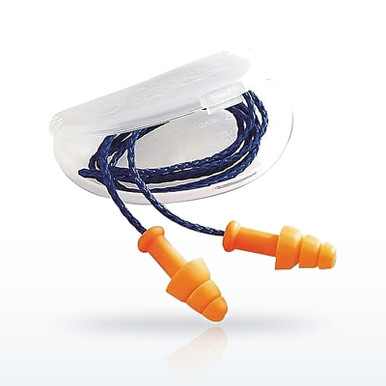
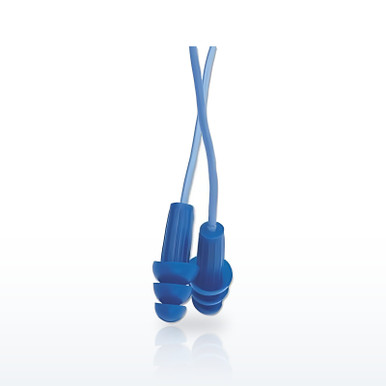
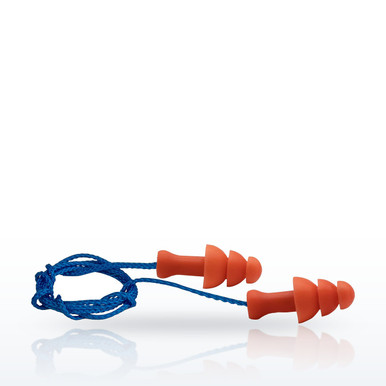
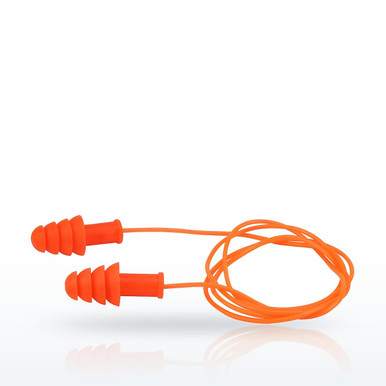
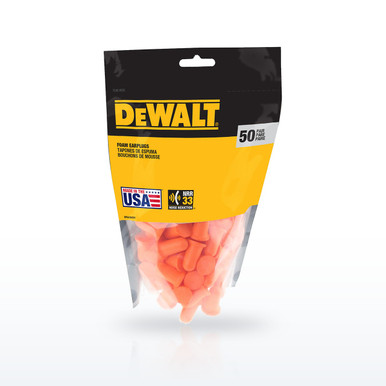
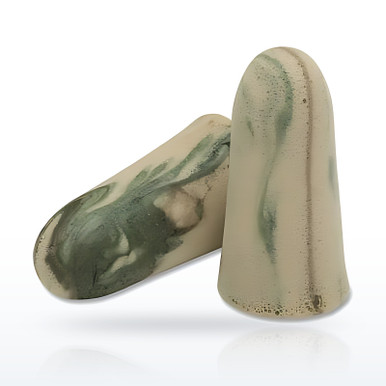
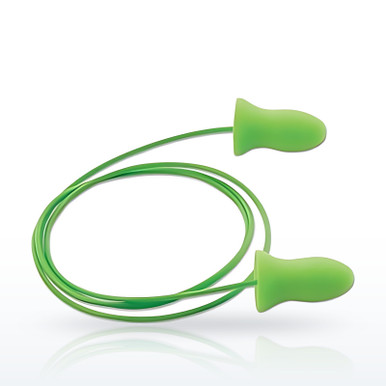
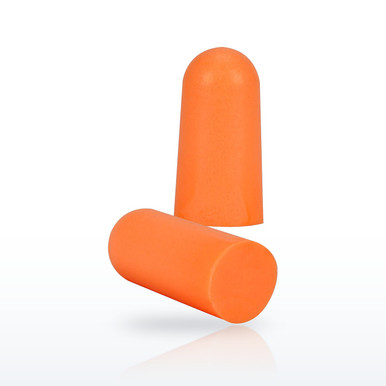
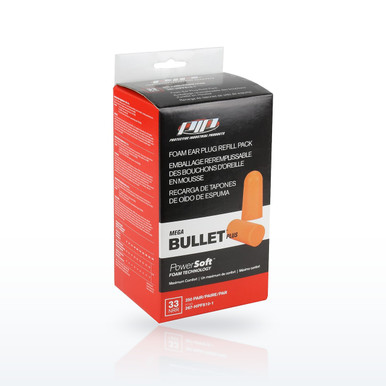
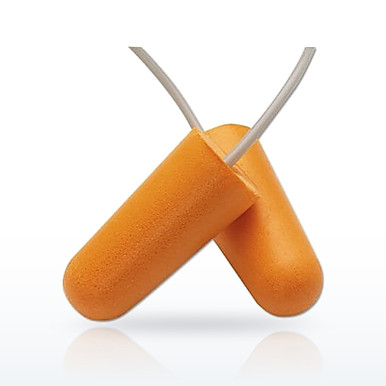
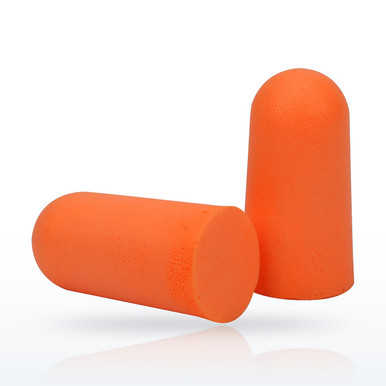
Disposable ear plugs are slow-recovery foam: you roll them thin, slide them in and they expand to fill the canal. They carry the higher label ratings, NRR 30 to 33 in our catalog, and the makers say to discard them at the end of the shift or sooner if they are dirty or will not spring back. Reusable plugs are pre-molded silicone, TPE or TPR with flanges; you push them in without rolling, wash them in mild soap and warm water, and keep them in a case. They rate NRR 25 to 28, and the makers say to replace them every 2 to 4 weeks. Foam wins on the label; a flanged plug wins on consistency, because there is no roll to get wrong, and on cost when it is worn every day.
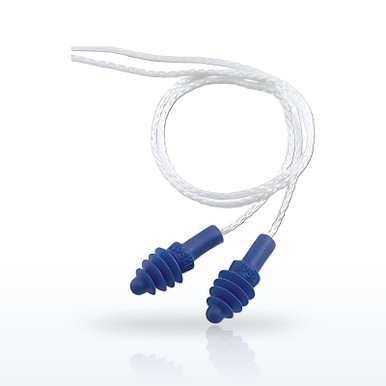
Why do the two types rate differently? A foam plug expands to the exact shape of the canal, so in the laboratory, fitted deep by an experimenter, it seals better than any pre-molded shape and earns a higher NRR. A flanged plug seals on its rings, which fit a range of canals well but none perfectly. In the field the order can reverse: NIOSH takes 50 percent off a foam plug’s label and 70 percent off other plugs because both are so dependent on insertion, and a foam plug rolled badly or seated shallow loses more than its extra points. What the rating cannot tell you is which one a given person will insert correctly all shift.
How do they differ?
As published by the manufacturers of the plugs we carry.
What about push-to-fit foam plugs?
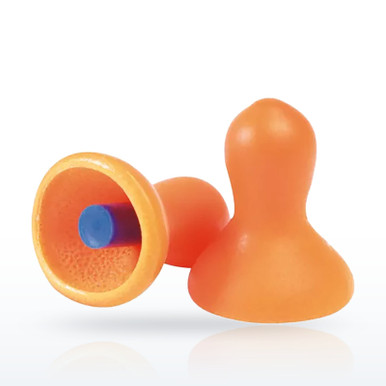
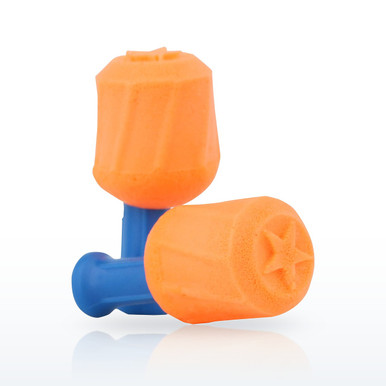
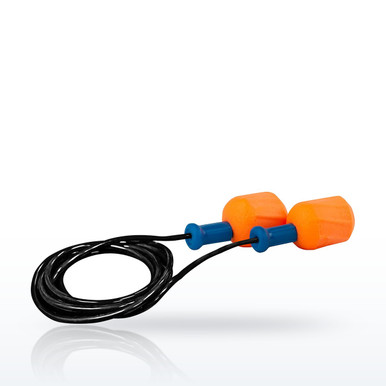
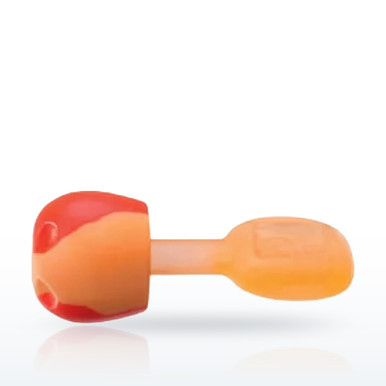
A third type sits between the two: a foam tip on a plastic stem, inserted by pushing like a pre-molded plug but sealing like foam. The makers class them as reusable within a short window: wipe the tip, do not wash it, and replace the pair about every 5 days or when the tip detaches, hardens or will not regain its shape. Ratings run NRR 28 to 31 in our catalog. They suit people who cannot roll foam well (gloves, dirty hands, no training) but want a foam seal.
Honeywell Howard Leight, How to Insert and Clean Reusable Earplugs (push-in foam replaced every 5 days); 3M, Cleaning and Inspection for Earplugs and Earmuffs (push-to-fit: wipe, replace if damaged or no longer pliable).How does OSHA treat the two types?
The same. Both are hearing protectors; the employer must offer a variety and let the employee choose a suitable one, fit it initially and supervise its use, and show by an Appendix B method that it brings exposure to 90 dBA or lower (85 after a standard threshold shift). The NRR used in that arithmetic is whatever is on the package, so a reusable NRR 27 plug and a foam NRR 33 plug are judged against the same noise level with their own numbers: at 95 dBA the reusable plug gives 95 minus 20 = 75, the foam plug 95 minus 26 = 69. Both pass. OSHA requires the employer to replace protectors as necessary, which for foam means a steady supply, and for pre-molded means a replacement schedule.
1910.95(i)(1), (i)(3), (i)(5); (j)(1), (j)(2), (j)(3); Appendix B (NRR minus 7 for A-weighted levels).In construction, plugs must be fitted or determined individually by a competent person. A pre-molded plug that comes in sizes (several makers offer small and regular) makes that easier to document than a one-size foam plug.
29 CFR 1926.101(b).How do you tell when a plug is done?
- Foam: it is dirty, it feels stiff, or you squeeze it and it does not slowly return to its full size. Any of those and it goes in the bin.
- Pre-molded: a flange is torn, cracked or separated from the stem, or the material has gone hard. Hold it up to the light; a split flange shows.
- Push-to-fit: the tip has come loose from the stem, is hard, or stays dented after a squeeze.
- Any plug that has been on the floor, in a pocket with grit, or in someone else’s ear.
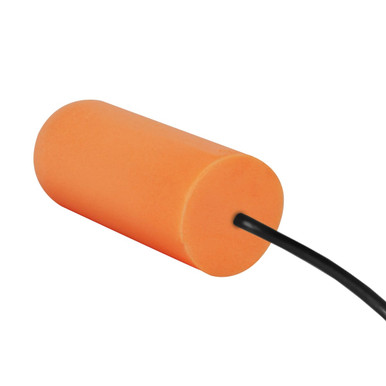
- Corded plugs: a cord that has stiffened or frayed is a reason to replace the pair, not to cut the cord off.
Reusable and disposable ear plugs by NRR
32 items · prices liveReusable or disposable and NRR are as published by the manufacturer. Pack size, cord and metal-detectable versions are on the product page. Contractor Direct orders ship free.
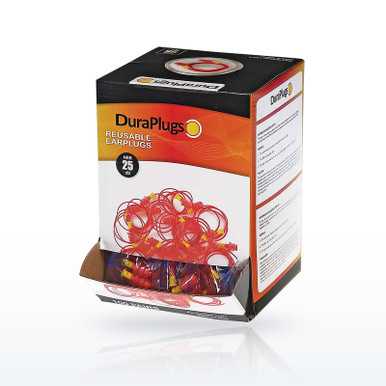
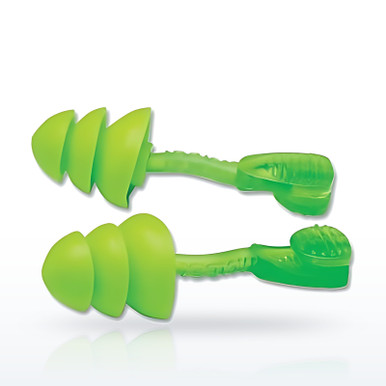

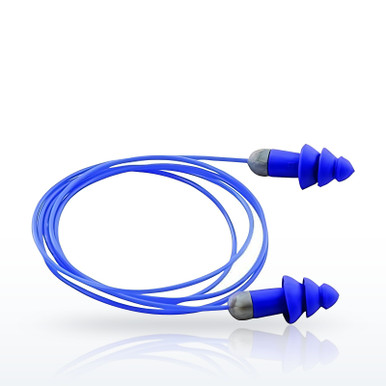
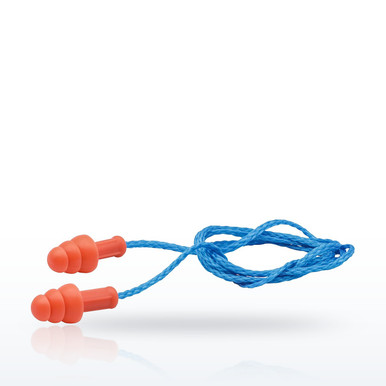

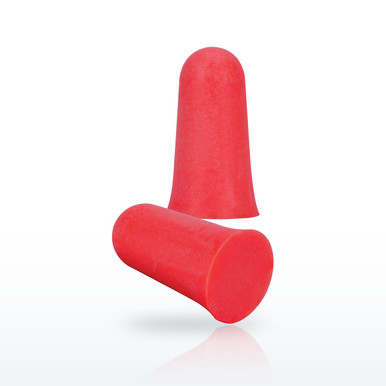
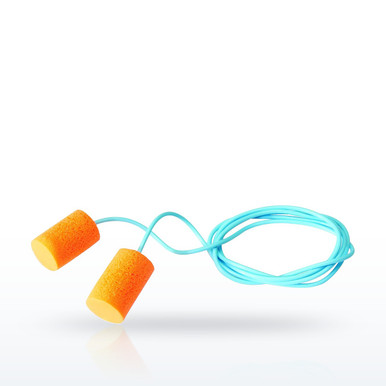
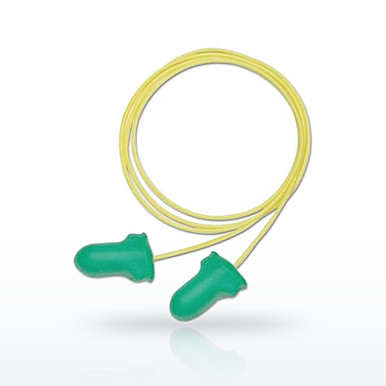
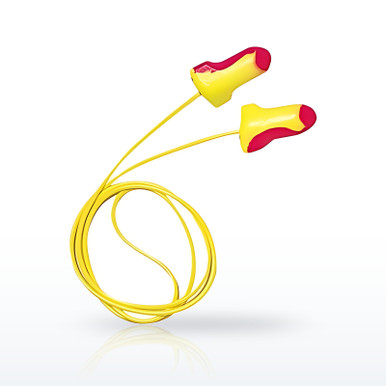
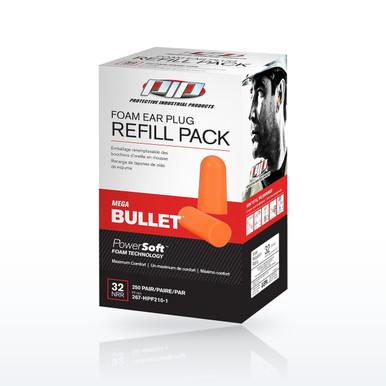
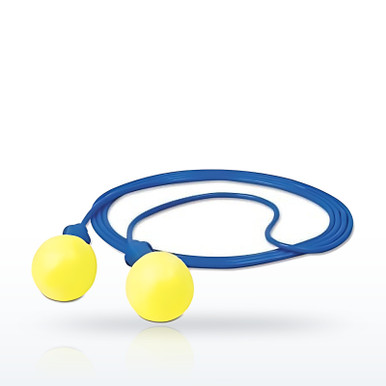
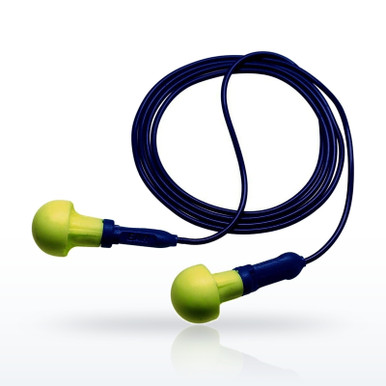
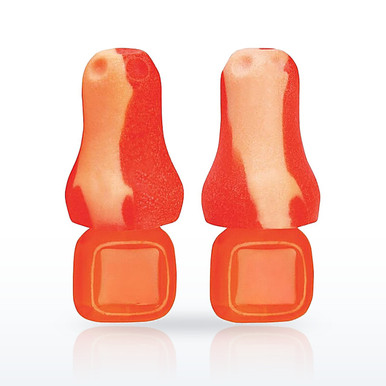

Dispensers and bulk refills for foam plugs, and banded plugs, are in the hearing protection finder.
Questions people ask
Which has a higher NRR, reusable or disposable ear plugs?
Disposable foam, as a rule: NRR 30 to 33 in our catalog against 25 to 28 for reusable pre-molded plugs. The band above shows each item’s manufacturer rating.
How many times can you reuse foam ear plugs?
The makers say to discard them at the end of each shift, and sooner if they are dirty or no longer spring back. They cannot be washed.
How long do reusable ear plugs last?
About 2 to 4 weeks with daily use and proper cleaning, per Honeywell. Replace at once if a flange tears or the plug hardens.
How do you clean reusable ear plugs?
Mild soap and warm water, air dry, store in the case. No solvents, alcohol or wipes with alcohol in them; they damage the material.
Are reusable ear plugs as good as foam?
Lower on the label, but a flanged plug cannot be rolled wrong, so for someone who inserts foam shallow the reusable plug may protect better. Fit testing is the only way to know for a given person.
Can you wash foam ear plugs?
No. 3M and Honeywell both say foam plugs are not washable; wipe debris off between uses and discard at the end of the shift.
Does OSHA say which type to use?
No. OSHA requires a choice of suitable protectors, initial fitting and an Appendix B check that the chosen one brings exposure to 90 dBA (85 after a threshold shift). (1910.95(i) and (j).)
Standards and ratings on this page are as published in the documents named and by the manufacturers named. The employer’s hazard assessment and written program decide what applies at a given workplace. Verify a rating on the product and its spec sheet before use.