
How to clean up an oil or diesel spill in a shop, a yard or on a jobsite
Stop the flow first, keep it out of the drain second, soak it up third. Put on gloves and eye protection, shut the valve or right the container, ring the spill with sorbent socks or a berm so it cannot spread or reach a storm drain, lay oil-only pads or granular absorbent over it, let them soak, pick them up, wipe the surface, and bag the used sorbent for disposal as used-oil waste. A spill that reaches a storm drain, a creek or the ground has to be reported; most shop-floor spills do not, as long as they are cleaned up and the sorbent is handled properly.
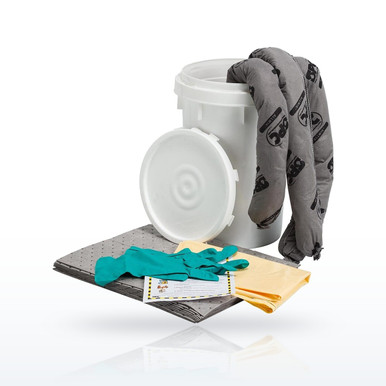
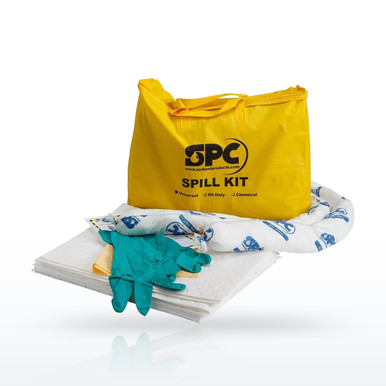 Brady SKO-PP Sorbent Kits, SPC Oil Only Portable Spill Kit in Yellow PVC BagOil-only spill kit: pads, socks, gloves, bags
Why does an oil spill need a procedure? Because the damage is not the puddle, it is where the puddle goes. A few gallons of diesel into a storm drain is a reportable release to a waterway and the fines are set by the gallon; the same spill on a concrete floor is a mop-up. And because people get hurt cleaning up: slips on the oil, fumes in a closed bay, a cigarette near gasoline. The procedure keeps the oil in one place and the worker out of it.
What do you need before the spill?
Cleanup is only fast if the kit is already there.
How do you clean up an oil or diesel spill?
- Make it safe. Kill ignition sources around fuel: no smoking, no grinding, shut off engines and heaters. Ventilate a closed bay. If the spill is large, the product is unknown, or there are fumes you cannot tolerate, get out and call the emergency number; cleanup of a release beyond incidental size is 1910.120 work for trained responders.
- Stop the source. Close the valve, upright the container, plug the leak, shut the pump. Nothing else helps while it is still flowing.
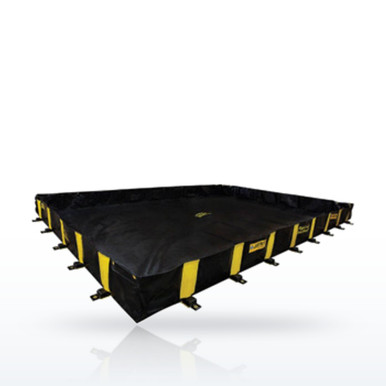
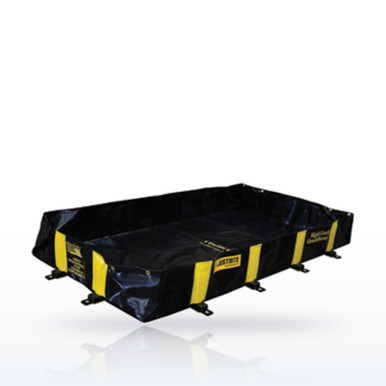
- Protect the drains and the perimeter. Drop a drain cover on any storm drain or floor drain downhill. Ring the spill with sorbent socks or a portable berm, starting on the downhill side, so it cannot spread.
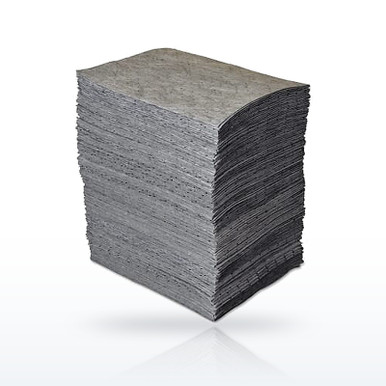
- Absorb. Lay oil-only pads over the pooled liquid, or spread granular absorbent and work it in with a broom. Start at the outside and work in. Replace pads as they saturate; a pad holds about 20 times its weight.
- Pick it up. Saturated pads, socks and granular go into heavy poly bags or a lined drum. Do not wring pads out into a drain.
- Clean the surface. Wipe or degrease the residue so the floor is not a slip hazard; dispose of the wipes with the sorbent.
- Label and dispose. Used sorbent with oil on it is handled as used-oil waste: in most states it can go to a used-oil recycler or, if it is not free-dripping, in the regular trash where the local authority allows; sorbent with gasoline or solvent on it may be hazardous waste. Follow the state rule and the hauler’s instructions.
- Restock and record. Replace what you used so the kit is whole, and note the spill: what, how much, where it went, what you did. The record is what you show an inspector.
Which sorbent for which spill?
- Oil-only (usually white or blue): oil, diesel, gasoline, hydraulic fluid, on dry or wet surfaces and on water. Repels water.
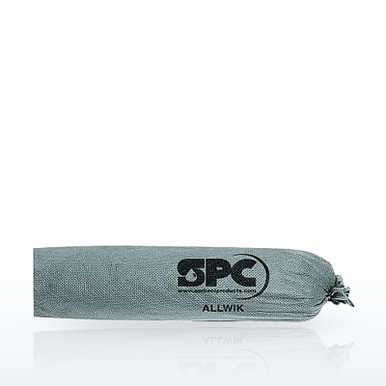
- Universal (usually gray): oils and water-based liquids, coolants, mild chemicals, indoors. Absorbs water too.
- Hazmat or chemical (usually yellow or pink): acids, caustics and aggressive chemicals; also absorbs oil.
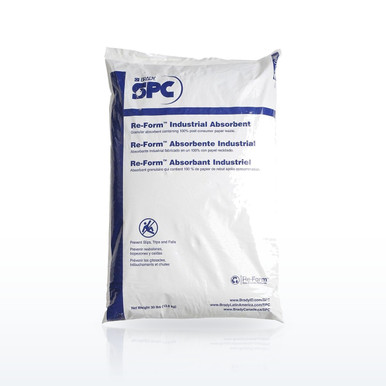
- Granular clay or polymer: for rough floors and gravel, and for working into cracks; heavier to dispose of.
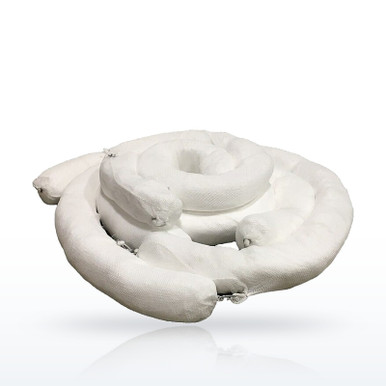
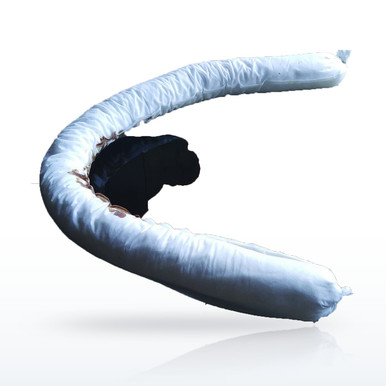
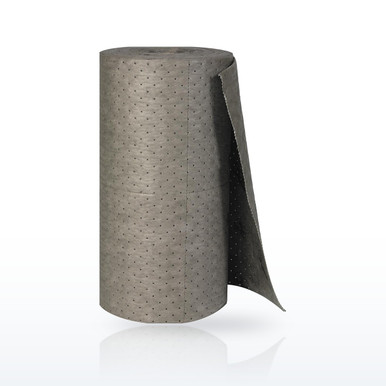
- Socks and booms: to ring a spill, line a drain, or float on water. Pillows: for drips and sumps. Pads and rolls: for the pool.
When does an oil spill have to be reported?
Federally, any discharge of oil that reaches navigable waters or adjoining shorelines in a quantity that causes a sheen or sludge must be reported to the National Response Center (800-424-8802) immediately; that includes a storm drain that leads to a creek. A spill that stays on a floor or on the ground inside the facility and is cleaned up is generally not a federal report, but most states require notification of releases to soil above a threshold, and California requires immediate notification to the Office of Emergency Services and the local administering agency for any release that threatens health or the environment. A facility that stores more than 1,320 gallons of oil above ground needs a written SPCC plan under 40 CFR 112 that spells out its own reporting and cleanup steps.
40 CFR 110.3 and 110.6 (sheen rule, NRC notification); 40 CFR 112.1 (SPCC applicability, 1,320-gallon threshold) and 112.4 (reporting); California Health and Safety Code 25510 and Cal OES spill reporting; state equivalents elsewhere.What does OSHA require of the workers doing cleanup?
OSHA draws a line between an incidental release, one the workers in the area can clean up with the supplies at hand without a hazard beyond the product’s normal use, and an emergency release that needs outside responders. Incidental spills can be handled by the regular crew with the PPE the SDS calls for and HazCom training. Anything bigger, uncontrolled, or involving a product that threatens the people cleaning it is emergency response, and only workers trained under 1910.120(q) may do it. The written emergency response plan says who does what; a shop that expects to handle only incidental spills can say so in writing and train to that.
29 CFR 1910.120(a)(3) (definitions: emergency response, incidental release); 1910.120(q)(1) and (q)(6) (plan and training levels); 29 CFR 1910.1200 (HazCom training); OSHA letters of interpretation on incidental releases.How do you keep a spill from happening?
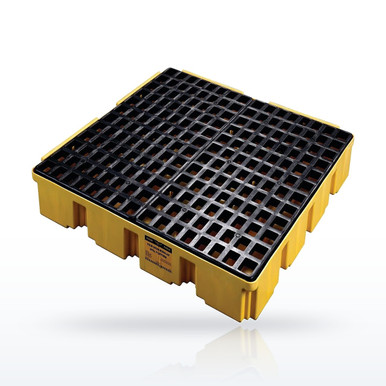
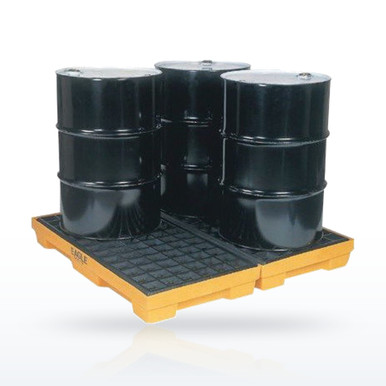
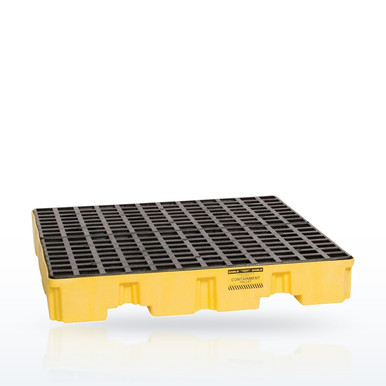
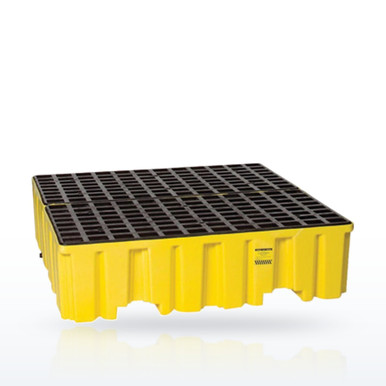
- Drums on spill pallets with containment for the largest drum, and totes on containment that holds 110 percent of the tote.
- Funnels and pumps instead of pouring; drip pans under fittings and parked equipment.
- Drain covers kept at the fueling area and the loading dock, not in a storeroom.
- Kits marked and mounted where the spills happen: fuel island, drum storage, maintenance bay, the service truck.
- A monthly walk: kit contents, pallet sumps empty, berms intact.
Oil-only spill kits, sorbents and containment
22 items · prices liveSorbent type and capacity are as published by the manufacturer. Oil-only sorbents repel water; universal sorbents absorb everything. Contractor Direct orders ship free.
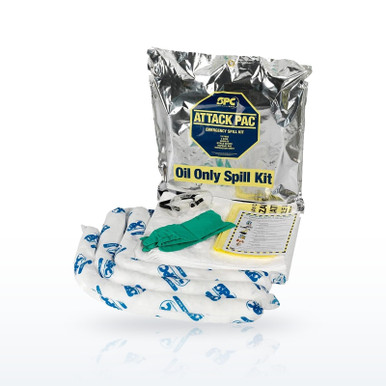
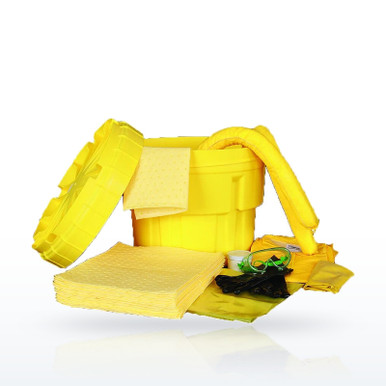


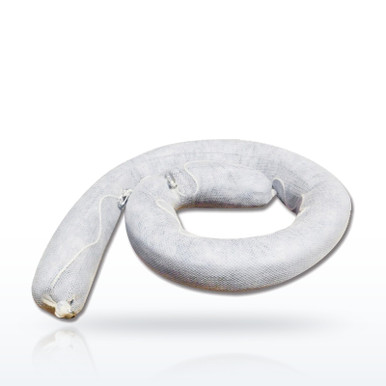



Spill pallets, berms, drain covers and hazmat sorbents are on the spill control finder.
Questions people ask
What is the first thing to do when oil spills?
Make the area safe (no ignition sources, ventilate), then stop the source, then block the drains. Absorbing comes after the oil has stopped moving.
What absorbs diesel fuel best?
Oil-only polypropylene pads and socks: they soak up fuel, repel water and hold about 20 times their weight. Granular clay works on rough or gravel surfaces.
Can you put oil-soaked absorbent in the trash?
It depends on the state and the product. Sorbent that is not free-dripping with used motor oil is often allowed in regular trash or sent to a used-oil recycler; sorbent with gasoline or solvents may be hazardous waste. Follow your state rule and the hauler.
How much oil has to spill before you report it?
Any amount that reaches water or a storm drain and makes a sheen is reportable to the National Response Center. Spills contained on site generally are not federally reportable; state rules vary and California requires notification of threatening releases.
Can I use kitty litter on an oil spill?
Clay litter absorbs oil and works in a pinch on a floor, but it is heavy, dusty, slow, and does not float; purpose-made granular or pads work faster and are easier to dispose of.
What should be in an oil spill kit?
Oil-only pads and socks, granular absorbent for rough ground, nitrile gloves and glasses, disposal bags with ties, a drain cover for sites with drains, and the SDS for the products stored nearby, in a container sized to the largest likely spill.
What is an SPCC plan?
A written spill prevention, control and countermeasure plan required by the EPA for facilities storing more than 1,320 gallons of oil above ground (or 42,000 underground) that could reach water. It covers containment, inspections, training and reporting. (40 CFR 112.)
How do you prevent oil spills at work?
Secondary containment under drums and totes, pumps and funnels instead of pouring, drip pans, drain covers staged where spills happen, and kits mounted at the fuel island and the drum rack.
Standards and ratings on this page are as published in the documents named and by the manufacturers named. The employer’s hazard assessment and written program decide what applies at a given workplace. Verify a rating on the product and its spec sheet before use.