
What are sorbents, and how do absorbent pads, socks and booms differ?
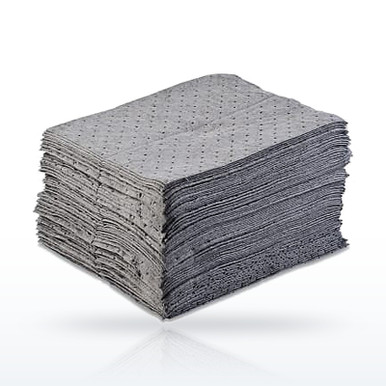
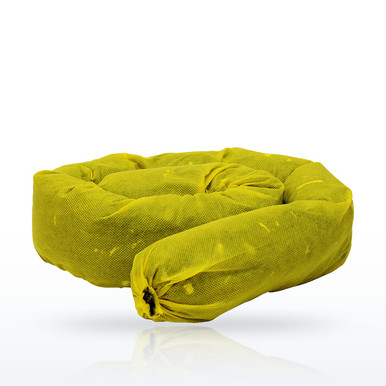
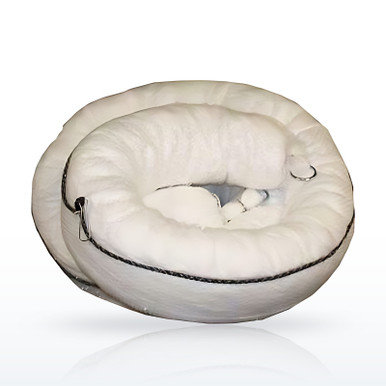
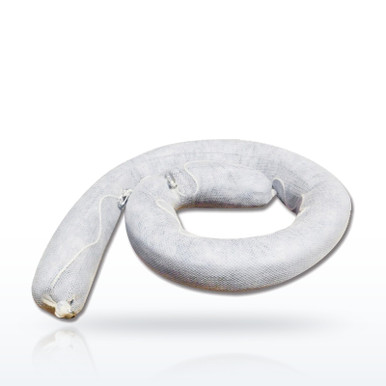
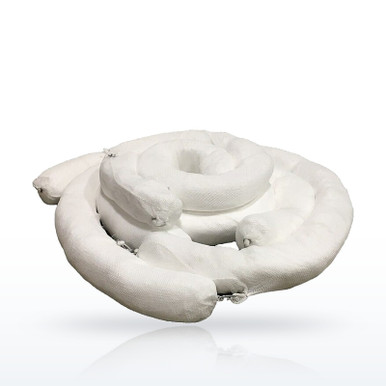
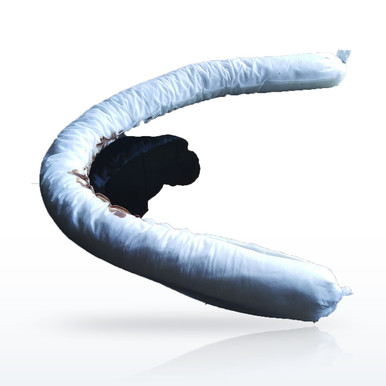
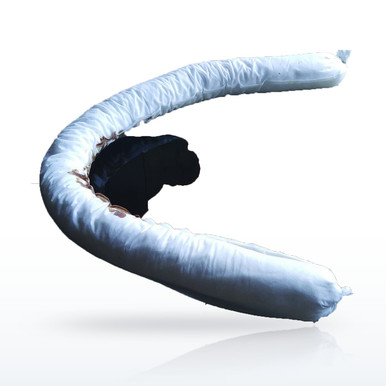
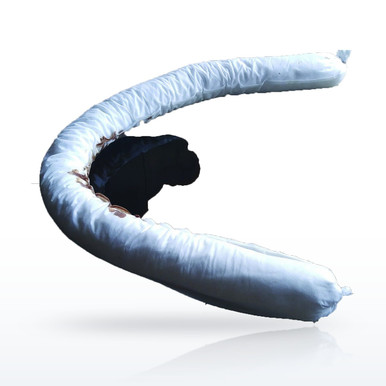
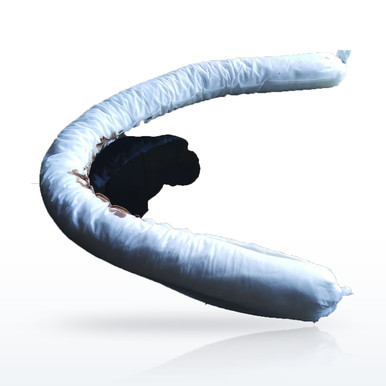
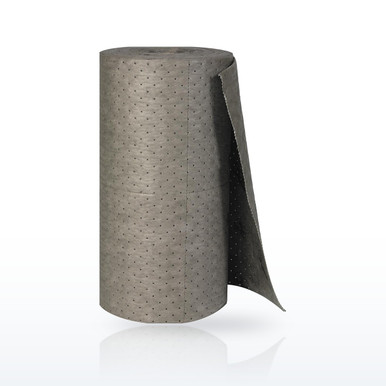
A sorbent is a material made to soak up a spilled liquid so it can be picked up and carried away. Pads lie flat on a pool. Rolls are pads by the foot. Socks are tubes you lay around a spill or a machine to keep it from spreading. Pillows sit under a drip or in a sump. Booms are big socks built to float and link together on water. The material inside decides what it soaks up: oil-only sorbent takes oil and fuel and repels water, universal sorbent takes oil and water-based liquids both, and hazmat sorbent is made for acids, caustics and other aggressive chemicals.
Why do sorbents come in so many shapes? Because a spill is never one shape. The pool in the middle needs surface area, so a pad or a roll. The edge that is creeping toward a drain needs a wall, so a sock. The slow drip under a fitting needs something that can sit there for a week, so a pillow. A sheen on a pond needs something that floats and can be anchored, so a boom. The same polypropylene fiber is folded into all of them; the shape is chosen for the job, and the fill is chosen for the liquid.
What are the forms of sorbent?
ASTM F726, the test method manufacturers use to rate sorbents for oil, sorts them into four types by shape. The trade names map onto them.
Oil-only vs universal vs hazmat sorbents: which to use?
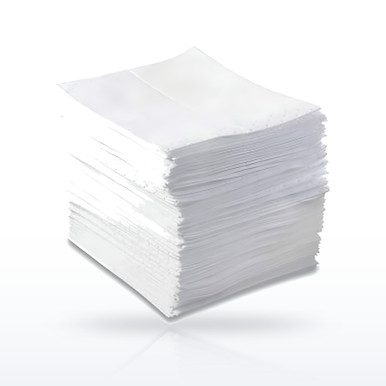
Oil-only sorbent is polypropylene made to repel water. It soaks up oil, diesel, gasoline, hydraulic fluid and other petroleum products and will not take on water, so it works on a wet floor, in the rain and floating on a pond. The oil booms and most pads sold for fuel spills are this type. It is usually white, and manufacturers rate it for its oil capacity under ASTM F726.
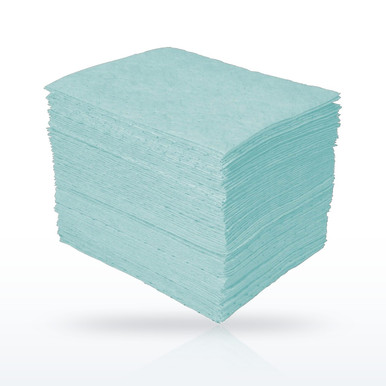
ASTM F726-17 (reapproved 2024): oil and water adsorption, buoyancy and water pick-up tests for adsorbents used on oil and other floating, immiscible liquids; manufacturer product data for the items shown below.Universal sorbent, also called general purpose or maintenance sorbent, soaks up whatever it touches: oil, coolant, water, solvents and mild chemicals. It is the shop-floor sorbent for leaks under machines and mixed spills. Its weakness is water: on a wet surface or outdoors it fills with water first and has nothing left for the oil. It is usually gray.
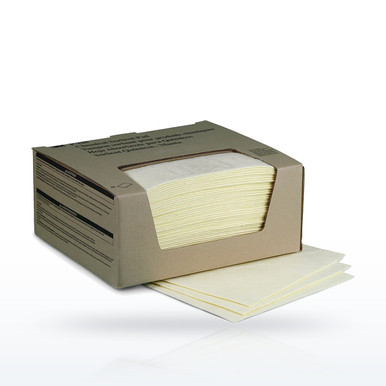
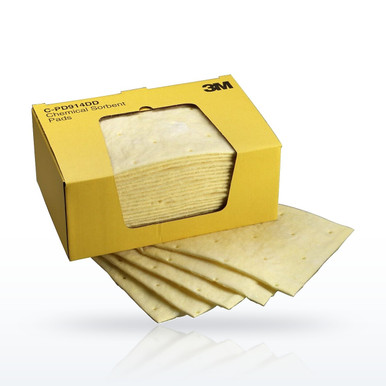
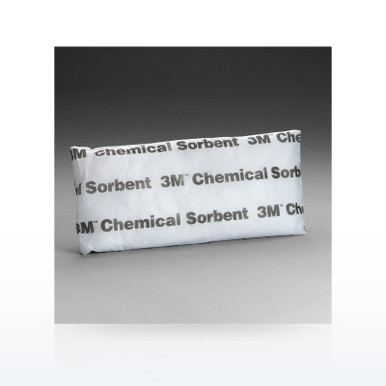
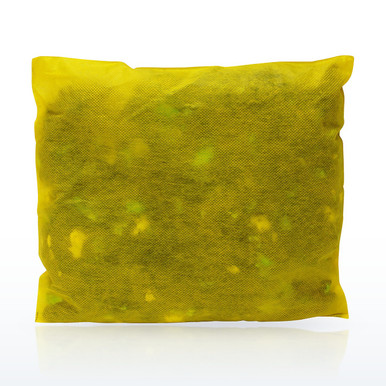
Manufacturer product data for the universal sorbents shown below (Brady SPC, MeltBlown Technologies, Anchor Brand). The gray, white and yellow or pink color coding is a trade convention, not a requirement of any standard.Hazmat sorbent, also sold as chemical sorbent, is built for acids, caustics, oxidizers and other aggressive liquids that would attack an ordinary pad. It also absorbs oil and water. It is the fill in chemical spill kits and in lab and battery-room sorbents, usually yellow or pink so it stands out, and the chemical compatibility is on the manufacturer sheet, which you check against the SDS before you rely on it. Sorbents for chemical and light hydrocarbon spills are rated under a separate ASTM method, F716.
ASTM F716-18, Standard Test Methods for Sorbent Performance of Absorbents for Use on Chemical and Light Hydrocarbon Spills; manufacturer compatibility data; 29 CFR 1910.1200(g)(2)(vi), SDS section 6 (accidental release measures), which names the materials to use for a given product.The short version: outdoors, on water, or anywhere there is already water on the floor, use oil-only. Indoors on a dry floor with oil, coolant or unknown liquids, use universal. Acids, caustics or anything the SDS calls corrosive or reactive, use hazmat.
Manufacturer sorbent selection guides; the SDS for the liquid.How much does a sorbent hold?
Manufacturers publish capacity as gallons per bale, case or roll, measured by the ASTM method for the sorbent type. A case of 100 heavyweight pads is typically rated in the 20 to 40 gallon range; a single 3-inch by 4-foot sock around a gallon; a 5-inch by 10-foot boom in the 30 gallon range. We show each item’s published capacity in the band below where the manufacturer states it. Capacity is a laboratory figure for a clean liquid; a pad on concrete, with grit and a thin film, picks up less. Buy to the largest container that could let go, not to the average drip.
ASTM F726-17 (reapproved 2024) and ASTM F716-18, sorbent capacity tests; capacities as published by each manufacturer for the items shown below.Where do OSHA and the EPA require sorbents?
- OSHA’s walking-working surface rule requires floors to be kept free of hazards including leaks and spills, and workroom floors clean and, as far as feasible, dry. That is the everyday reason a shop keeps pads and granular on hand.
- OSHA’s hazardous waste and emergency response standard requires suitable absorbent and DOT salvage drums to be kept available where spills, leaks or ruptures may occur during drum and container handling on a covered site.
- The EPA’s oil spill prevention rule lists sorbent materials among the containment and diversion methods a facility with an SPCC plan may use to keep a discharge from reaching water.
- A stormwater permit holder’s SWPPP must describe spill prevention and response procedures, and the EPA’s guidance for those plans says to keep spill kits near where spills can happen and clean up with dry methods such as absorbents.
Sorbent pads, socks, booms, rolls and loose sorbents by type
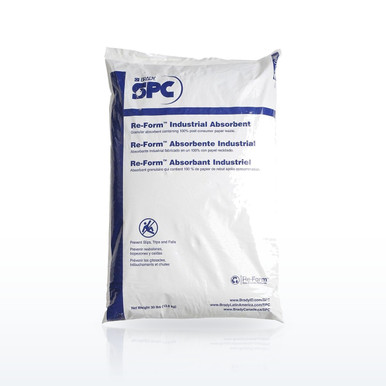
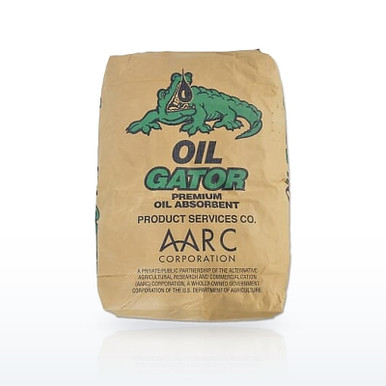
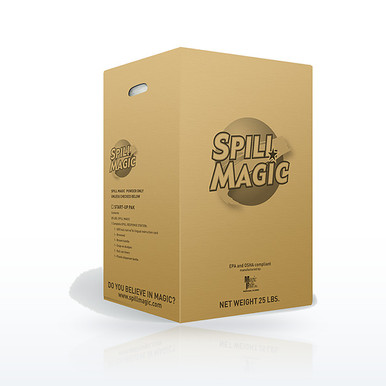
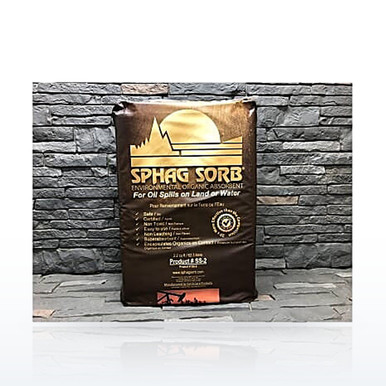
24 items · prices liveSorbent type (oil-only, universal, hazmat) and capacity are as published by the manufacturer for each item; see the product page and spec sheet. Pads and rolls are sold by the case or bale. Contractor Direct orders ship free.




Spill kits that package these sorbents with gloves and bags, plus pallets, berms and drain covers, are in the spill control finder.
Questions people ask
What is the difference between absorbent and adsorbent?
An absorbent takes the liquid into its body, like a sponge. An adsorbent holds the liquid on its surface and in the spaces between its fibers, which is how polypropylene works. The ASTM test for oil sorbents is titled for adsorbents; the trade uses sorbent for both.
What is the difference between a sorbent sock and a boom?
Size and purpose. A sock is a 3-inch tube, 4 to 12 feet long, laid on a floor to contain a spill. A boom is 5 to 8 inches across, built to float, with a strength member and end clips so booms can be joined across water. In ASTM F726 terms a sock is the small, floor version of the Type IIIb boom.
Can I use universal sorbent on an oil spill?
On a dry floor, yes. Outdoors or on water, no: universal sorbent soaks up the water first. Oil-only sorbent repels water and floats, so it keeps working.
Can I use oil-only sorbent on coolant or a water-based spill?
No. Oil-only sorbent is made to repel water, so it will not pick up coolant, water-based cleaners or acids. Use universal for those, or hazmat for aggressive chemicals.
What color is oil-only sorbent?
Usually white; universal is usually gray; hazmat is usually yellow or pink. The colors are a trade convention and vary by brand, so read the label, not the color.
How do I know what a pad will absorb?
The manufacturer rates capacity in gallons per case or bale under ASTM F726 (oil) or F716 (chemical). We list the published capacity on each product page where the manufacturer states it.
What do I do with a used sorbent?
It takes on the waste status of what it soaked up. Sorbent with used oil that is not free-dripping is generally not regulated as used oil; sorbent with a hazardous chemical is hazardous waste. See our chemical spill cleanup guide for the disposal rules.
Does OSHA require sorbents?
Not by name for an ordinary shop, but OSHA requires floors kept free of spills and leaks, and requires absorbent and salvage drums where containers are handled on a hazardous waste site. The EPA lists sorbents as an accepted containment method in an SPCC plan.
Standards and ratings on this page are as published in the documents named and by the manufacturers named. The employer’s hazard assessment and written program decide what applies at a given workplace. Verify a rating on the product and its spec sheet before use.