
When is hearing protection required? The OSHA 85 and 90 dB rules
OSHA has two numbers, and they do different jobs. At 90 decibels (dBA) averaged over 8 hours, the permissible exposure limit, the employer must first try to cut the noise with engineering or administrative controls; if that does not bring it under 90, hearing protectors must be provided and worn. At 85 dBA averaged over 8 hours, the action level, protectors must be offered to every exposed employee at no cost, with a choice of styles, and the hearing conservation program starts. Wearing them at 85 is required for anyone who has had a hearing shift on an audiogram, or who has not had a baseline test yet. Short, loud jobs count too: Table G-16 allows 4 hours at 95 dBA and 2 hours at 100.
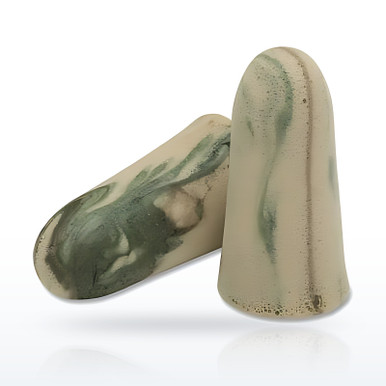 Moldex 660 Camo Plugs Disposable EarplugsFoam ear plugs rated NRR 33 by the manufacturer
Why are there two numbers? The 90 dBA limit came first: OSHA adopted it from the older Walsh-Healey rule as the level above which the employer must act on the noise itself. The hearing conservation amendments of 1981 and 1983 added the 85 dBA action level, because the research showed measurable hearing loss in a share of workers exposed for a career at levels under 90. OSHA did not lower the limit; it added a second line where protectors are offered, hearing is tested every year, and anyone whose hearing has started to shift must wear them.
What does each number require?
Both are 8-hour time-weighted averages measured on the A scale, slow response, with no credit for the ear plugs the employee is wearing.
How do you know which number applies to you?
By measurement. When any employee may be at or above 85 dBA, the employer must run a monitoring program with a sound level meter or a dosimeter, and repeat it when production, process or equipment changes could raise exposures or make the protectors in use inadequate. Employees exposed at or above the action level must be told the results. The noise is measured without the protectors, so a crew in NRR 33 plugs at 95 dBA is a crew above the limit, not a crew at 62.
1910.95(d)(1), (d)(3) and (e); (c)(1) exposures computed without regard to attenuation from PPE.A rough field test while you wait for the numbers: if two people have to raise their voices to talk at arm’s length, the level is likely in the 85 range and worth measuring. Table G-16 levels are averaged over the day, so an hour on a chop saw at 100 dBA and a quiet remainder can still add up to a dose over the limit; the standard gives the formula for mixing periods at different levels.
1910.95 Table G-16 footnote 1 (mixed exposures, sum of C/T greater than 1); Appendix A (noise exposure computation).What about construction sites?
Construction has its own noise rule, 1926.52, with the same 90 dBA table (called Table D-2) and the same order of controls first, then PPE. Where the noise cannot feasibly be reduced to the table, ear protective devices shall be provided and used, and plugs must be fitted or determined individually by a competent person. Plain cotton is not acceptable. The construction rule has no 85 dBA action level and no audiometric testing requirement written into it; it requires a continuing, effective hearing conservation program whenever the table is exceeded, without spelling out the program’s parts.
29 CFR 1926.52(a), (b), (d)(1) and Table D-2; 1926.101(a), (b) and (c).What counts as a hearing protector?
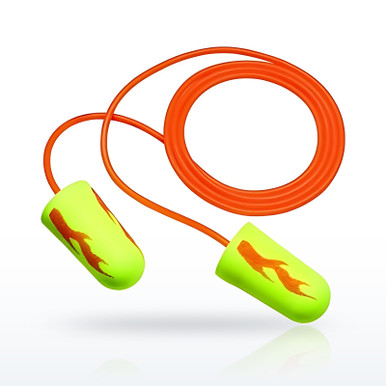
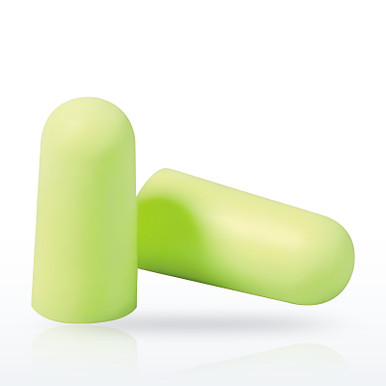
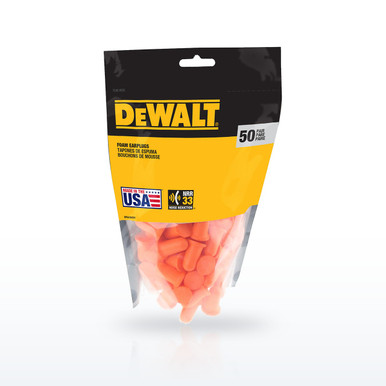
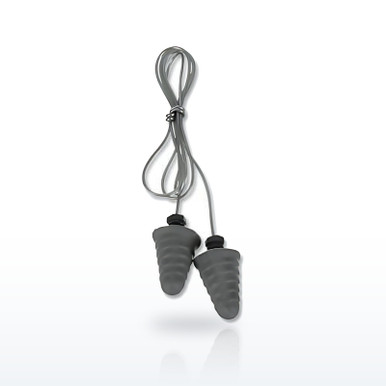
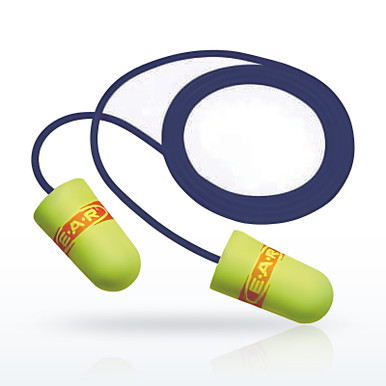
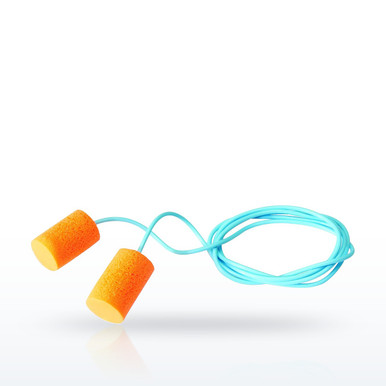
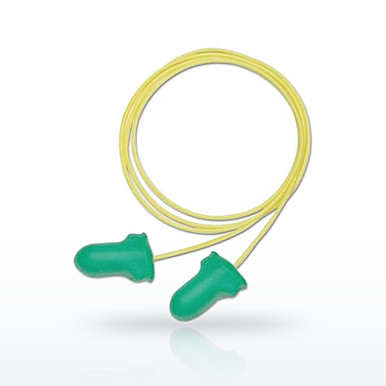
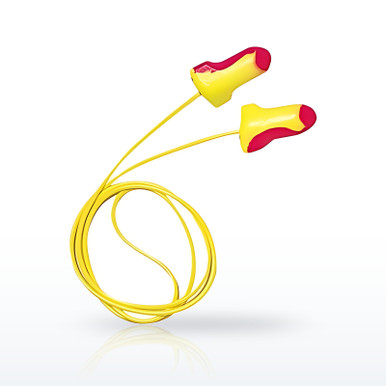
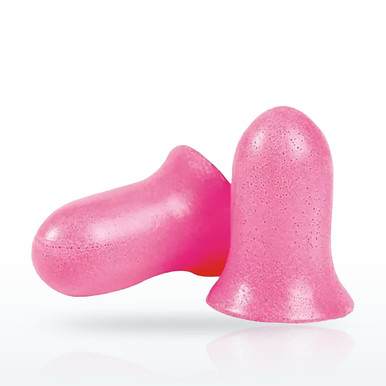
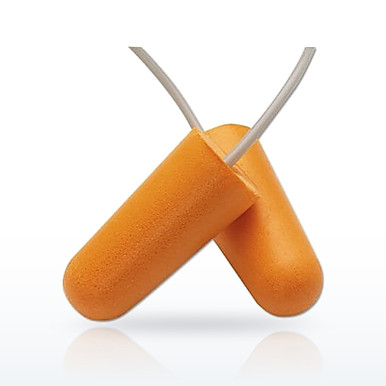
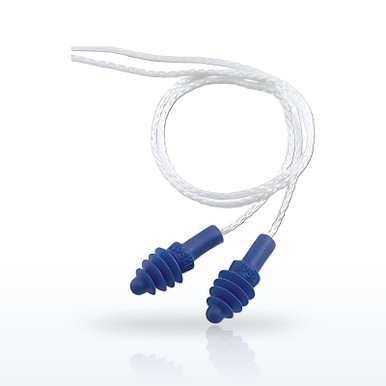
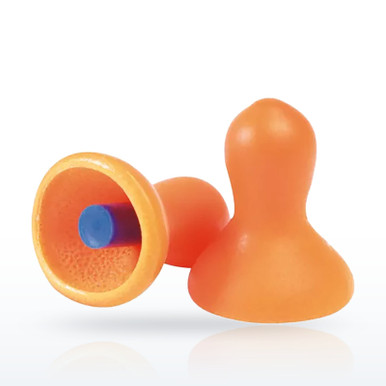
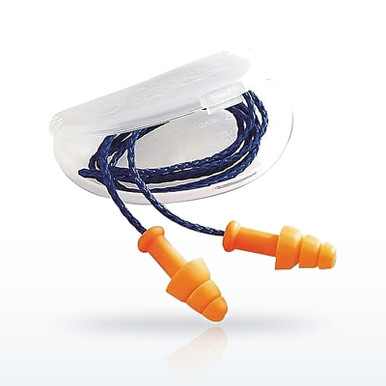
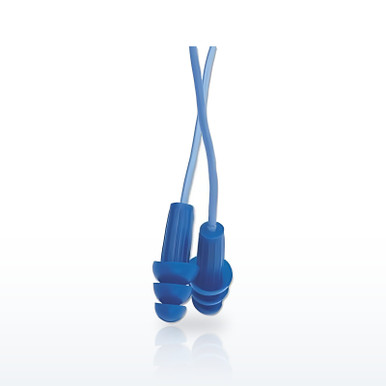
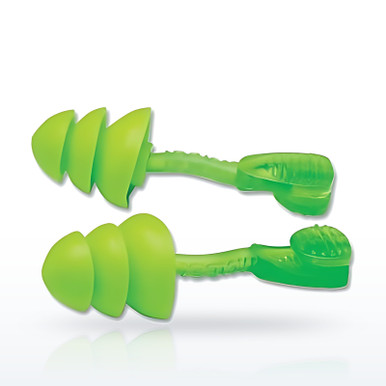
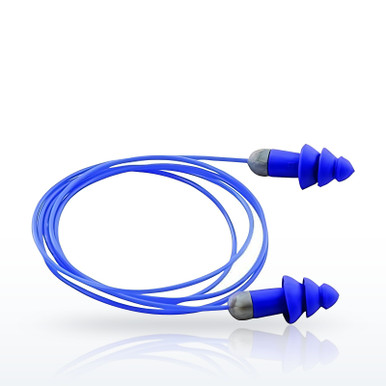
- Ear plugs: foam you roll down, pre-molded flanged plugs you push in, and push-to-fit foam on a stem. Rated by NRR on the package.
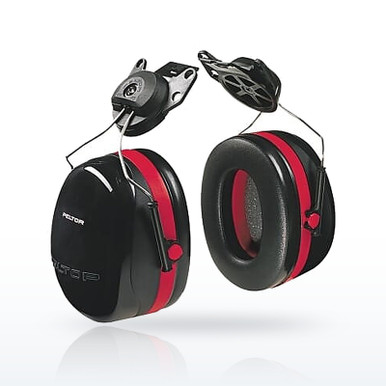
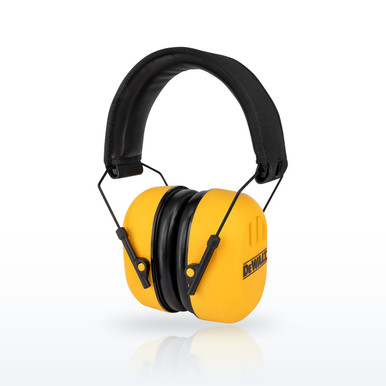
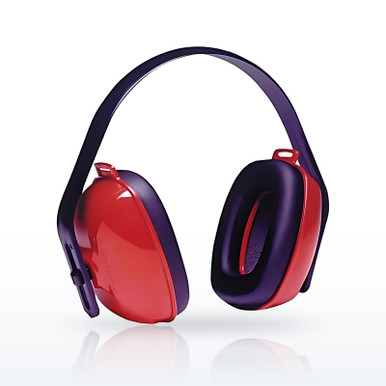
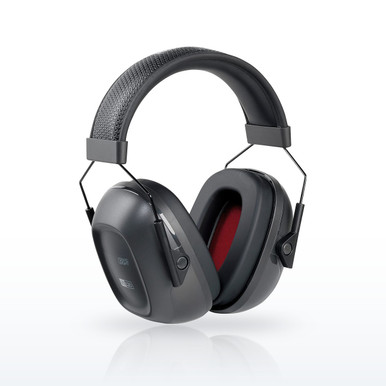
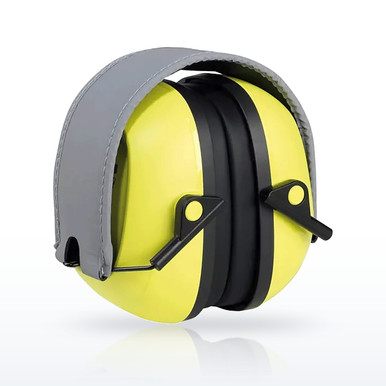
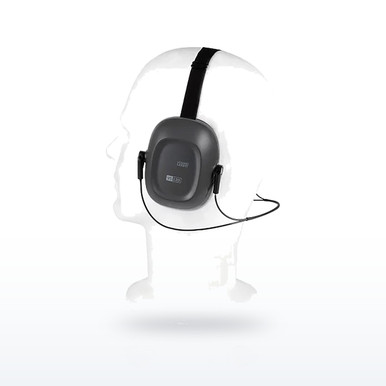
- Earmuffs: cups that seal around the ear, on a headband or mounted to a hard hat.
- Banded (semi-insert) plugs on a stiff band, for on-and-off use.
- Not acceptable: cotton, or anything not designed and rated as a hearing protector.
- The NRR is the manufacturer’s laboratory rating. For a quick check against an A-weighted level, OSHA’s Appendix B subtracts 7 from the NRR and then subtracts the remainder from the noise level.
Ear plugs and earmuffs by NRR
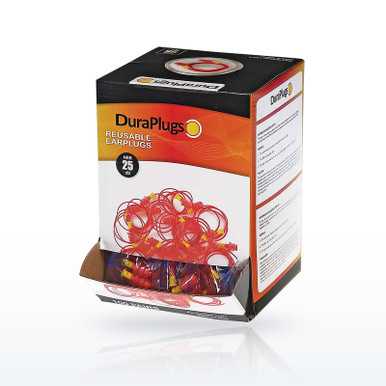
32 items · prices liveNRR is as tested by the manufacturer under ANSI S3.19 and printed on the package. Pack size and corded or uncorded are on the product page. Contractor Direct orders ship free.
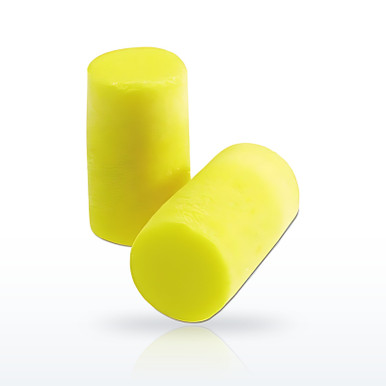
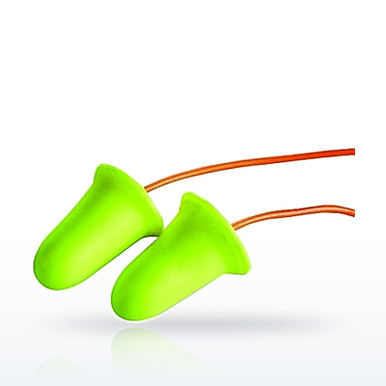
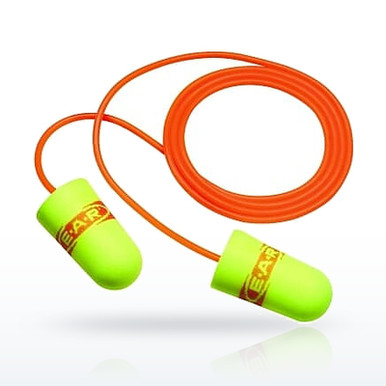




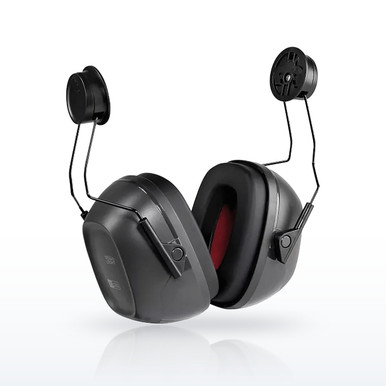
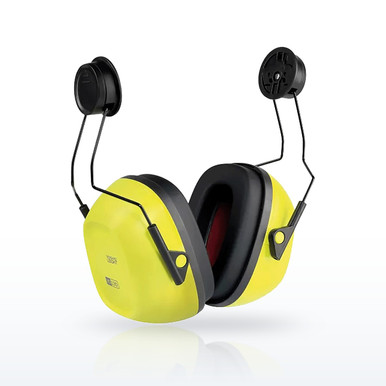
Banded plugs, cap-mounted muffs and dispensers are in the hearing protection finder.
Questions people ask
At what decibel level is hearing protection required by OSHA?
Above 90 dBA averaged over 8 hours (Table G-16), after feasible engineering and administrative controls have been tried. At 85 dBA protectors must be offered free, and must be worn by employees with a standard threshold shift or no baseline audiogram yet. (1910.95(b)(1) and (i).)
Is hearing protection mandatory at 85 dB?
It must be made available at 85 dBA, and the employer must train, fit and supervise its use. Wearing it is mandatory at 85 for anyone who has had a standard threshold shift or has not yet had a baseline audiogram. Above 90, it is mandatory for everyone the controls do not cover. (1910.95(i)(1) and (i)(2).)
Does the employer have to pay for ear plugs?
Yes. Hearing protectors are provided at no cost to employees at or above 85 dBA and replaced as necessary. (1910.95(i)(1).)
Can I pick my own style of ear plug?
The standard requires the employer to give you a choice from a variety of suitable protectors. (1910.95(i)(3).)
Do ear plugs change whether I am over the limit?
No. Exposure is measured without them. The protectors are the fix once the measurement says you are over, and they must bring you to 90 dBA or below (85 after a threshold shift). (1910.95(c)(1) and (j).)
How long can I work at 95 dB without ear plugs?
4 hours by Table G-16; 2 hours at 100, 1 hour at 105. NIOSH’s limit is stricter: 47 minutes at 95.
Is the construction rule different?
Same 90 dBA table, but no 85 action level and no audiometric testing spelled out. Plugs must be fitted individually by a competent person, and cotton does not count. (1926.52 and 1926.101.)
Standards and ratings on this page are as published in the documents named and by the manufacturers named. The employer’s hazard assessment and written program decide what applies at a given workplace. Verify a rating on the product and its spec sheet before use.