
How to read a gas monitor alarm: low, high, TWA and STEL
A personal gas monitor has two kinds of alarm. Gas alarms tell you about the air: a low alarm means the gas has reached the warning level, leave or ventilate; a high alarm means it has reached the danger level, leave now. On toxic channels there are two more, the TWA alarm, which means your average exposure over the shift has reached the limit, and the STEL alarm, which means your average over the last 15 minutes has. Oxygen has a low alarm at 19.5 percent and a high alarm at or near 23.5. Combustible gas alarms at 10 and 20 percent LEL on most units, and an over-range reading means the sensor is saturated. The other kind of alarm is the monitor talking about itself: low battery, sensor fault, pump blocked, calibration due. Those mean the monitor is not protecting you, which is as serious as gas.
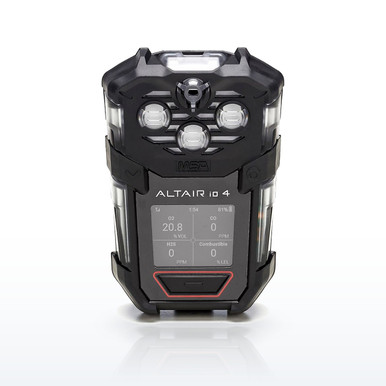
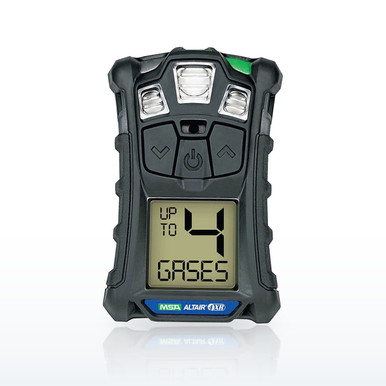 MSA 10178356 Multi-Gas Detectors, ALTAIR 4XR Multi-Gas Monitor Kit, LELFour-gas monitor with low, high, TWA and STEL alarms
Why does the alarm sound before the OSHA limit? Because the set points are chosen to warn, not to document a violation. Manufacturers ship most toxic alarms at the NIOSH or ACGIH numbers, which are lower than OSHA’s, and the low alarm is placed below the high so there is time to act. A CO monitor alarming at 35 ppm is at the NIOSH recommended limit, not OSHA’s 50. An H2S monitor at 10 ppm is at the NIOSH ceiling, half the OSHA ceiling. The employer’s written program can move the set points, but the standard it cannot move is this: an alarm means leave, and the time to argue about the number is afterward, outside.
What does each alarm mean, and what do you do?
The names vary slightly by brand (Low and High, Alarm 1 and Alarm 2, Warning and Alarm), but every monitor with a display has these.
Where do the alarm set points come from?
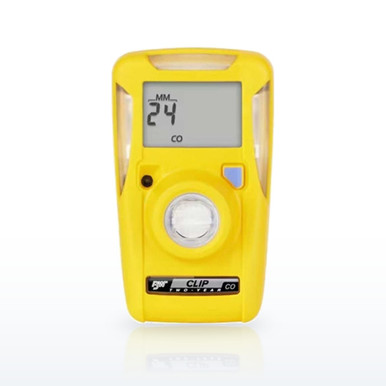
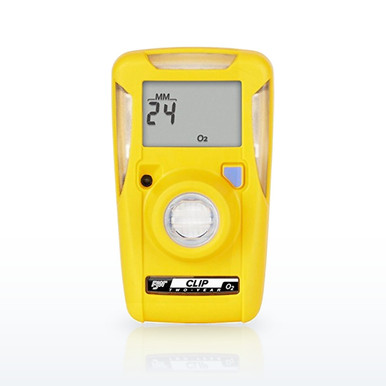
From three sources, in this order. The written program sets the final numbers. The manufacturer ships defaults, which most programs keep. And behind both are the exposure limits: OSHA’s PELs in Tables Z-1 and Z-2, NIOSH’s recommended limits, and ACGIH’s threshold limit values. The factory defaults in our catalog line up with the recommended limits more often than with the PELs: MSA ships its ALTAIR CO monitor at 25 ppm low and 100 ppm high, Honeywell BW sells its Clip CO in 25/100 and 50/200 versions, and both set oxygen at 19.5 percent low. H2S defaults of 10 and 15 ppm match the NIOSH ceiling. The LEL alarms, 10 and 20 percent on most units, sit at and above the 10 percent line in the confined-space standard.
29 CFR 1910.1000 Table Z-1 (carbon monoxide 50 ppm TWA) and Table Z-2 (hydrogen sulfide 20 ppm ceiling); NIOSH Pocket Guide (carbon monoxide REL 35 ppm, C 200 ppm; hydrogen sulfide C 10 ppm); 1910.146(b) (10 percent of LFL; oxygen 19.5 to 23.5 percent); manufacturer product data (MSA ALTAIR CO 10092522: low 25 ppm, high 100 ppm; Honeywell BW Clip BWC2-M25100 and BWC2-M50200; MSA ALTAIR O2: low 19.5 percent).Low alarm below high is not just convention. The low alarm is placed so that a worker who leaves at the low alarm is out before the high. On a slowly rising gas that gives minutes; on H2S from a disturbed sludge layer it can give seconds. The alarm you act on is the first one.
Manufacturer product data for two-level alarms on each monitor listed below.How do TWA and STEL alarms work on the monitor?
The monitor keeps a running tally of each toxic channel. The STEL value is the average of the last 15 minutes and is recomputed continuously; it rises fast in a short high exposure and falls again 15 minutes after the exposure ends. The TWA value is the total exposure since power-on divided by 8 hours, so it only climbs during the shift; it cannot fall until the unit is reset or restarted. A TWA alarm late in the day with the display reading a few ppm is the monitor telling you the dose is used up, not that the air just got worse. Both values are in the data log, which is the record the program keeps. Turning the monitor off and on to silence a TWA alarm erases the day’s dose and is the one thing never to do.
29 CFR 1910.1000(d)(1)(i) (8-hour cumulative exposure formula) and 1910.1028(c)(2) (a STEL as a 15-minute average, benzene); NIOSH Pocket Guide introduction (STEL as a 15-minute TWA); manufacturer product data (Industrial Scientific GasBadge Pro and MSA ALTAIR Pro STEL and TWA readings and data logging).What are the common alarm set points by gas?
- Oxygen: low 19.5 percent, high 23.5 percent (MSA ALTAIR ships 23.0). From the confined-space definition.
- Combustible gas (LEL): low 10 percent LEL, high 20 percent LEL on most units. 10 percent of the lower flammable limit is the confined-space line.
- Hydrogen sulfide: low 10 ppm, high 15 ppm (MSA ALTAIR); Honeywell BW Clip versions at 5/10 and 5/15 ppm. TWA and STEL often set to the ACGIH 1 and 5 ppm where the program adopts them.
- Carbon monoxide: low 25 or 35 ppm, high 100 or 200 ppm by maker and version. NIOSH REL 35 ppm, ceiling 200; OSHA PEL 50 ppm.
- Sulfur dioxide, chlorine, ammonia, nitrogen dioxide, hydrogen cyanide: set by model around the OSHA ceiling or TWA and the ACGIH values; the product page for each single-gas unit lists its shipped set points.
- The program decides. Every serviceable monitor lets the employer change the set points; maintenance-free clips are bought at the set point and cannot be changed.
What do you do after an alarm?
- Get out. Fresh air first. A confined-space entrant exits on an alarm; the attendant does not go in after them.
- Tell the attendant, supervisor or whoever runs the program. The gas reading, which alarm, where you were, what you were doing.
- Do not re-enter until the space is retested and the cause is known. A silenced alarm is not a cleared hazard. If the monitor was over-range, it is bump tested or calibrated before it is trusted.
- Save the log. The monitor’s event log, or the dock’s download, is the record of the exposure. It goes with the permit or the incident report.
- If the alarm was a fault, swap the unit, and send the faulty one for service. Nobody works in a classified area with a monitor that has reported itself broken.
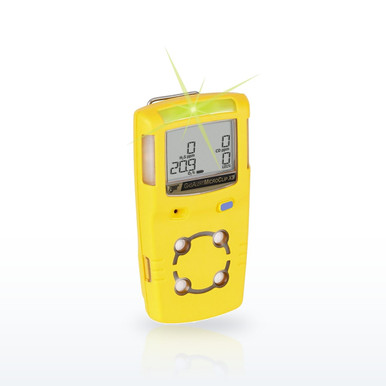
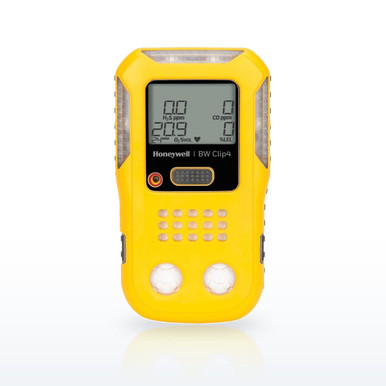
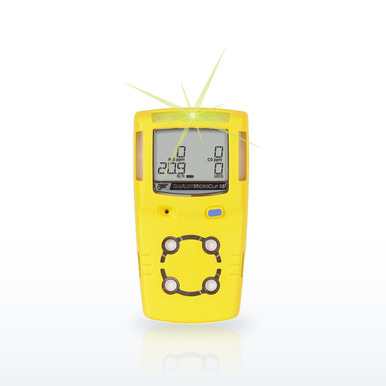
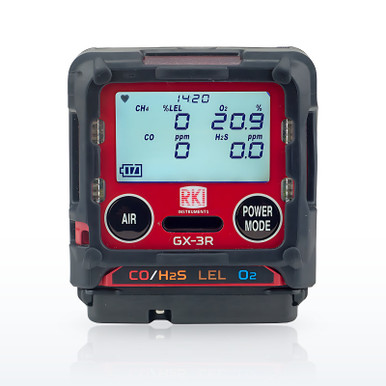
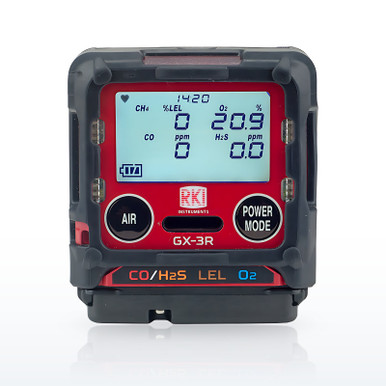
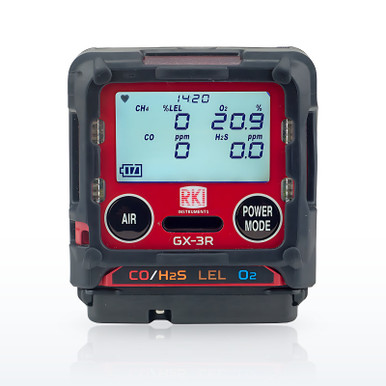
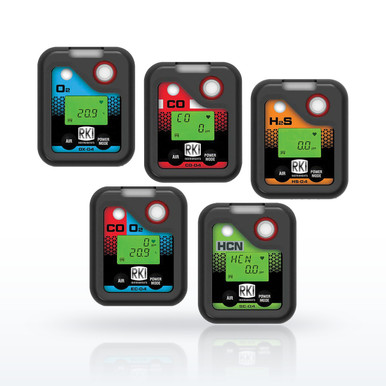
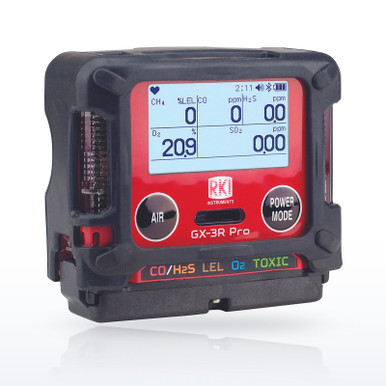
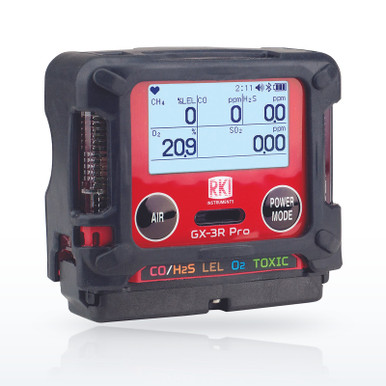
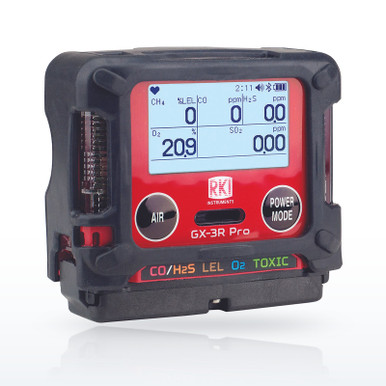
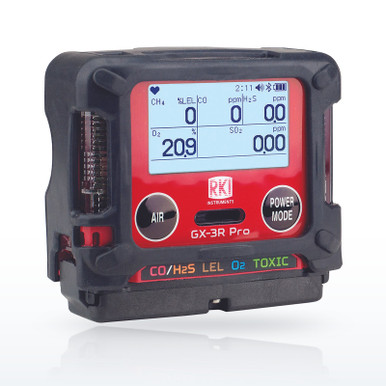
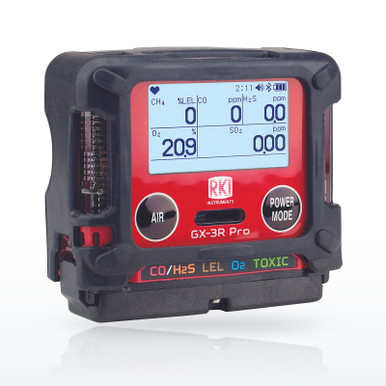
Monitors by gas, with their factory alarm set points on the product page
30 items · prices liveGases detected are as published by the manufacturer; shipped alarm set points are on each product page and in the manual. Contractor Direct orders ship free.
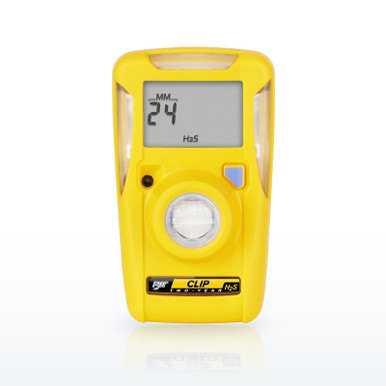
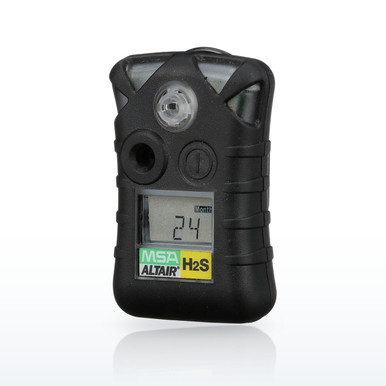
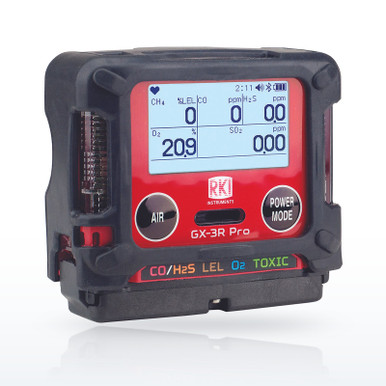
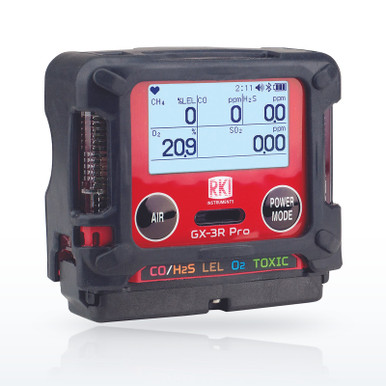
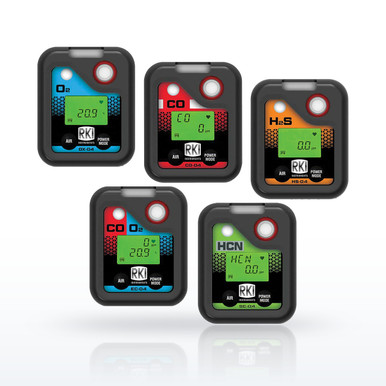
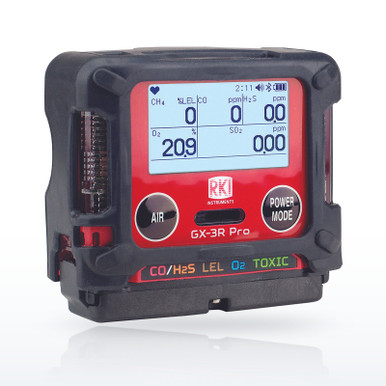
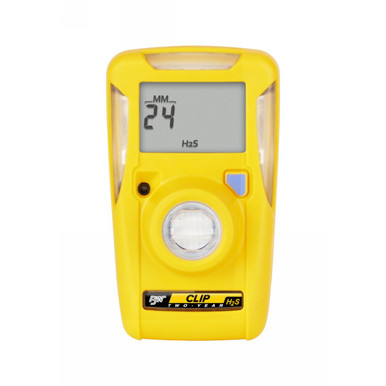
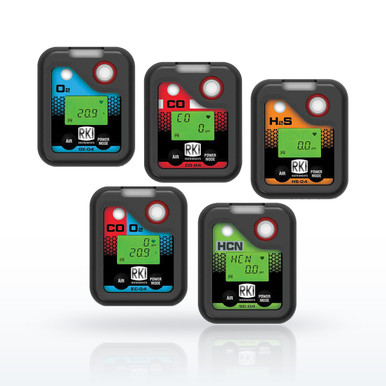
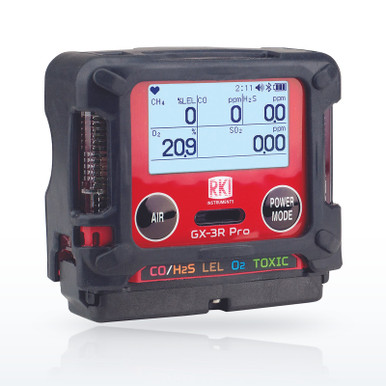
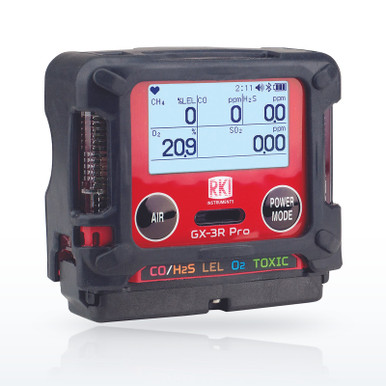
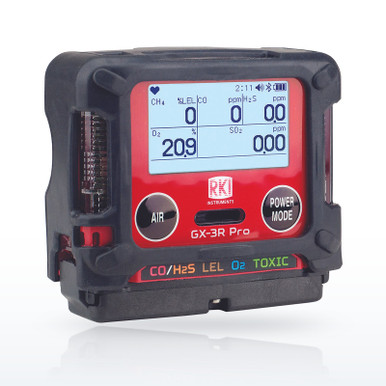
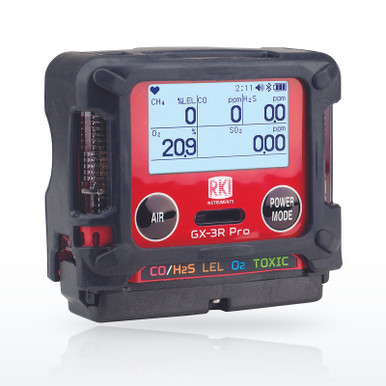

Docking stations that download alarm and event logs, calibration gas and replacement sensors are in the gas detection finder.
Questions people ask
What is the difference between a low alarm and a high alarm on a gas monitor?
The low alarm is the warning level: leave or ventilate and find out why. The high alarm is the danger level: leave immediately. Both are instantaneous readings against set points the program chose.
What does a TWA alarm mean?
The exposure accumulated since the monitor was turned on, averaged over 8 hours, has reached the limit set in the unit. The air may read low now; the day’s dose is used up.
What does a STEL alarm mean?
The average over the last 15 minutes has reached the short-term limit. Leave and stay in fresh air until the 15-minute average drops.
Why does my CO monitor alarm at 35 ppm?
It is set at the NIOSH recommended limit, 35 ppm averaged over the shift, which is below OSHA’s 50 ppm PEL. Many makers ship CO at 25 or 35 low and 100 or 200 high.
What does OL or over-range mean?
The gas is beyond what the sensor can measure. Treat it as the worst case and leave; have the sensor checked before it is used again.
What are the oxygen alarms on a gas monitor?
Low at 19.5 percent (oxygen-deficient, IDLH under 1910.134) and high at 23.5 percent (oxygen-enriched, fire hazard), from the confined-space definition. Some makers set the high alarm at 23.0.
What does the LEL alarm at 10 percent mean?
The combustible gas is at one-tenth of the concentration that can burn. OSHA treats 10 percent LEL as a hazardous atmosphere in a confined space; most units alarm again at 20.
Can I turn the monitor off to stop a TWA alarm?
It will stop the alarm and erase the day’s exposure record. Do not. Leave the area, report it, and let the program decide whether you work in that exposure again that day.
What if the alarm is a pump or sensor fault?
The monitor is not protecting you. Leave the area, swap to a working unit, and send the faulty one for service.
Standards and ratings on this page are as published in the documents named and by the manufacturers named. The employer’s hazard assessment and written program decide what applies at a given workplace. Verify a rating on the product and its spec sheet before use.