Home › Guides › Gas detection › H2S heavier than air
Guide · Gas detection · NIOSH and OSHA hydrogen sulfide

Is H2S heavier than air, and where does it collect?

Yes. Hydrogen sulfide has a relative gas density of 1.19, so it is about one fifth heavier than air. It sinks, travels along the ground, and collects in low-lying and enclosed places: manholes, sewers, pits, sumps, trenches, tank bottoms and the low end of a sloped floor. The rotten-egg smell warns you at tiny concentrations, but at about 100 ppm the gas numbs the sense of smell, so the warning disappears as the danger rises. The only safe way to know what is in a low space is to lower a monitor or a pumped probe into it before anyone goes in, and to keep a monitor on the worker while they are there.
Bayshore Safety. Industrial safety and PPE supplier since 2017. · Current as of October 2026 · NIOSH Pocket Guide to Chemical Hazards, hydrogen sulfide (current online edition); OSHA Safety and Health Topics, Hydrogen Sulfide; 29 CFR 1910.1000 Table Z-2 and 29 CFR 1910.146 (current e-CFR)
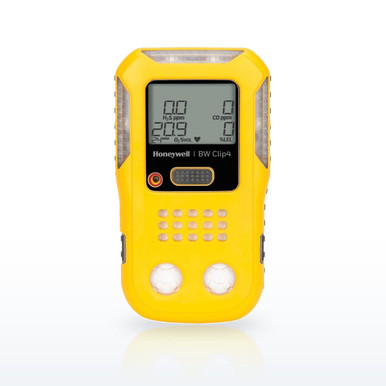
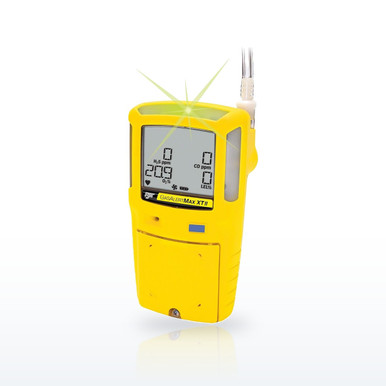
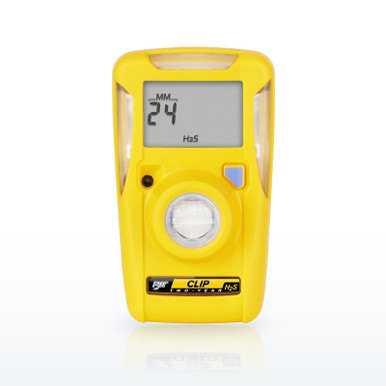
BW Technologies Single Gas Monitors, / Honeywell Analytics BW Clip Single-GasHoneywell BW Clip single-gas H2S monitorTwo-year maintenance-free, clips to the collar

Why does the density matter so much? Hydrogen sulfide is produced where organic matter rots without air: sewers, manure pits, sludge, oil and gas wells, pulp mills. Those are already low, enclosed places. A gas that is heavier than air flows downhill into them the way water does and stays there, because there is no wind at the bottom of a manhole to clear it. A worker standing at the opening may measure clean air and smell nothing; the layer that can knock a person down in two breaths is at the bottom, where the work is. That is where workers are overcome, and the next person down is often the one who went in to pull them out.

What happens at each concentration?

OSHA’s published effects by ppm. The limits sit at the head of this list for a reason.

0.01 to 1.5 ppmRotten-egg odor first noticeable to some people. Odor becomes more offensive at 3 to 5 ppm.
10 ppmNIOSH recommended ceiling, not to be exceeded for any 10 minutes. Also OSHA’s 8-hour limit for construction and shipyards, and the usual low alarm on a monitor.
20 ppmOSHA general-industry ceiling. Possible fatigue, loss of appetite, headache, irritability, poor memory, dizziness.
50 ppmOSHA general-industry peak, allowed once for up to 10 minutes if no other exposure occurs in the shift. 50 to 100 ppm: eye and respiratory irritation after an hour.
100 ppmNIOSH immediately dangerous to life or health. Coughing, eye irritation, loss of smell after 2 to 15 minutes. Death may occur after 48 hours.
500 to 700 ppmStaggering and collapse in 5 minutes. Death after 30 to 60 minutes.
700 to 1,000 ppmRapid unconsciousness, knockdown within 1 to 2 breaths, breathing stops, death within minutes.
OSHA Safety and Health Topics, Hydrogen Sulfide, Hazards page (effects by concentration and limits table); 29 CFR 1910.1000 Table Z-2, hydrogen sulfide (20 ppm acceptable ceiling, 50 ppm maximum peak for 10 minutes once); NIOSH Pocket Guide, hydrogen sulfide (REL C 10 ppm, 10-minute; IDLH 100 ppm).

Where does H2S collect?

  • Manholes, sewers and lift stations. OSHA names these first: the gas can collect in low-lying and enclosed spaces such as manholes and sewers.
  • Pits, sumps and trenches, including the dead space under grating and the low corner of a sloped floor.
  • Tank and vessel bottoms, especially sour crude, produced water and sludge tanks, and the space under a floating roof.
  • Manure pits and digesters on farms, and around agitation, which releases dissolved gas all at once.
  • Low ground downwind of a well, a flare or a vent on a still day. The gas travels along the ground.
  • Confined spaces of every kind where sulfur-bearing material sits without air: pulp and paper, tanneries, rayon plants, refineries and mines, in OSHA’s list.
OSHA Safety and Health Topics, Hydrogen Sulfide (heavier than air, may travel along the ground; collects in low-lying and enclosed spaces such as manholes and sewers; industries where it is found). NIOSH Pocket Guide, relative gas density 1.19.

Why can’t you rely on the smell?

At low concentrations the smell is unmistakable, which is why people trust it. At about 100 ppm the gas paralyzes the nerve endings in the nose within 2 to 15 minutes, and the smell is gone. Above 30 ppm the odor is described as sweet or sickeningly sweet rather than rotten, which also fools people. A worker who smells rotten eggs and then stops smelling them has not walked out of the gas; the concentration has gone up. NIOSH states the point directly: the sense of smell fatigues quickly and cannot be relied on to detect continuous presence of the gas.

OSHA Hydrogen Sulfide Hazards page (olfactory fatigue at 100 ppm; sweet odor above 30 ppm); NIOSH Pocket Guide, hydrogen sulfide, physical description note.

How do you test a low space for H2S?

  1. Test before anyone enters, from outside. OSHA requires the atmosphere of a permit space to be tested before entry with a calibrated direct-reading instrument: oxygen first, then flammables, then toxics. Hydrogen sulfide is a toxic and, at 4 percent, also a flammable gas.
  2. Sample the bottom, not the opening. Lower a diffusion monitor on a line, or use a pumped monitor with enough tubing to reach the lowest point. Hold at each level long enough for the reading to settle; a pump needs time to pull the sample up the hose.
  3. Set the alarms to the program. Monitors commonly ship with 10 ppm low and 15 ppm high alarms. The employer’s program sets the numbers; the OSHA ceiling is 20 ppm and NIOSH’s is 10.
  4. Ventilate and retest. If the space reads above the limit, force air in, retest, and keep testing while work goes on. The gas returns as sludge is disturbed.
  5. Monitor continuously during entry. Entry conditions are to be continuously monitored where entrants are working, which in practice means a monitor clipped to the worker’s collar, where they breathe, not left at the opening.
  6. Never go in after a downed worker without air. Rescue is by retrieval line or by rescuers in supplied-air respirators. A second body in the pit is the usual outcome of an unprotected rescue.
29 CFR 1910.146(c)(5)(ii)(C) (pre-entry testing with a calibrated direct-reading instrument, in order), (d)(5)(i) (continuous monitoring where entrants are working), (d)(5)(iii) (test first for oxygen, then combustibles, then toxics). NIOSH Pocket Guide, hydrogen sulfide, LEL 4.0 percent. Rescue: 1910.146(k) at section level. Alarm set points are manufacturer defaults; see each product page.

H2S monitors, pumped units and detector tubes

28 items · prices live

Every monitor shown lists hydrogen sulfide among the gases its manufacturer specifies for it. Gases detected are as published by the manufacturer; see each product page. Contractor Direct orders ship free.
ItemGasesPart numberPrice
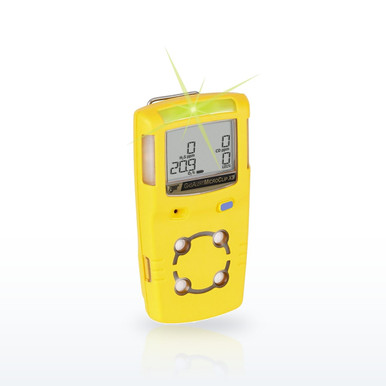
BW Technologies Single Gas Monitors, / Honeywell Analytics BW Clip Single-Gas
GasesH2SPartBWC2
$112.37
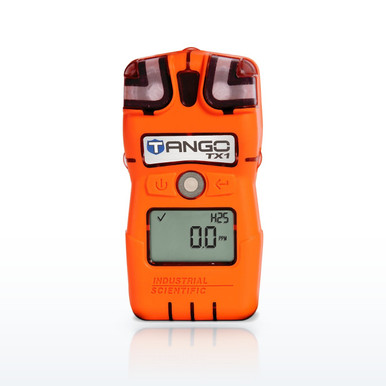
Industrial Scientific TX1-2 Single Gas Monitors, Tango TX1 Single-Gas H2S
GasesH2SPartTX1-2
$345.80
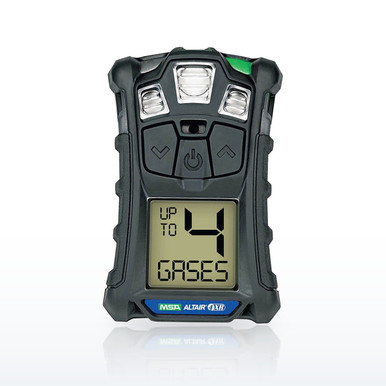
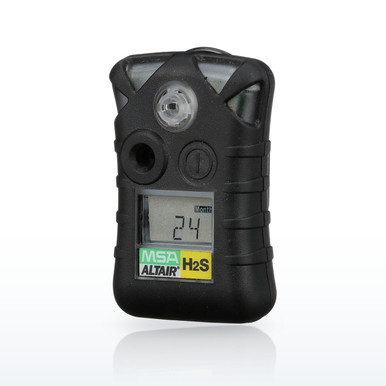
MSA 10092521 Single Gas Monitors, ALTAIR Single-Gas H2S Detector
GasesH2SPart10092521
$135.86
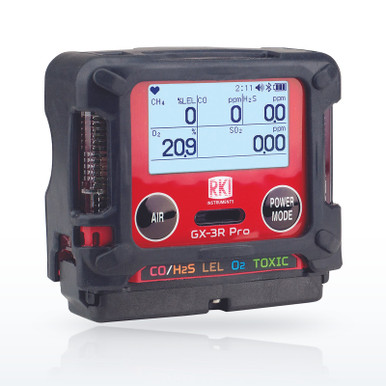
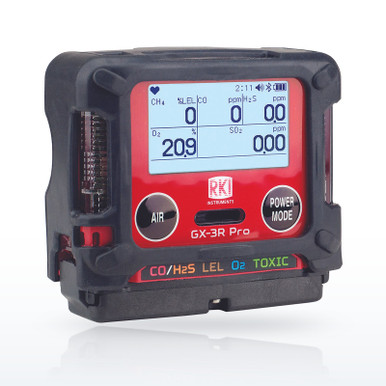
RKI Instruments 72-PQX-A Single Gas Monitors, GX-3R Pro Single-Gas Monitor H2S
GasesH2SPart72-PQX-A
$612.00
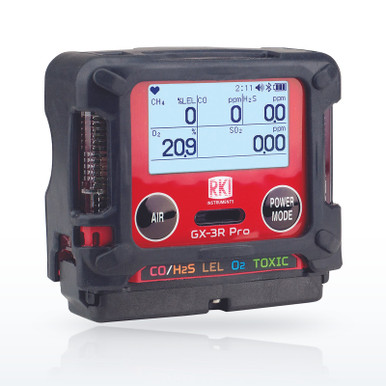
RKI Instruments 72-PQX-C Single Gas Monitors, GX-3R Pro Single-Gas Monitor H2S
GasesH2SPart72-PQX-C
$769.25
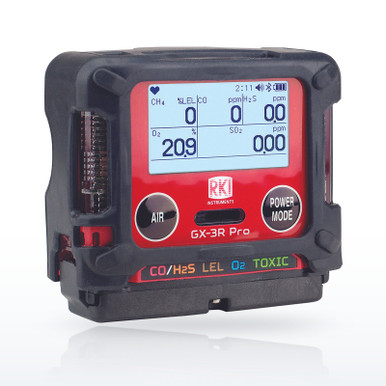
RKI Instruments 72-PQX-B Single Gas Monitors, GX-3R Pro H2S
GasesH2SPart72-PQX-B
$875.50
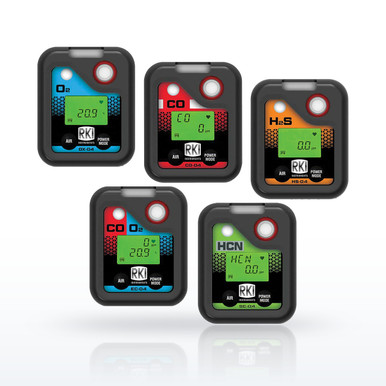
RKI Instruments 73-0063 Single Gas Monitors, HS-04 Single-Gas Monitor H2S
GasesH2SPart73-0063
$174.25
RKI Instruments 72-PQX-D Single Gas Monitors, GX-3R Pro Single-Gas Monitor H2S
GasesH2SPart72-PQX-D
$748.00

ItemGasesPart numberPrice
BW Technologies MCX3-XWHM-Y-NA Multi-Gas Detectors, / Honeywell Analytics
GasesLEL; O2; H2S; COPartMCX3-XWHM-Y-NA
$910.65
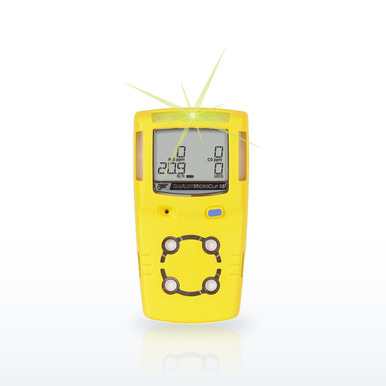
BW Technologies BWC4-Y-N Multi-Gas Detectors, / Honeywell Analytics BW, 2-Year
GasesLEL; O2; H2S; COPartBWC4-Y-N
$759.66
BW Technologies MCXL-XWHM-Y-NA Multi-Gas Detectors, / Honeywell Analytics
GasesLEL; O2; H2S; COPartMCXL-XWHM-Y-NA
$636.11
MSA 10178356 Multi-Gas Detectors, ALTAIR 4XR Multi-Gas Monitor Kit, LEL
GasesLEL; O2; H2S; COPart10178356
$2,674.65
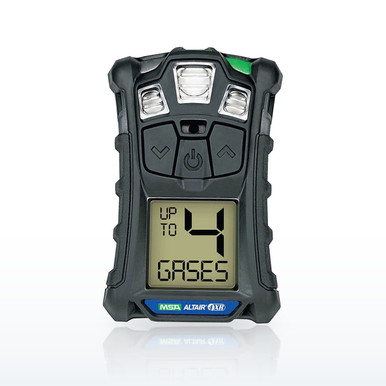
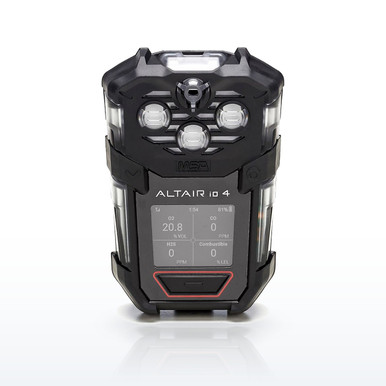
MSA 10245598 ALTAIR io 4 Connected Multi-Gas Detector, LEL
GasesLEL; O2; H2S; COPart10245598
$1,595.24
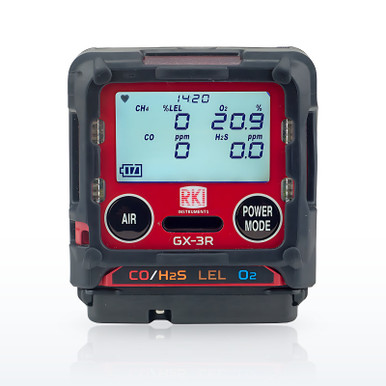
RKI Instruments 72-RA-C-56 Multi-Gas Detectors, GX-3R 4-Gas Monitor LEL/O2/H2S/CO
GasesLEL; O2; H2S; COPart72-RA-C-56
$947.75
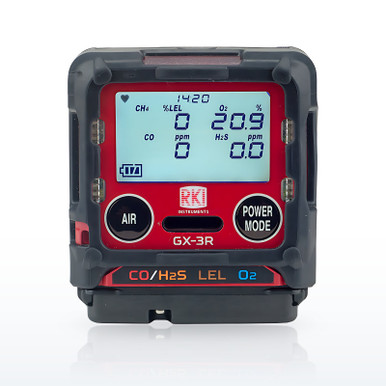
RKI Instruments 72-RA-C Multi-Gas Detectors, GX-3R 4-Gas Monitor LEL/O2/H2S/CO
GasesLEL; O2; H2S; COPart72-RA-C
$531.25
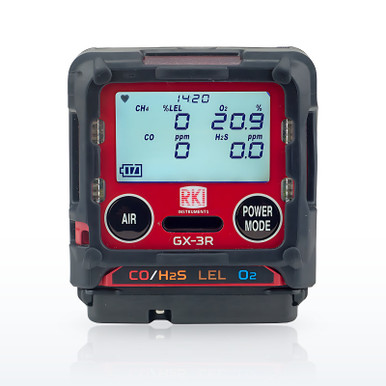
RKI Instruments 72-RA-C-59-NGR Multi-Gas Detectors, GX-3R LEL/O2/H2S/CO Confined
GasesLEL; O2; H2S; COPart72-RA-C-59-NGR
$1,058.25

ItemGasesPart numberPrice
BW Technologies XT-XWHM-Y-NA Sample-Draw Gas Monitors, / Honeywell Analytics, Pump
GasesLEL; O2; H2S; COPartXT-XWHM-Y-NA
$1,174.64
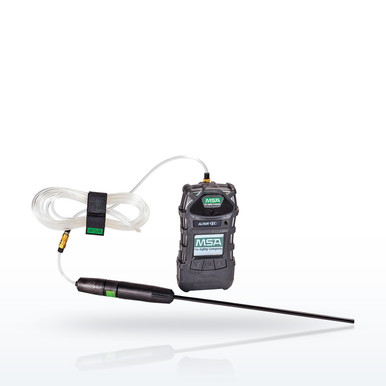
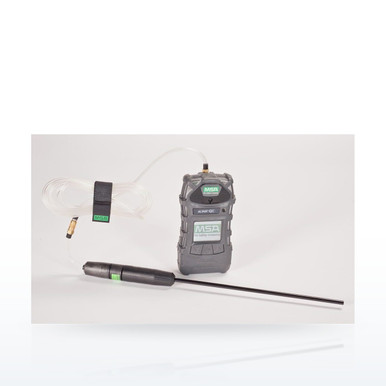
MSA 10116928 ALTAIR 5X Multi-Gas Monitor Kit, Probe
GasesLEL; O2; H2S; COPart10116928
$4,470.80
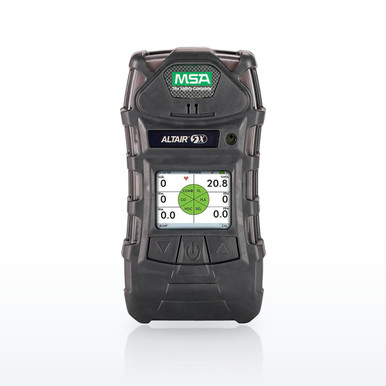
MSA 1016544 ALTAIR 5X Multi-Gas Monitor, LEL
MSA 1016544 ALTAIR 5X Multi-Gas Monitor, LELGases detected: LEL; O2; H2S; CO
GasesLEL; O2; H2S; COPart10165445
$6,829.56
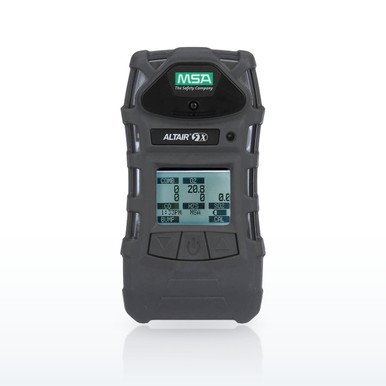
MSA 10116924 ALTAIR 5X Multi-Gas Monitor, LEL
MSA 10116924 ALTAIR 5X Multi-Gas Monitor, LELGases detected: LEL; O2; H2S; CO
GasesLEL; O2; H2S; COPart10116924
$3,576.83
MSA 10178357 ALTAIR 4XR Multi-Gas Monitor Kit, Pump Probe
GasesLEL; O2; H2S; COPart10178357
$3,313.73
MSA 10116926 ALTAIR 5X Multi-Gas Detector Kit, LEL
GasesLEL; O2; H2S; COPart10116926
$4,034.73

ItemGasesPart numberPrice
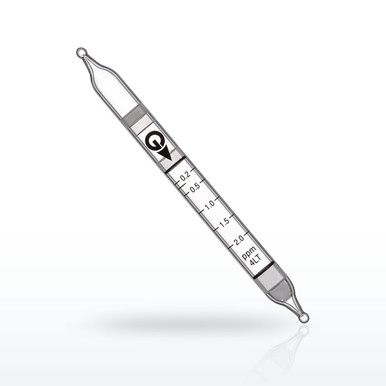
Gastec 4LT Detector Tubes & Pumps, Low Range Hydrogen Sulfide Detector Tube, ppm
Gastec 4LT Low Range Hydrogen Sulfide Detector Tube, ppmGases detected: H2S · Sold by the box
GasesH2SPart4LT
$110.84
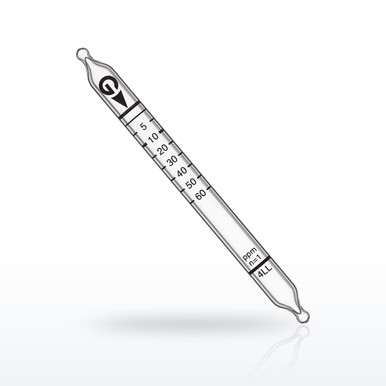
Gastec Detector Tubes & Pumps, Hydrogen Sulfide Detector Tubes, White to Brown
Gastec Hydrogen Sulfide Detector Tubes, White to BrownGases detected: H2S · Sold by the box
GasesH2SPart4LL
$110.84
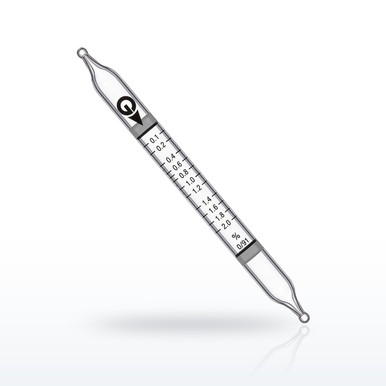
Gastec 4HH Detector Tubes & Pumps, Hydrogen Sulfide Detector Tube, 0.1-4%
Gastec 4HH Hydrogen Sulfide Detector Tube, 0.1-4%Gases detected: H2S · Sold by the box
GasesH2SPart4HH
$110.84
BW Technologies H-10-103-06 Detector Tubes & Pumps, Honeywell BW RAE Systems
BW Technologies H-10-103-06 Honeywell BW RAE SystemsGases detected: see product page · Sold by the pack
Gasessee product pagePartH-10-103-06
$74.10
BW Technologies H-10-103-10 Detector Tubes & Pumps, Honeywell BW RAE Systems
BW Technologies H-10-103-10 Honeywell BW RAE SystemsGases detected: see product page · Sold by the pack
Gasessee product pagePartH-10-103-10
$74.10
BW Technologies H-10-103-20 Detector Tubes & Pumps, Honeywell BW RAE Systems
BW Technologies H-10-103-20 Honeywell BW RAE SystemsGases detected: see product page · Sold by the pack
Gasessee product pagePartH-10-103-20
$74.10

H2S calibration gas, replacement sensors and docking stations are in the gas detection finder.

Questions people ask

Is hydrogen sulfide heavier or lighter than air?

Heavier. NIOSH lists its relative gas density as 1.19 (air = 1). It sinks and travels along the ground.

Where does H2S accumulate?

Low-lying and enclosed spaces: manholes, sewers, pits, sumps, trenches, tank bottoms, manure pits, and low ground on a still day.

What does H2S smell like?

Rotten eggs at low concentrations, noticeable to some people from 0.01 ppm. Above 30 ppm it turns sweet, and at about 100 ppm the nose stops registering it.

What is the OSHA limit for H2S?

General industry: a ceiling of 20 ppm, with a 50 ppm peak allowed once for up to 10 minutes if there is no other exposure in the shift (1910.1000 Table Z-2). Construction and shipyards: 10 ppm over 8 hours.

What is the NIOSH limit for H2S?

A ceiling of 10 ppm for any 10-minute period; 100 ppm is immediately dangerous to life or health.

What should the H2S alarm be set at?

Manufacturer defaults are commonly 10 ppm low and 15 ppm high. The employer’s written program sets the numbers for a site; check the monitor’s manual.

Can H2S explode?

Yes. Its explosive range is 4 to 44 percent in air. At toxic concentrations it is far below that, but a sour tank or sewer headspace can reach it.

How do I test a manhole for H2S?

From the surface, before entry: lower a monitor or a pumped probe to the bottom, test oxygen, then flammables, then H2S, and keep a monitor on the entrant throughout (1910.146(c)(5)(ii)(C) and (d)(5)).

Standards and ratings on this page are as published in the documents named and by the manufacturers named. The employer’s hazard assessment and written program decide what applies at a given workplace. Verify a rating on the product and its spec sheet before use.

Setting up sewer or tank crews?Call (925) 215-7337 or email us and we will quote monitors, sampling hose and calibration gas as a kit. Contractor Direct orders ship free.
Gas detection finder
How to buyCard, purchase order or invoice terms; quotes on request; agencies and institutions welcome.
Live Service & SupportReal people who know the products, Monday to Friday 7:30am to 4pm Pacific. 925-215-7337
We DeliverWe ship nationwide. Parcel and LTL freight to job sites and businesses across the U.S.