
Combustible gas: what is LEL and UEL by gas (methane, propane, hydrogen)
Every flammable gas burns only inside a band of concentrations in air. Below the lower explosive limit (LEL) the mix is too lean to ignite; above the upper explosive limit (UEL) it is too rich. The band is different for each gas. Methane burns between 5 and 15 percent in air; propane between 2.1 and 9.5 percent; hydrogen between 4 and 75 percent. A combustible-gas monitor does not read percent gas in air, it reads percent of LEL: 100 percent LEL is the point where the gas could ignite, and 10 percent LEL, one tenth of that, is where OSHA says a confined space is hazardous.
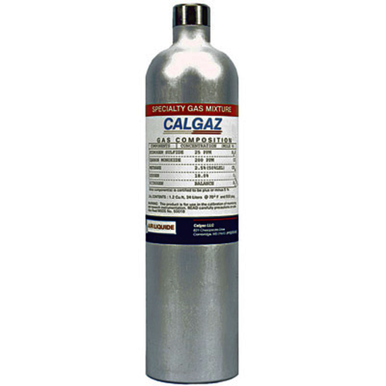 Honeywell BW CG-Q34-4 quad calibration gas2.5% methane = 50% LEL, with O2, H2S and CO
Why is the LEL different for every gas? Burning is a chemical reaction between fuel and oxygen, and each fuel needs a different amount of oxygen to burn completely. Methane needs two oxygen molecules per molecule of gas; propane needs five. That changes how little fuel it takes to sustain a flame front through air, and how much fuel it takes to use up the oxygen. The result is a lean limit and a rich limit that are particular to each gas. A monitor calibrated on methane and reading 10 percent LEL is reporting one tenth of methane’s limit; in propane or hydrogen the same reading means a different percent of gas in air, which is why the sensor must be calibrated, or corrected, for the gas that is actually present.
What do the numbers on the monitor mean?
Percent LEL is a fraction of the ignitable concentration, not a percent of gas in air.
LEL and UEL by gas
| Gas or vapor | LEL (% in air) | UEL (% in air) | Lighter or heavier than air |
|---|---|---|---|
| Methane (natural gas) | 5 | 15 | Lighter |
| Propane | 2.1 | 9.5 | Heavier (density 1.55) |
| Hydrogen | 4 | 75 | Much lighter (0.07) |
| Acetylene | 2.5 | 100 | Slightly lighter (0.91) |
| n-Butane | 1.6 | 8.4 | Heavier (2.11) |
| n-Pentane | 1.5 | 7.8 | Heavier |
| Gasoline (vapor) | 1.4 | 7.6 | Heavier |
| Hydrogen sulfide | 4.0 | 44.0 | Heavier (1.19) |
| Carbon monoxide | 12.5 | 74 | About the same (0.97) |
| Ammonia | 15 | 28 | Lighter (0.60) |
| Benzene | 1.2 | 7.8 | Heavier |
| Toluene | 1.1 | 7.1 | Heavier |
| Acetone | 2.5 | 12.8 | Heavier |
Limits are at normal temperature and pressure; heat widens the range. Acetylene’s UEL of 100 percent means it can decompose and burn with no air at all. Relative gas density is air = 1; values are the NIOSH Pocket Guide figures where that entry lists one, and the Air Products safetygram figure for hydrogen.
NIOSH Pocket Guide to Chemical Hazards entries for propane, acetylene, n-butane, n-pentane, gasoline, hydrogen sulfide, carbon monoxide, ammonia, benzene, toluene and acetone (LEL, UEL, relative gas density). Methane: NIOSH IC 9486, Handbook for Methane Control in Mining, chapter 1 (5 to 15 percent). Hydrogen: Air Products Safetygram, Gaseous Hydrogen (4 to 75 percent by volume; specific gravity 0.07), as published by the U.S. Department of Energy.
Which gas is the monitor calibrated for?
A catalytic LEL sensor responds to every flammable gas, but not equally. It is calibrated on one gas, usually methane or pentane, and reads other gases higher or lower than their true percent LEL. Manufacturers publish correction factors for their sensors, and many programs calibrate on pentane, or on a methane mix with the monitor set to a pentane equivalent, when the hazard is a liquid fuel vapor. The calibration gas and the setting have to match the gas the crew will meet. The monitor’s manual lists the factors; apply them or set the monitor to the target gas.
Manufacturer published correction factor tables for catalytic LEL sensors (Honeywell BW, MSA, RKI Instruments). The 10 percent LFL threshold is 29 CFR 1910.146(b).An infrared (IR) LEL sensor reads hydrocarbons by the light they absorb and works in a tank with no oxygen in it. Its limit is the other way around: it does not see hydrogen at all, and it is less sensitive to some other gases. Hydrogen, with its wide 4 to 75 percent range and a flame that is nearly invisible, is measured with a catalytic or a hydrogen-specific sensor.
Manufacturer published data for IR combustible sensors; hydrogen properties from the Air Products Safetygram, Gaseous Hydrogen.Where does a combustible gas collect?
- Heavier-than-air gases and vapors (propane, butane, gasoline, hydrogen sulfide, solvents) sink and pool in pits, sumps, trenches, tank bottoms and the low side of a sloped floor. Test at the bottom.
- Lighter gases (methane, hydrogen, ammonia) rise and collect under a roof, in the top of a tank or vault, or along a ceiling. Test at the top.
- Carbon monoxide is about the same density as air and mixes with it; test at breathing height and throughout.
- OSHA’s testing order for a confined space is oxygen first, then combustible gases, then toxics, and a pumped monitor with a probe lets the tester sample each level of the space before anyone enters.
LEL monitors and LEL calibration gas
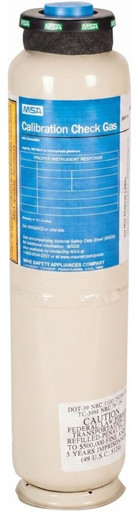
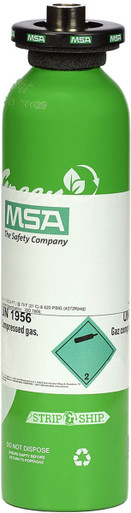
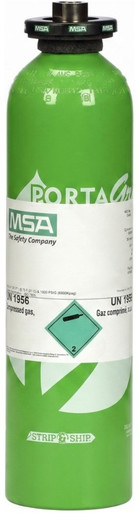
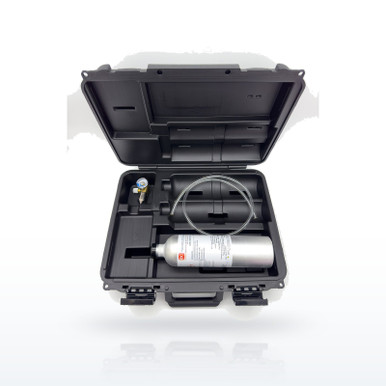
26 items · prices liveEvery monitor shown lists a combustible (LEL) sensor among the gases its manufacturer specifies; calibration mixes are listed with their methane concentration. Free shipping on orders over $199.
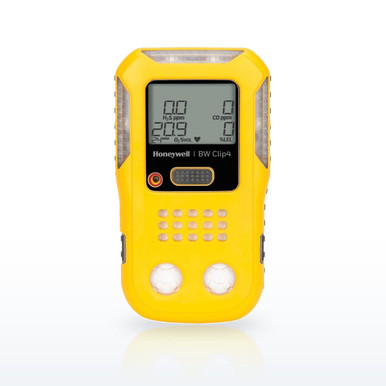
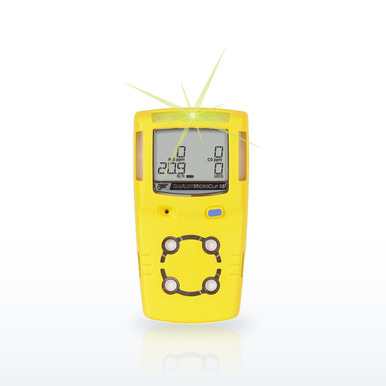
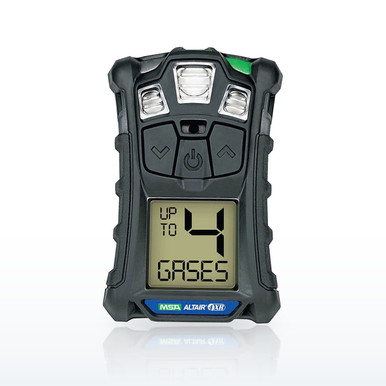
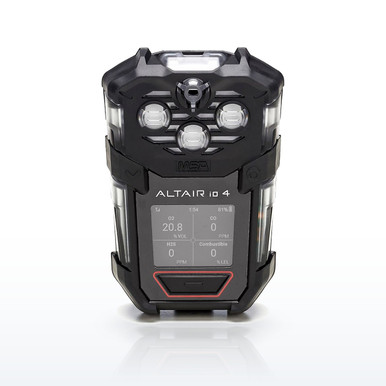
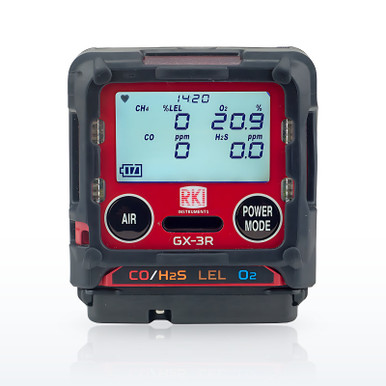
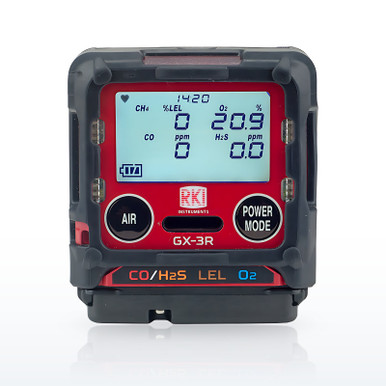
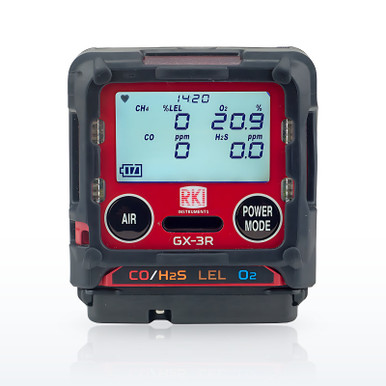

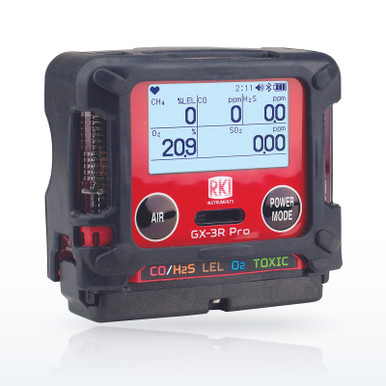
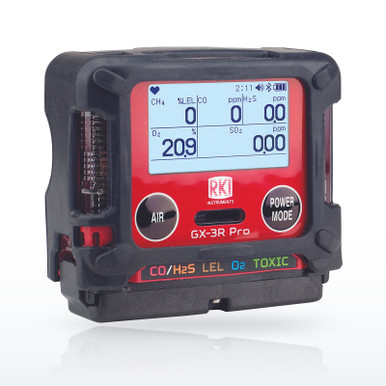

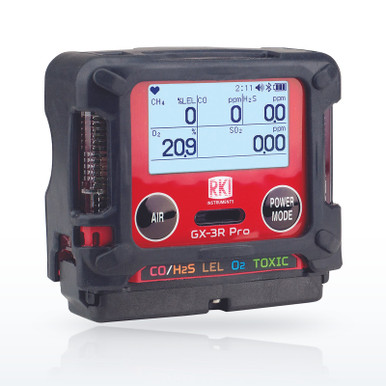
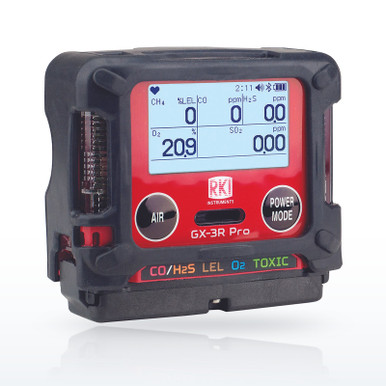
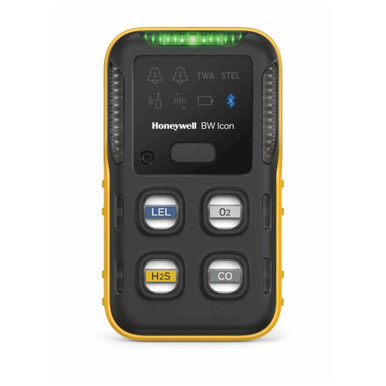
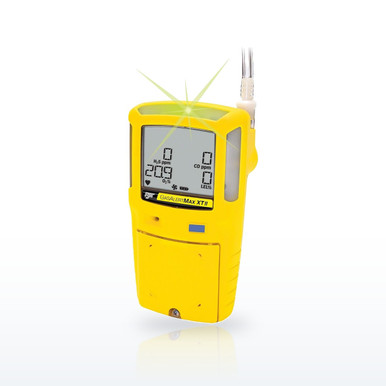
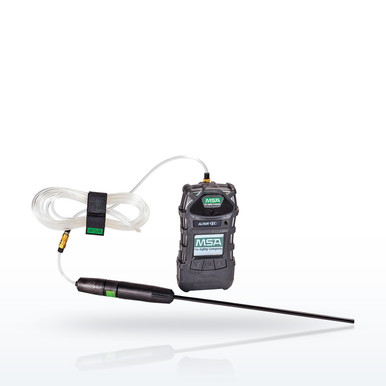
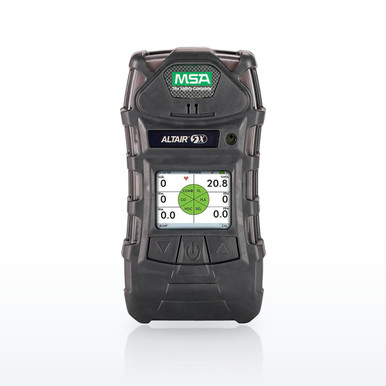
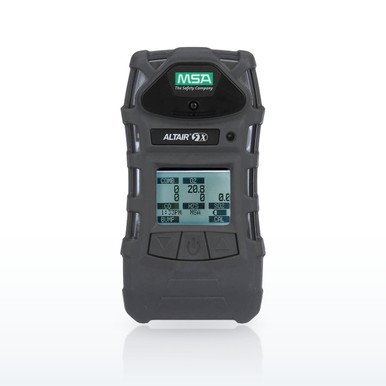
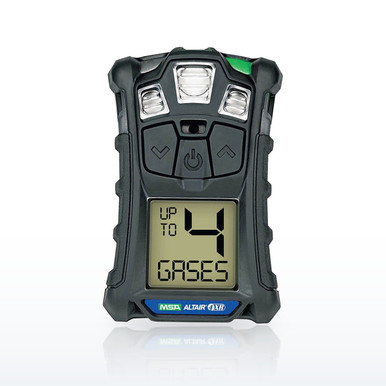
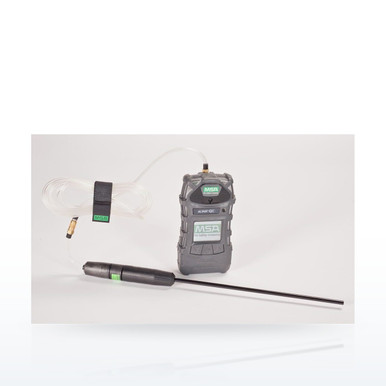
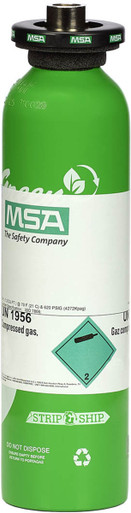
IR combustible sensors, pumped units and docking stations are in the gas detection finder.
Questions people ask
What is the LEL of methane?
5 percent gas in air; the UEL is 15 percent. Natural gas is mostly methane, so the same numbers are used for it.
What is the LEL of propane?
2.1 percent in air, with a UEL of 9.5 percent. Propane is heavier than air and collects low.
What is the LEL of hydrogen?
4 percent in air, with a UEL of 75 percent, one of the widest ranges of any common gas. Hydrogen is far lighter than air and collects high.
What does 10 percent LEL mean?
One tenth of the concentration that could ignite. For methane, 0.5 percent gas in air. OSHA treats a confined space above 10 percent LFL as a hazardous atmosphere (1910.146(b)).
Is LEL the same as LFL?
Yes. OSHA and NFPA write lower flammable limit; monitor makers write lower explosive limit. Same number.
Why does my LEL monitor read zero in a tank full of gas?
Above the UEL there is too little oxygen for a catalytic sensor to burn the gas, so it can read low or zero. Many monitors flag an over-range; an IR sensor avoids the problem. Treat a zero in a known fuel tank as suspect.
Does an LEL monitor read every flammable gas the same?
No. It is calibrated on one gas and reads others higher or lower. The manufacturer’s correction factors or a gas-specific setting bring the reading in line with the gas present.
Where should I test for propane?
Low: pits, sumps, trench bottoms and under equipment. Propane’s relative density is 1.55, so it sinks and pools.
Standards and ratings on this page are as published in the documents named and by the manufacturers named. The employer’s hazard assessment and written program decide what applies at a given workplace. Verify a rating on the product and its spec sheet before use.