
What is NIOSH, and how is it different from OSHA?
OSHA and NIOSH were created by the same law in 1970 and do different jobs. OSHA, in the Department of Labor, writes and enforces the rules: it inspects workplaces, issues citations and collects penalties. NIOSH, in the Department of Health and Human Services inside the CDC, does the science: it researches hazards, recommends exposure limits, evaluates health hazards at a workplace on request, and tests and approves respirators. NIOSH cannot inspect, cite or fine anyone. Its recommendations become enforceable only when OSHA adopts them. The one place every employer meets NIOSH directly is the respirator: OSHA’s rule requires that the respirator you select be NIOSH-certified, and the TC approval number on the mask is NIOSH’s.
Why split the science from the enforcement? Congress put the research institute in the health department and the enforcement agency in the labor department on purpose. An agency that writes a rule and then enforces it has reasons to defend the number it picked; an institute with no enforcement power can say the number is wrong. That is why NIOSH recommended limits are often lower than OSHA’s legal limits, and why OSHA itself tells employers to look at the NIOSH numbers.
What does each agency do?
The duties the OSH Act assigns to the Secretary of Labor (OSHA) and to the Secretary of Health and Human Services (NIOSH).
What is the difference between a NIOSH REL and an OSHA PEL?
A PEL, permissible exposure limit, is OSHA’s legal limit for a chemical in workplace air, listed in the Z tables of 1910.1000 and in the substance-specific standards. An REL, recommended exposure limit, is NIOSH’s judgment of the level that protects workers over a working lifetime. The REL has no legal force on its own. Many RELs are lower than the matching PEL because most PELs were adopted shortly after the OSH Act passed in 1970 and have not been updated, which OSHA itself states: it calls many of its PELs outdated and inadequate and recommends that employers consider the NIOSH RELs and ACGIH TLVs as alternatives.
OSHA, Permissible Exposure Limits, Annotated Tables (introduction); 29 CFR 1910.1000 Tables Z-1 through Z-3; NIOSH Pocket Guide to Chemical Hazards (lists PELs, RELs and IDLH values side by side).Noise is the clearest example. OSHA’s limit is 90 dBA over 8 hours with a 5-decibel exchange rate; NIOSH recommends 85 dBA with a 3-decibel exchange rate. A worker at 95 dBA may legally be there 4 hours under OSHA’s table; NIOSH says 47 minutes. An employer who follows the OSHA number is in compliance. An employer who follows the NIOSH number is protecting hearing.
29 CFR 1910.95 Table G-16; NIOSH, Criteria for a Recommended Standard: Occupational Noise Exposure (1998), REL 85 dBA, 3-dB exchange rate.NIOSH also publishes the IDLH values, the concentrations immediately dangerous to life or health, which OSHA’s respirator standard uses to decide when a supplied-air respirator or SCBA is required instead of an air-purifying one. That is a NIOSH number carrying OSHA consequences.
NIOSH Pocket Guide to Chemical Hazards (IDLH values); 29 CFR 1910.134(d)(2) (respirators for IDLH atmospheres).Why does my respirator have to be NIOSH-approved?
Because the OSHA respiratory protection standard says so. The employer must select a NIOSH-certified respirator and use it in compliance with the conditions of its certification; filters, cartridges and canisters must carry the NIOSH approval label, color coded, and the label must stay on and legible. The approval is the result of NIOSH testing under 42 CFR Part 84: an N95, for example, must stop at least 95 percent of a sodium chloride test aerosol under the test conditions in the regulation, and a P100 at least 99.97 percent. A mask without a TC number is not a respirator in OSHA’s eyes, whatever it looks like.
29 CFR 1910.134(d)(1)(ii) and (j); 42 CFR 84.2 (approval), 84.170(b) (minimum filter efficiency: 95 percent for N95, R95 and P95; 99.97 percent for N100, R100 and P100), 84.174 (sodium chloride and DOP test aerosols).Every approved respirator carries a testing and certification number in the form TC-84A-XXXX on the mask, the packaging or the instructions, and the Certified Equipment List is NIOSH’s official listing of every approved respirator. If a search of the list for an approval number returns nothing, the number is not valid. NIOSH Approved is a registered certification mark of the Department of Health and Human Services.
NIOSH, How the Certified Equipment List Works (TC approval numbers; the CEL as the official listing; NIOSH Approved certification mark).NIOSH approves respirators and nothing else in the PPE catalog. Hard hats, glasses, gloves, harnesses and hearing protection are rated to ANSI, ASTM or NFPA standards by their manufacturers; there is no government approval mark on them. The NIOSH logo on a respirator is the exception, which is why it matters.
42 CFR Part 84 covers respiratory protective devices only; see the ANSI guide for the other standards.How do the two agencies work together?
- OSHA incorporates NIOSH documents by reference where it needs them: the NIOSH Recommendations for Occupational Safety and Health Standards in the HAZWOPER definition of PEL, and the NIOSH fire fighter glove test criteria in the fire brigade rule.
- OSHA’s respirator standard is built on NIOSH approval, and its assigned protection factors and IDLH triggers rest on NIOSH data.
- NIOSH criteria documents, such as the 1998 noise criteria and the heat stress criteria, are the research basis OSHA cites when it proposes new rules.
- The two agencies publish joint guidance, and OSHA’s annotated PEL tables carry the NIOSH REL in the next column.
- Neither agency runs the other. NIOSH is headed by a Director appointed by the Secretary of Health and Human Services and sits inside the CDC; OSHA is headed by the Assistant Secretary of Labor for Occupational Safety and Health. Recommendations flow one way, enforcement the other.
NIOSH-approved respirators and filters by filter class
28 items · prices liveFilter class is the NIOSH 42 CFR 84 designation each manufacturer publishes for the item. The TC approval number is on the product and its packaging; verify it on the NIOSH Certified Equipment List. Pack and case sizes are on the product page. Contractor Direct orders ship free.
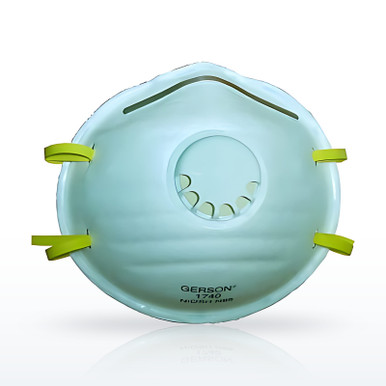
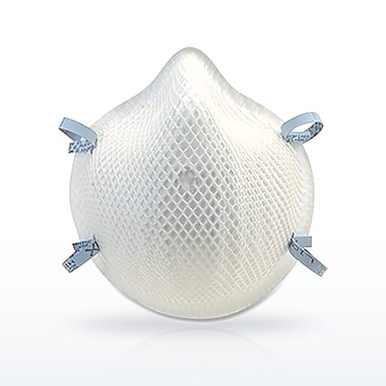
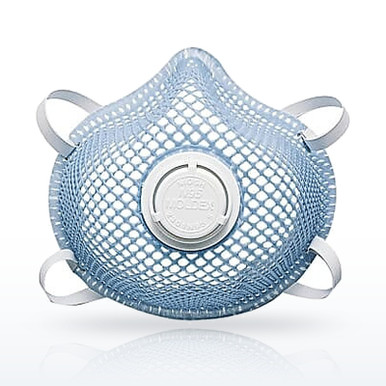
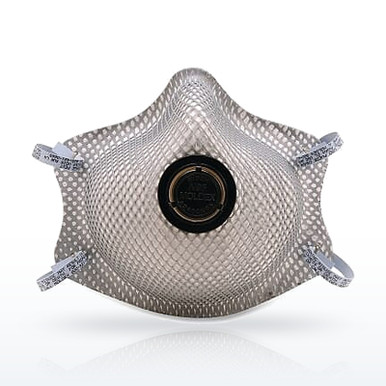
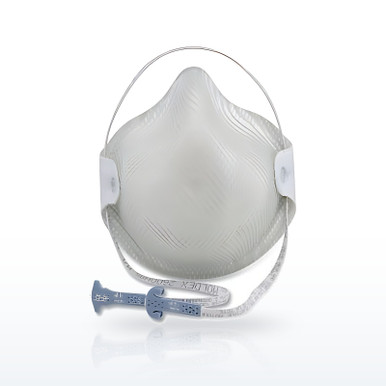
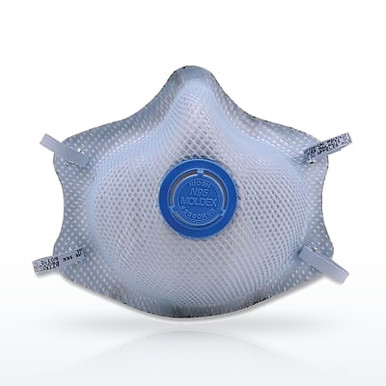
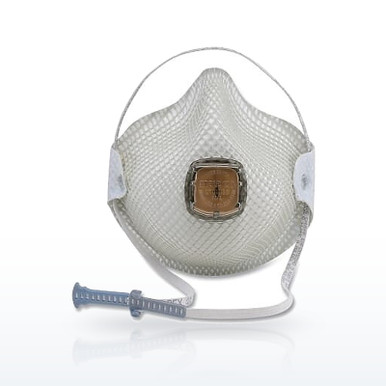
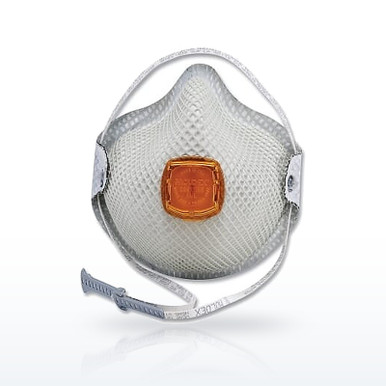


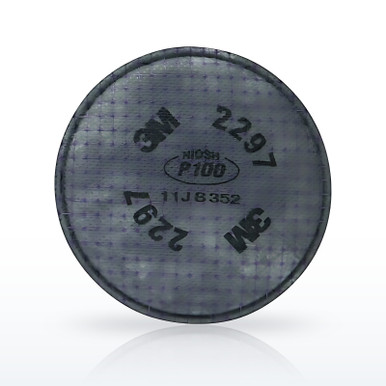


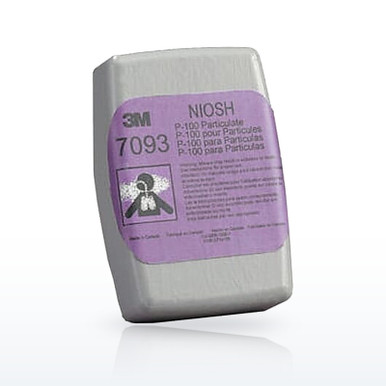
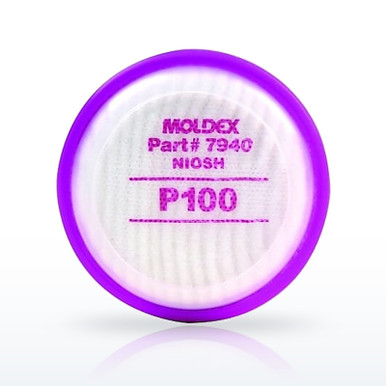

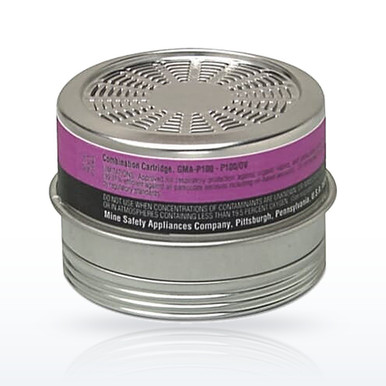
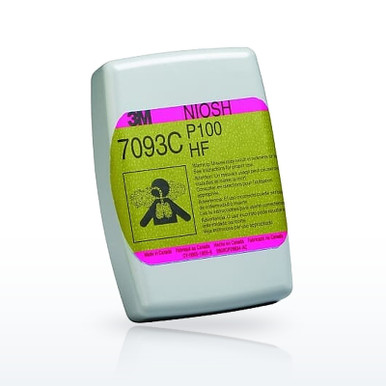
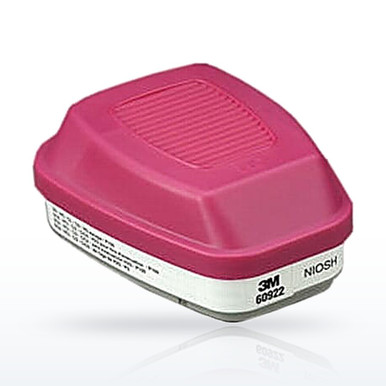
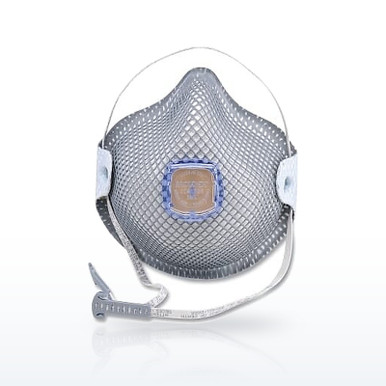
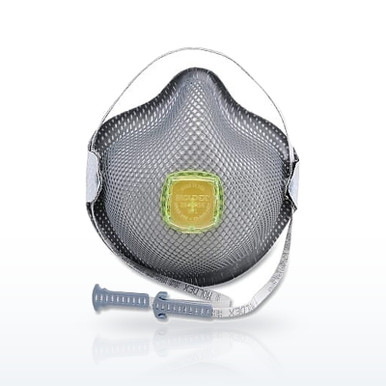
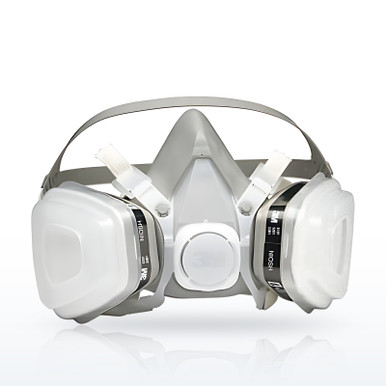
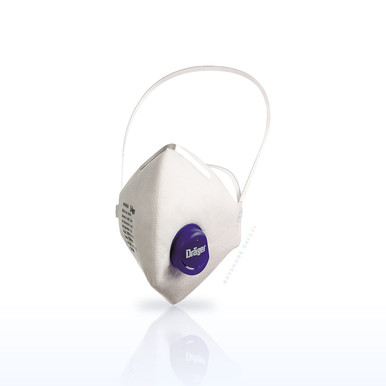
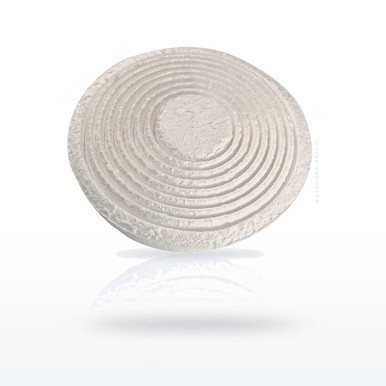
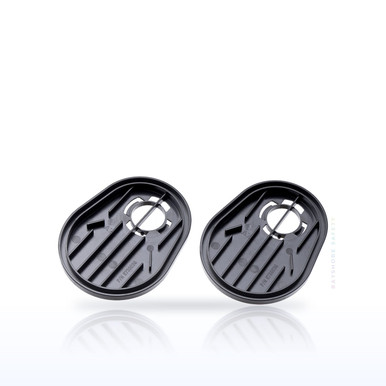
Half and full facepieces, PAPRs and supplied-air systems are in the respirator finder.
Questions people ask
What does NIOSH stand for?
National Institute for Occupational Safety and Health, established by section 22 of the OSH Act of 1970 in the Department of Health and Human Services; it is part of the CDC.
Is NIOSH part of OSHA?
No. OSHA is in the Department of Labor; NIOSH is in Health and Human Services. They were created by the same Act with different duties.
Can NIOSH fine a company?
No. NIOSH has no inspection or enforcement authority. Inspections, citations and penalties are OSHA’s, under sections 8, 9 and 17 of the Act.
Are NIOSH RELs enforceable?
Not by themselves. OSHA’s PELs are the legal limits. OSHA can cite an employer under the general duty clause for a recognized hazard, and NIOSH data is often the evidence, but the REL itself is a recommendation.
What does NIOSH-approved mean on a respirator?
That NIOSH tested the respirator under 42 CFR Part 84 and issued a certificate of approval with a TC number. OSHA requires employers to select NIOSH-certified respirators (1910.134(d)(1)(ii)).
Does NIOSH approve hard hats or safety glasses?
No. NIOSH approval covers respirators only. Hard hats and glasses are rated to ANSI standards by the manufacturer.
What is a NIOSH Health Hazard Evaluation?
A workplace investigation NIOSH performs at the written request of an employer or employee representative under section 20(a)(6) of the Act, to determine whether a substance or condition is hazardous. It results in a report with recommendations, not a citation.
Which number should I follow, the PEL or the REL?
The PEL is the legal minimum. OSHA itself says many PELs are outdated and recommends employers consider the NIOSH RELs and ACGIH TLVs. Following the lower number satisfies both.
Related guides
NIOSH filter classesN95, N99, N100, P95, P100 and what the letters meanHow do respirators work?Filters, cartridges and air supplyRespirator fit testingWhen OSHA requires it and how it is doneDecibel level chartOSHA and NIOSH noise limits side by sideWhat is ANSI?And is an ANSI standard the lawStandards and ratings on this page are as published in the documents named and by the manufacturers named. The employer’s hazard assessment and written program decide what applies at a given workplace. Verify a rating on the product and its spec sheet before use.