
What is ANSI, and is an ANSI standard the law?
ANSI, the American National Standards Institute, is a private nonprofit founded in 1918 that oversees the system for writing voluntary standards in the United States. It does not write the standards. Industry groups such as ISEA write them under ANSI rules for openness and consensus, and ANSI approves the result as an American National Standard. On its own, an ANSI standard is voluntary. It becomes law in one of two ways: OSHA incorporates a specific edition by reference into a regulation, as it has with Z87.1 for eye protection and Z89.1 for hard hats, or OSHA cites it as the recognized way to meet a general duty. Standards OSHA has not adopted, such as ANSI/ISEA 107 for hi-vis or Z359 for fall protection, are still what manufacturers certify to and what the market expects.
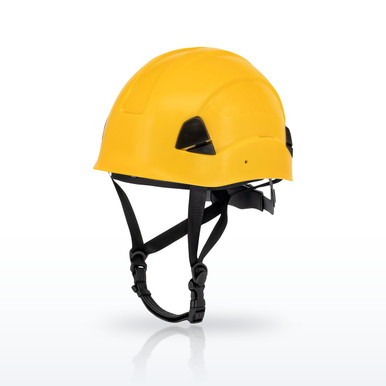 DEWALT DPG22 Type II Class E safety helmetANSI Z89.1 Type II, Class E, as published by DEWALT
Why does OSHA lean on ANSI at all? When the OSH Act passed in 1970, Congress told OSHA to adopt the existing national consensus standards as its starting rules, because they were already written and already in use. Most of the PPE performance tests in OSHA’s rules came in that way and have been updated only a few times since. Writing a hard hat test into the Code of Federal Regulations would freeze it; pointing to an ANSI edition lets the test live in a document that engineers revise every five years or so, and lets OSHA accept newer editions that are at least as protective.
What does ANSI do, and what does it not do?
The institute, the developers and the standards, kept separate.
How does an ANSI standard become the law?
Through OSHA. Section 6(a) of the OSH Act told the agency to adopt any national consensus standard as an OSHA standard during its first two years, and section 6(b)(8) requires OSHA to explain itself whenever a rule it writes later differs substantially from an existing consensus standard. The hard hat, eye protection, footwear and ladder tests OSHA enforces today came in through that door.
OSH Act of 1970, section 6(a) and 6(b)(8), 29 U.S.C. 655.The mechanism is incorporation by reference. 1910.6 for general industry and 1926.6 for construction list every outside document OSHA has adopted, by title and edition, and state that the incorporated material has the same force and effect as the rest of the regulation. Only the mandatory provisions, the sentences with shall, are adopted; the advisory parts of a standard are not. To enforce a different edition, OSHA has to publish a notice in the Federal Register.
29 CFR 1910.6(a)(1) and (a)(1)(i); 1926.6.For PPE, the incorporated editions are older than what is on the shelf. Eye and face protection must meet ANSI/ISEA Z87.1-2010, Z87.1-2003 or Z87.1-1989 (R1998); head protection must meet Z89.1-2009, 2003 or 1997; footwear must meet ASTM F2412-2005 and F2413-2005 or ANSI Z41-1999 or 1991. Each section then allows any device the employer demonstrates is at least as effective as one built to a listed edition, which is how glasses marked Z87.1-2020 and hard hats marked Z89.1-2014 comply.
29 CFR 1910.133(b)(1) and (2); 1910.135(b)(1) and (2); 1910.136(b)(1) and (2); 1926.100(b) and 1926.102(b).The other route is the general duty clause. Section 5(a)(1) requires every employer to furnish a workplace free from recognized hazards likely to cause death or serious harm. OSHA uses current consensus standards as evidence of what the industry recognizes as the hazard and the fix, so a standard that is not incorporated anywhere can still shape a citation.
OSH Act section 5(a)(1), 29 U.S.C. 654; 29 CFR 1910.5(f).Which PPE standards has OSHA adopted, and which has it not?
- Adopted, with the edition named: ANSI/ISEA Z87.1 (eye and face), ANSI Z89.1 (head), ANSI Z41 and ASTM F2412/F2413 (footwear), ANSI Z88.2-1969 (respiratory practices, in 1910.134(c)), ANSI A14.3-1956 (fixed ladders, in 1910.68 and 1910.261), ANSI S3.6 and S1.4 (audiometers and sound level meters for 1910.95), ANSI Z535 (safety colors and signs).
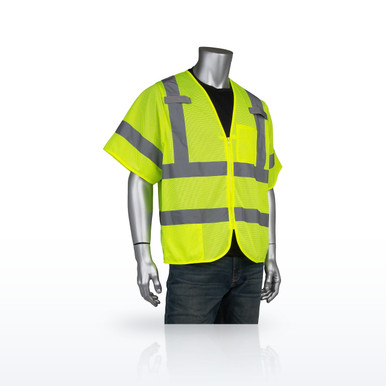
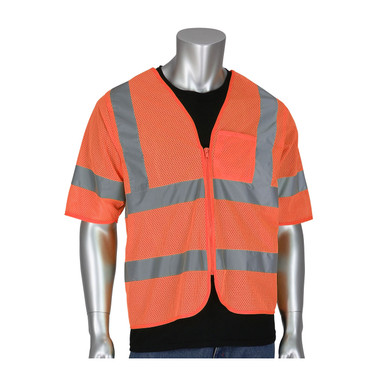
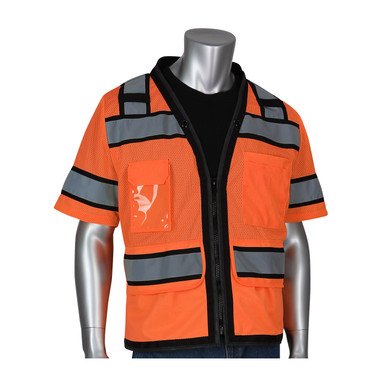
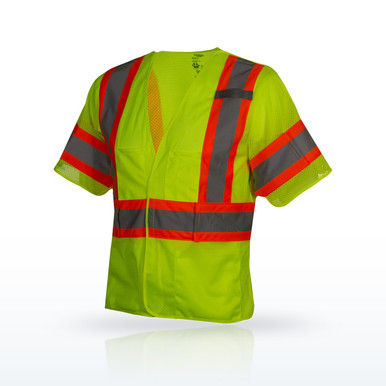
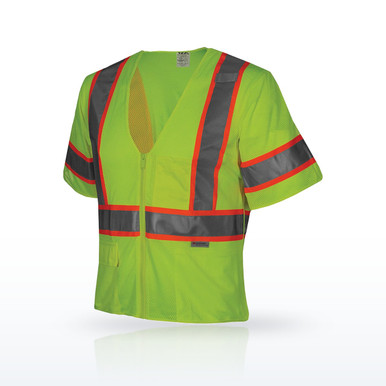
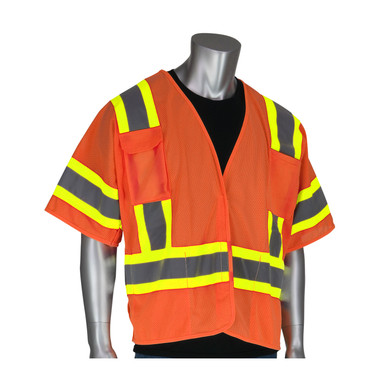
- Not incorporated: ANSI/ISEA 107 (hi-vis apparel). OSHA reaches it indirectly for flaggers, through the MUTCD adopted in 1926.6 and 1926.201, and 1926.651(d) requires warning vests or other high-visibility garments for excavation workers exposed to public traffic without naming a standard.
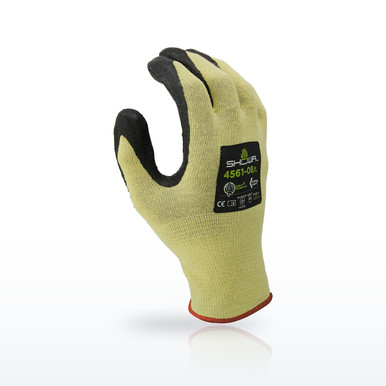
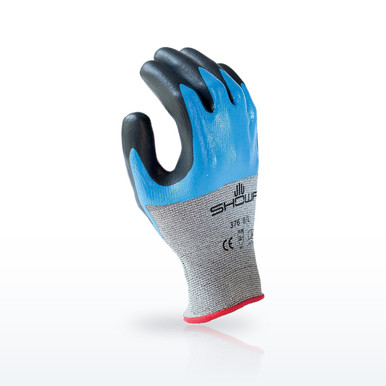
- Not incorporated: ANSI/ISEA 105 (glove cut, abrasion and puncture levels). 1910.138 requires gloves selected for the hazard and leaves the performance measure to the employer; the A1 to A9 cut level on a glove is the manufacturer’s ISEA 105 rating.
- Not incorporated: ANSI/ASSP Z359 (fall protection equipment). 1910.140 and 1926.502 set their own performance numbers, such as 5,000-pound anchorages and 1,800-pound arresting force; manufacturers certify harnesses and SRLs to Z359 as the industry standard.
- Not incorporated: ANSI/ISEA Z308.1 (first aid kits). 1910.151(b) requires adequate first aid supplies and the non-mandatory Appendix A to 1910.151 points to ANSI Z308.1-1998 as an example of minimal kit contents, not a requirement.
- Not incorporated: ANSI/ISEA Z358.1 (eyewash and showers). 1910.151(c) requires suitable facilities for quick drenching; OSHA’s letters of interpretation point to Z358.1 as the recognized design reference.
What does ANSI on a label actually tell you?
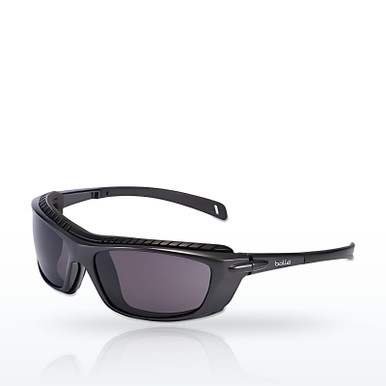
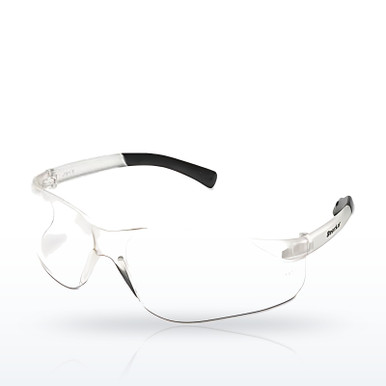
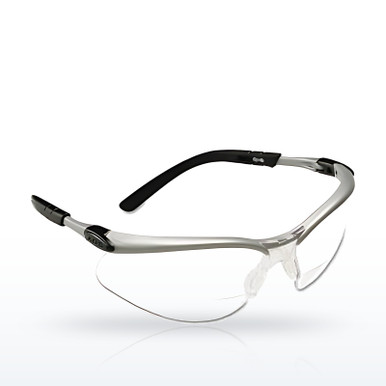
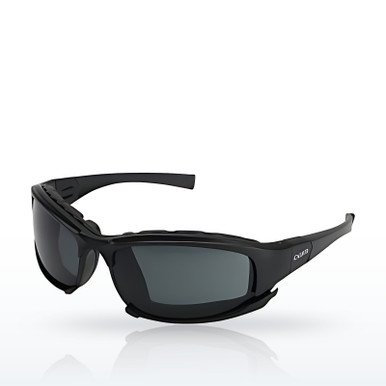
That the manufacturer tested the product to the named standard and edition and is marking it as compliant. ANSI does not test or certify products. Some standards, NFPA 2112 for example, require certification by an independent certification organization; others, including Z87.1 and Z89.1, rely on the manufacturer’s own testing and declaration of conformance. The marking is what the employer’s hazard assessment relies on, which is why the product band below shows each item’s marked rating as the manufacturer publishes it rather than a general claim.
Manufacturer spec sheets for the items shown; certification requirements as stated in each standard.PPE by the ANSI standard it is marked to
28 items · prices liveRatings are as published by each manufacturer. Z89.1 and Z87.1 are incorporated by OSHA; ANSI/ISEA 107 and 105 are industry standards OSHA does not incorporate. Pack and case sizes are on the product page. Free shipping on orders over $199.
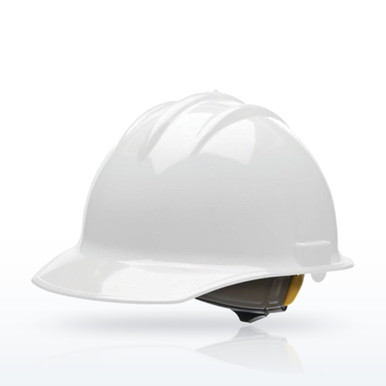
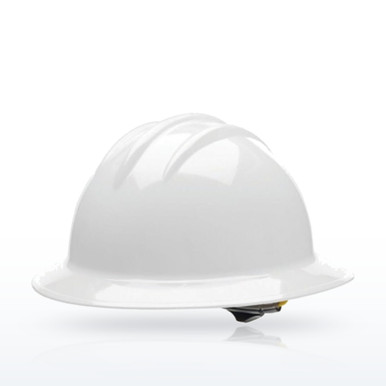
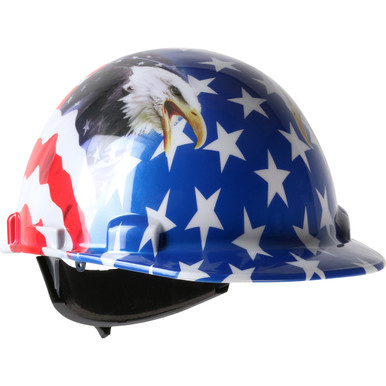
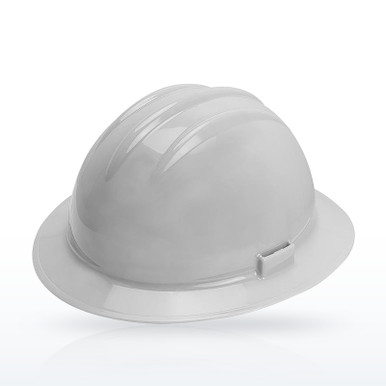
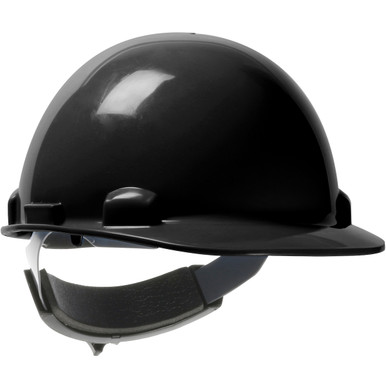
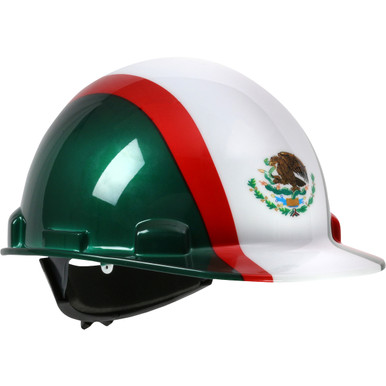
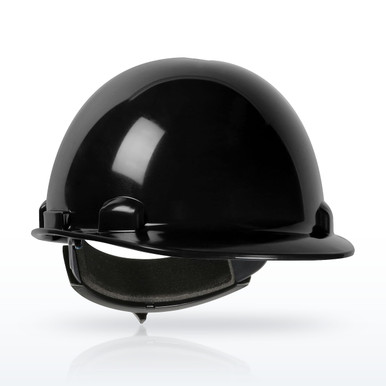

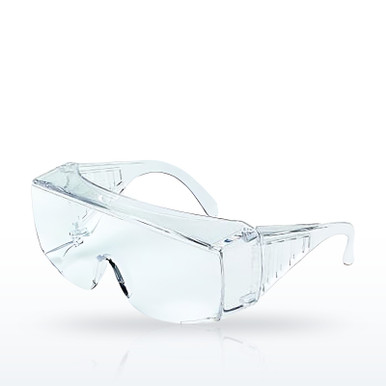
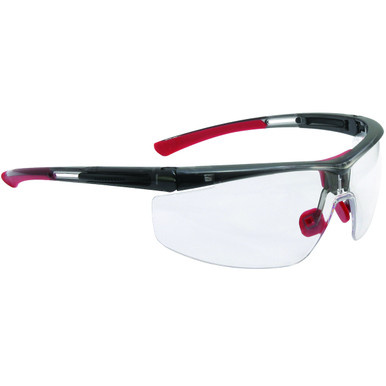
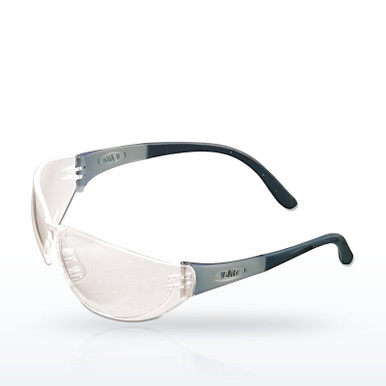
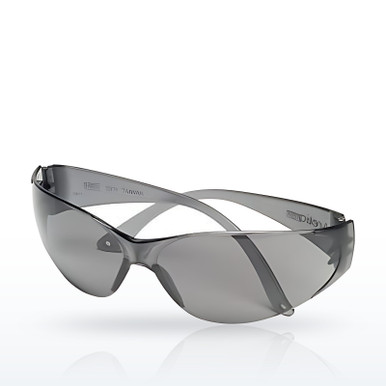
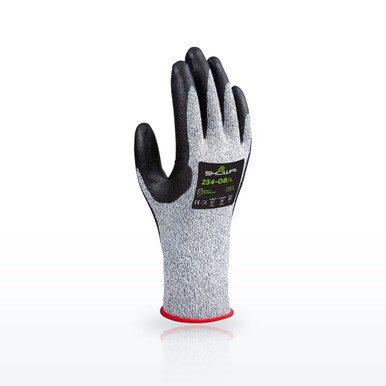

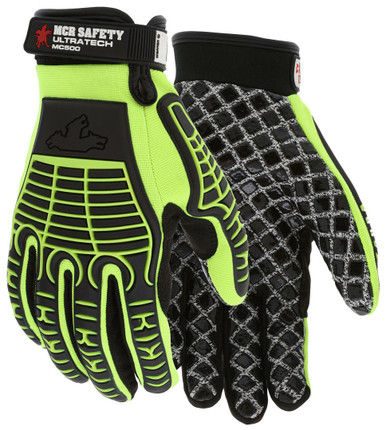
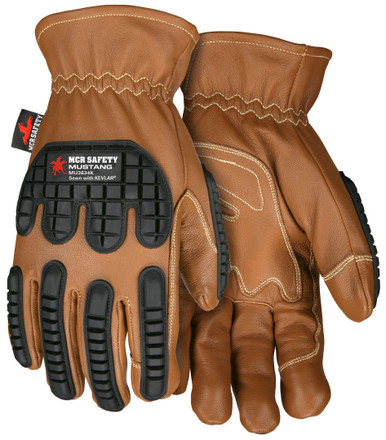
Z359 harnesses and SRLs are in the fall protection finder; Z308.1 kits in the first aid finder.
Questions people ask
What does ANSI stand for?
American National Standards Institute, a private nonprofit founded in 1918 that coordinates the voluntary standards system in the United States and approves American National Standards.
Is ANSI a government agency?
No. It is a private, not-for-profit organization. OSHA is the government agency; it adopts certain ANSI standards by reference.
Are ANSI standards mandatory?
Not by themselves. They become enforceable when a regulation incorporates them by reference, as 1910.6 does for Z87.1 and Z89.1, or when a contract or purchasing rule requires them.
Does OSHA require ANSI Z87.1 safety glasses?
Yes. 1910.133(b) and 1926.102(b) require eye and face protection to comply with Z87.1-2010, 2003 or 1989, or to be shown at least as effective.
Is a Z87.1-2020 marking acceptable when OSHA names Z87.1-2010?
Yes, under the clause that accepts any device the employer demonstrates is at least as effective as one built to the listed edition (1910.133(b)(2)).
Does OSHA require ANSI/ISEA 107 hi-vis vests?
Not by incorporation. Flaggers must follow the MUTCD, which calls for 107-rated garments (1926.201(a)). For other workers, hi-vis comes from the employer’s hazard assessment and the general duty clause.
Does OSHA require ANSI cut-level gloves?
No specific level. 1910.138 requires gloves selected for the hazard; the ISEA 105 A-level is how manufacturers state cut resistance so the employer can match it.
What is the difference between ANSI and ISEA?
ISEA, the International Safety Equipment Association, is the ANSI-accredited developer that writes the PPE standards (Z87.1, Z89.1, 107, 105, Z308.1, Z358.1). ANSI accredits ISEA and approves its documents as American National Standards.
Standards and ratings on this page are as published in the documents named and by the manufacturers named. The employer’s hazard assessment and written program decide what applies at a given workplace. Verify a rating on the product and its spec sheet before use.