
Nitrogen dioxide and diesel exhaust: the exposure limits, what is in the exhaust, and the NO2 monitors we carry
Nitrogen dioxide is the reddish-brown, sharp-smelling gas in diesel and other engine exhaust, and OSHA treats it as a ceiling: 5 parts per million, never to be exceeded, in general industry and construction. NIOSH recommends 1 ppm as a 15-minute short-term limit, and 13 ppm is immediately dangerous to life or health. The damage is to the lungs, and the worst of it, fluid in the lungs, can arrive hours after the exposure. Diesel exhaust also carries carbon monoxide, nitric oxide and fine soot, and the OSHA and MSHA hazard alert carries the IARC finding that the exhaust as a whole is a known human carcinogen. A 4-gas monitor does not read NO2; it needs its own sensor.
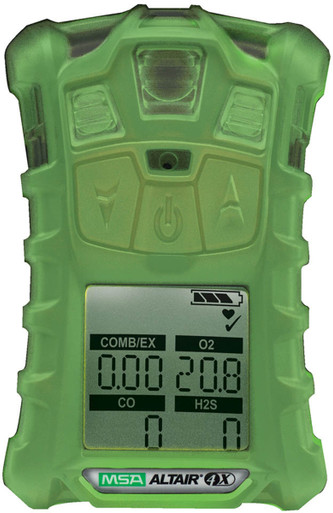
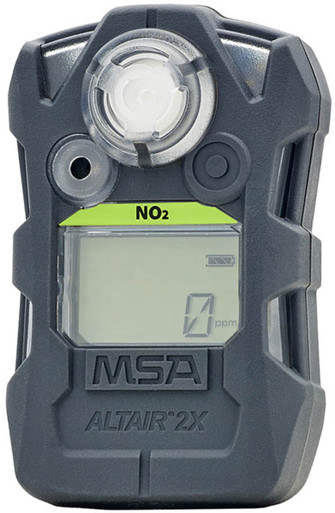 MSA ALTAIR 2X NO2 single-gas detectorNitrogen dioxide, 0 to 1,999 ppm sensor range
Why is nitrogen dioxide a ceiling and not an average? Most gases in Table Z-1 get an 8-hour average, because the harm builds with dose over a shift. NO2 is one of the few marked with a C, for ceiling, because a short high exposure does its own kind of harm: the gas reacts deep in the lung, and the fluid buildup NIOSH lists among its effects, pulmonary edema, can come on hours after the person has walked away feeling fine. An average over 8 hours would let a brief spike through. A ceiling does not. That is also why a monitor with an instantaneous alarm, not just a shift-average alarm, is the right tool for engine exhaust.
What are the limits?
Each number and who sets it.
What does nitrogen dioxide do to the body?
NIOSH lists eye, nose and throat irritation, cough, reduced lung function, chronic bronchitis, shortness of breath, chest pain, pulmonary edema, bluish skin, rapid breathing and rapid heartbeat. The target organs are the eyes, the respiratory system and the cardiovascular system. The gas is a yellowish-brown liquid or a reddish-brown gas above 70 F, with a pungent, acrid odor.
NIOSH Pocket Guide, nitrogen dioxide: symptoms, target organs, physical description.The point for a crew is the delay. A worker who takes a heavy dose from a running engine in a closed bay can feel only throat irritation at the time and develop fluid in the lungs that night. Anyone with a significant NO2 exposure needs medical evaluation even if they feel well, and the written program should say so.
NIOSH Pocket Guide, nitrogen dioxide (pulmonary edema among listed effects). Medical follow-up is the employer’s call under its program; the standard sets the limit, not the response.What is in diesel exhaust?
The OSHA and MSHA hazard alert describes diesel exhaust as a mixture of gases and very small particles. The gases it names are carbon monoxide, nitric oxide and nitrogen dioxide. The particles, diesel particulate matter, are soot: a core of elemental carbon with aromatic hydrocarbons on the surface, plus ash, metallic abrasion particles, sulfates and silicates. Short exposures at high levels cause headache, dizziness and eye, nose and throat irritation; prolonged exposure raises the risk of cardiovascular, cardiopulmonary and respiratory disease and lung cancer. In June 2012 the International Agency for Research on Cancer classified diesel exhaust, including the particulate, as a known human carcinogen, Group 1.
OSHA/MSHA Hazard Alert, Diesel Exhaust/Diesel Particulate Matter (OSHA 3590): composition, health effects, IARC classification.OSHA has no standard for diesel exhaust as a single hazard and no limit for the particulate. What it enforces are the limits for the gases: 50 ppm for CO, 25 ppm for nitric oxide, and the 5 ppm ceiling for NO2. The particulate limit, 160 micrograms per cubic meter of total carbon over 8 hours, is MSHA’s and applies in underground metal and nonmetal mines, where respirators are required when engineering and administrative controls cannot meet it and rotating miners to comply is prohibited.
OSHA Safety and Health Topics, Diesel Exhaust (no standalone standard); OSHA/MSHA Hazard Alert OSHA 3590 (PELs for components; MSHA 30 CFR Part 57 DPM limit).What controls does the hazard alert list?
- Engineering controls first: routine preventive maintenance of diesel engines; exhaust filters and cleaner-burning engines; diesel oxidation catalysts; special fuels or additives such as biodiesel; filtered air in equipment cabs; installed or upgraded ventilation such as tailpipe or stack exhaust vents.
- Administrative controls: limiting speeds and using one-way travel routes; prohibiting or restricting unnecessary idling or lugging of engines; restricting the number of diesel units and total horsepower in an area so vehicle numbers stay within ventilation capacity; designating areas off-limits to diesel operation or personnel travel.
- Where controls cannot hold the limit: respirators under a written program. For NO2, NIOSH lists supplied-air and SCBA options only; no cartridge respirator appears in its recommendations below the IDLH.
- Monitoring: a direct-reading NO2 sensor at the breathing zone tells the crew whether the ceiling is being met now. The CO sensor in a 4-gas monitor covers the carbon monoxide half of the problem; it does not read NO2.
How is NO2 detected, and what are the alarms set at?
An electrochemical NO2 sensor, in a single-gas clip or as one slot in a multi-gas detector. Because the limit is a ceiling, the instantaneous alarms matter more than the averages: manufacturers ship NO2 monitors with low and high set points, for example 2.5 and 5 ppm on the MSA ALTAIR 2X NO2, and the employer sets them to its program. A combined CO and NO2 unit covers both exhaust gases on one clip; a pumped multi-gas unit with an NO2 sensor is used to check a bay, tunnel or pit before anyone goes in. Bump test before each day’s use with NO2 test gas and calibrate on the manufacturer’s schedule; NO2 is a reactive test gas with a short shelf life, so watch the cylinder date.
Manufacturer product data for the monitors below (sensor type, alarm defaults); OSHA SHIB 11-26-2024, Calibrating and Testing Direct-Reading Monitors (bump test before each day’s use; certified test gas before expiration).Direct-reading chips and tubes exist for NO2 as well, and OSHA lists a direct-reading chip method in its chemical database. They give a spot number, not an alarm. For a worker standing next to a running engine, the wearable sensor is what meets the ceiling in real time.
OSHA Occupational Chemical Database entry 21 (direct-reading chip, 0.5 to 25 ppm).NO2 monitors
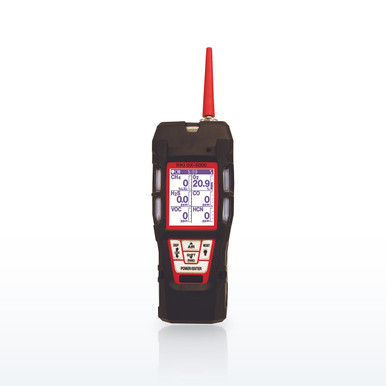
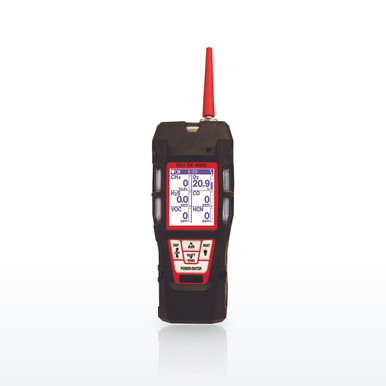
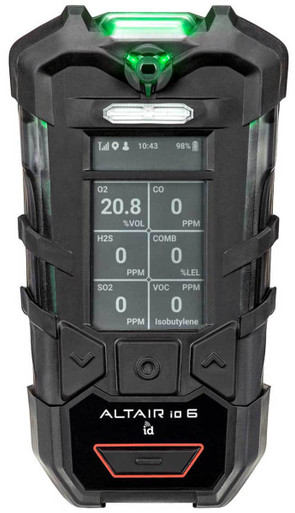
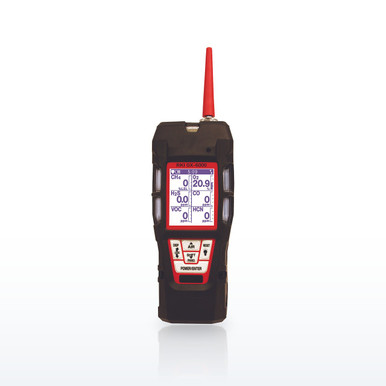
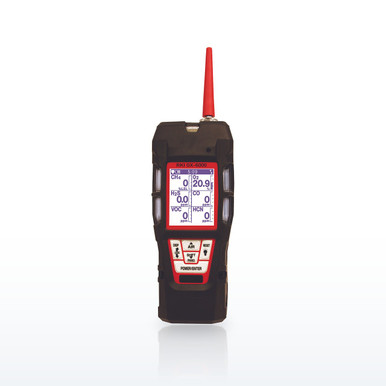
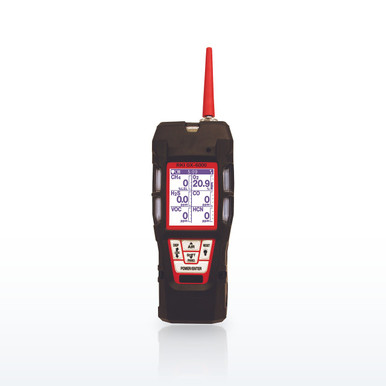
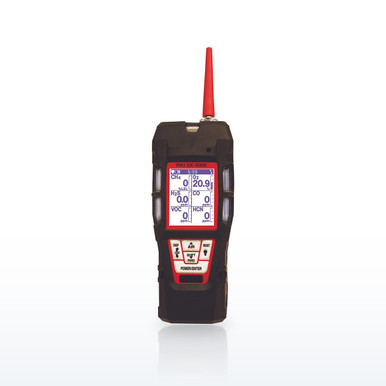
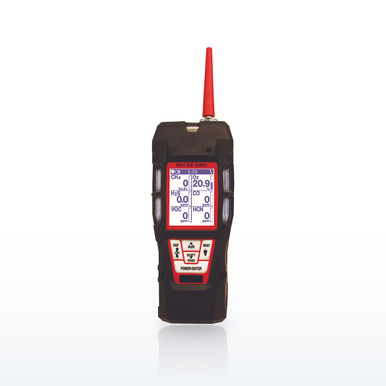
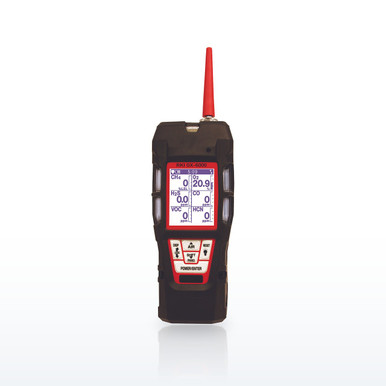
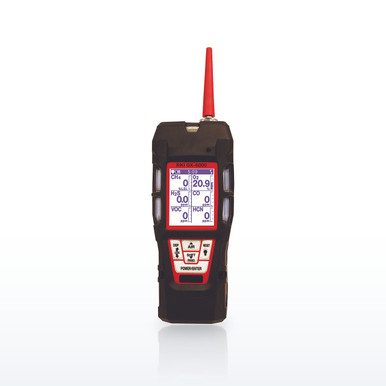
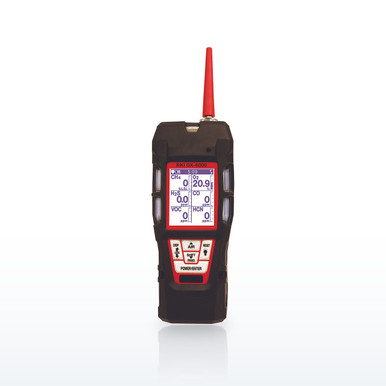
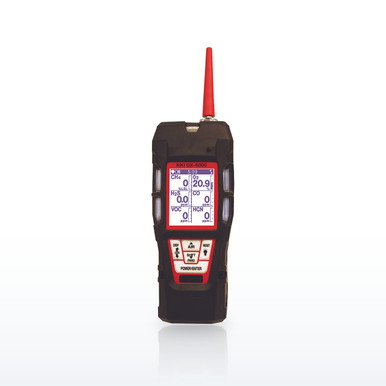
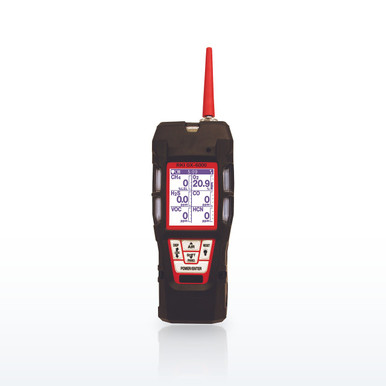
20 items · prices liveEvery monitor shown lists nitrogen dioxide among the gases its manufacturer specifies for it. Gases detected, alarm defaults and sensor life are as published by the manufacturer on each product page. Free shipping on orders over $199.
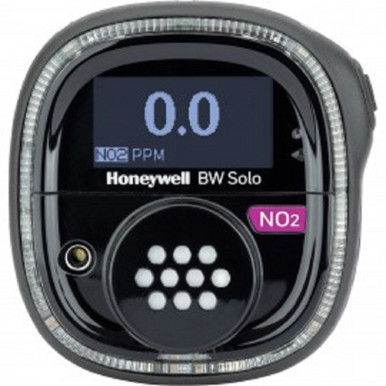
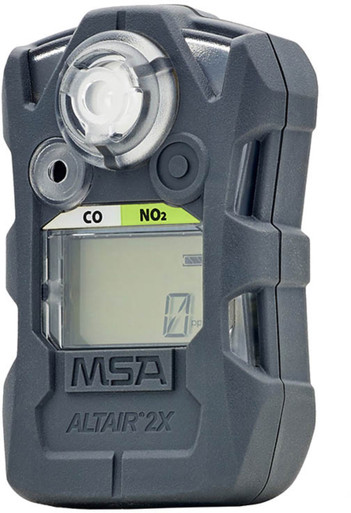
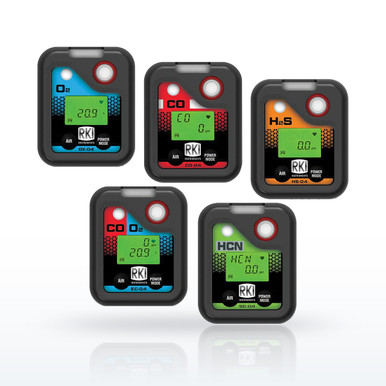
NO2 replacement sensors, calibration gas and docking stations are in the gas detection finder.
Questions people ask
What is the OSHA exposure limit for nitrogen dioxide?
A ceiling of 5 ppm (9 mg/m3), not to be exceeded at any time, under 1910.1000 Table Z-1 and 1926.55.
What is the NIOSH limit for NO2?
1 ppm as a 15-minute short-term exposure limit. NIOSH publishes no 8-hour REL for NO2.
What level of NO2 is dangerous?
NIOSH sets 13 ppm as immediately dangerous to life or health, revised in 2017 from 20 ppm. Lung effects, including delayed pulmonary edema, begin lower.
Does a 4-gas monitor detect diesel exhaust?
It reads the carbon monoxide in it. It does not read nitrogen dioxide or the particulate. NO2 needs its own sensor; the particulate is measured by sampling, not by a portable alarm.
Is diesel exhaust a carcinogen?
Yes. IARC classified diesel exhaust, including diesel particulate matter, as a known human carcinogen (Group 1) in June 2012, and the OSHA/MSHA hazard alert carries that classification.
Is there an OSHA limit for diesel particulate?
No. OSHA enforces the limits for the exhaust gases (CO 50 ppm, NO 25 ppm, NO2 5 ppm ceiling). The 160 microgram per cubic meter total-carbon limit is MSHA’s, for underground metal and nonmetal mines.
What respirator is used for nitrogen dioxide?
NIOSH lists supplied-air respirators and SCBA; it lists no cartridge respirator for NO2 below the IDLH. Above 13 ppm or in unknown concentrations, a pressure-demand full-facepiece SCBA. The written program under 1910.134 makes the selection.
What should an NO2 monitor alarm be set at?
The employer sets it to the limit its program uses. Manufacturer defaults vary; the MSA ALTAIR 2X NO2 is listed with 2.5 and 5 ppm set points. Because the OSHA limit is a ceiling, the instantaneous alarms are the ones that matter.
Standards and ratings on this page are as published in the documents named and by the manufacturers named. The employer’s hazard assessment and written program decide what applies at a given workplace. Verify a rating on the product and its spec sheet before use.