
Noise in construction: how 1926.52 differs from 1910.95
Construction sites follow 29 CFR 1926.52 and 1926.101, not 1910.95. The limit is the same: Table D-2 allows 8 hours at 90 dBA and halves the time every 5 decibels, and engineering and administrative controls come before ear protection. The difference is everything after that. 1926.52 requires a continuing, effective hearing conservation program whenever the table is exceeded, but does not say what it must contain: no 85 dBA action level, no baseline and annual audiograms, no annual training paragraph, no record retention rule. 1926.101 adds two things general industry does not spell out: plugs must be fitted or determined individually by a competent person, and plain cotton is not acceptable. Most construction safety programs borrow the 1910.95 parts to fill the gap.
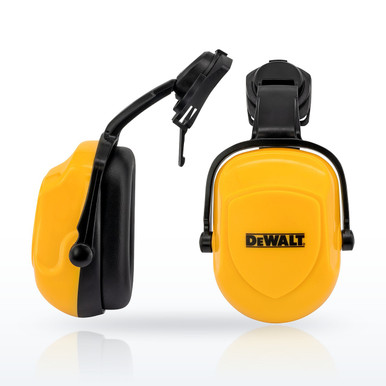 DEWALT DPG660-D Dielectric Cap Mount NRR 25 EarmuffCap-mounted earmuffs for slotted hard hats, rated by the manufacturer
Why does construction have a thinner rule? The 1981 and 1983 hearing conservation amendments that put monitoring, audiograms and training into 1910.95 were written for general industry and were never carried into Part 1926. Construction kept its original text: the same table, the same order of controls, and a one-sentence duty to run a hearing conservation program. OSHA answered the question of what that program must contain in a 1992 interpretation letter: monitoring, controls, individually fitted protectors, training, baseline and annual audiometry, procedures to prevent further loss, and records, incorporating as many of those elements as are feasible. That list is the general industry program, which is why the practical answer for a contractor is to run it anyway.
What does each construction paragraph require?
The whole of 1926.52 and 1926.101.
How do the two standards compare?
| General industry, 1910.95 | Construction, 1926.52 and 1926.101 | |
|---|---|---|
| Exposure limit | 90 dBA, 8-hour TWA, Table G-16 | 90 dBA, 8-hour TWA, Table D-2 (same values) |
| Exchange rate | 5 dB | 5 dB |
| Impulse ceiling | 140 dB peak (table footnote) | 140 dB peak, 1926.52(e) |
| Controls before PPE | Yes, (b)(1) | Yes, (b) |
| Action level | 85 dBA, (c)(1); starts the program | None written |
| Noise monitoring | Required at 85, (d) | Not specified |
| Audiometric testing | Baseline and annual, (g) | Not specified |
| Hearing protectors | Offered free at 85, worn above 90 or after a shift, (i) | Provided and used where noise cannot be reduced, 1926.101(a) |
| Fitting | Employer ensures proper initial fitting, (i)(5) | Inserted devices fitted or determined individually by a competent person, 1926.101(b) |
| Attenuation check | Appendix B method to 90 (85 after a shift), (j) | Not specified |
| Training | Annual, three topics, (k) | Not specified in the noise rule |
| Records | 2 years exposure; audiograms for employment, (m) | Not specified |
| Cotton | Not addressed | Not acceptable, 1926.101(c) |
Where the construction column says not specified, the paragraph does not exist in Part 1926. The duty in 1926.52(d)(1) to run a continuing, effective hearing conservation program is the hook. OSHA’s August 4, 1992 interpretation letter to BE&K Construction lists the elements of an effective program under 1926.52 (monitoring, controls, individually fitted protectors, training, baseline and annual audiometry, procedures to prevent further loss, recordkeeping) and says a program must incorporate as many of them as are feasible.
29 CFR 1910.95 and 29 CFR 1926.52 and 1926.101, current e-CFR text; OSHA standard interpretation, August 4, 1992 (1926.52, hearing conservation program elements).
What does individually fitted by a competent person mean on a site?
Someone who knows the devices and can spot a bad fit watches each worker insert the plug the first time, or selects the size and style for them, and that person is identified in the program. The same ear plugs that come out of a wall dispenser in a plant are fine on a site; the difference is that construction requires a person to have fitted or determined them for each worker rather than leaving the box by the gate. Pre-molded plugs that come in sizes, or a fit check with a foam plug rolled and seated in front of the competent person, both meet it. Keep a note of who fitted whom.
29 CFR 1926.101(b); 1926.32(f) definition of competent person (one capable of identifying hazards and authorized to correct them).What else is different in practice?
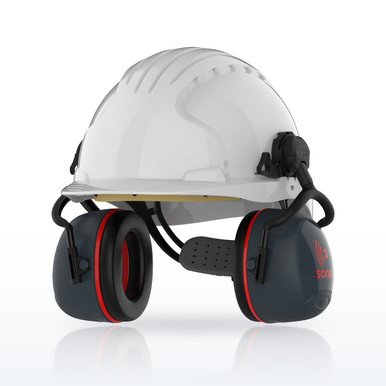
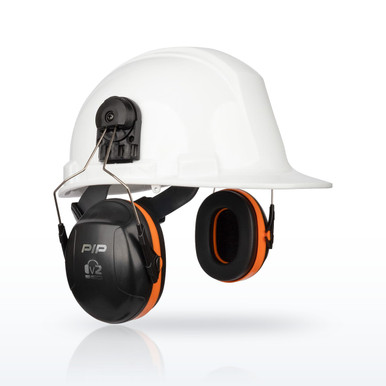
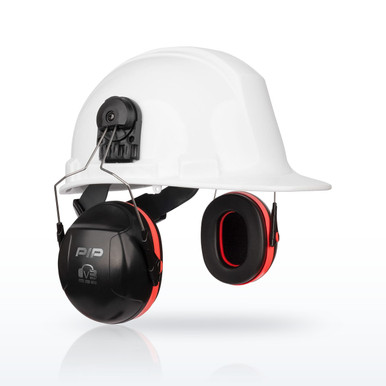
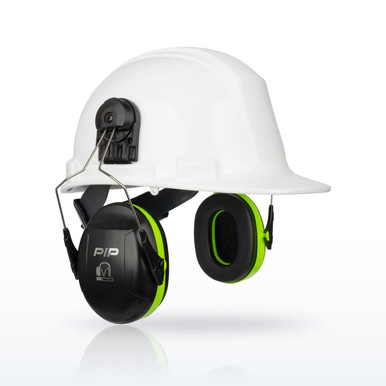
- Hard hats everywhere: headband muffs fight the suspension, so construction uses cap-mounted muffs in the hat’s accessory slots, or plugs. Both are in the band below.
- The noise moves: a demo saw for 20 minutes, a compactor for an hour, quiet in between. Table D-2 is a time table, and the mixed-exposure sum in 1926.52(d)(2) is how a day like that is judged.
- Multi-employer sites: each employer protects its own people; a subcontractor cannot rely on the general contractor’s program for its own workers’ exposures.
- Cotton and improvised plugs are called out as unacceptable in construction. NIOSH says the same about anything not designed as a hearing protector.
- Training is still expected: OSHA’s 1992 interpretation lists employee training and education, and baseline and annual audiometry, among the elements of an effective construction program, to be included as far as feasible.
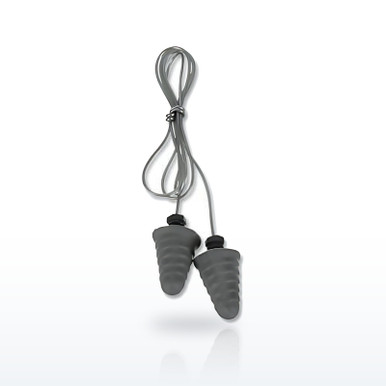
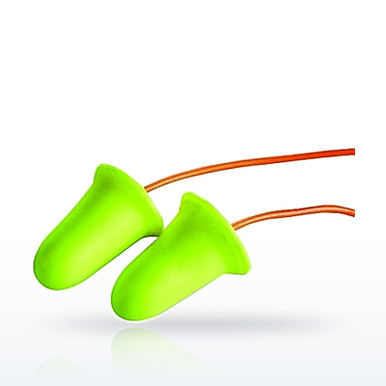
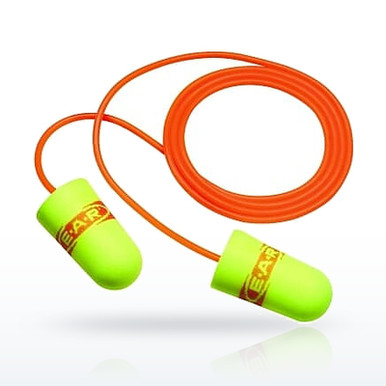
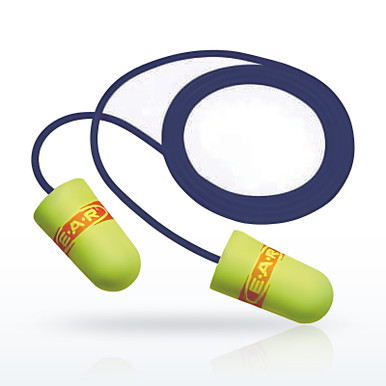
Ear plugs and cap-mounted earmuffs for construction
28 items · prices liveNRR is as tested by the manufacturer under ANSI S3.19 and printed on the package. Cap-mounted muffs fit the accessory slots of cap-style hard hats; check the hard hat manufacturer’s compatibility list. Contractor Direct orders ship free.
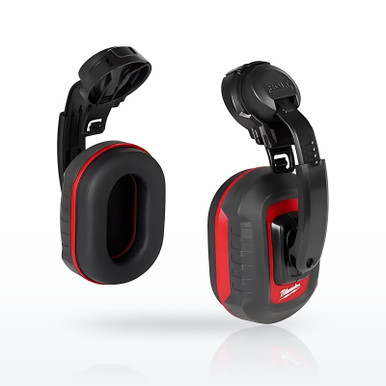
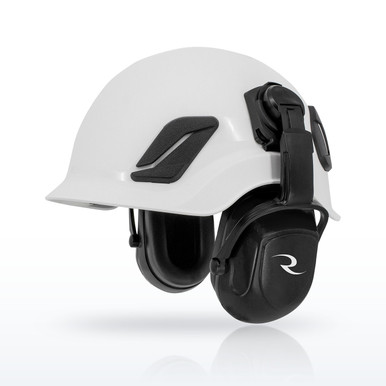
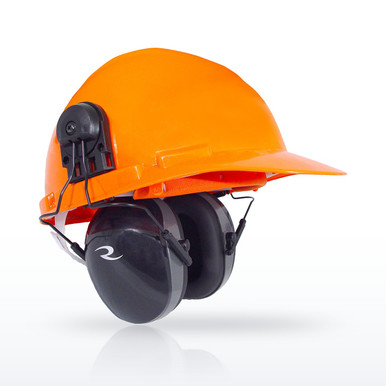
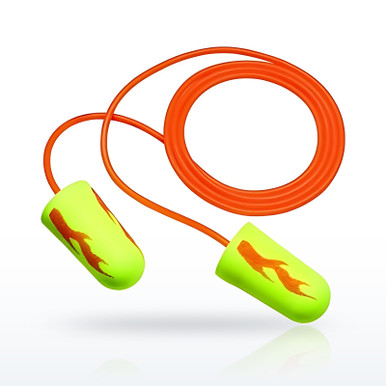
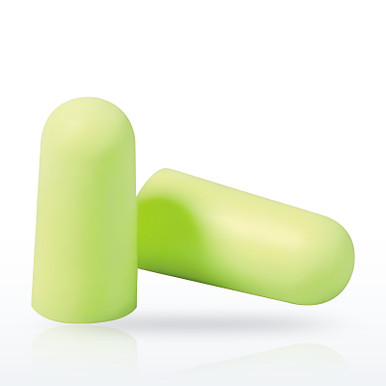

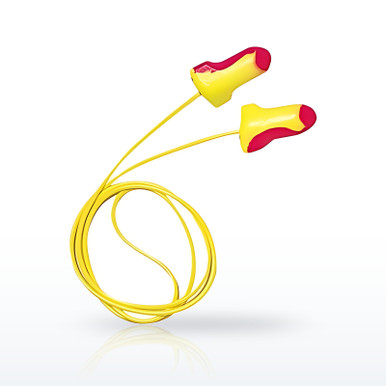
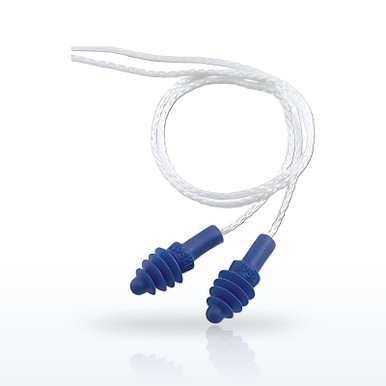
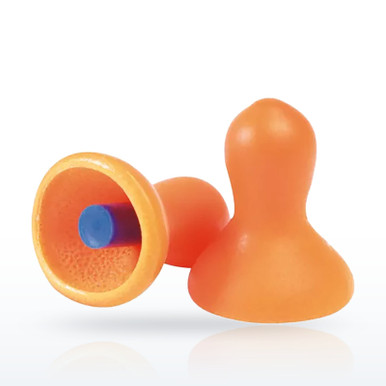
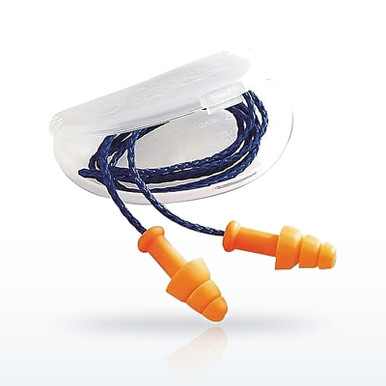
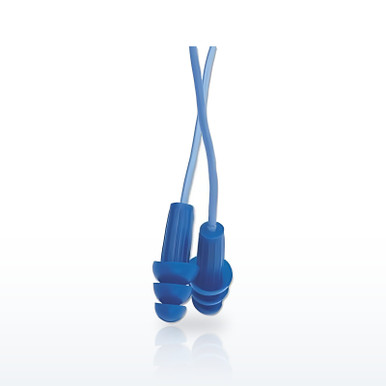
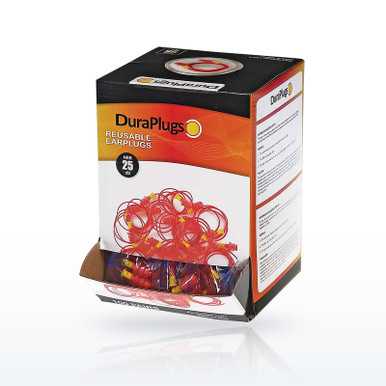
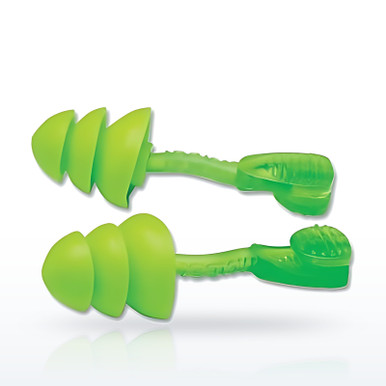
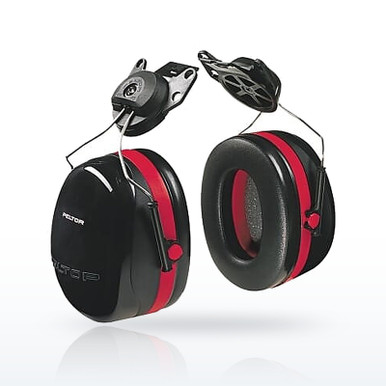
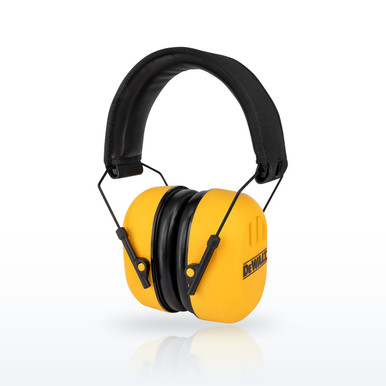
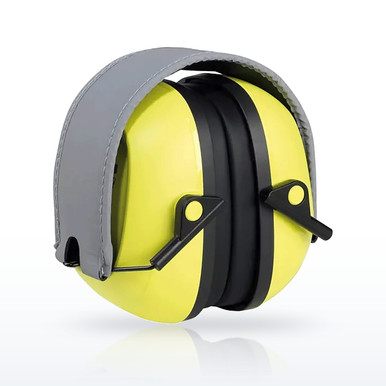
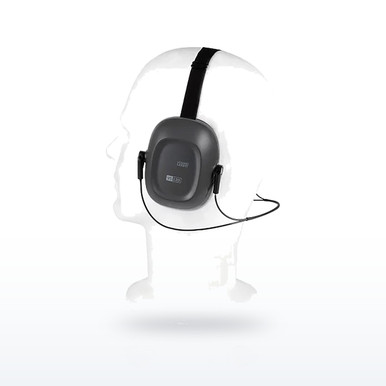
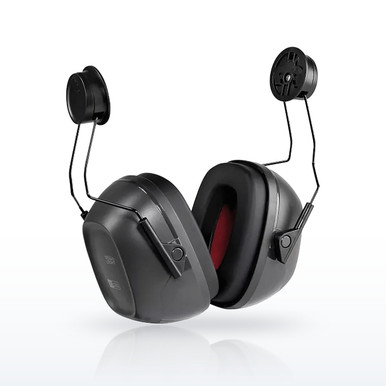
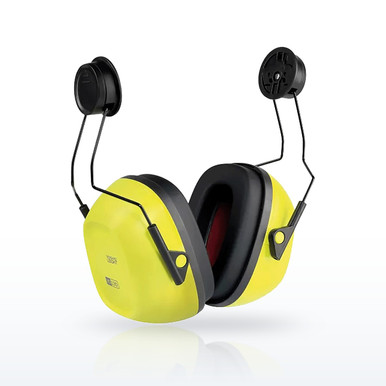
Headband muffs, banded plugs and dispensers are in the hearing protection finder.
Questions people ask
What is the OSHA noise limit for construction?
90 dBA as an 8-hour average from Table D-2 in 1926.52, with 4 hours at 95, 2 at 100, 1 at 105 and 15 minutes at 115. Same numbers as general industry.
Does construction have an 85 dB action level?
No. 1926.52 has no action level. The hearing conservation program duty in 1926.52(d)(1) starts when the 90 dBA table is exceeded.
Does OSHA require hearing tests on construction sites?
1926.52 does not list audiometric testing, but OSHA’s 1992 interpretation names baseline and annual audiometry as an element of an effective construction program, to be included as far as feasible. Most contractors test, following 1910.95(g).
Who fits ear plugs in construction?
A competent person must fit or determine inserted devices individually for each worker. (1926.101(b).)
Can workers use cotton in their ears?
No. Plain cotton is not an acceptable protective device. (1926.101(c).)
Do I need earmuffs that attach to the hard hat?
Not by rule, but headband muffs and a hard hat suspension compete for the same space. Cap-mounted muffs in the accessory slots or ear plugs are the two usual answers.
Does 1910.95 ever apply on a construction site?
Not to construction work. A fabrication shop or a yard that is not construction is general industry and follows 1910.95.
Standards and ratings on this page are as published in the documents named and by the manufacturers named. The employer’s hazard assessment and written program decide what applies at a given workplace. Verify a rating on the product and its spec sheet before use.