
What is a PPE hazard assessment, and what does 1910.132(d) require?
A PPE hazard assessment is the employer’s survey of the workplace to find out which hazards are present or likely, and which protective equipment each one calls for. OSHA requires it in 1910.132(d): assess the workplace, select PPE that protects against the hazards found, make sure it fits each worker, tell the workers what was chosen, and sign a written certification that names the workplace, the person who did the assessment and the date. There is no required form. OSHA’s Appendix B gives a walk-through method built on seven hazard categories: impact, penetration, compression, chemical, heat, harmful dust and light radiation.
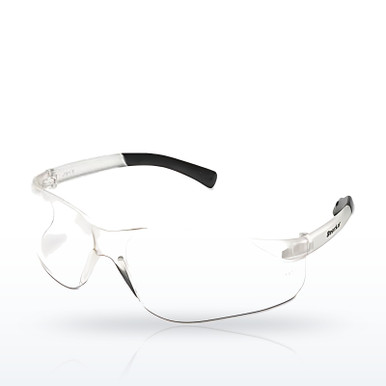 MCR Safety BearKat BK1 safety glassesANSI Z87.1+ impact rated, as published by MCR
Why does OSHA make the employer write it down? The PPE sections of 1910 say what to wear when a hazard exists but not how to decide a hazard exists. The 1994 revision added paragraph (d) so that decision is made deliberately, by someone who walked the floor, instead of by habit. The certification is short on purpose; its job is to prove the assessment happened and when, so an inspector, a new supervisor or an injured worker’s attorney can see what the employer knew and what it chose.
What does 1910.132(d) require?
Five duties in two paragraphs.
How is the assessment done?
- Walk the area. Survey each work area and task to find sources of hazard to workers and the people around them. Appendix B lists the basic categories: impact, penetration, compression (roll-over), chemical, heat, harmful dust and light (optical) radiation.
- Look for the sources. Moving machinery and particles, high temperatures, chemical exposures, harmful dust, welding and other light radiation, falling or dropped objects, sharp objects that can cut hands or pierce feet, rolling or pinching objects, the layout and where co-workers stand, and electrical hazards. Review injury and accident records for problem areas.
- Organize and analyze. For each hazard found, estimate the type, level of risk and seriousness of the injury it could cause, and consider exposure to several hazards at once.
- Select the equipment. Compare the hazard, such as impact velocity, mass, splash volume or radiation intensity, with what the available PPE can do, and choose protection greater than the minimum needed. Then fit the user and give instructions on care and use.
- Certify and date it. Write the certification with the four items the rule requires. Keep it where it can be produced.
- Reassess. Repeat when new equipment or processes come in, when accident records show a problem, and when previously selected PPE turns out not to suit the job.
Appendix B is non-mandatory. An employer may use any method that produces the result paragraph (d) requires, but OSHA states that procedures following the appendix would comply, which is why most written programs track it.
Which PPE does the assessment rule cover, and which does it not?
Paragraph (d) applies to eye and face protection, head protection, foot protection, hand protection and personal fall protection systems, the sections 1910.133, .135, .136, .138 and .140. It does not apply to respirators or electrical protective equipment, because 1910.134 and 1910.137 carry their own assessment and selection rules: the respirator standard requires an exposure evaluation and a written program, and the electrical rule has its own classes and tests.
29 CFR 1910.132(g).Hearing protection is not on the list either; the hearing conservation rule in 1910.95 drives that decision from noise monitoring. Arc-rated clothing for electric power work comes from the separate assessment in 1910.269(l)(8), and hazardous-chemical PPE from the hazard communication and specific substance standards. A complete written PPE program usually brings all of these under one cover, but the certification paragraph (d)(2) requires only covers the five sections named in (g).
29 CFR 1910.132(g); 1910.95(d); 1910.269(l)(8)(i).Construction has the same duties in different words. 1926.95(a) requires PPE wherever hazards make it necessary, (c)(2) requires it to be selected to fit each affected employee, and 1926.28(a) makes the employer responsible for requiring it. Construction has no written-certification paragraph, but a documented site assessment is how a contractor shows the selection was made.
29 CFR 1926.95(a) and (c)(2); 1926.28(a).What does a certification look like?
- Heading that says what it is: Certification of Hazard Assessment.
- The workplace evaluated: site, building, department or task, specific enough that a reader knows what was walked.
- The person certifying: name and title of whoever is attesting that the evaluation was done.
- The date or dates of the assessment.
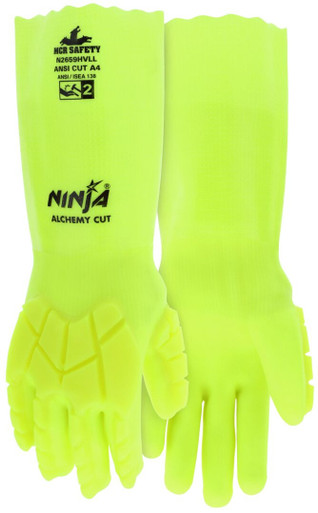
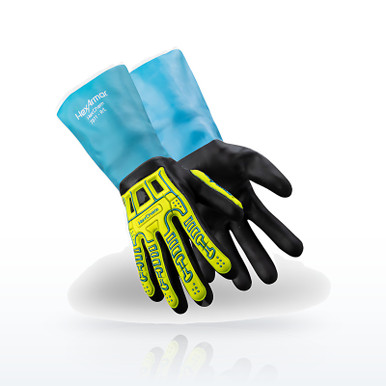
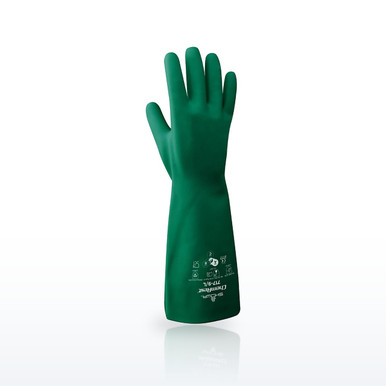
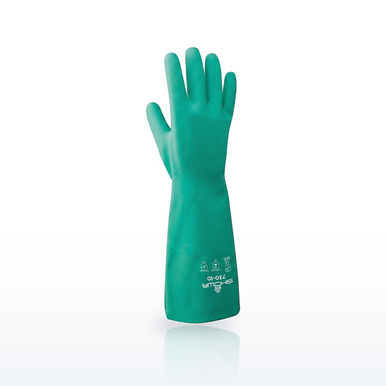
- Most employers attach the findings: a hazard-by-task matrix listing the hazard, the body part, and the PPE selected with its rating (Z87.1+ for impact, Z89.1 type and class, cut level, glove material). The rule does not require the matrix, but it is what makes the certification useful.
PPE by hazard category, with each item’s published rating
32 items · prices liveGrouped by the Appendix B hazard categories. Each item shows the rating its manufacturer publishes: Z87.1 impact mark, Z89.1 type and class, ANSI/ISEA 105 cut level, glove material. Pack and case sizes are on the product page. Contractor Direct orders ship free.
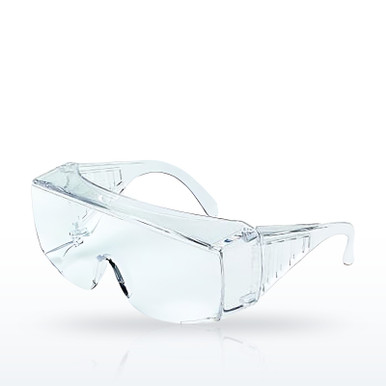
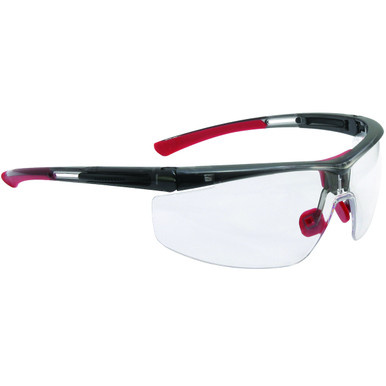
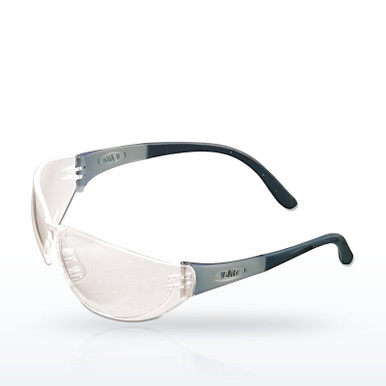
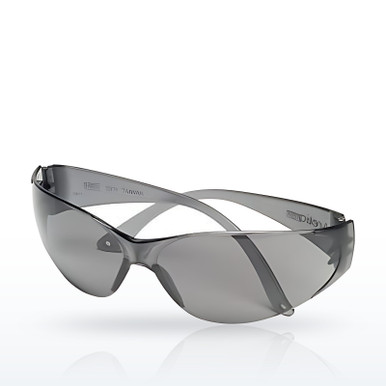
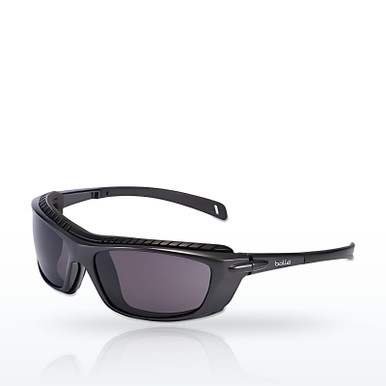
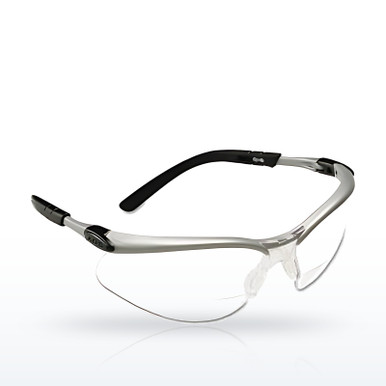
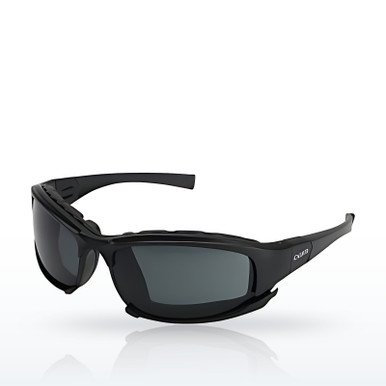
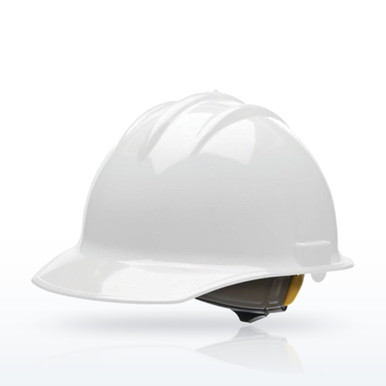
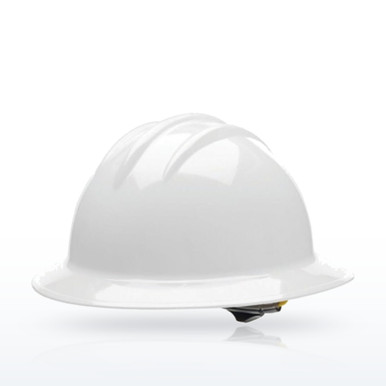
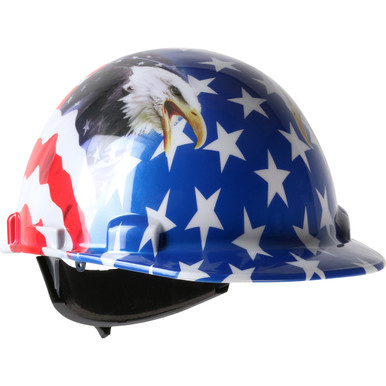
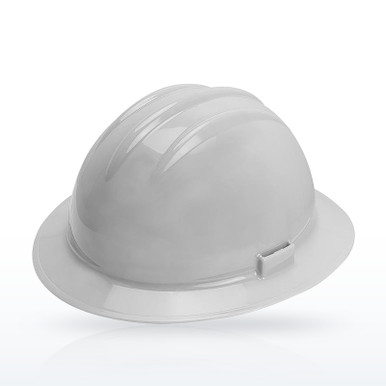
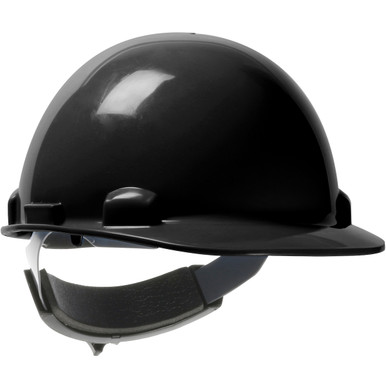
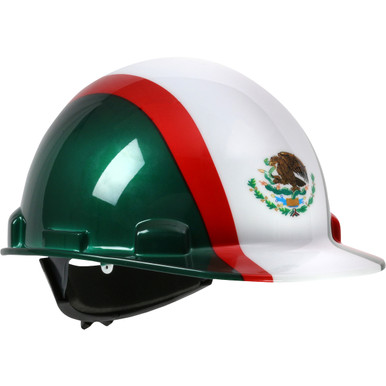
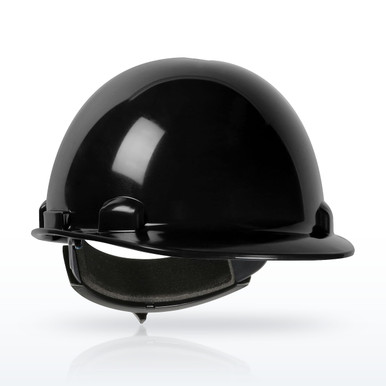

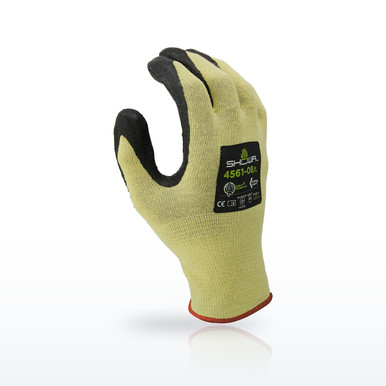
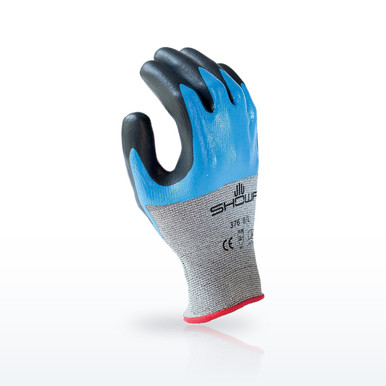
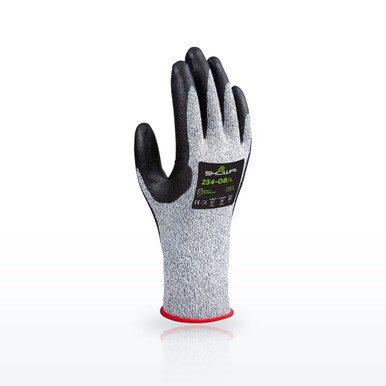

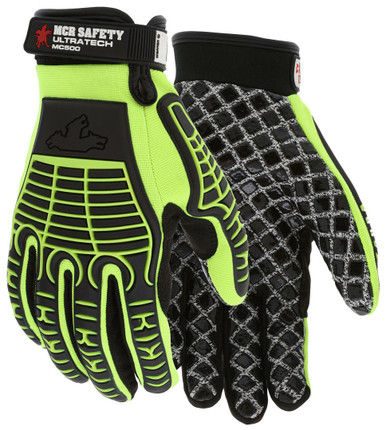
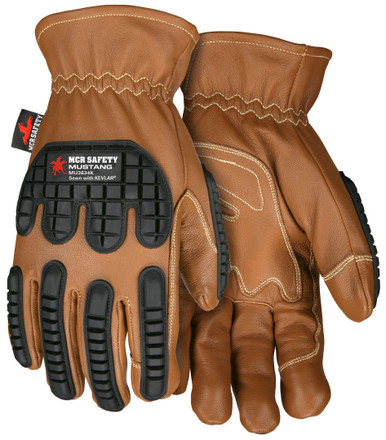

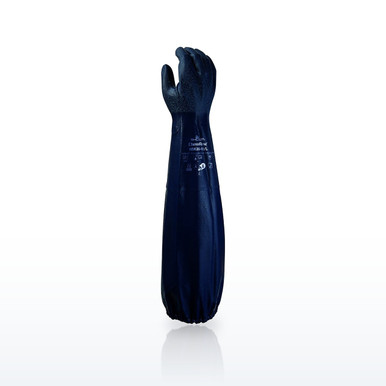
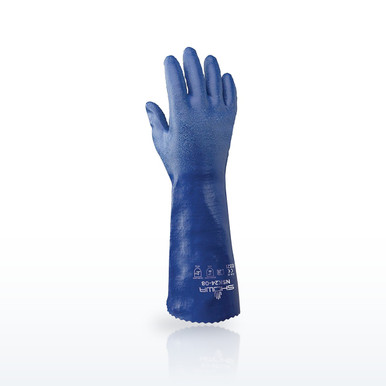

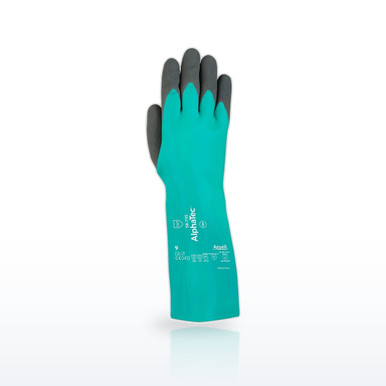
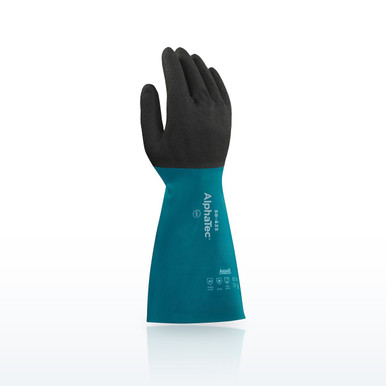
Respirators (harmful dust), welding shades (light radiation) and hearing protection are in their own finders.
Questions people ask
Is a PPE hazard assessment required by OSHA?
Yes, for general industry employers, under 1910.132(d)(1), with a written certification under (d)(2). Construction employers have the same selection and fit duties under 1926.95 without the certification paragraph.
Does the hazard assessment have to be in writing?
The assessment itself does not; the certification that it was performed does. It must name the workplace, the certifier, the date and identify itself as a certification of hazard assessment (1910.132(d)(2)).
Who can perform a PPE hazard assessment?
The rule does not name a qualification. Appendix B refers to the safety officer exercising common sense and appropriate expertise. Whoever signs the certification is attesting the evaluation was done.
How often must a PPE hazard assessment be done?
The rule sets no interval. Appendix B says to reassess as necessary: new equipment or processes, accident records, or PPE that is not working out. Most programs also review it annually.
Does the assessment cover respirators?
No. 1910.132(g) excludes 1910.134 and 1910.137, which have their own evaluation and program rules.
What are the seven hazard categories?
From Appendix B: impact, penetration, compression (roll-over), chemical, heat, harmful dust and light (optical) radiation.
Is there an OSHA form for the certification?
No. Any document with the four required elements satisfies 1910.132(d)(2).
Standards and ratings on this page are as published in the documents named and by the manufacturers named. The employer’s hazard assessment and written program decide what applies at a given workplace. Verify a rating on the product and its spec sheet before use.