
PPE training: what 1910.132(f) requires
Before a worker does any job that requires PPE, the employer has to train that worker in five things: when the PPE is necessary, what PPE is necessary, how to put it on, take it off, adjust and wear it, what it cannot do, and how to care for it, maintain it, know when it is worn out, and dispose of it. The worker then has to show he understood the training and can use the equipment properly before being allowed to do the work. Retraining is required whenever the workplace changes, the PPE changes, or the worker shows he has not kept the skill. The rule sets no interval and no required form, but a record of who was trained, on what and when is how an employer proves it.
 3M Rugged Comfort half facepiece respiratorRespirator training is under 1910.134(k), not 1910.132(f)
Why does the rule require a demonstration, not just a class? Most PPE fails in the hands, not in the lab. A harness with a loose leg strap, ear plugs rolled wrong, a hard hat worn backward with the suspension reversed, glasses on the forehead: each is a trained worker using the right equipment incorrectly. Paragraph (f)(2) was written so the training ends with the worker putting the gear on in front of someone who knows what right looks like. That is the part that catches the strap and the roll.
What must every affected employee be taught?
The five topics in 1910.132(f)(1), in the order the rule lists them.
What happens after the training?
The worker demonstrates understanding of the training and the ability to use the PPE properly before being allowed to do work that requires it. The rule does not say how; a hands-on check against a short list, signed and dated, is what most programs use. The demonstration is per employee, not per crew.
29 CFR 1910.132(f)(2).Retraining is triggered by the employer’s reason to believe the worker no longer has the understanding or skill. The rule names three situations: changes in the workplace that make the earlier training obsolete, changes in the type of PPE that make it obsolete, and inadequacies in the worker’s knowledge or use of the assigned PPE. A supervisor who sees a harness worn with the dorsal ring at the waist has found the third one.
29 CFR 1910.132(f)(3)(i) through (iii).There is no annual refresher in 1910.132(f) and no written certification of training in the current rule. Employers keep training records anyway, because the burden of showing the training happened falls on them in an inspection or after an injury, and because other PPE standards do require records.
29 CFR 1910.132(f) contains no interval and no certification paragraph; compare 1910.134(m) and 1910.95(m) for the respirator and hearing records that are required.Which PPE has its own training rule instead?
- Respirators. 1910.132(f) does not apply to 1910.134. The respirator standard requires training before first use and at least annually on why the respirator is needed, its limitations, how to inspect, put on, seal check, use and maintain it, and how to recognize medical signs that limit its use.
- Electrical protective equipment. 1910.137 is also excluded from paragraph (f); its own inspection and test rules apply, and 1910.332 covers training for electrical work.
- Hearing protection. 1910.95(k) requires an annual training program for workers exposed at or above the 85 dBA action level, covering the effects of noise, the purpose, advantages and disadvantages of protectors, selection, fitting, use and care, and the purpose of audiometric testing.
- Fall protection. 1910.30 requires training by a qualified person before exposure to a fall hazard, covering the hazards, the procedures, and how to install, inspect, use, maintain and store the personal fall protection system. Construction uses 1926.503.
- Construction PPE generally. Part 1926 has no copy of paragraph (f). The construction duty is 1926.21(b)(2): instruct each employee in the recognition and avoidance of unsafe conditions and the regulations applicable to the work.
What does a compliant PPE training session look like?
- Start from the hazard assessment. The certification under paragraph (d) says which hazards and which PPE; the training says the same thing to the worker.
- Show the equipment, by rating. Hold up the actual glasses, helmet, glove and plug the worker will be issued and point to the marking: Z87.1+, Z89.1 Type II Class E, A4, NRR 33.
- Teach the limits in one sentence each. This helmet is not rated for side impact. This glove will not stop a saw. This plug only reaches its rating if it is inserted all the way.
- Put it on, correctly, in front of the trainer. Suspension adjusted, chin strap if required, plugs rolled and seated, harness snug with the dorsal ring between the shoulder blades, glasses with side shields.
- Cover inspection and replacement. What to look for before each use and when to turn the item in: cracked shell, cut webbing, scratched lens, stiff or dirty plug.
- Record it. Name, date, PPE covered, trainer, and that the worker demonstrated proper use. Keep it with the hazard assessment certification.
The PPE the training is about, with each item’s published rating
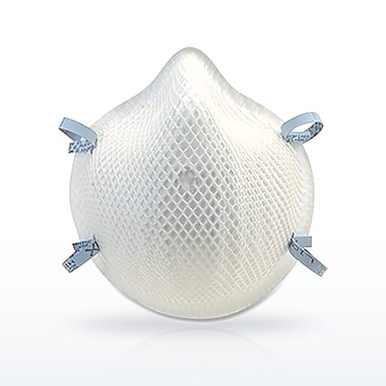
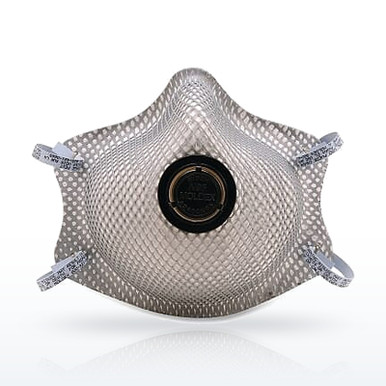
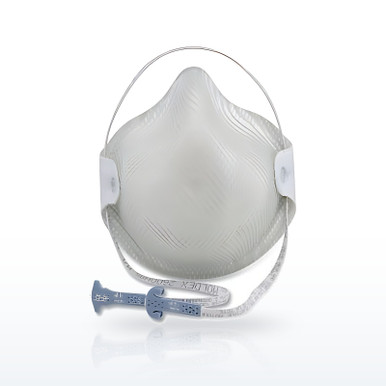
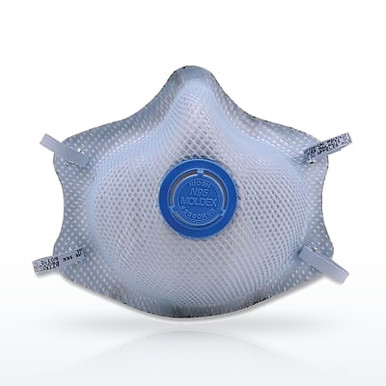
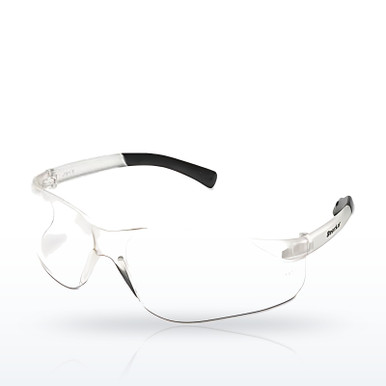
24 items · prices liveEach item shows the rating its manufacturer publishes: NIOSH filter class, ANSI Z359.11 for harnesses, NRR for ear plugs, Z87.1 impact mark for glasses. Training on the item is the employer’s; the product page and spec sheet carry the manufacturer’s donning and care instructions. Free shipping on orders over $199.


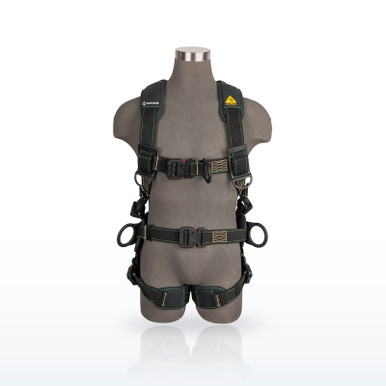
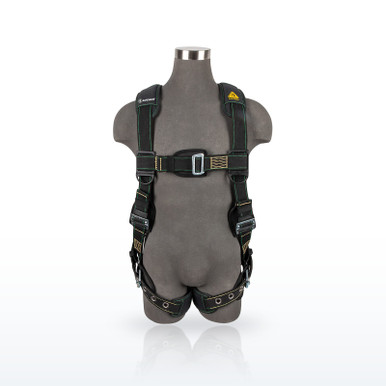
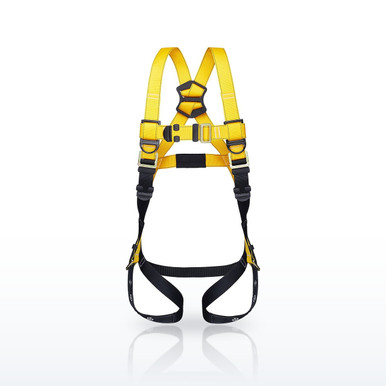
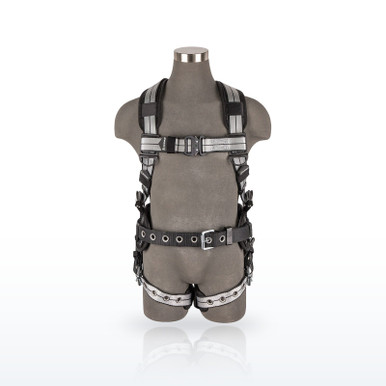
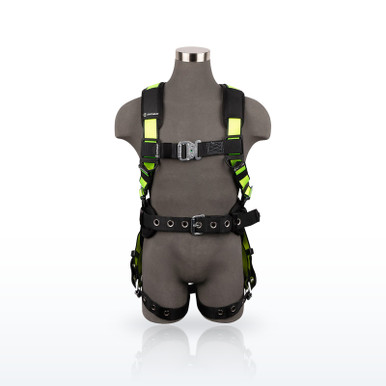
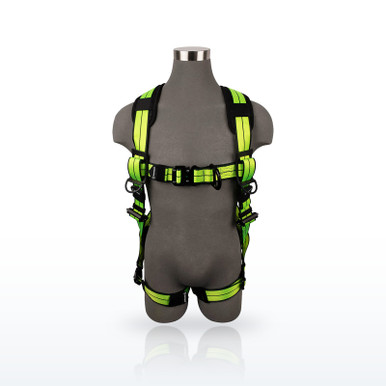



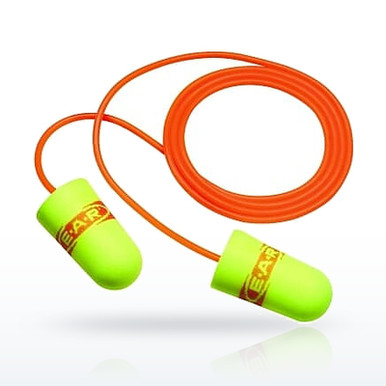


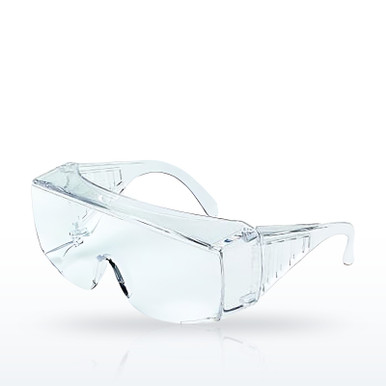
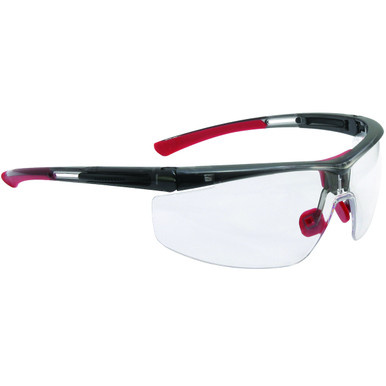
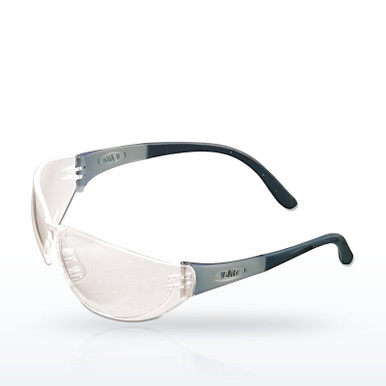
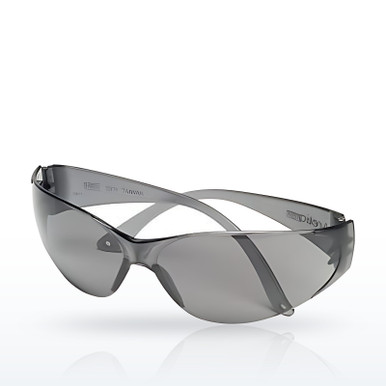
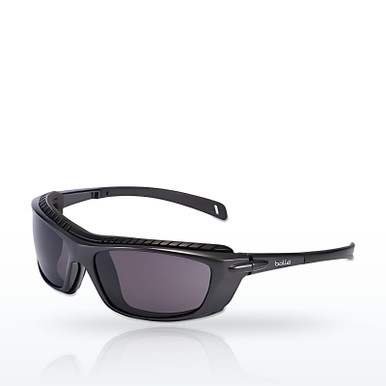
Hard hats, cut-rated gloves and arc-rated clothing are in their own finders.
Questions people ask
Does OSHA require PPE training?
Yes. 1910.132(f)(1) requires the employer to train each employee who must use PPE in the five listed topics, and (f)(2) requires the employee to demonstrate understanding before doing the work.
How often is PPE training required?
1910.132(f) sets no interval. Retraining is required when the workplace or the PPE changes or the worker shows he has lost the skill (f)(3). Respirator and hearing training are annual under their own standards.
Does PPE training have to be documented?
Not by 1910.132(f). Most employers record it anyway, and the respirator and hearing standards require their own records.
Does 1910.132(f) cover respirator training?
No. 1910.132(g) excludes 1910.134, which has its own training rule in 1910.134(k): before the employee is required to use a respirator, and retraining annually.
Does construction have the same PPE training rule?
Part 1926 has no copy of paragraph (f). Construction training comes from 1926.21(b)(2), plus specific rules such as 1926.503 for fall protection and 1926.1060 for ladders.
Who can give PPE training?
1910.132(f) does not name a qualification. The fall protection rule requires a qualified person; the respirator rule requires the training be understandable to the employee.
What counts as demonstrating understanding?
The rule leaves the method to the employer. A hands-on check of the worker putting on and adjusting the equipment, with a short record, is the usual way.
Related guides
What is a PPE hazard assessment?What 1910.132(d) requiresWho pays for PPE?The OSHA employer payment ruleRespirator fit testingWhen OSHA requires it and how it is doneHow to insert ear plugsRoll, pull, holdHow to put on an N95Straps, nose clip and seal checkDo hard hats expire?Service life and replacementStandards and ratings on this page are as published in the documents named and by the manufacturers named. The employer’s hazard assessment and written program decide what applies at a given workplace. Verify a rating on the product and its spec sheet before use.