
Who pays for PPE? The OSHA employer payment rule
The employer pays. Since 2008, OSHA has required that any protective equipment used to comply with its standards be provided at no cost to the employee. That covers hard hats, safety glasses, hearing protection, respirators, gloves, fall protection, arc-rated clothing and most everything else a standard requires. The rule carves out a short list the employer does not have to buy: ordinary safety-toe boots and prescription safety glasses that the worker is allowed to wear off the job, everyday work clothes, and items worn only for the weather. The employer also pays for replacements unless the worker lost the item or damaged it on purpose.
 3M Rugged Comfort half facepiece respiratorRequired respirators are always employer-paid under 1910.134(c)(4)
Why does OSHA have a payment rule at all? Before 2008 the standards said PPE had to be provided and used, and employers argued over whether provided meant paid for. OSHA settled it with one paragraph in the general industry rule and a matching one in construction, shipyards, marine terminals and longshoring. The reasoning in the final rule is simple: a worker who has to buy his own gloves or hard hat is more likely to go without, and the hazard belongs to the job, not the worker.
What does the rule say?
The general rule, then the exceptions, in the order the paragraph lists them.
What about replacements and gear the worker already owns?
Replacement PPE is on the employer, except when the employee has lost the item or intentionally damaged it. Normal wear, a hard hat that took a hit, a cracked lens, a worn-through glove: employer. A harness left at a previous job or plugs deliberately cut up: the employer may make the worker pay.
29 CFR 1910.132(h)(5); 1926.95(d)(5).A worker may use his own equipment if the employer allows it and it is adequate; the employer then does not have to reimburse him for it. The employer still has to make sure the gear is adequate, maintained and sanitary. What the employer cannot do is require the worker to bring or pay for his own PPE, unless the item is one of the exceptions above.
29 CFR 1910.132(b) and (h)(6); 1926.95(b) and (d)(6).When another standard says who pays for a specific item, that standard wins. The respiratory protection standard, for example, says respirators, fit testing, medical evaluations and training are provided at no cost to the employee, with no exceptions; the hearing conservation rule says hearing protectors are provided at no cost; the electric power rule points back to 1910.132(h) for fall protection, electrical protective equipment and arc-rated clothing.
Note to 29 CFR 1910.132(h); 1910.134(c)(4); 1910.95(i)(1); note to 1910.269(g)(1).Which items are clearly employer-paid?
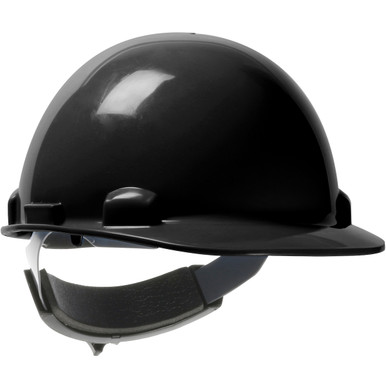
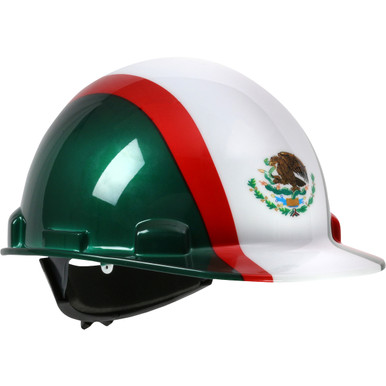
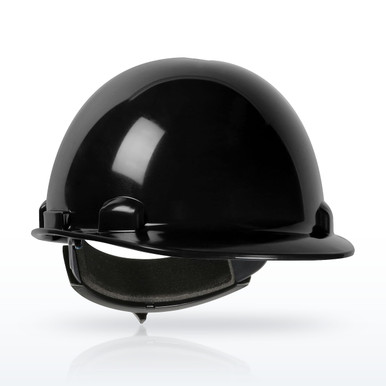
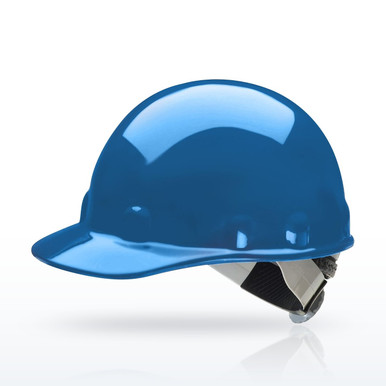
- Hard hats and safety helmets, including liners and chin straps required to meet the standard.
- Non-prescription safety glasses, goggles, face shields and welding helmets and lenses.
- Ear plugs and earmuffs where noise reaches the action level.
- Respirators of every kind, plus cartridges, filters, fit testing and the medical evaluation.
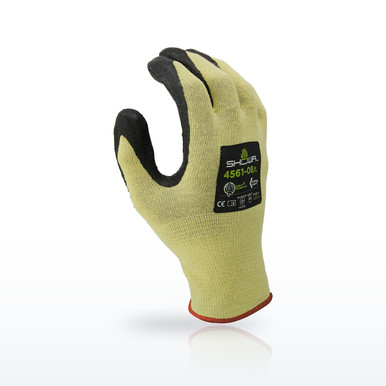
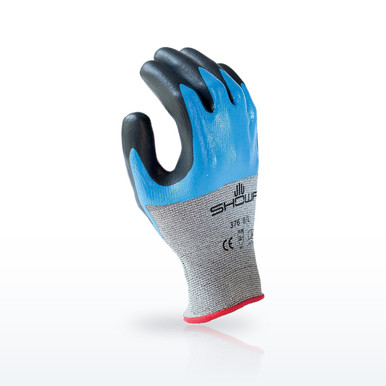
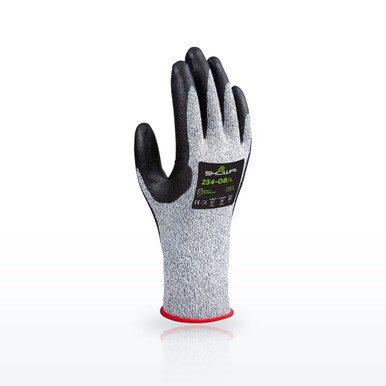
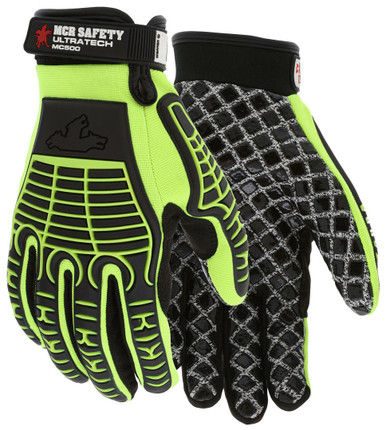
- Gloves selected for a job hazard: cut, chemical, heat, impact and rubber insulating gloves.
- Fall protection: harnesses, lanyards, self-retracting lifelines, anchors and rescue equipment.
- Arc-rated and flame-resistant clothing required by 1910.269 or by the employer’s arc flash assessment.
- Hi-vis garments required for flaggers or by the employer’s own site rule, chemical suits, aprons, sleeves and lab coats worn for a hazard.
- Specialty footwear: metatarsal boots the employer requires, rubber boots for chemical work, shoes that must stay on site.
Can an employer deduct PPE from wages, or charge a deposit?
Not for required PPE. The rule says no cost to employees, and a wage deduction or a deposit that is kept is a cost. The one place the standard lets the employer charge is replacement of PPE the worker lost or intentionally damaged; the preamble to the rule says the employer may require the employee to pay for that replacement. Worn-out, broken or contaminated gear is normal wear and stays on the employer. A policy that company-owned gear is returned when a worker leaves is not a payment issue; charging for gear that was returned worn is.
29 CFR 1910.132(h)(1) and (h)(5); Employer Payment for Personal Protective Equipment, final rule, 72 FR 64341 (November 15, 2007), section IV.B on lost and intentionally damaged PPE.PPE the employer provides, by its published rating
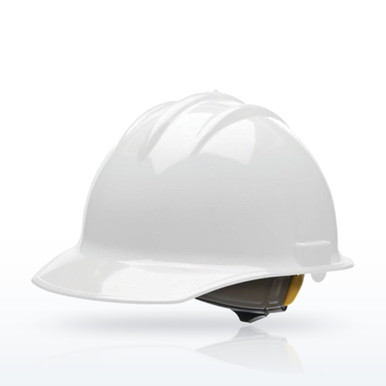
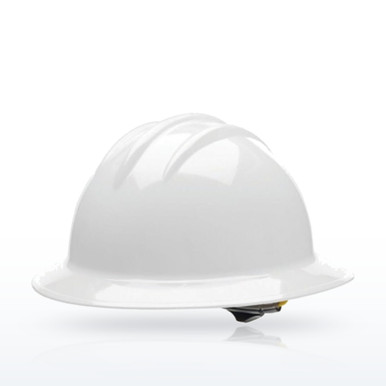
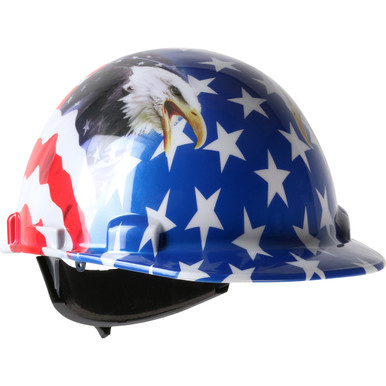
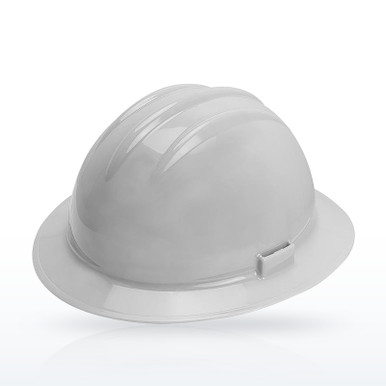
30 items · prices liveEach item carries the rating its manufacturer publishes: ANSI Z89.1 type and class for hard hats, Z87.1 impact mark for glasses, NRR for ear plugs, ANSI/ISEA 105 cut level for gloves. Pack and case sizes are on the product page. Contractor Direct orders ship free.
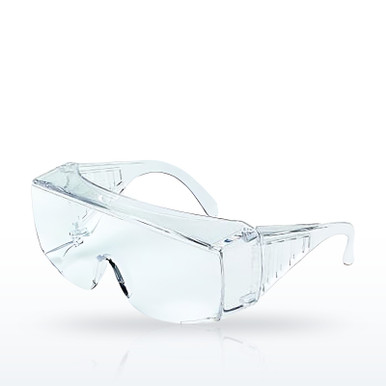
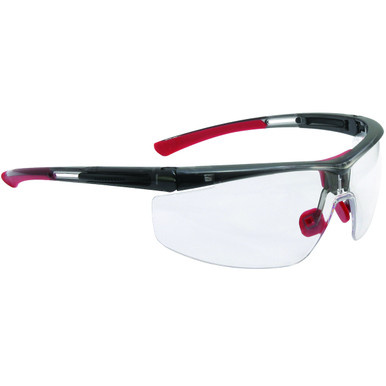
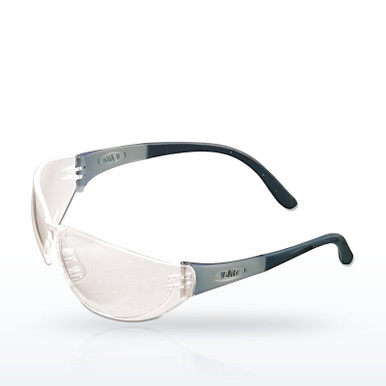
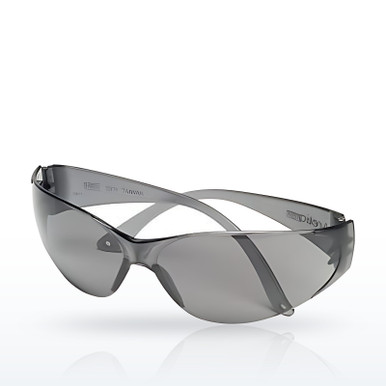
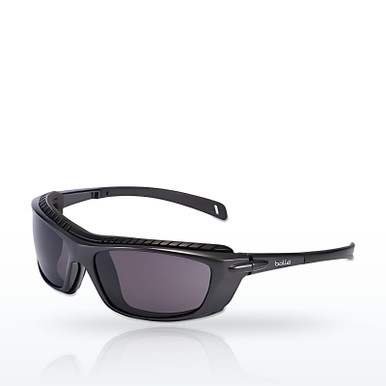
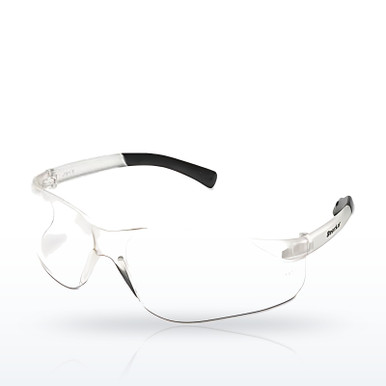
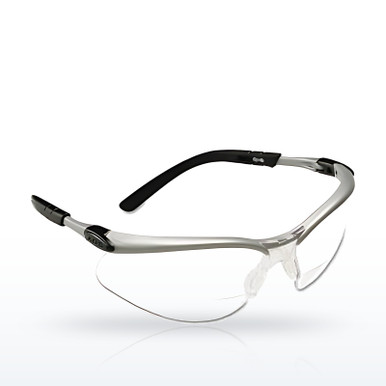
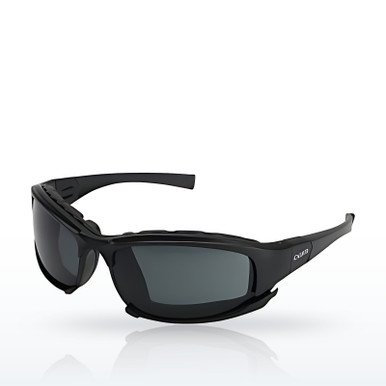
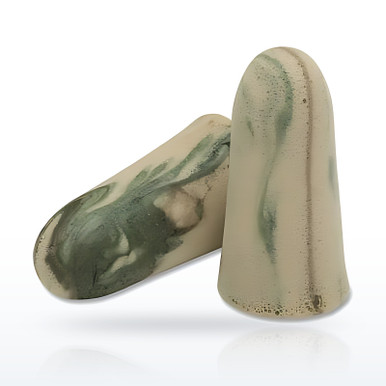

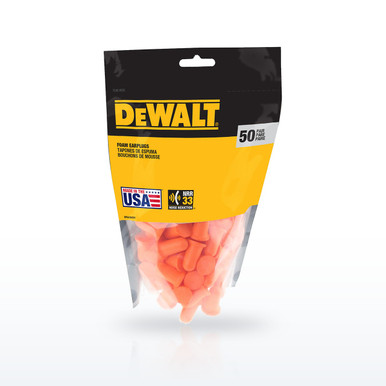
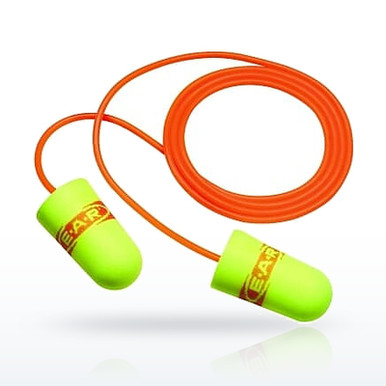
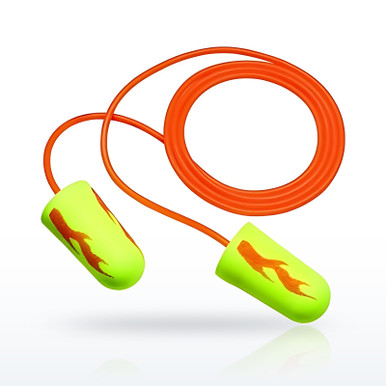


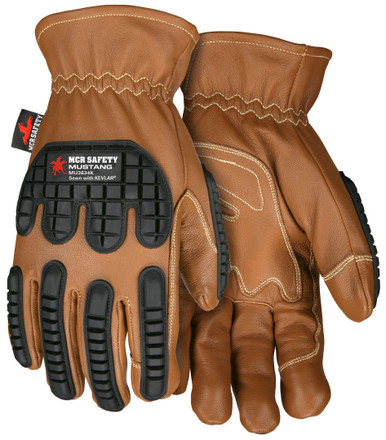
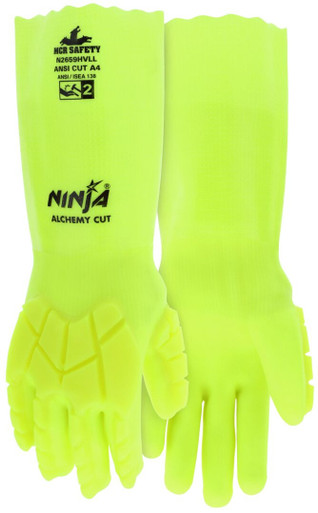
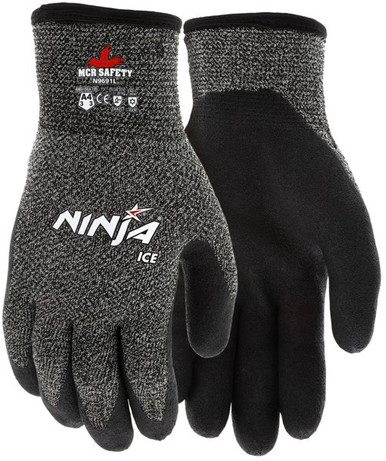
Respirators, fall protection and arc-rated clothing are in their own finders.
Questions people ask
Does OSHA require employers to pay for steel-toe boots?
Not ordinary ones. Non-specialty safety-toe boots are excepted as long as the worker may wear them off site (1910.132(h)(2)). Specialty boots required for a specific hazard, such as metatarsal boots the employer mandates, are employer-paid.
Do employers have to pay for prescription safety glasses?
No, if the worker may wear them off the job. Plano safety glasses, goggles and over-the-glasses styles are employer-paid (1910.132(h)(2)).
Who pays for respirators and fit testing?
The employer, with no exceptions: respirators, cartridges, fit testing, medical evaluations and training (1910.134(c)(4)).
Who pays for hearing protection?
The employer. Hearing protectors are made available at no cost to employees exposed at or above the 85 dBA action level (1910.95(i)(1)).
Can my employer make me pay for a lost hard hat?
Yes. The employer must pay for replacement PPE except when the employee has lost it or intentionally damaged it (1910.132(h)(5)).
Can I be required to bring my own gloves or harness?
No. The employer may allow adequate employee-owned PPE but cannot require you to provide or pay for your own, unless the item is one of the exceptions (1910.132(h)(6)).
Does the payment rule apply to construction?
Yes. 1926.95(d) is word for word the same rule for construction sites, minus the logging-boot exception.
Is a winter coat or rain gear PPE the employer must buy?
Not when it is worn only for the weather. Winter coats, gloves, rubber boots, raincoats and sunscreen used solely for weather protection are excepted (1910.132(h)(4)(iii)). FR or arc-rated rain gear required for a hazard is employer-paid.
Related guides
What PPE does OSHA require on a construction site?1926 Subpart E piece by pieceWhat is a PPE hazard assessment?What 1910.132(d) requiresPPE trainingWhat 1910.132(f) requiresRespirator fit testingWhen OSHA requires it and how it is doneSafety glasses over prescription glassesOTG styles and the prescription ruleStandards and ratings on this page are as published in the documents named and by the manufacturers named. The employer’s hazard assessment and written program decide what applies at a given workplace. Verify a rating on the product and its spec sheet before use.