
Which respirator for pesticide application? Reading the label and the EPA requirements
The pesticide label decides. Under EPA’s Worker Protection Standard the handler must wear the respirator the label specifies, and the employer must provide it. Labels name a respirator by NIOSH approval type: a particulate filtering facepiece (prefix TC-84A) or dust/mist respirator on older labels (TC-21C) for solids and low-toxicity liquids; a respirator with an organic vapor cartridge and a pesticide prefilter (TC-23C) or a canister (TC-14G) for more toxic liquids and fumigants used outdoors; and a supplied-air respirator (TC-19C) or SCBA (TC-13F) for fumigants in enclosed areas. Before a handler wears any of them, the employer must provide a fit test, training and a medical evaluation that conform to OSHA 1910.134, and keep the records for two years.
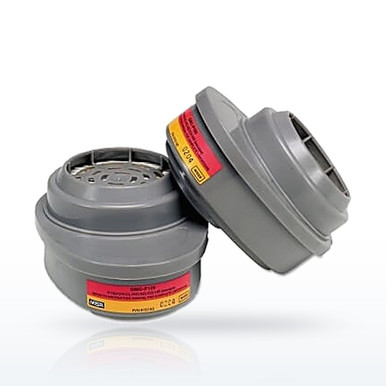
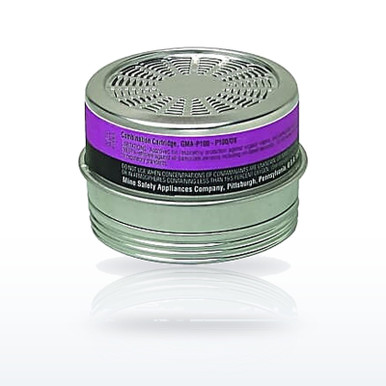
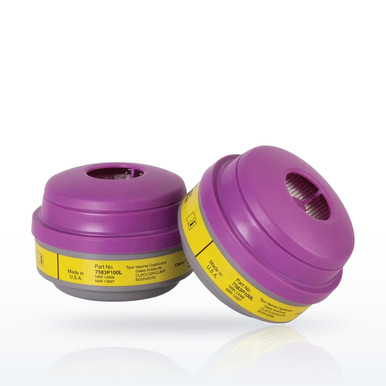 North 7583P100L organic vapor and acid gas cartridge with P100 filterOV/AG cartridge with P100 particulate filter for North half and full facepieces
Why does the label control the respirator? Pesticides are regulated by EPA under FIFRA, and the label is the law for that product: the registrant has to put the protection statement on it, and the Worker Protection Standard makes the handler wear what it says and the employer supply it. The label writer already did the hazard assessment, from the formulation, its inhalation toxicity and whether it is a solid, a liquid or a gas. OSHA’s respirator standard still governs how the respirator is fitted, how the wearer is cleared and trained, and how cartridges are changed, because EPA wrote those OSHA rules into its own.
What do the respirator statements on a label mean?
EPA sets the wording by formulation and toxicity category. The approval prefix tells you the NIOSH type to buy.
What does the Worker Protection Standard require of the employer?
- The handler must use the respirator the labeling specifies, and the employer must provide it, clean and in proper operating condition.
- Before the handler does any task where the label requires a respirator, the employer must provide three things that conform to OSHA 1910.134: a fit test using the respirator the label specifies; training in the use of that respirator covering 1910.134(k)(1)(i) through (vi); and a medical evaluation by a physician or other licensed health care professional confirming the handler can safely wear it.
- Records documenting the fit test, training and medical evaluation must be kept on the establishment for two years.
- All PPE must be inspected before each day of use for leaks, holes, tears or wear, and damaged equipment repaired or discarded; it must be used as the manufacturer instructs.
- The employer must provide a place away from pesticide storage and use areas to put on and take off PPE and store street clothes, and must not let contaminated PPE go home with the handler.
- Where the label requires PPE, the employer must take appropriate measures to prevent heat-related illness.
When must filters and cartridges be replaced?
The Worker Protection Standard sets its own replacement rules, which are stricter than many workplace programs. A filtering facepiece is replaced when breathing resistance becomes excessive, when the filter is damaged or torn, when the manufacturer or the label says, whichever is sooner, and in any case after 8 hours of cumulative use if nothing else says otherwise. A gas or vapor cartridge or canister is replaced at the first odor, taste or irritation, when the maximum use time from a change schedule under 1910.134 is reached, when breathing resistance rises, when the manufacturer or label requires, and after 8 hours of cumulative use absent other instructions.
40 CFR 170.507(d)(6)(i) through (iv); (d)(7)(i) through (v); 29 CFR 1910.134(d)(3)(iii)(B)(2).Which NIOSH filter or cartridge matches the label?
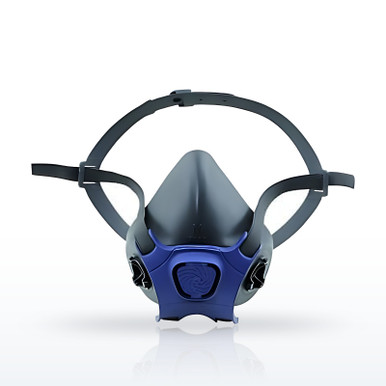
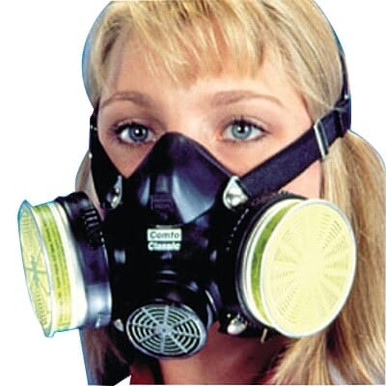
For a particulate statement, any NIOSH-approved N95, R95, P95 or 100-class filter meets it; a filtering facepiece is the simplest, and a P95 or P100 pad on a half mask is the reusable version. Most liquid pesticide sprays are water-based, but where the formulation contains oil or petroleum solvent, an R or P filter is the one rated for oil aerosols. For an organic vapor statement, an OV cartridge with a pesticide-approved prefilter, or a combination OV/P100 cartridge, on a half or full facepiece. A full facepiece also satisfies a label’s protective eyewear requirement, which the rule lists as goggles, a face shield, safety glasses with brow and temple protection, or a full-face respirator.
42 CFR 84.170(a)(2) and (3); 40 CFR 156.212(g)(1)(ii); 40 CFR 170.507(b)(7)(i) through (iv).Cleaning and storage follow the Worker Protection Standard: PPE is cleaned per the manufacturer or the label before each day of reuse, kept separate from other laundry, dried before storage and stored apart from personal clothing and away from pesticide areas. A respirator that cannot be cleaned is made unusable and disposed of.
40 CFR 170.507(d)(1) through (5).When is the label respirator not required?
Inside an enclosed cab with a properly functioning ventilation system, used and maintained per the manufacturer, a handler applying from the cab may leave off a filtering facepiece or dust/mist respirator the label requires for applicators; the other exceptions in that paragraph cover skin and eye PPE. A label that requires a cartridge or supplied-air respirator is not covered by that exception. Outside the enclosed-cab rule, the label statement stands.
40 CFR 170.607(e)(1) through (3).Respirators, filters and cartridges that match label statements
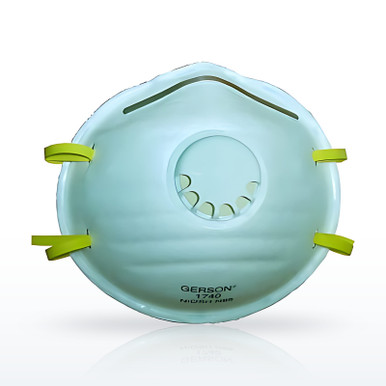
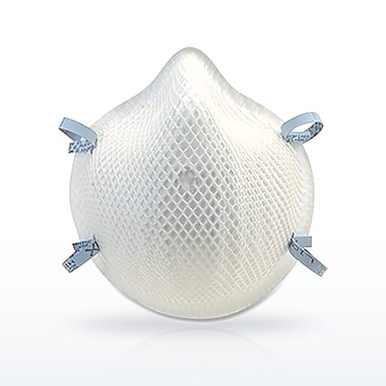
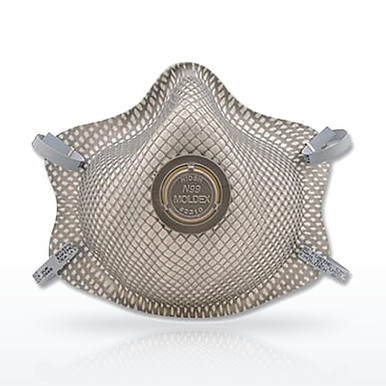
30 items · prices liveNIOSH filter class and respirator type are as published by the manufacturer on the approval label. Match the item to the exact statement on your pesticide label; cartridge types shown are as labeled by the manufacturer. Contractor Direct orders ship free.
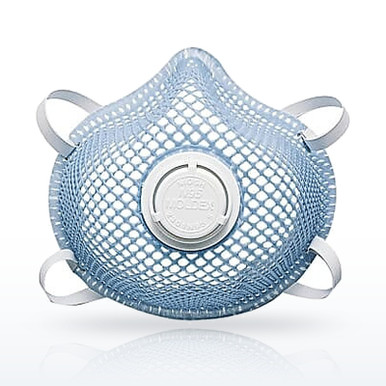
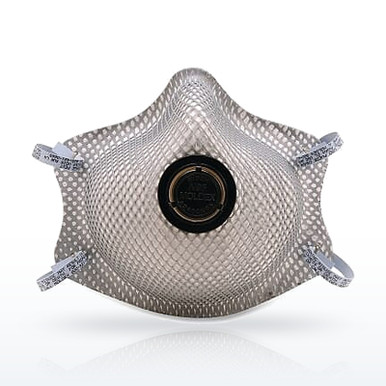
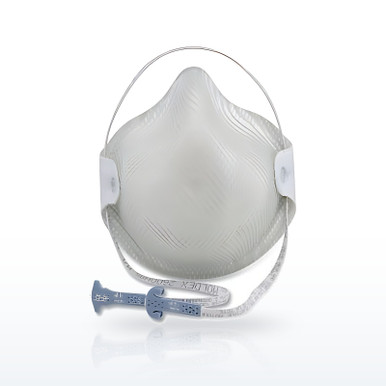
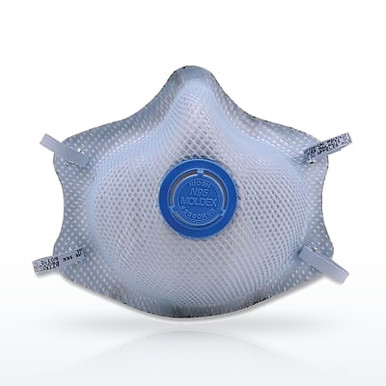
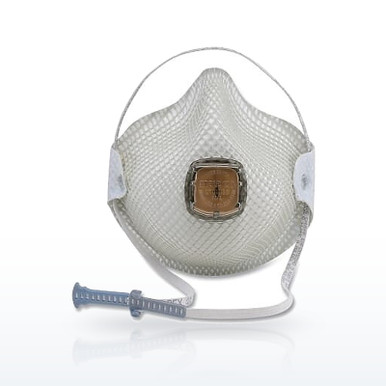
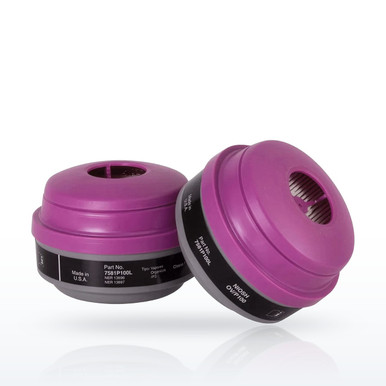

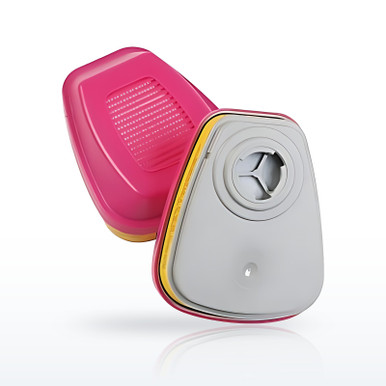
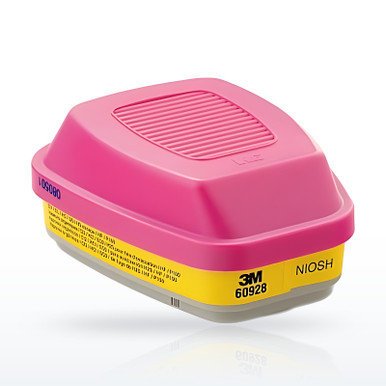





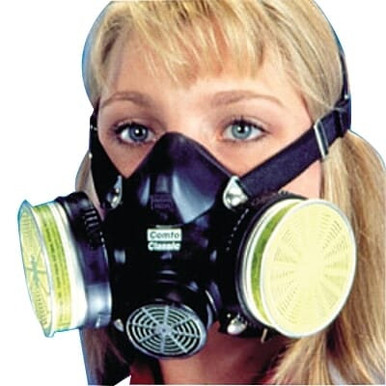
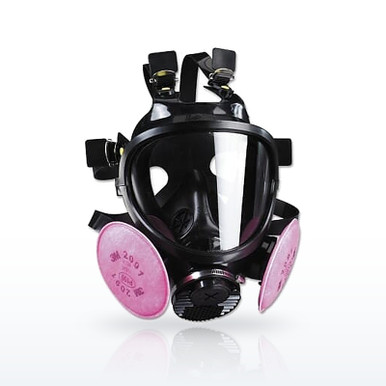
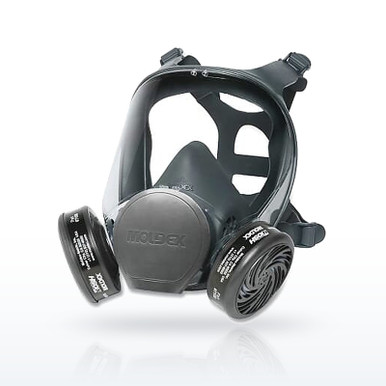


Chemical-resistant gloves, coveralls and goggles for handler PPE are in their own finders.
Questions people ask
Do I need a respirator to apply pesticides?
Only if the product label says so. Under 40 CFR 170.507 the handler must wear the respirator the labeling specifies and the employer must provide it. Many labels for low-toxicity products require none.
What does TC-84A mean on a pesticide label?
The NIOSH approval prefix for particulate respirators under 42 CFR 84: filtering facepieces and particulate filters in the N, R and P series. Older labels say dust/mist filtering respirator, TC-21C, which is the predecessor class.
What is a TC-23C respirator?
A respirator with an organic-vapor-removing cartridge and a prefilter approved for pesticides, under the NIOSH approval prefix used on pesticide labels. TC-14G is the canister version.
Does a pesticide respirator need a fit test?
Yes. The Worker Protection Standard requires the employer to provide a fit test, training and a medical evaluation conforming to OSHA 1910.134 before the handler wears the label-specified respirator, and to keep the records for two years. (40 CFR 170.507(b)(10).)
How long can I use an N95 for pesticides?
Until breathing resistance becomes excessive, the filter is damaged, the manufacturer or label says to replace it, or 8 hours of cumulative use, whichever comes first. (40 CFR 170.507(d)(6).)
When do I change the organic vapor cartridge?
At the first odor, taste or irritation; at the change-schedule time; when breathing resistance rises; when the manufacturer or label requires; or after 8 hours of cumulative use absent other instructions. (40 CFR 170.507(d)(7).)
Can I skip the respirator in an enclosed tractor cab?
A filtering facepiece or dust/mist respirator may be left off inside an enclosed cab with a properly functioning, maintained ventilation system. A cartridge or supplied-air requirement is not excused. (40 CFR 170.607(e).)
Does a full-face respirator count as protective eyewear?
Yes. The Worker Protection Standard lists a full-face respirator among the eyewear that satisfies a protective eyewear requirement. (40 CFR 170.507(b)(7)(iv).)
Standards and ratings on this page are as published in the documents named and by the manufacturers named. The employer’s hazard assessment and written program decide what applies at a given workplace. Verify a rating on the product and its spec sheet before use.