
Safety helmet vs hard hat: what the chin strap and Type II change
A safety helmet is the climbing-style hat: close-fitting shell, foam liner, little or no brim, and a chin strap. A hard hat is the traditional cap or full brim on a strap suspension with no liner and usually no strap. The names are trade names, not ratings; both are industrial head protection under ANSI Z89.1 and the label is what counts. What the helmet changes is two things. The chin strap keeps it on the head through a fall, a slip or a gust, where a hard hat comes off before the head hits anything. And most safety helmets are built and certified Type II, so they are tested for blows to the front, sides and back as well as the top. That is why sites with fall hazards are moving crews into them.
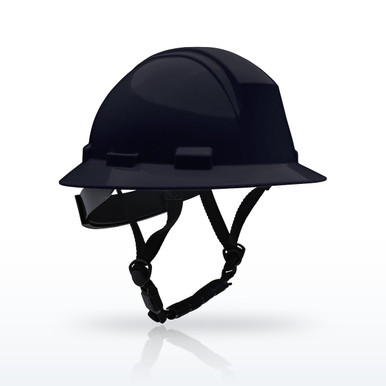
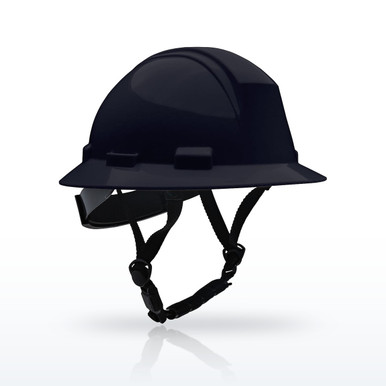
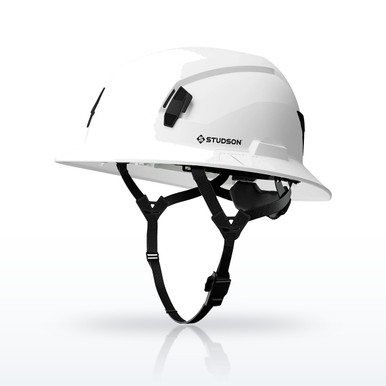 Studson SHK-1 Full Brim Non-Vented Type II Safety Helmet, Class EType II, Class E safety helmet with chin strap
Why are contractors switching to safety helmets? The injury data behind the change is falls. A worker who falls from a ladder, a deck edge or a scissor lift usually loses a hard hat on the way down, and the head hits the ground or the structure bare, often on the side or the back where a Type I hat was never tested anyway. A helmet with a chin strap stays on, and a Type II helmet is rated for the side and rear blow it then takes. A number of general contractors and owners have written Type II with chin strap into their site rules, OSHA moved its own inspectors to safety helmets in December 2023 for the same reasons, and manufacturers now sell helmets that carry both a Z89.1 rating and the European climbing-helmet strap rating.
What is the difference between a safety helmet and a hard hat?
The honest comparison. Every line is a design difference, not a rule; the rating on the label is the rule.
What does the chin strap actually do?
It keeps the helmet on the head when the body is moving in a way a hat does not survive: a fall, a trip, leaning out over a rail, a gust on a deck, looking straight up under a beam. The Z89.1 Type II test includes chin strap retention, in which a 22.2-pound mass is dropped 4 inches onto the strap; it must stay connected and stretch no more than 1 inch. Many helmets sold here also meet the European climbing standard EN 12492, whose retention system is tested at 500 newtons (about 112 pounds of force) and must not break or stretch past the limit, so the helmet stays on through a fall.
ANSI/ISEA Z89.1-2014 chin strap retention test as published by JSP (22.2 lb mass, 4 in drop, remain connected, elongation 1 in or less); EN 12492 retention system tested at 500 N (JSP; Petzl: strap strength greater than 50 kg).There is a trade-off, and the European standards show it plainly. EN 397, the European industrial hard hat standard, requires the chin strap to release at 150 to 250 newtons, so a hat snagged on machinery or a passing load lets go before it strangles the wearer. EN 12492 requires the opposite, a strap that holds. A helmet certified to both carries a strap that can be set one way or the other, or sold with two straps. Which is right depends on the hazard: hold for a fall, release where the head can be caught. The site’s hazard assessment makes that call, and the helmet’s instructions say which strap it has.
EN 397:2012 chin strap release at 150 to 250 N and EN 12492 retention at 500 N, as published by JSP; Petzl summary (EN 397 strap under 25 kg to reduce strangulation risk; EN 12492 over 50 kg to keep the helmet on in a fall).Is a safety helmet automatically Type II?
No. Shape proves nothing. A helmet is Type II if it was tested to the Type II requirements and marked Type II, and plenty of climbing-style helmets sold for work are Type I under Z89.1, or carry only EN 12492 or EN 397 and no Z89.1 rating at all. A helmet with no Z89.1 mark does not satisfy OSHA, which requires Z89.1 or equivalent. Read the label inside: manufacturer, Z89.1 edition, Type, Class, date. The helmets listed below show the Type and Class their makers publish.
29 CFR 1910.135(b); 29 CFR 1926.100(b); ANSI/ISEA Z89.1-2014 section 6 (instructions and markings) as summarized by MSA; 3M head protection reference.Does OSHA require safety helmets instead of hard hats?
No. OSHA’s rules require a Z89.1 helmet where head hazards exist; they do not name a type, a chin strap or a shape. OSHA’s own inspectors moved from hard hats to safety helmets in December 2023, and the agency said why: hard hats protect the top of the head with minimal side protection, have no chin strap and come off in a slip or trip, and 2020 injury data put about 20 percent of lost-time head injuries down to slips, trips and falls, but that is agency policy for its inspectors, not a rule for employers. The requirement, where it exists, comes from the owner, the general contractor or the employer’s hazard assessment: work at height, work around moving loads, confined mechanical spaces and electrical work are the usual triggers.
29 CFR 1910.135(a) and (b); 29 CFR 1926.100(a) and (b); 29 CFR 1910.132(d)(1); OSHA trade release of December 11, 2023 and Safety and Health Information Bulletin of November 22, 2023 (OSHA employees move to safety helmets; reasons: side impact, chin strap, falls).What to check before you issue safety helmets
- Type and Class on the label, for the hazards in your assessment. Non-vented for Class E where there is any electrical hazard.
- Chin strap type: holding (EN 12492 style) for work at height, releasing (EN 397 style) where the head can be caught, per the maker’s instructions.
- Accessories: face shield, ear muff and lamp mounts are helmet-specific. Mixing brands can void the rating.
- Fit: the liner is fixed, so the headband range is narrower than a hard hat suspension. Try sizes on the crew; some makers offer two shell sizes.
- Heat: vented helmets are Class C. For a hot site with no electrical hazard that is the right choice; next to a panel it is not.
- Service life: the maker’s instructions, as with any hard hat, and replace after any impact.
Safety helmets and hard hats by Z89.1 rating
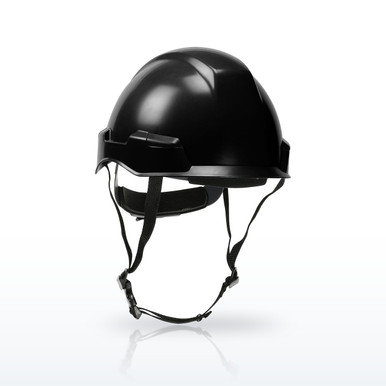
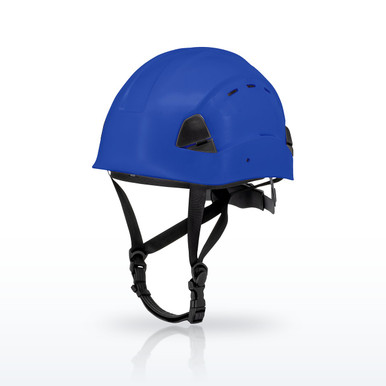
32 items · prices liveType and Class are as published by the manufacturer; EN 12492 is shown where the maker states it. The marking inside the shell governs. Contractor Direct orders ship free.
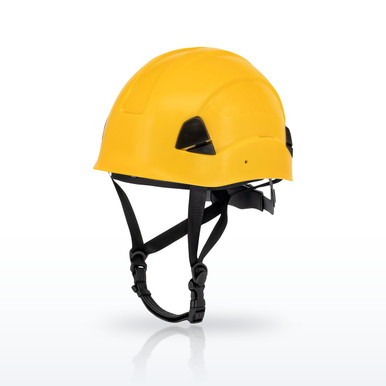
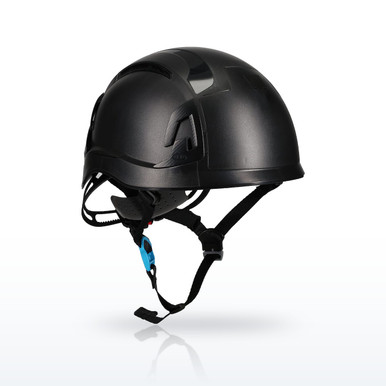
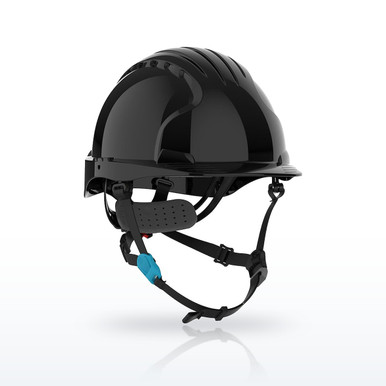
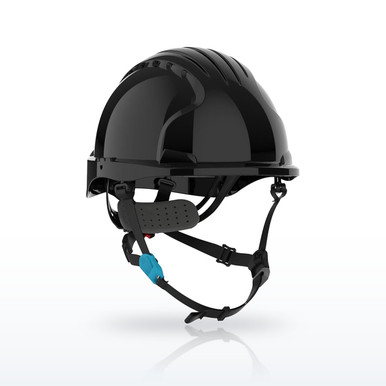
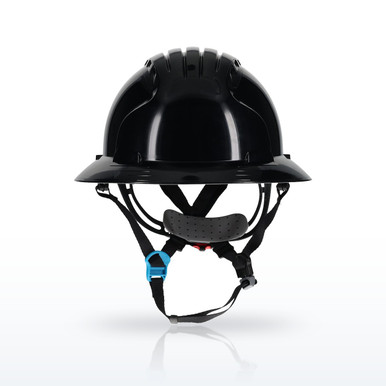
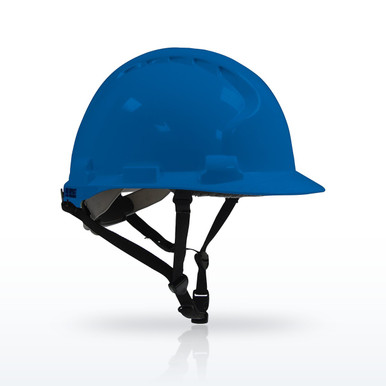
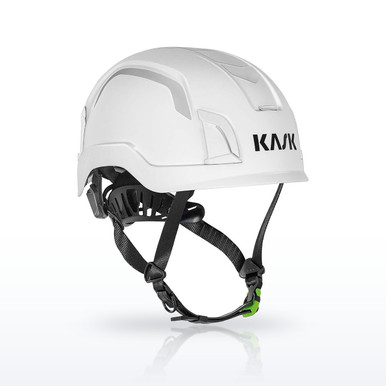
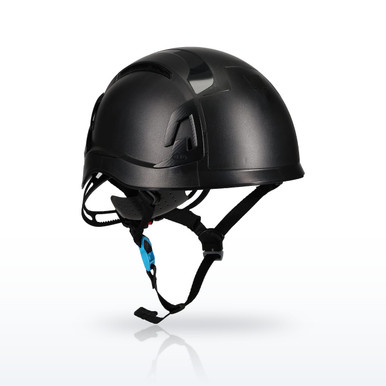
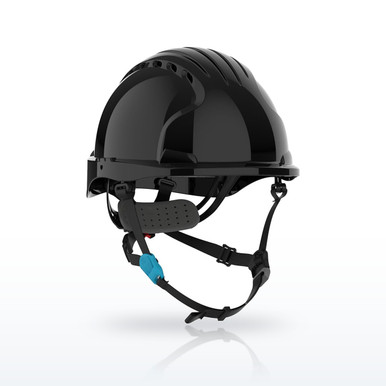
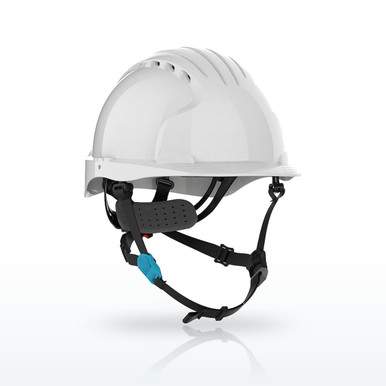
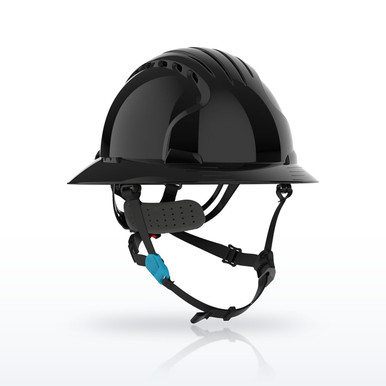
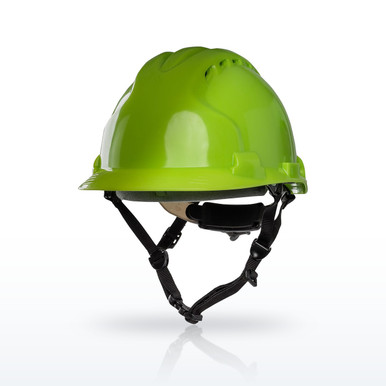
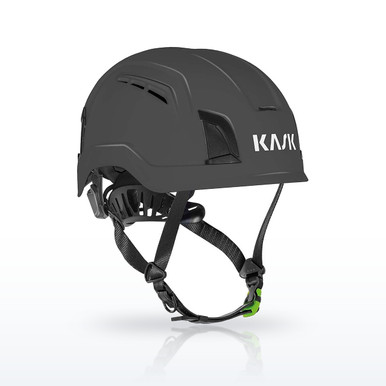
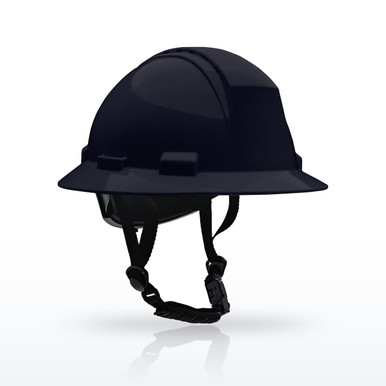
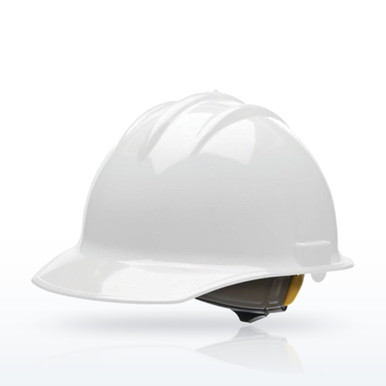
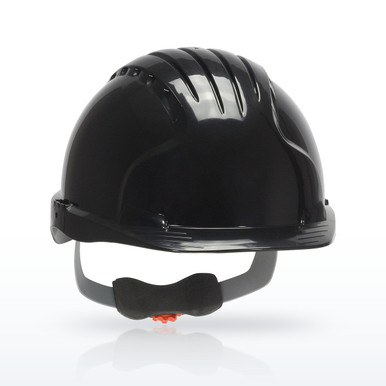
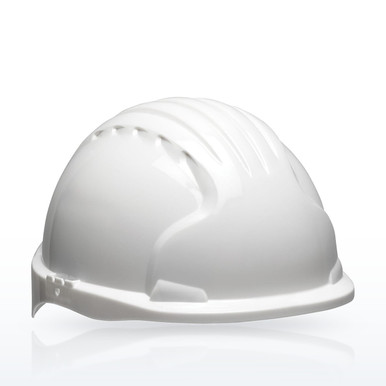
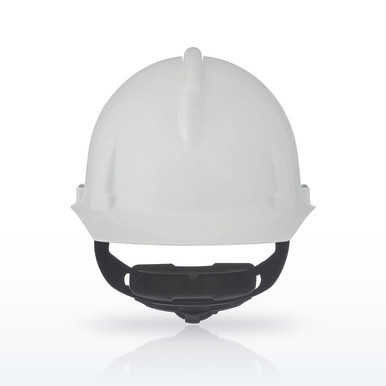
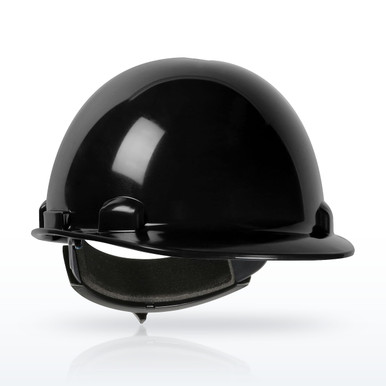
Every helmet and hard hat we carry, filtered by Type, Class, vent and chin strap, is on the hard hat finder.
Questions people ask
What is the difference between a safety helmet and a hard hat?
Design, not rating. A safety helmet is close-fitting with a foam liner and a chin strap, usually Type II; a hard hat is a brimmed shell on a strap suspension, usually Type I. Both are Z89.1 head protection and the label decides what each one is rated for.
Does OSHA require chin straps on hard hats?
No. OSHA requires a Z89.1 helmet. Chin straps are tested as part of Type II, and sites require them for work at height under their own rules.
Are safety helmets Type II?
Most are, but not all. Some climbing-style helmets are Type I or carry only European marks. Read the label.
What is EN 12492?
The European mountaineering helmet standard. Its chin strap is tested at 500 N and must hold, so the helmet stays on in a fall. Many work helmets are certified to it alongside Z89.1.
What is the difference between EN 397 and EN 12492 chin straps?
EN 397 (industrial) straps must release at 150 to 250 N to prevent strangulation if snagged. EN 12492 (climbing) straps must hold at 500 N.
Why did OSHA switch to safety helmets?
OSHA moved its own inspectors to safety helmets in December 2023, citing side-impact protection, chin straps and fall injuries. That is agency policy for its staff, not a regulation.
Are vented safety helmets Class E?
No. Vented shells cannot pass the electrical proof test and are Class C. The non-vented version of the same helmet is usually Class E.
Can I add a chin strap to my hard hat?
Only the maker’s strap for that model. It will keep the hat on; it does not make a Type I hat Type II.
Standards and ratings on this page are as published in the documents named and by the manufacturers named. The employer’s hazard assessment and written program decide what applies at a given workplace. Verify a rating on the product and its spec sheet before use.