
Single-gas vs multi-gas detectors: which does the job need?
A single-gas detector watches one gas, usually H2S, CO or oxygen, and is the right tool when the hazard is known and there is only one: a worker around sour gas, a mechanic in a garage, a lab with a nitrogen line. A multi-gas detector watches two to six gases at once, and the four-gas unit (oxygen, combustible gas, H2S, CO) is what confined-space entry needs, because OSHA requires the space to be tested for oxygen, flammables and toxics before and during entry. The rule of thumb: if the question is whether this one gas is here, a single-gas clip; if the question is whether it is safe to go in, a four-gas monitor. Many crews run both: a four-gas on the entrant and the attendant, single-gas clips on everyone else.
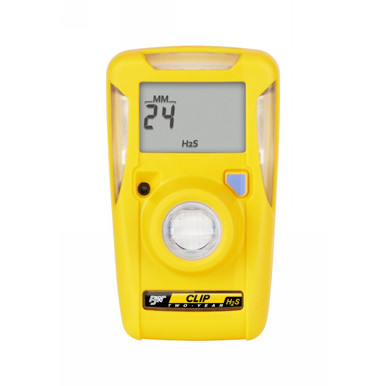
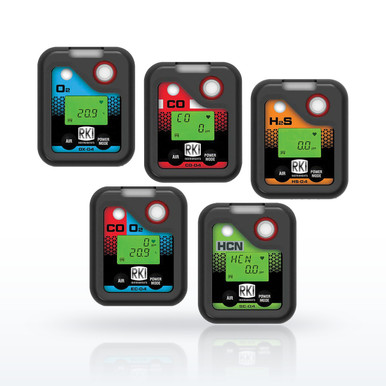
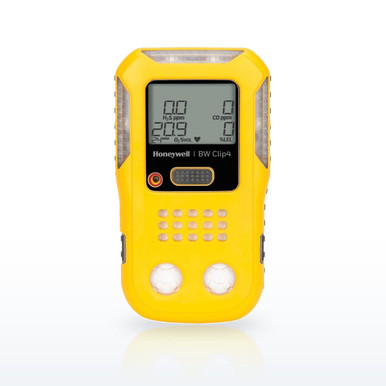
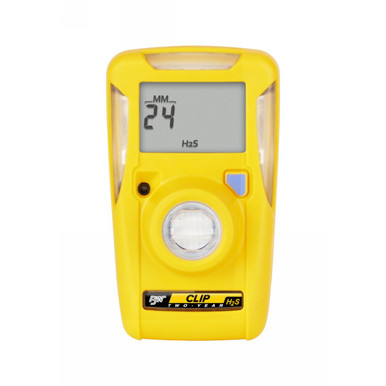 BW Technologies BWC2R-H Single Gas Monitors, Honeywell BW Clip Real TimeSingle-gas H2S clip, maintenance-free for its rated life
Why not give everyone a four-gas monitor and be done with it? Cost and upkeep. A four-gas unit carries four sensors that each need calibration gas, a dock or a trained person, and replacement when they wear out; a catalytic LEL sensor can be poisoned by silicone spray or a sulfide gas. A maintenance-free single-gas clip is sealed, needs no calibration or charging for 2 or 3 years, and costs a fraction of the price. For a worker whose only exposure is one toxic gas, the clip gives the alarm with far less upkeep. For a worker going into a space, nothing less than four gases is a test, and the standard says so.
Single-gas or multi-gas: how do you decide?
Start from the hazard assessment, not the catalog. The written program names the gases; the monitor covers them.
What does each kind of monitor actually contain?
- Single-gas, maintenance-free: one electrochemical sensor (H2S, CO, O2, SO2 and others), a fixed life of 2 or 3 years, no calibration, no charging, no sensor change; alarm set points are fixed at the factory and the model is sold by set point. Honeywell BW Clip is the common example. Bump tested daily, logged on a dock, thrown away at end of life.
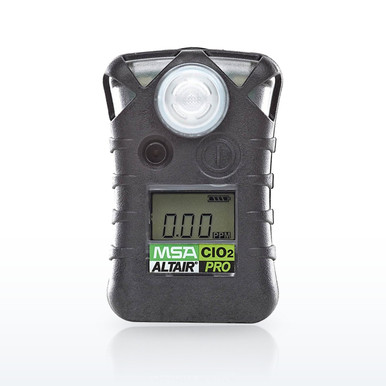
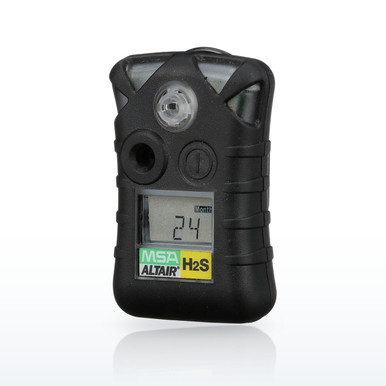
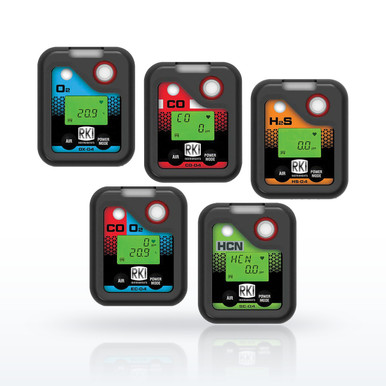
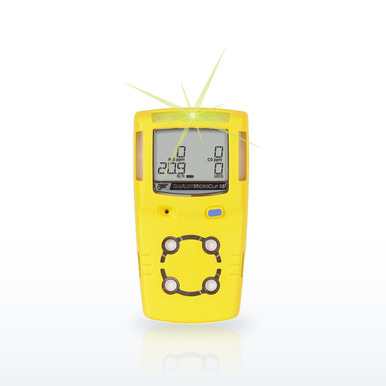
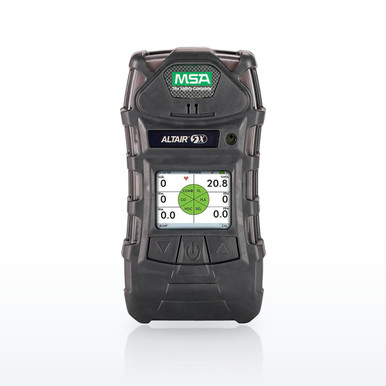
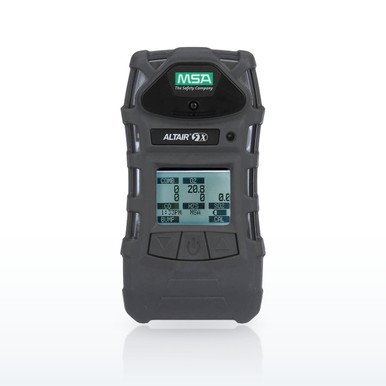
- Single-gas, serviceable: one sensor that can be replaced, a replaceable or rechargeable battery, a display with TWA and STEL, adjustable alarms, and data logging. MSA ALTAIR, Industrial Scientific GasBadge Pro, RKI single-gas units, Honeywell BW Solo. Calibrated on the manufacturer’s interval.
- Two-gas: oxygen plus one, commonly LEL and O2, O2 and H2S, or H2S and CO in a single sensor. For jobs with a known pair of hazards and no confined-space entry.
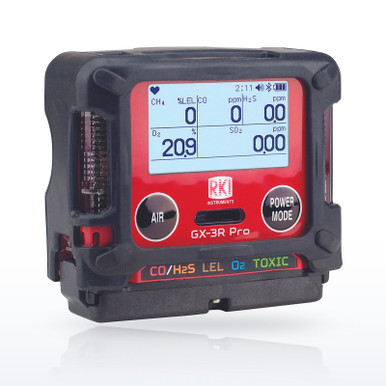
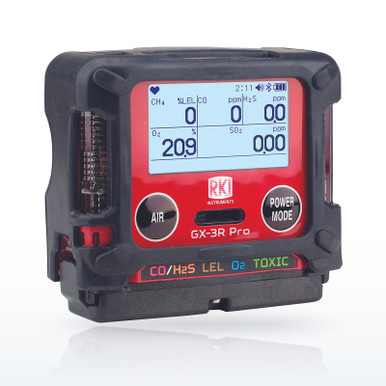
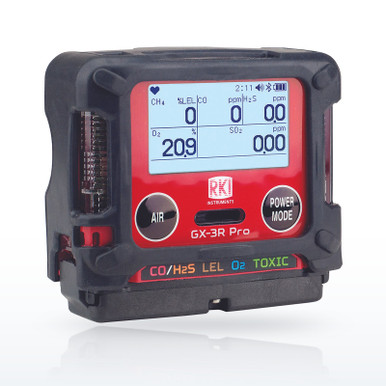
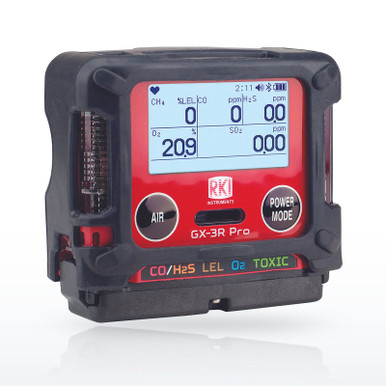
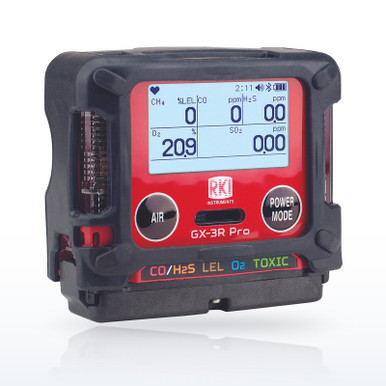
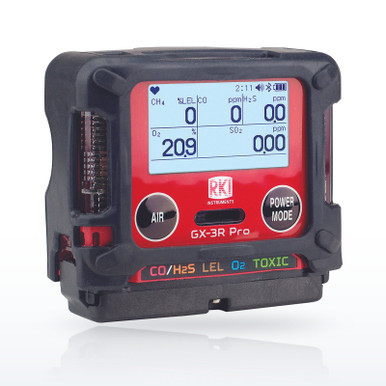
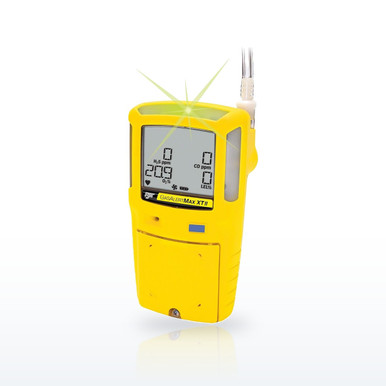
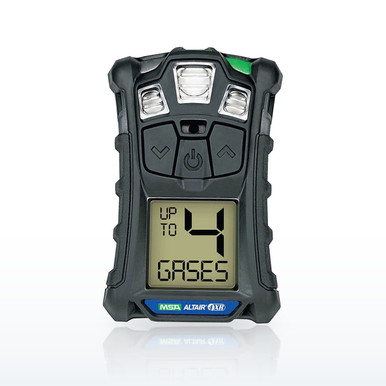
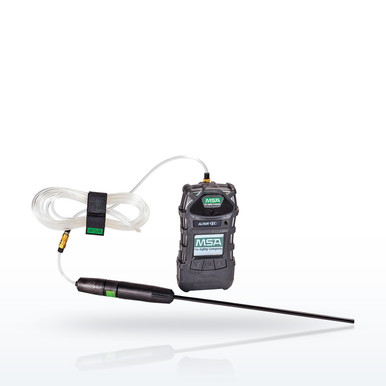
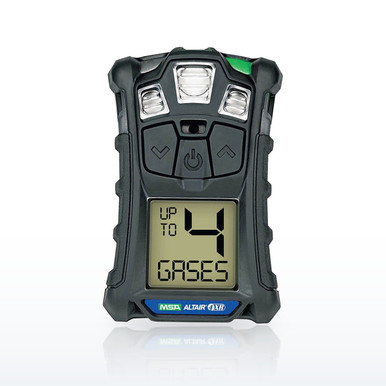
- Four-gas: LEL, O2, H2S and CO. The confined-space standard unit. Diffusion versions are worn; pumped (sample-draw) versions test a space through a hose from outside.
- Five and six-gas: the four plus a PID for volatile organic compounds, an infrared sensor for CO2 or for methane in low-oxygen air, or an extra toxic (SO2, NH3, Cl2, HCN, NO2). For refineries, chemical plants, wastewater and hazmat.
- Area monitors: a multi-gas unit on a stand that watches a work zone or a hot-work perimeter rather than a person, often linked wirelessly to the personal units.
Diffusion or pumped?
A diffusion monitor reads the air that reaches its sensors on its own, which is the air around the wearer. A pumped monitor draws air through a hose, so it can read the bottom of a manhole from the street or a tank from the hatch. Confined-space testing from outside needs the pump. Wearing the unit inside, either works; the pump adds weight and uses battery. Several four-gas models come in both versions, and some have a clip-on pump that converts a diffusion unit for the test and comes off for the entry.
29 CFR 1910.146(d)(5)(i) (test before entry is authorized) and Appendix B (probe sampling); manufacturer product data: diffusion and pump (sample draw) versions as listed on each product page.What does each cost to own?
The price on the page is the start. A maintenance-free clip costs its purchase price plus bump-test gas for its life. A serviceable single-gas adds calibration gas on the manufacturer’s interval and a sensor every few years. A four-gas adds four sensors, more calibration gas, a charger, and the LEL sensor’s sensitivity to silicones and sulfides. A docking station pays for itself on a fleet by running the daily bump test and the calibration automatically and keeping the record. The cheapest program is the one with the right monitor on each worker, not the one with the fewest monitors.
OSHA SHIB, Calibrating and Testing Direct-Reading Portable Gas Monitors (daily bump test or calibration check; records for the life of the instrument; sensor poisoning); manufacturer product data for sensor life and calibration intervals.Single-gas and multi-gas monitors
30 items · prices liveGases detected, number of gases and sample method are as published by the manufacturer on each product page. Free shipping on orders over $199.



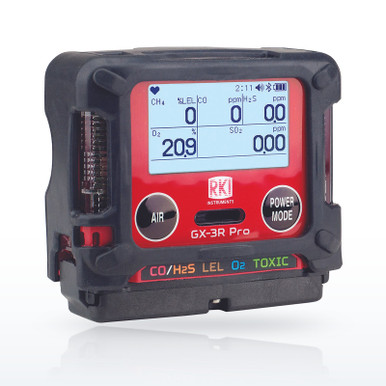
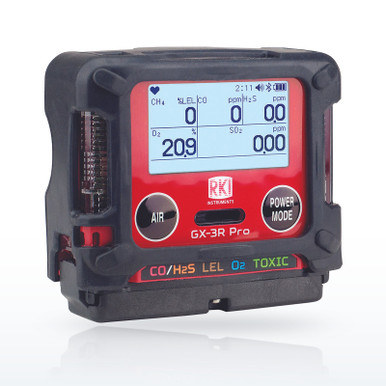
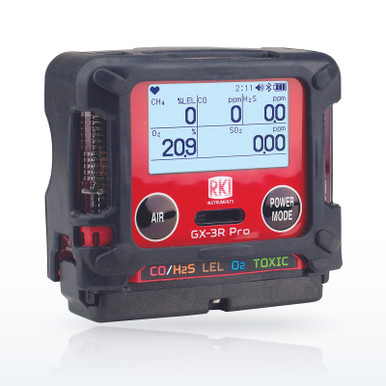
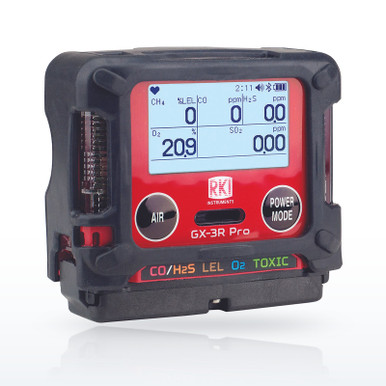
Five and six-gas units, area monitors, replacement sensors, calibration gas and docks are in the gas detection finder.
Questions people ask
What is the difference between a single-gas and a multi-gas detector?
A single-gas detector has one sensor and alarms on one gas. A multi-gas detector has two to six sensors and reads them all at once; the four-gas (O2, LEL, H2S, CO) is the standard confined-space unit.
Do I need a 4-gas monitor for confined space entry?
OSHA requires testing for oxygen, combustible gas and toxic gas before and during entry (1910.146(d)(5)). A four-gas monitor gives those readings at once; a single-gas unit cannot.
When is a single-gas monitor enough?
When the hazard assessment names one gas and there is no confined-space entry: H2S in the oil field, CO in a garage, oxygen near an inert-gas line.
What gases does a 4-gas monitor not detect?
Ammonia, chlorine, sulfur dioxide, nitrogen dioxide, hydrogen cyanide, carbon dioxide and most solvent vapors. Those need a dedicated sensor, a five-gas unit, a PID or a detector tube.
What is a maintenance-free gas detector?
A sealed single-gas clip that runs for a fixed 2 or 3 years with no calibration, charging or sensor change, then is retired. It is still bump tested before each day’s use.
Can one 4-gas monitor cover a whole crew?
No. A monitor protects the person wearing it. Each worker who can be exposed needs a monitor on them.
Diffusion or pumped for confined spaces?
Pumped for the pre-entry test through a hose from outside; either for the entrant, who wears the unit inside.
Which is cheaper over time?
For one known gas, the maintenance-free clip. For entry work, a four-gas with a docking station to automate the daily bump test and the records.
Standards and ratings on this page are as published in the documents named and by the manufacturers named. The employer’s hazard assessment and written program decide what applies at a given workplace. Verify a rating on the product and its spec sheet before use.