
Tyvek vs Tychem: which chemical protective suit for which hazard
Tyvek is a particle barrier; Tychem is a chemical barrier. A Tyvek 400 suit stops dust, fibers and a light splash of water-based liquid, and that is all DuPont claims for it. Tychem is Tyvek or another base fabric with a chemical-resistant film or coating on it, graded by how many chemicals it holds back for at least 30 minutes in the permeation test: Tychem 2000 for light splash of more than 40 chemicals, Tychem 4000 for more than 124, Tychem 6000 for more than 250, and Tychem 10000, the 28 mil Level A fabric, for 322 with no breakthrough. The choice starts with the chemical and the exposure. Dust and dirt, Tyvek. A liquid chemical that can splash you, Tychem, picking the grade whose published permeation data covers that chemical for longer than the job.
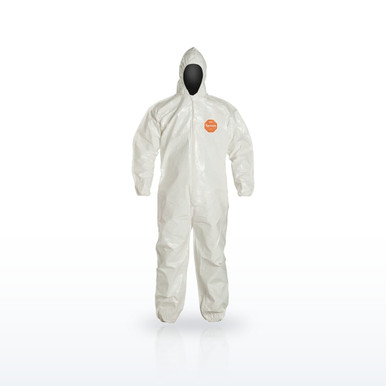
Why is a chemical barrier a different thing from a dust barrier? Dust is stopped by small pores. A liquid chemical is not stopped by pores at all; it dissolves into the fabric on one side and comes out on the other at the molecular level, a process called permeation, with no hole and nothing to see. The only defense is a continuous film the chemical dissolves into slowly or not at all, and which film works depends on the chemical. That is why Tychem comes in grades, why each grade ships with a table of chemicals and breakthrough times, and why a white Tyvek suit, however clean it looks, is not chemical protection.
What is each DuPont fabric built for?
From DuPont’s published product data. The chemical counts are fabric-level permeation results, not whole-garment ratings.
What does "30 minutes of protection" mean?
It comes from ASTM F739, the test for permeation of liquids and gases through protective clothing materials under continuous contact. A swatch of fabric is clamped between two chambers, the chemical sits against one side, and a detector on the other side watches for the chemical coming through. The time until it is detected is the breakthrough time; how fast it then comes through is the permeation rate. The standard also allows reporting a normalized breakthrough time at a permeation rate of 1.0 microgram per square centimeter per minute, which is the figure most manufacturers publish. When DuPont says a fabric gives at least 30 minutes against 124 chemicals, it means that for each of those 124 the normalized breakthrough was 30 minutes or more. DuPont’s tables list the actual figure for each chemical, and that is the number the hazard assessment uses.
ASTM F739-20, scope (section 1.1) and section 5.6 (normalized breakthrough time at 1.0 µg/cm²/min); DuPont permeation data notes.Three limits on the number. It is the fabric, not the suit: DuPont states that seams and closures often break through sooner than the fabric, which is why taped seams exist. It is continuous contact at room temperature; a warm chemical permeates faster. And it is one chemical at a time; a mixture is not in the table. The employer’s hazard assessment has to look up the actual chemical in the manufacturer’s permeation table and match the breakthrough time to the task length, with margin.
DuPont Tychem product data, permeation data notes and seam warnings; 29 CFR 1910.120(g)(3)(ii), selection based on performance characteristics of the PPE.How do you pick between them?
- Name the exposure. Dry particles and dirt, light splash of water or a mild water-based cleaner, or a liquid chemical that can wet the suit. The first two are Tyvek territory. The third is Tychem.
- Name the chemical. Look it up in the DuPont permeation table for the grade you have in mind. If it is not listed, or the breakthrough is shorter than the job, move up a grade or ask the manufacturer for data.
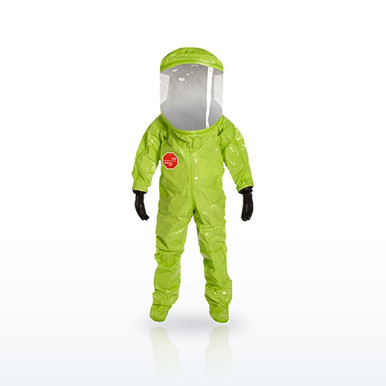
- Decide how wet. Incidental splash with time to decontaminate: Tychem 2000 or 4000. Heavy splash, immersion of sleeves or legs, or pressure spray: Tychem 5000 or 6000 with taped seams. Gas, vapor or a skin-absorbed toxic: encapsulated Tychem 10000 with supplied air, Level A.
- Check the seams and closure. Serged for particles, bound for light splash, taped for liquids. A storm flap with adhesive over the zipper for anything that runs.
- Match the rest of the ensemble. Gloves and boots must be rated for the same chemical; a Tychem suit with the wrong gloves protects the torso and not the hands. Tape the glove and boot interfaces for liquid work.
- Rule out fire. None of these fabrics, apart from the SFR styles, is flame resistant. Flammable atmosphere or hot work means an FR garment, and a Tychem suit cannot go over or under it where ignition is possible.
What are Tychem suits used for?
- Chemical mixing and transfer, drum handling, tank and line breaks: Tychem 2000 for light splash, 4000 where the chemical list is longer.
- Pesticide and herbicide application and mixing: Tychem 2000 or 4000 per the product label and the permeation table.
- Remediation, PCB cleanup, waste handling and nuclear work: Tychem 4000, which is white for visibility and resists abrasion.
- Hazmat response, spill cleanup and decontamination lines: Tychem 5000 or 6000 with taped seams, and Tychem 10000 encapsulated for Level A.
- Emergency medical response and infectious materials: Tychem 5000 and the 2000 SFR hooded coverall pass ASTM F1670 and F1671 for blood and viral penetration.
Tyvek and Tychem suits by fabric
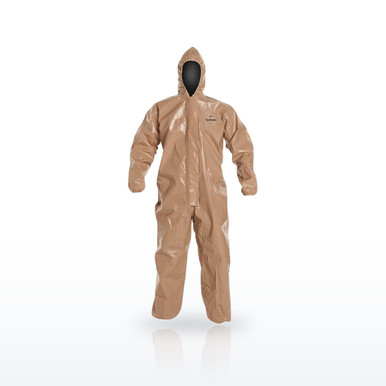
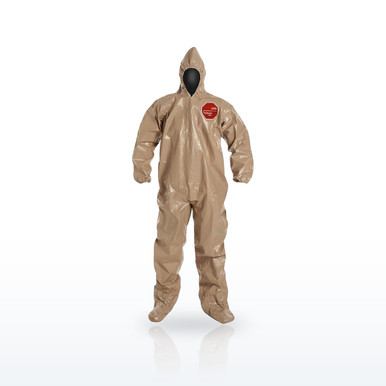
19 items · prices liveFabric, thickness and chemical count are as published by DuPont for each garment. Permeation data for a specific chemical is on the DuPont data sheet linked from each product page. Seams, hood and socks are on the product page. Contractor Direct orders ship free.
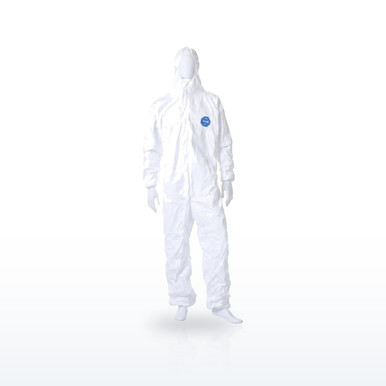
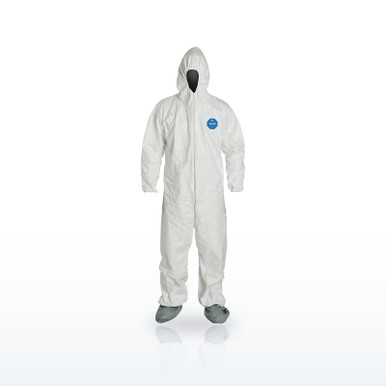
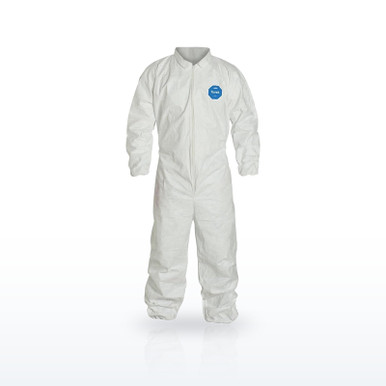
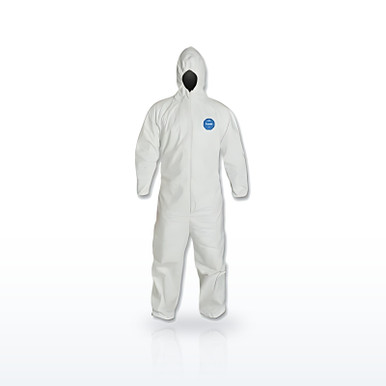
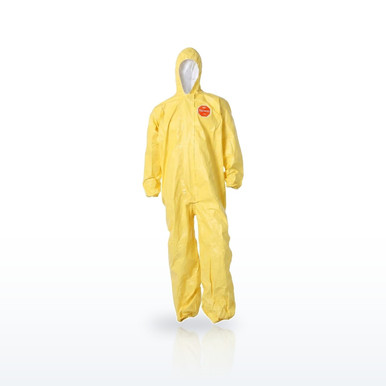
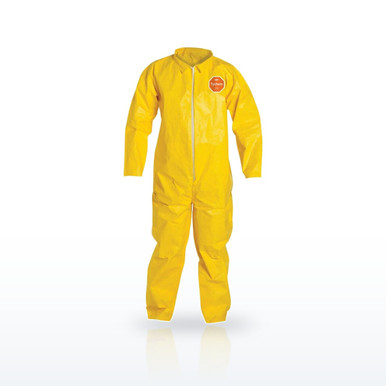
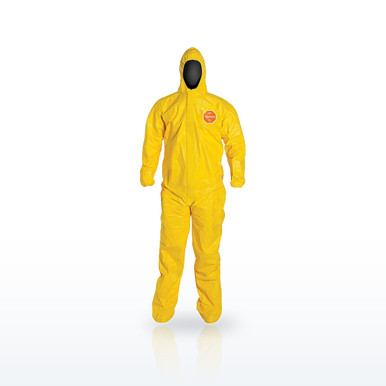
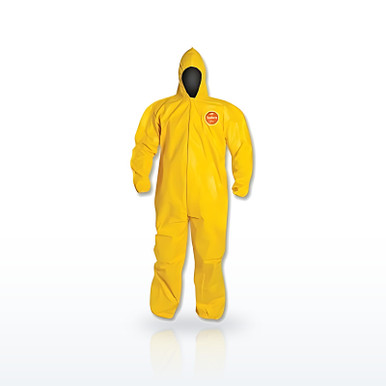
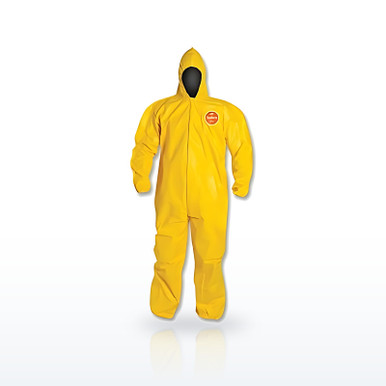
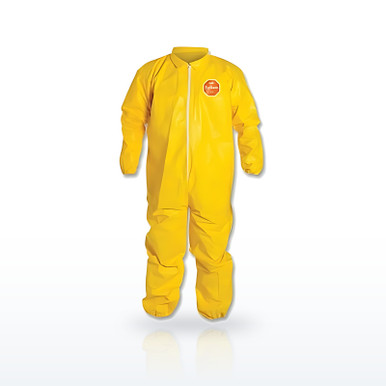
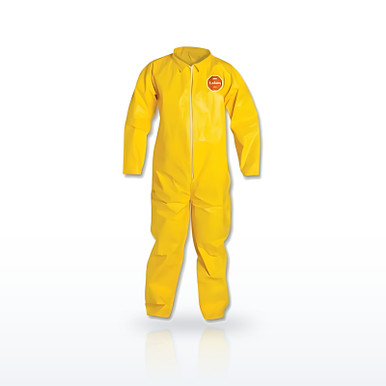
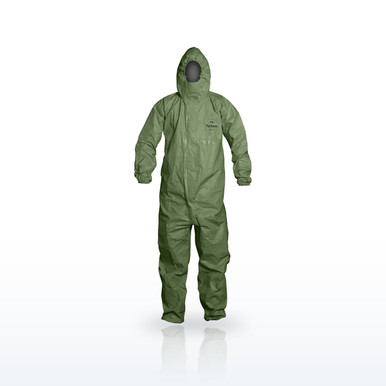
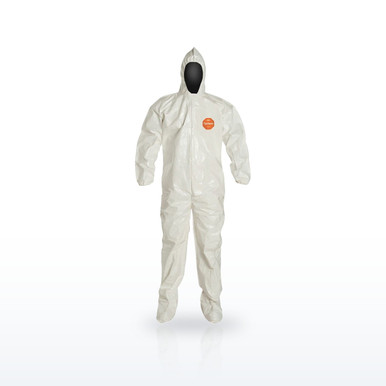
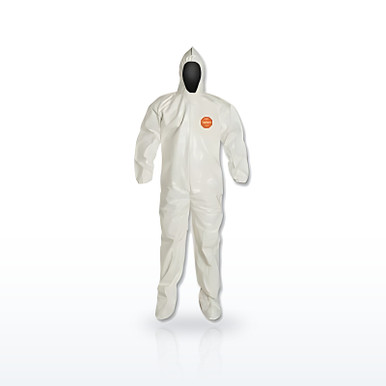
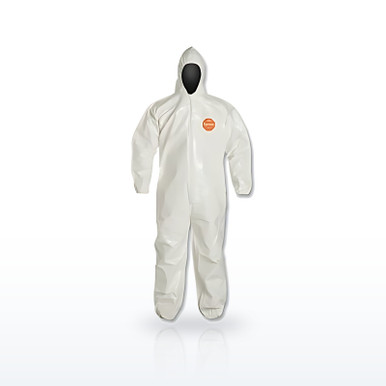
Tychem 6000 garments, Tychem SFR styles and encapsulated suits in other sizes are quoted on request: call (925) 215-7337.
Questions people ask
What is the difference between Tyvek and Tychem?
Tyvek is an uncoated polyethylene fabric that stops particles and light splash. Tychem is a chemical-barrier fabric, a film or coating on a base, graded by how many chemicals it holds back for 30 minutes or more.
Is Tychem better than Tyvek?
It is a different thing. For dust and dirt Tyvek does the job and breathes; for a liquid chemical only Tychem is rated. The hazard decides.
What is the difference between Tychem 2000 and Tychem 4000?
Tychem 2000 is polyethylene-coated Tyvek, 10 mil, at least 30 minutes against more than 40 chemicals, for light splash. Tychem 4000 is Saranex film on Tyvek, 12 mil, more than 124 chemicals, for heavier splash and remediation.
What does ASTM F739 test?
Permeation of a liquid or gas through a protective clothing material under continuous contact: how long until it is detected on the inside (breakthrough time) and how fast it then comes through (permeation rate).
Does 30 minutes mean I can wear it for 30 minutes?
No. It is the fabric’s minimum normalized breakthrough time against the chemicals DuPont counts; many are much longer, some chemicals are not on the list, and seams break through sooner. The hazard assessment matches the specific chemical’s breakthrough time to the task.
Which suit is Level A?
An encapsulated Tychem 10000 suit worn with SCBA or supplied air. Level B and C use hooded Tychem coveralls with the appropriate respirator (1910.120 Appendix B).
Are Tychem suits flame resistant?
Only the SFR styles. DuPont states the other Tychem and Tyvek garments ignite and continue to burn.
Can a Tychem suit be reused?
They are limited-use garments. DuPont’s guidance is to discard a garment once damaged, altered or contaminated.
Standards and ratings on this page are as published in the documents named and by the manufacturers named. The employer’s hazard assessment and written program decide what applies at a given workplace. Verify a rating on the product and its spec sheet before use.