
How to clean up a chemical spill: the steps and the PPE
First decide whether this is a spill you are allowed to clean up. OSHA lets the people in the area handle an incidental release, one that can be absorbed, neutralized or controlled at the time of release by the workers there, with the PPE and sorbent on hand. Anything bigger, anything giving off fumes you cannot tolerate, anything unknown, is an emergency: leave, alert, and let trained responders handle it. For an incidental spill: read the SDS section on accidental release, put on the gloves, eye protection and any respirator it names, ring the spill with hazmat socks, cover it with hazmat pads or neutralizer, pick it all up into a labeled container, clean the surface, and dispose of the used sorbent as the waste it now is.
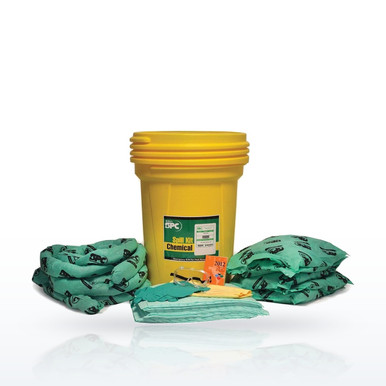 Brady SPC HazWik chemical spill kit, 30-gallon drumHazmat pads, socks, pillows, gloves, goggles and bags; absorbs 36 gallons
Why is a chemical spill handled differently from an oil spill? Oil hurts the drain. A chemical can hurt the person holding the pad. Acids and caustics burn skin and eyes, solvents give off vapor that fills a room, oxidizers react with the wrong sorbent, and two spilled products can react with each other. So the rules for a chemical spill start with the people, not the puddle: who is allowed to touch it, what they wear, and what they soak it up with. The product’s safety data sheet answers all three, which is why OSHA requires it to be within reach on every shift.
Is it a spill you can clean up, or an emergency?
OSHA draws this line in the hazardous waste and emergency response standard, and it decides everything that follows.
How do you clean up a chemical spill?
- Stop and look before you touch anything. What is it, how much, is it spreading, is it near a drain, can you smell it, is anyone exposed. If you do not know what it is, or it is more than the kit and the people present can handle, treat it as an emergency: leave the area, alert your supervisor and the emergency number in your plan, and keep others out.
- Get the SDS. Section 6 is accidental release measures: the PPE, the sorbent or neutralizer, and what not to do. Section 8 is exposure controls and PPE. Section 13 is disposal. The SDS has to be readily accessible in your work area on every shift, which means you should not have to search for it.
- Put on the PPE the SDS names. Chemical-resistant gloves for that product (nitrile for many, but the SDS and the glove maker’s compatibility chart decide), chemical splash goggles or a face shield over goggles for liquids, a chemical apron or suit if there is splash risk, and a respirator with the cartridge the SDS specifies if there is vapor and ventilation is poor. A respirator means you are in a respiratory protection program with a fit test; if you are not, that spill is not yours to clean.
- Ventilate and remove ignition sources. Open doors, run exhaust, shut off heaters and anything that sparks if the product is flammable. Keep people and foot traffic away.
- Stop the source. Upright the container, close the valve, move the leaking drum into an overpack or onto a tray, with a second person if it is heavy.
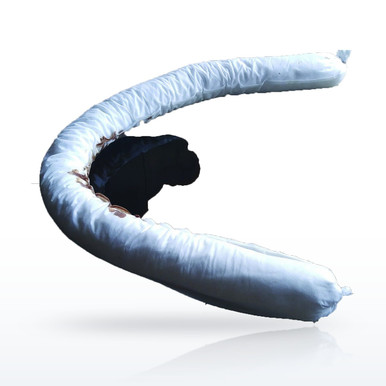
- Contain. Lay hazmat sorbent socks around the spill, downhill side first, and drop a drain cover on any drain the liquid could reach. For an acid or caustic, a neutralizer from the kit can be spread first where the SDS allows it; it turns the spill to a safer salt and most products change color when done.
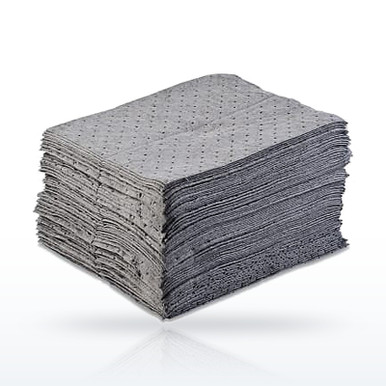
- Absorb. Lay hazmat pads over the pool, working from the outside in, or spread the loose sorbent from the kit and let it take up the liquid. Use only sorbent rated for that chemical: hazmat sorbent for acids, caustics and unknowns, never cellulose or sawdust on an oxidizer.
- Pick it up. Scoop or lift the saturated sorbent, socks and the neutralized residue into the heavy bags or the pail from the kit, using the scoop and scraper, not your hands. Add the gloves and disposables you take off last. Close and label the container.
- Decontaminate. Wipe or wash the surface per the SDS, and wash your own hands and face. If anything got on skin or in eyes, flush at the eyewash or drench shower for 15 minutes (the ANSI/ISEA Z358.1 figure) and get medical attention; corrosive exposure is why the eyewash has to be in the work area.
- Dispose, restock, record. The bag is now waste, and the next section says what kind. Replace what came out of the kit so the kit is whole. Write down what spilled, how much, what you did and where the waste went.
How do you dispose of used absorbents?
A used sorbent is not its own category of waste. It becomes whatever it soaked up, and the generator, which is you, has to make a hazardous waste determination at the point the waste is generated, before it is mixed with anything else. The determination starts with knowledge of the product: the SDS and what you know about the process. If the chemical is a listed hazardous waste or shows a characteristic (ignitable, corrosive, reactive or toxic), the sorbent, the gloves and the wipes with it are hazardous waste and go into a labeled hazardous waste container for your hauler, with the records the rule requires kept for 3 years.
40 CFR 262.11(a) through (d) (hazardous waste determination at the point of generation, by knowledge or testing, against 40 CFR 261 Subparts C and D) and 262.11(f) (records); 40 CFR 262.15 through 262.17 (container marking and accumulation by generator category).Used-oil sorbent is the common exception. Pads with used motor oil, hydraulic oil or similar that have been drained so no free-flowing oil remains are not regulated as used oil under the federal rule, and in most states can go to a used-oil recycler or the regular trash if the hauler and the local authority allow it. Sorbent that is still dripping is used oil and is managed as used oil. Sorbent with gasoline, solvent or an oil mixed with a hazardous chemical goes back to the hazardous waste determination.
40 CFR 279.10(c)(1) (materials from which used oil has been removed so that no visible signs of free-flowing oil remain are not used oil) and (c)(2); state used-oil and hazardous-waste rules, which can be stricter than the federal rule.Three habits keep this simple: keep the used sorbent for one product in one bag, so you do not have to characterize a mixture; label the bag with what is in it the moment it is closed; and ask the product supplier or your hauler before the spill, not after, what they take. Never wring a pad out into a drain or a sink.
40 CFR 262.11(a) (determination before dilution, mixing or alteration); 40 CFR 262.15(a)(5) (satellite accumulation containers marked with the words Hazardous Waste and the hazards); 29 CFR 1910.1200(f)(6) (workplace container labeling).What should be ready before a chemical spill?
- A written hazard communication program, the SDS for every chemical on site within reach, and training for the people who use them, including the emergency procedures and the PPE.
- A PPE hazard assessment, in writing, that names the gloves, eye protection and respirator for the chemicals handled, and the training to wear them.
- A hazmat spill kit sized to the largest container of the most hazardous product, placed where that product is stored and used, with hazmat sorbent, neutralizer where acids or caustics are present, the PPE named above, disposal bags and labels.
- An eyewash or drench shower in the work area wherever corrosive materials are handled.
- A written emergency response plan if your people will respond to emergencies, or an emergency action plan if they will evacuate and leave it to outside responders.
Hazmat spill kits, chemical sorbents and universal sorbents
22 items · prices liveSorbent type is as published by the manufacturer for each item. Chemical compatibility for hazmat sorbents is on each manufacturer’s spec sheet; check it against the SDS for the product you handle. Contractor Direct orders ship free.
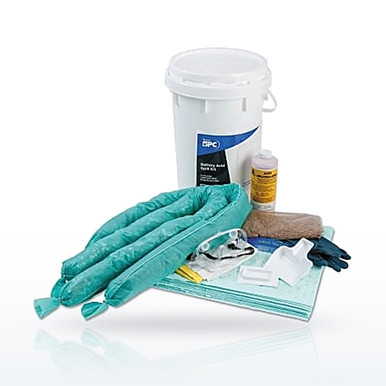
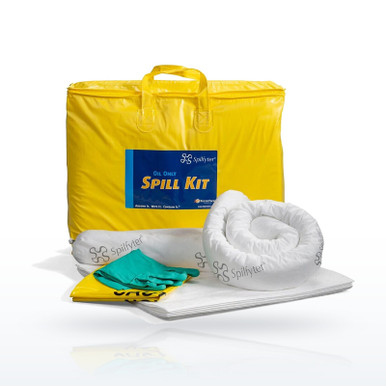
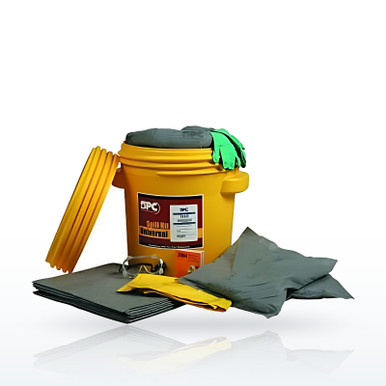
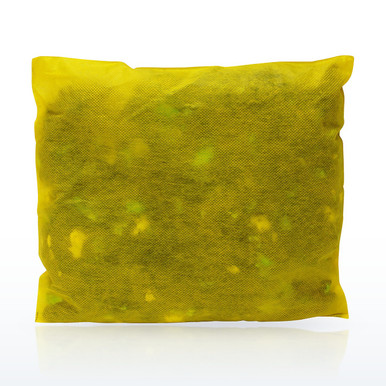

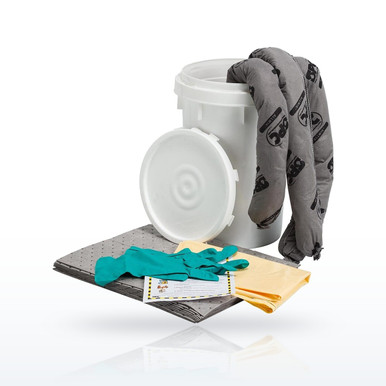
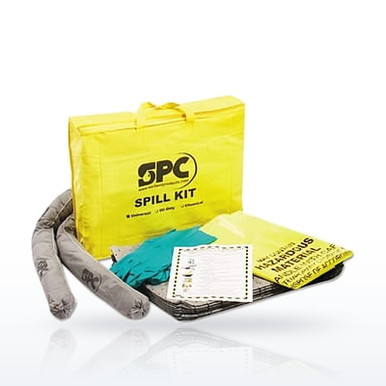
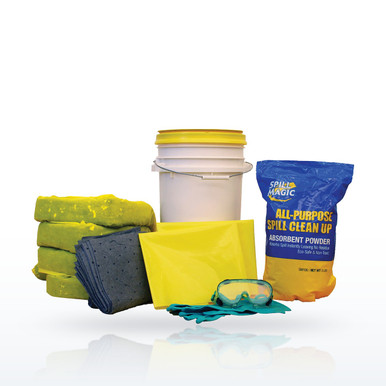
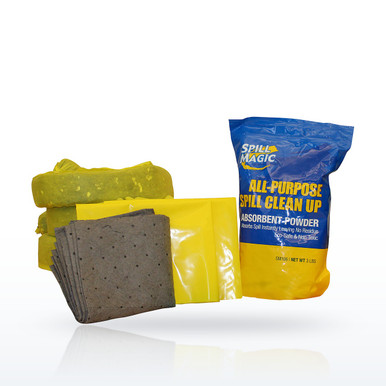
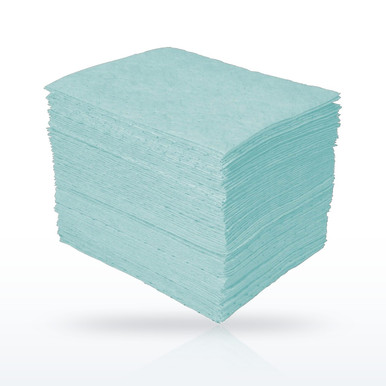
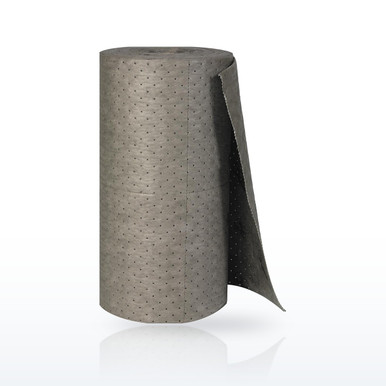
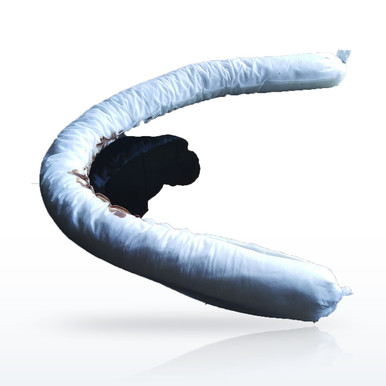


Chemical gloves, goggles, face shields, aprons and respirators are in their own finders. Bloodborne pathogen spill kits are in the first aid finder.
Questions people ask
Who is allowed to clean up a chemical spill?
The workers in the area, if it is an incidental release they can absorb, neutralize or control at the time with what is on hand, and they have the PPE and the hazard communication training for the product. An uncontrolled release is an emergency, and only responders trained under 1910.120(q) take it on. (1910.120(a)(3).)
What PPE do I need to clean up a chemical spill?
What the SDS section 8 and your employer’s PPE hazard assessment name for that chemical: chemical-resistant gloves, splash goggles or a face shield, a chemical apron or suit for splash, and a respirator with the right cartridge if there is vapor. (1910.132(d), 1910.133, 1910.138, 1910.134.)
What absorbs a chemical spill?
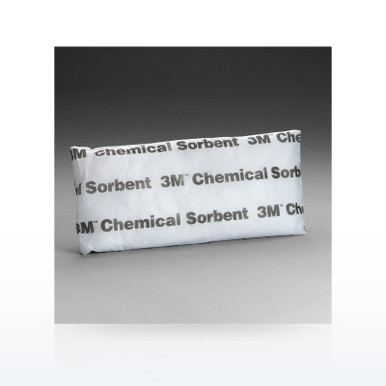
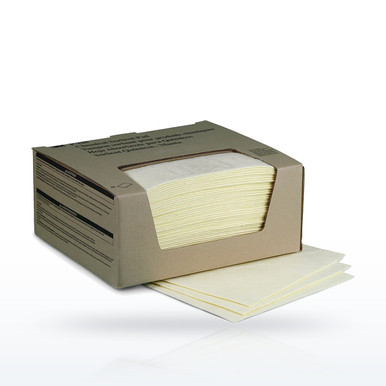
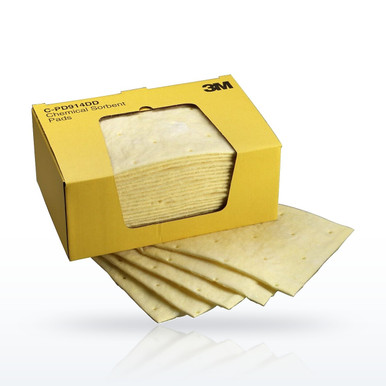
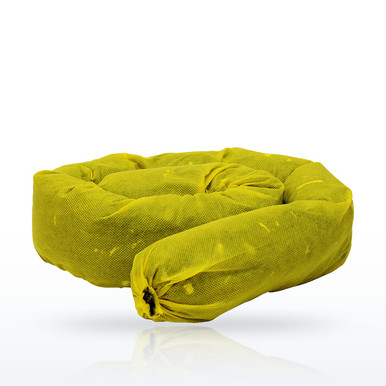
Hazmat (chemical) sorbent pads, socks, pillows and loose sorbent rated for the chemical, or a neutralizer for acids and caustics where the SDS allows it. Universal sorbent handles oils, coolants and water-based liquids. Never use sawdust or cellulose on an oxidizer.
Where is the spill procedure for a chemical?
Section 6 of its safety data sheet, accidental release measures, which has to be readily accessible in your work area on every shift. (1910.1200(g)(2)(vi) and (g)(8).)
How do you dispose of used absorbent pads?
As the waste they soaked up. You make a hazardous waste determination at the point of generation; if the chemical is listed or characteristic, the sorbent is hazardous waste for your hauler. Drained used-oil sorbent with no free-flowing oil is not regulated as used oil federally. (40 CFR 262.11; 40 CFR 279.10(c).)
Can oil-soaked absorbent pads go in the trash?
Often, if the oil is used oil, the pad is not dripping, and your state and your hauler allow it. Pads with gasoline, solvents or a hazardous chemical cannot. Check the state rule.
Does OSHA require a chemical spill kit?
OSHA requires suitable absorbent and salvage drums where spills may occur on a hazardous waste operations site, requires the PPE and the SDS for every workplace chemical, and requires floors kept free of spills. The kit is how a workplace meets those together. (1910.120(j)(1)(vii); 1910.132; 1910.1200; 1910.22(a)(3).)
What is the first thing to do when a chemical spills?
Stop and assess: what it is, how much, who is exposed, whether you can smell it. Then either treat it as incidental and get the SDS and PPE, or treat it as an emergency and leave and alert. Touching it comes last.
Related guides
What are sorbents?Pads, socks, booms, and oil-only vs universal vs hazmatWhat is a spill kit?What should be in oneHow to clean up an oil or diesel spillThe oil version of these stepsThe hazard communication standardLabels, SDSs and trainingWhat is an eyewash station?What 1910.151(c) requiresNitrile vs latex vs vinyl glovesWhich glove for which chemicalStandards and ratings on this page are as published in the documents named and by the manufacturers named. The employer’s hazard assessment and written program decide what applies at a given workplace. Verify a rating on the product and its spec sheet before use.