
What is NFPA, and which NFPA standards does OSHA reference?
NFPA, the National Fire Protection Association, is a private nonprofit founded in 1896 that publishes consensus codes and standards on fire, electrical and related hazards. Like ANSI standards, an NFPA document is voluntary until a government adopts it. OSHA has adopted a few NFPA documents by reference, each at a named edition: NFPA 101, the Life Safety Code, for exit routes; NFPA 30 for flammable liquids; NFPA 51B for welding fire protection; NFPA 1971 for fire fighter turnout gear; and a handful of older process standards. The two NFPA standards that matter most for PPE, 70E for electrical safety and arc flash and 2112 for flash fire clothing, are not incorporated. OSHA enforces the hazards they address through its own rules and the general duty clause, and uses 70E as the reference for how to comply.
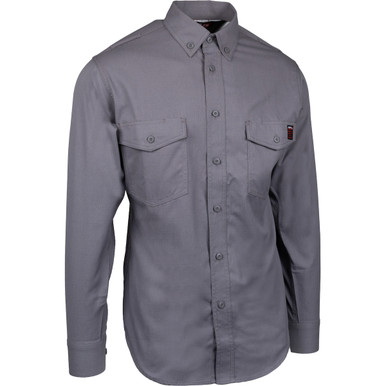 PIP 385-FRRS AR/FR ripstop long sleeve shirtNFPA 70E and NFPA 2112 certified, 9 cal/cm², as published by PIP
Why is 70E not in the OSHA rulebook if everyone uses it? OSHA’s electrical standards were written from the National Electrical Code, which is an installation code, not a work-practices document. In 1975 NFPA offered to write the workplace document OSHA needed, OSHA accepted, and the first edition of 70E came out in 1979. OSHA then wrote its own safety-related work practice rules, 1910.331 through .335, in language that tracks 70E, and left the detailed arc flash method to the NFPA committee, which revises it every three years. Incorporating a specific edition would freeze it. Leaving it out lets OSHA cite the hazard under its own rules and point to the current 70E as the recognized way to control it.
Which NFPA standards does OSHA incorporate by reference?
From the lists in 1910.6(x) and 1926.6(s). The edition named is the one that carries legal force.
What is NFPA 70E, and how does OSHA use it?
NFPA 70E, Standard for Electrical Safety in the Workplace, is the document that defines an electrically safe work condition, the arc flash risk assessment, arc flash and shock boundaries, the incident energy method and the PPE category tables, and the arc-rated clothing and equipment that go with each. The current edition is 2024; the committee revises it on a three-year cycle. It is not incorporated by reference in 1910.6 or 1926.6.
NFPA, NFPA 70E, Standard for Electrical Safety in the Workplace (2024 edition); 29 CFR 1910.6 and 1926.6 (70E not listed).OSHA enforces the same hazard through three of its own rules. 1910.335 requires electrical protective equipment and insulated tools for employees working near exposed energized parts. 1910.269(l)(8), for electric power generation, transmission and distribution, requires the employer to estimate incident heat energy and to provide arc-rated clothing with an arc rating at or above that estimate whenever it exceeds 2.0 cal/cm², and its Appendix E cites NFPA 70E-2012 Annex D as one accepted method for the estimate. For everything else, the general duty clause reaches an arc flash hazard the employer has not assessed, and 70E is the consensus evidence of what a reasonable employer does.
29 CFR 1910.335(a)(1); 1910.269(l)(8)(ii) and (v); 1910.269 Appendix E (NFPA 70E-2012 Annex D listed among the calculation methods); OSH Act section 5(a)(1).In practice: a facility that follows the current 70E, labels its equipment, and dresses its electricians to the incident energy or the PPE category has what OSHA asks for. The arc rating on a garment is an ATPV or EBT value in cal/cm² from the ASTM F1506 and F1959 tests; the manufacturer publishes it on the label and the spec sheet, and the band below shows it for each item.
29 CFR 1910.269 Appendix E (arc rating, ATPV, ASTM F1506); manufacturer spec sheets.What is NFPA 2112, and when does it apply?
NFPA 2112, Standard on Flame-Resistant Clothing for Protection of Industrial Personnel Against Short-Duration Thermal Exposures from Fire, sets the minimum design, performance, certification and testing requirements for flame-resistant fabric and garments used where there is a flash fire risk: oil and gas, refining, chemical processing, and any plant handling flammable gases, vapors or dusts. A garment is 2112 certified only if an independent certification organization has tested it, including the 3-second instrumented manikin flash fire test, and the certification mark is on the label. The current edition is 2023.
NFPA 2112, 2023 edition, scope and certification requirements as published by NFPA.OSHA does not incorporate 2112 and has no flash fire clothing rule of its own. The hazard is cited under the general PPE requirement in 1910.132(a), and in electric power work under 1910.269(l)(8)(iv), which requires a flame-resistant outer layer where an arc could ignite flammable material or the employee’s clothing. For oil and gas drilling, well servicing and production, OSHA’s 2010 enforcement memorandum tells inspectors to cite 1910.132(a), the general PPE rule, where flame-resistant clothing is not provided and used against a flash fire hazard, and says employers may consult NFPA 2112 and 2113 to comply. A garment that is both 70E and 2112 certified, which most of the catalog items below are, covers both the arc and the flash fire case.
29 CFR 1910.269(l)(8)(iv)(B) and (C); 1910.132(a); OSHA memorandum, Enforcement Policy for Flame-Resistant Clothing in Oil and Gas Drilling, Well Servicing, and Production-Related Operations (March 19, 2010); manufacturer labels for dual certification.What other NFPA documents come up in safety work?
- NFPA 70, the National Electrical Code: the installation code adopted by states and cities, and the source OSHA drew on for its electrical design standards in Subpart S. Not incorporated by OSHA at a named edition.
- NFPA 704: the hazard diamond on tanks and buildings, used by fire departments. OSHA’s hazard communication standard uses GHS labels instead and does not incorporate 704.
- NFPA 10: portable fire extinguishers. OSHA’s extinguisher rule, 1910.157, is written out in full rather than incorporating a current edition; only the 1970 NFPA 10A maintenance standard is incorporated, for construction.
- NFPA 1971, 1981 and 1982: structural fire fighting gear, SCBA for fire service, and PASS alarms. OSHA incorporates only the 1975 edition of 1971 for fire brigades.
- NFPA 99: health care facilities, cited on the catalog page of some cleanroom and anti-static garments; not an OSHA incorporation.
- NFPA 652 and the combustible dust standards: the technical basis for OSHA’s combustible dust National Emphasis Program; not incorporated.
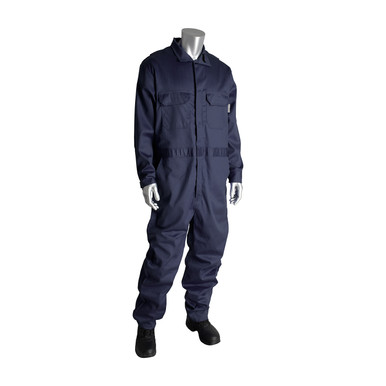
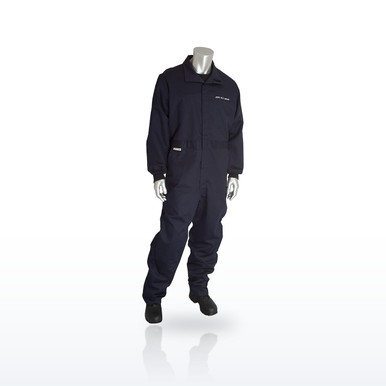
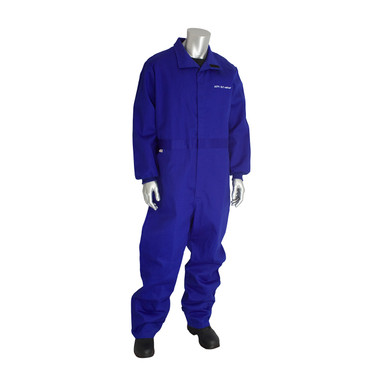
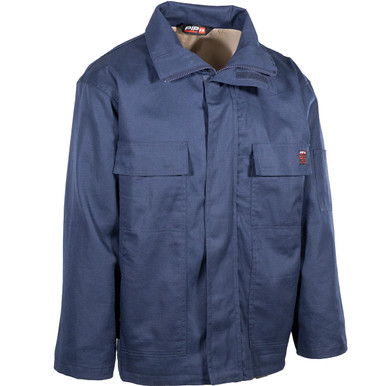
NFPA 70E and NFPA 2112 certified garments by arc rating
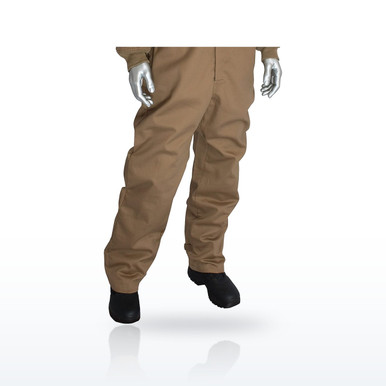
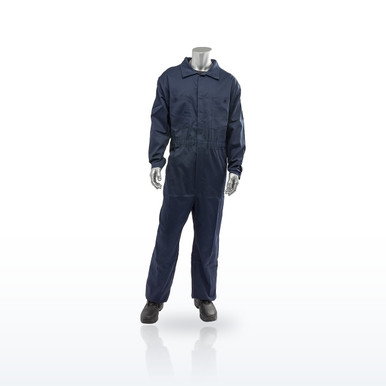
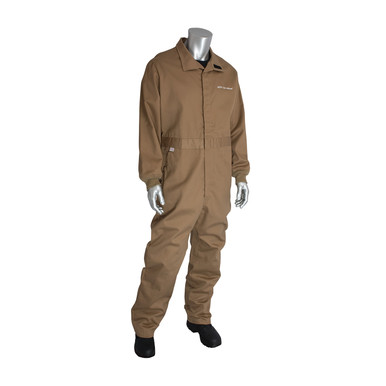
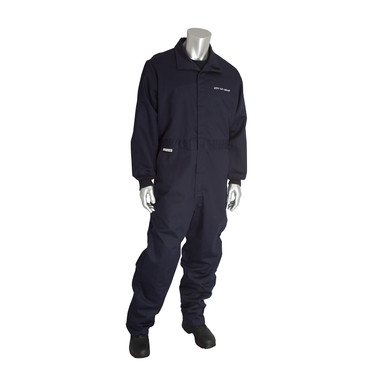
29 items · prices liveEach item shows the arc rating its manufacturer publishes in cal/cm², and the standards it lists (NFPA 70E, NFPA 2112, ASTM F1506) are on the product page. Certification is as stated by the manufacturer. Sizes and colors are on the product page. Contractor Direct orders ship free.
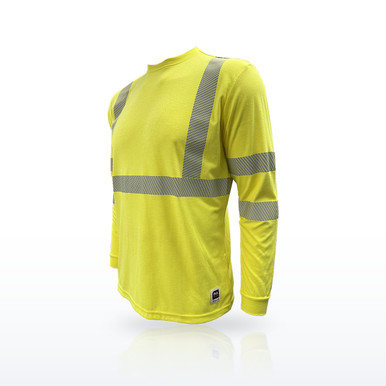
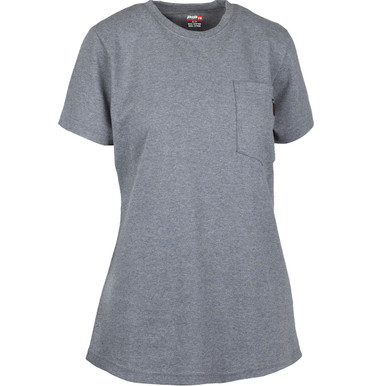
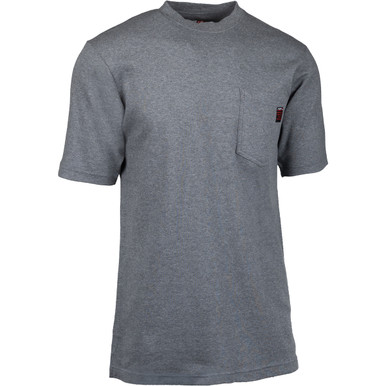
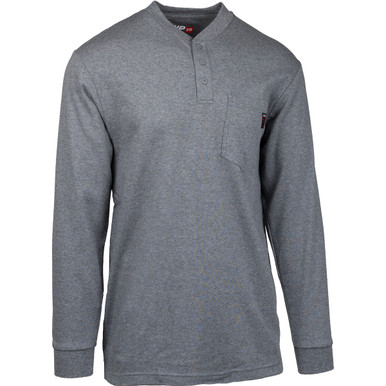
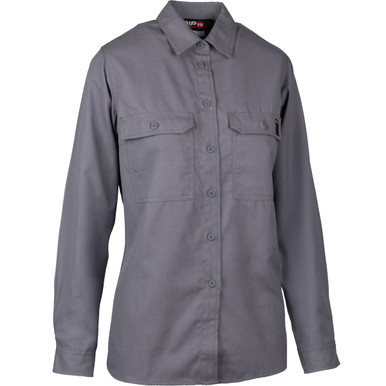
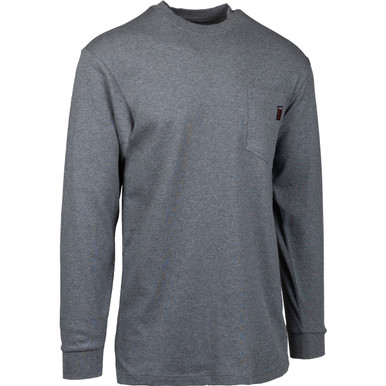
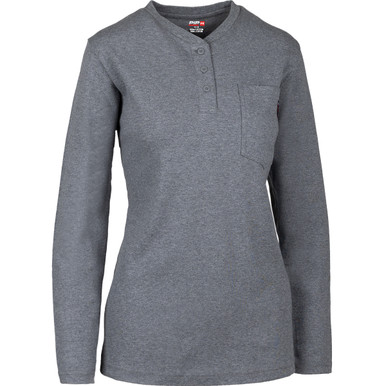
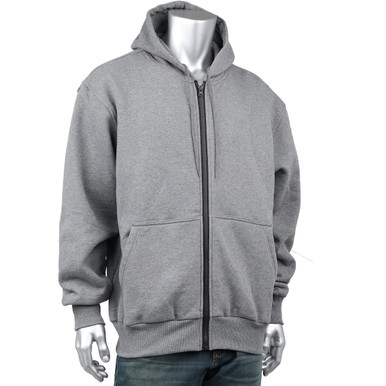
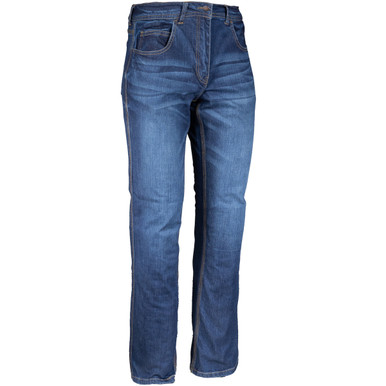
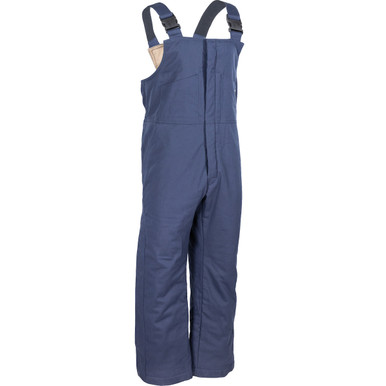
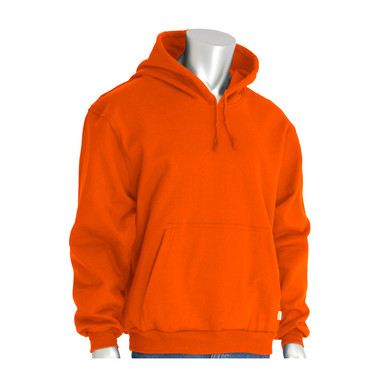
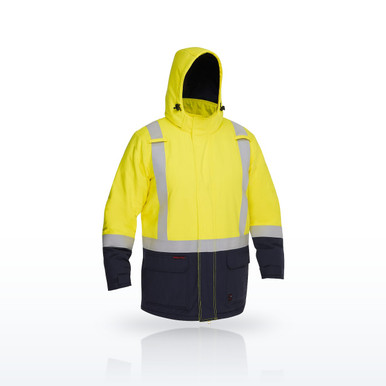
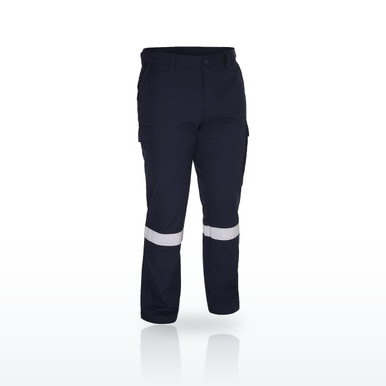
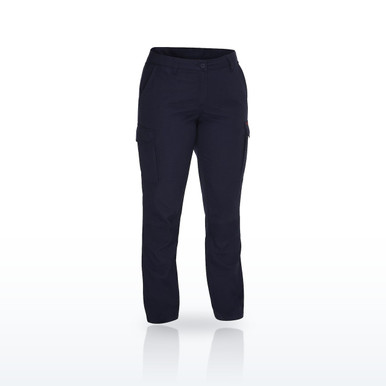
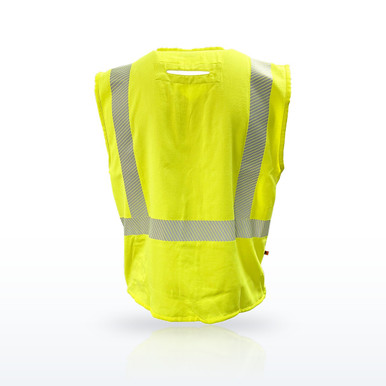

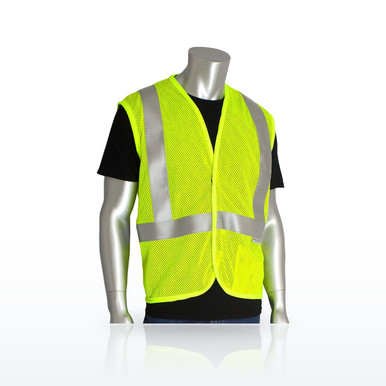
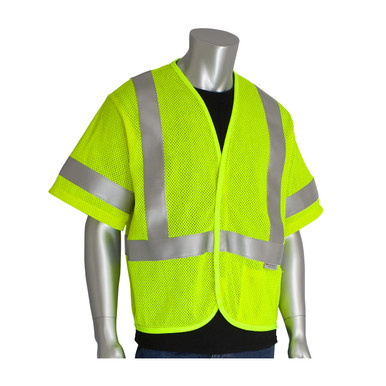
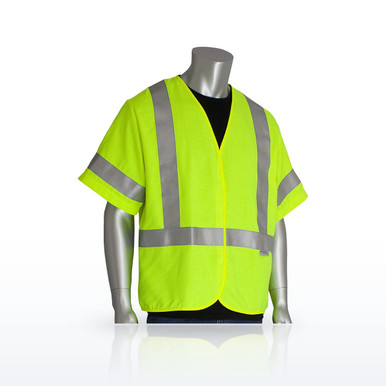
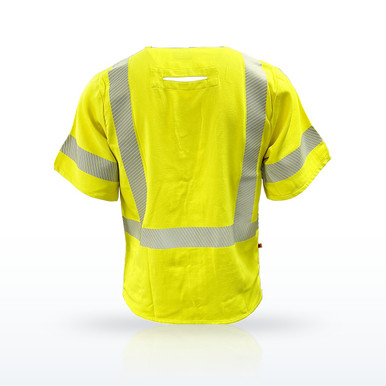
Arc-rated face shields, hoods and rubber insulating gloves are in the arc flash finder.
Questions people ask
What does NFPA stand for?
National Fire Protection Association, a nonprofit founded in 1896 that publishes consensus codes and standards on fire, electrical and related hazards.
Is NFPA 70E an OSHA regulation?
No. OSHA does not incorporate 70E by reference. OSHA enforces the arc flash hazard through 1910.335, 1910.269(l)(8) and the general duty clause, and treats the current 70E as the recognized method for controlling it.
Does OSHA require NFPA 2112 clothing?
Not by name. OSHA cites flash fire hazards under the general PPE rule, 1910.132(a), and in electric power work under 1910.269(l)(8)(iv). Its 2010 oil and gas enforcement memorandum says employers may consult NFPA 2112 and 2113 to comply.
Which NFPA standards does OSHA incorporate?
NFPA 101-2009 (exit routes), 30-1969, 51B-1962, 1971-1975, 30B-2007 and several older process standards in 1910.6(x); NFPA 10A, 13, 30, 80, 251 and 385 at 1960s and 1970 editions in 1926.6(s).
What is the difference between NFPA 70 and NFPA 70E?
NFPA 70 is the National Electrical Code, an installation code. NFPA 70E is the workplace safety standard for the people who work on and around that installation: shock and arc flash boundaries, risk assessment, PPE.
What is the current edition of NFPA 70E?
2024. NFPA revises it on a three-year cycle.
What is the current edition of NFPA 2112?
2023.
Can one garment be both 70E and 2112 certified?
Yes. Many arc-rated shirts, pants and coveralls carry an arc rating under ASTM F1506 for 70E use and a separate NFPA 2112 certification mark for flash fire; the label lists both.
Standards and ratings on this page are as published in the documents named and by the manufacturers named. The employer’s hazard assessment and written program decide what applies at a given workplace. Verify a rating on the product and its spec sheet before use.