
ANSI/ISEA 107 High-Visibility Safety Apparel: what it requires and the equipment it names
ANSI/ISEA 107 is the high-visibility apparel standard behind every Class 2 vest and Class 3 jacket on a job site. No OSHA paragraph incorporates it by name, but OSHA requires hi-vis garments for flaggers and highway workers through 1926.201 and the MUTCD, and cites 1926.95 and 1910.132 for other exposures; the garment label states the Type and Class the manufacturer certified. We sell nationwide; ships in 1–2 business days; most orders arrive in 3–7 business days.
The plain answer
ANSI/ISEA 107 is the American National Standard for High-Visibility Safety Apparel and Accessories. It is a voluntary consensus standard that manufacturers certify garments to; it becomes a requirement when a rule or contract invokes it, as the federal MUTCD does for workers on or near public roads (Class 2 or 3 garments), 23 CFR 634 does for workers in federal-aid highway rights of way, and 29 CFR 1926.201 does for flaggers through the MUTCD.
As PIP's published explainer of the 2020 edition and the manufacturers' labels state it, the standard sorts garments by Type: Type O (off-road, Class 1 only) for workers away from traffic, Type R (roadway, Class 2 or 3) for workers exposed to traffic, and Type P (public safety, Class 2 or 3) for emergency responders; and by Class, set by the minimum area of fluorescent background material and retroreflective material: Class 1 at 217 square inches of background and 155 of reflective, Class 2 at 775 and 201, Class 3 at 1,240 and 310, with Class E for pants, shorts and gaiters that raise a Class 2 top to a Class 3 ensemble. Background colors are fluorescent yellow-green, orange-red and red; reflective bands are at least 2 inches wide for Class 2 and 3 (1 inch for Class 1), encircle the torso and, for Class 3, the arms or legs; flame-resistant garments carry the FR mark with the standard they meet.
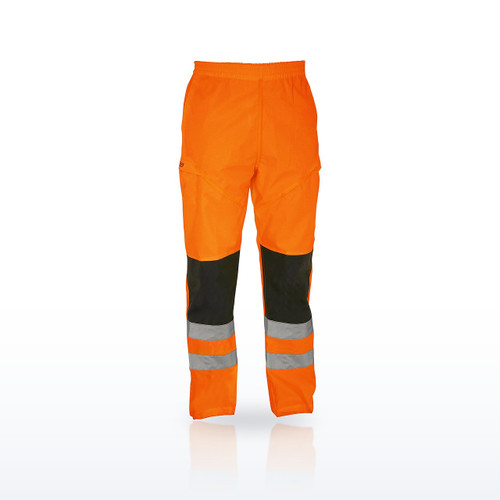
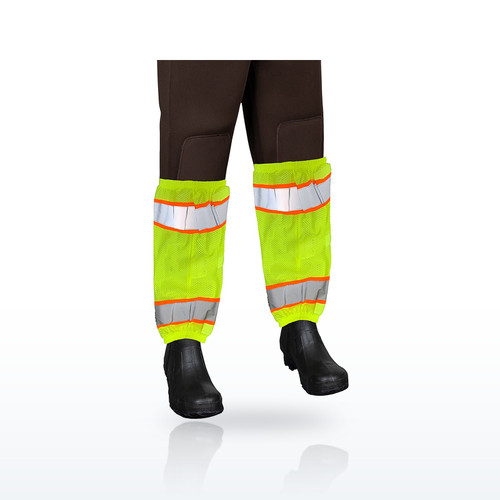
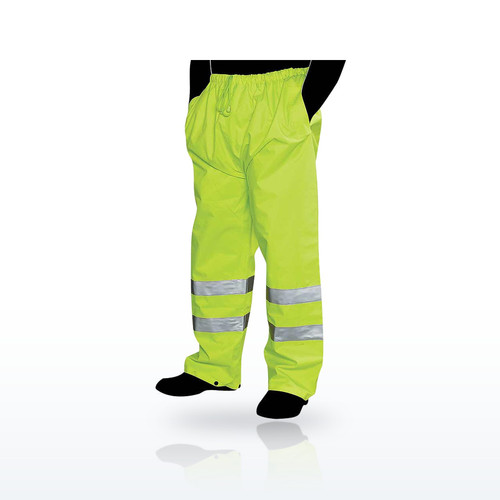
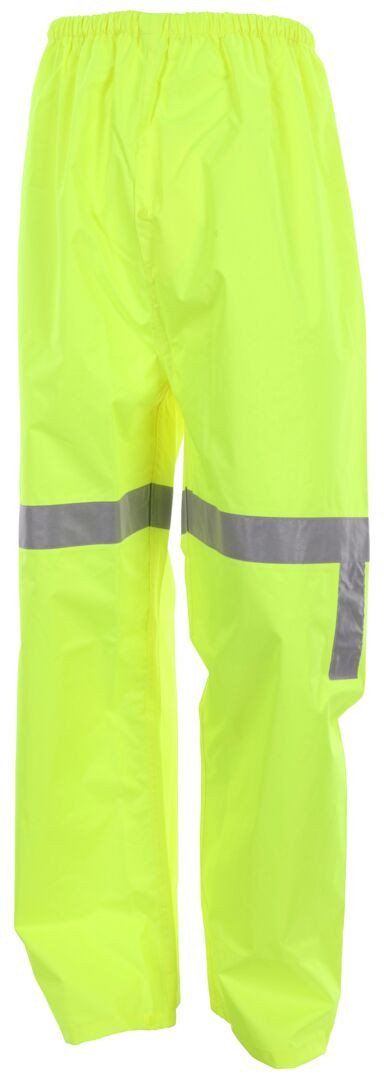
The equipment it names is vests, T-shirts and sweatshirts, jackets and parkas, rainwear, coveralls, bib overalls and pants, gaiters, and accessories such as armbands and hard hat covers, each with a label stating the edition, Type, Class, size and care; the manufacturer's product page states the same.
What the rule says
Each entry is condensed from the paragraph cited; the paragraph itself is the rule and the link opens it.
29 CFR 1926.201(a): Flaggers: signaling by flaggers and the garments they wear conform to the MUTCD (Part 6), which requires high-visibility apparel meeting ANSI/ISEA 107 Class 2 or Class 3 for flaggers and all workers within the right of way.
23 CFR 634.3: All workers within the right of way of a federal-aid highway who are exposed to traffic or construction equipment wear high-visibility safety apparel meeting ANSI/ISEA 107 Class 2 or 3 (the Federal Highway Administration rule, which the MUTCD extends to all public roads).
29 CFR 1926.95(a) and 1910.132(a): Where struck-by hazards from vehicles or equipment exist off the highway (plants, yards, warehouses, airports), OSHA cites the general PPE paragraphs and its letters of interpretation for requiring high-visibility garments, with the hazard assessment choosing the class.
29 CFR 1926.651(d): Excavations: employees exposed to public vehicular traffic wear warning vests or other suitable garments marked with or made of reflectorized or high-visibility material.
Source: 29 CFR, Occupational Safety and Health Standards, as published by OSHA (ecfr.gov), read Nov 9 2026.
What the standard sets out, as the manufacturers publish it
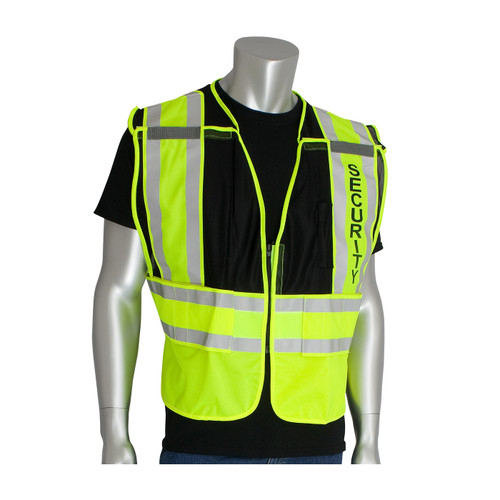
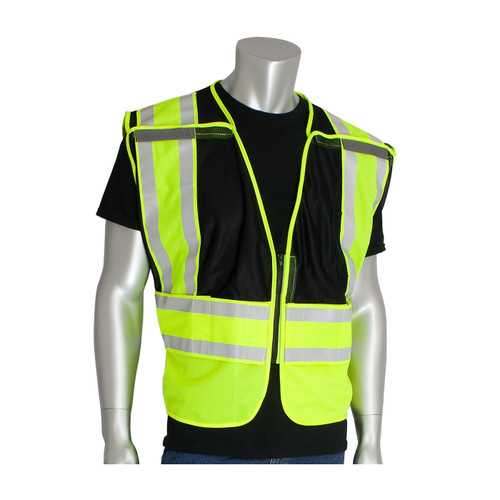
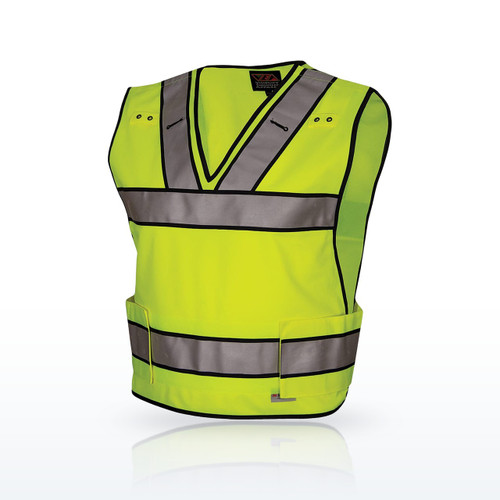
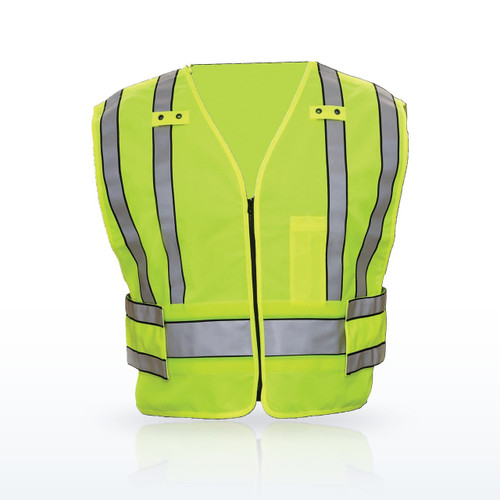
Types, as PIP's explainer of ANSI/ISEA 107-2020 states them: Type O (off-road) for workers in environments with no exposure to traffic beyond 25 mph and without vehicle or equipment hazards from moving traffic, available in Class 1 only; Type R (roadway and temporary traffic control) for workers exposed to traffic or to construction equipment, in Class 2 or Class 3; Type P (public safety) for emergency and incident responders and law enforcement, in Class 2 or Class 3 with provisions for equipment access.
Classes, by minimum material area: Class 1 requires 217 square inches of fluorescent background material and 155 square inches of retroreflective material (or 310 of combined-performance material) with bands at least 1 inch wide; Class 2 requires 775 square inches of background and 201 of reflective material with 1.375 inch bands (2 inches where a single band encircles the torso); Class 3 requires 1,240 square inches of background and 310 of reflective material with 2 inch bands, and must have sleeves or be worn with Class E pants so that the arms or legs carry reflective material; Class E (supplemental) covers pants, bib overalls, shorts and gaiters with 465 square inches of background and 108 of reflective material that, worn with a Class 2 or 3 top, make a Class 3 ensemble.
Materials and colors: background material is fluorescent yellow-green, fluorescent orange-red or fluorescent red meeting the chromaticity and luminance limits of the standard, and keeps its color through the stated number of wash cycles; retroreflective material meets the photometric performance of the standard (Level 1 or the higher Level 2) and the bands encircle the torso with a gap of no more than 50 mm; the label states the edition (107-2015 or 107-2020), Type, Class, size, flame resistance (FR, with the FR standard met, or a statement that the garment is not FR) and the maximum number of wash cycles.
Design options the manufacturers mark: breakaway vests whose panels separate under a 40 pound pull for workers near moving machinery, mesh versus solid fabric, segmented or heat-transfer reflective tape, and two-tone contrast material that does not count toward the background minimum.
Source: PIP, "ANSI/ISEA: 107-2020 High-Visibility Safety Apparel" (standards explainer, pages 1–2); manufacturers' garment labels and product pages (PIP, Radians, MCR Safety, Portwest, ML Kishigo); MUTCD Part 6 and 23 CFR 634 (fhwa.dot.gov); our guides on hi-vis classes and EN ISO 20471 vs ANSI/ISEA 107.
California (Cal/OSHA)
Each entry is condensed from the paragraph cited; the paragraph itself is the rule and the link opens it.
Title 8 §1598(c)-(d): Traffic control for public streets and highways: employees on foot exposed to the hazard of vehicular traffic wear warning garments such as vests, jackets or shirts manufactured to ANSI/ISEA 107-2004, with retroreflective garments during hours of darkness, under a traffic control system conforming to the California MUTCD.
Source: California Code of Regulations, Title 8, as published by Cal/OSHA (dir.ca.gov), read Nov 9 2026.
Equipment the rule names
| Equipment or condition | What the rule requires | Paragraph |
|---|---|---|
| Type O Class 1 | Off-road, no traffic over 25 mph; 217 sq in background, 155 sq in reflective | ANSI/ISEA 107 as labeled; PIP explainer |
| Type R Class 2 | Roadway workers and flaggers; 775 sq in background, 201 sq in reflective | ANSI/ISEA 107 as labeled; MUTCD |
| Type R Class 3 | Highest conspicuity, sleeves or Class E pants; 1,240 sq in background, 310 sq in reflective | ANSI/ISEA 107 as labeled; MUTCD |
| Type P Class 2 or 3 | Public safety responders; equipment access | ANSI/ISEA 107 as labeled |
| Class E pants, bibs, gaiters | 465 sq in background, 108 sq in reflective; with a Class 2 or 3 top makes a Class 3 ensemble | ANSI/ISEA 107 as labeled |
| Colors | Fluorescent yellow-green, orange-red, red | ANSI/ISEA 107 as labeled |
| FR hi-vis | FR mark with the standard met (ASTM F1506, NFPA 2112, ASTM F1891) | ANSI/ISEA 107 as labeled; manufacturers' statements |
| Breakaway vests | Panels separate at 40 lb pull | Manufacturers' statements |
Source: 29 CFR, Occupational Safety and Health Standards, as published by OSHA (ecfr.gov), read Nov 9 2026.
What we carry for it
Each table lists products whose manufacturer data states the rating or the standard the rule names, every brand we carry that does, with the current price. Sizes and versions are chosen on the product page. The selector linked under each table holds every item of that type.
Type R Class 2 vests
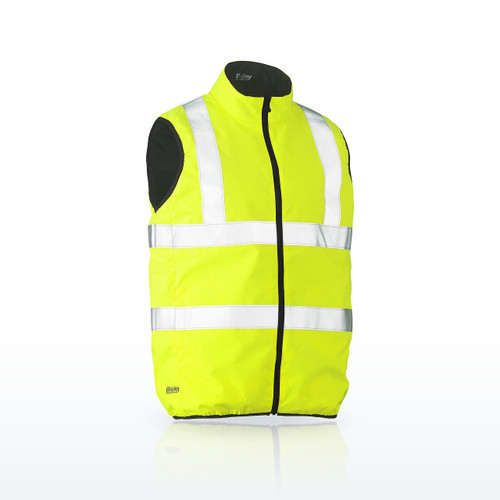
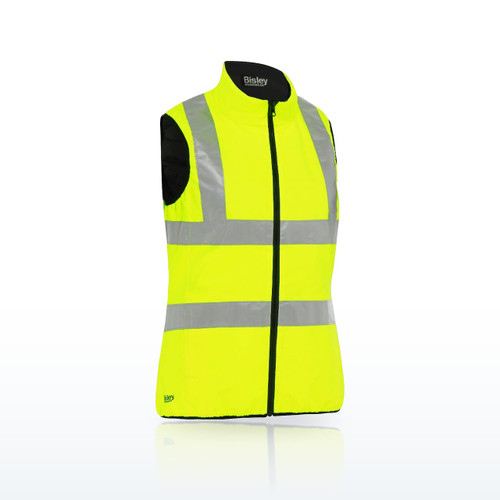
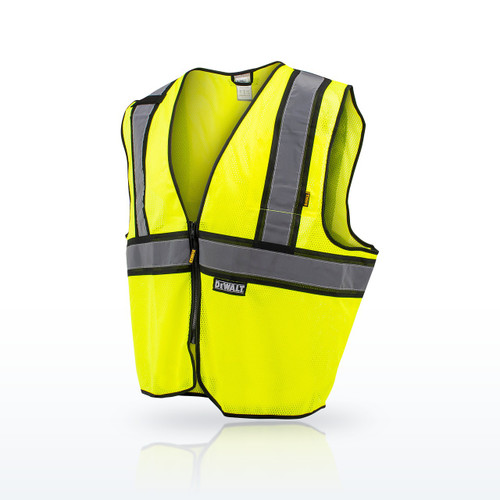
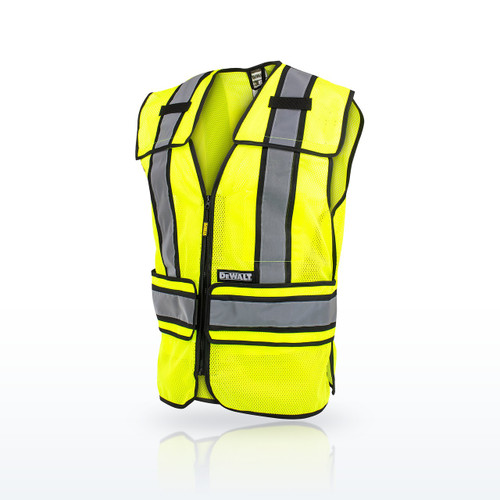

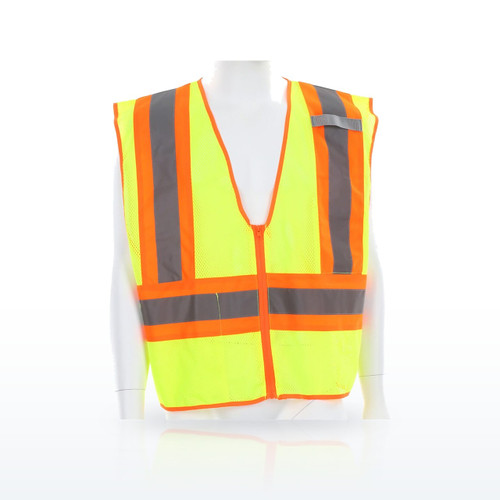


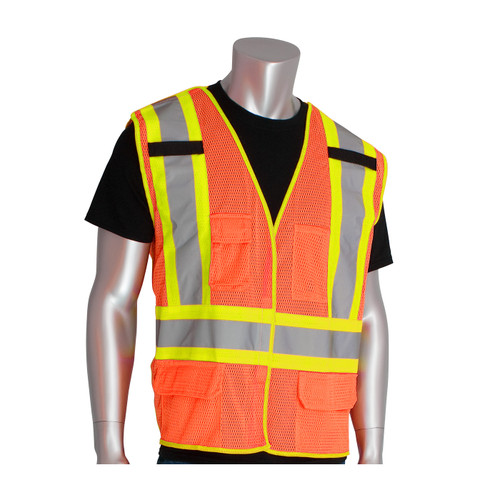
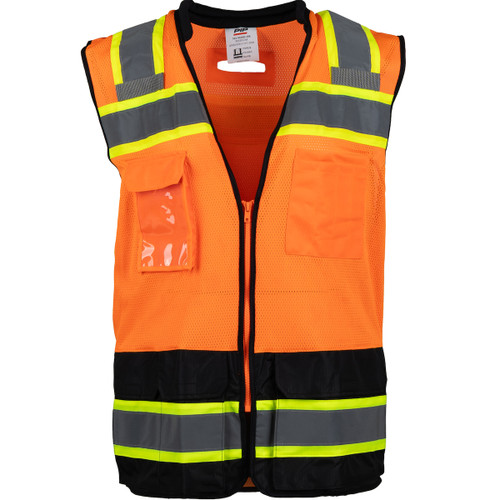


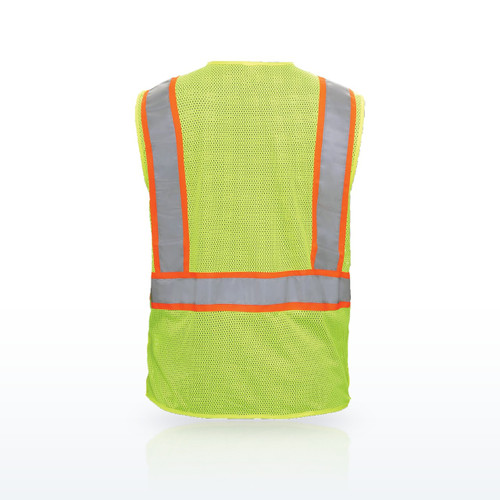
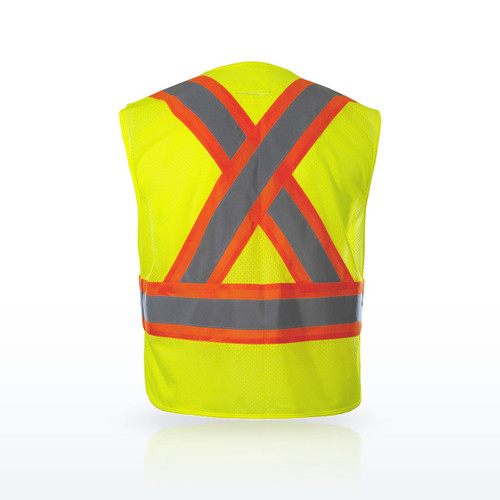
More: every Class 2 vest by brand.
Source: the manufacturers' product pages, specification sheets and catalogs as reproduced on each product page; the ratings and standards shown are the manufacturers' own statements, and the products listed are those whose published data names the rating or the standard, not a selection by Bayshore Safety.
Type R Class 3 vests, shirts and jackets
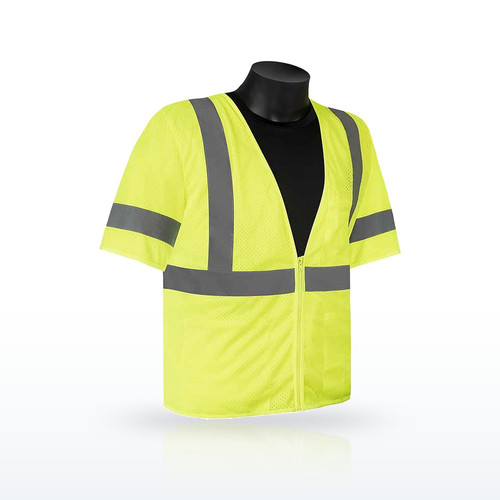
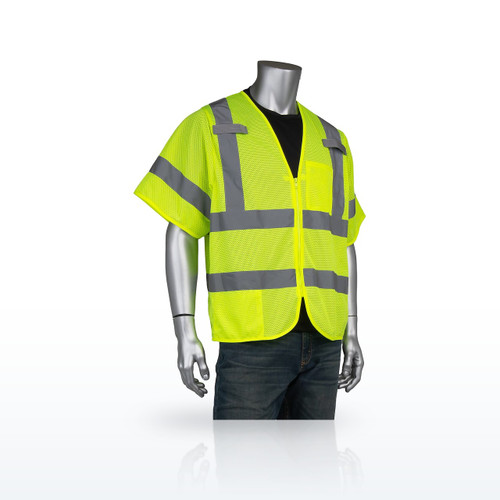

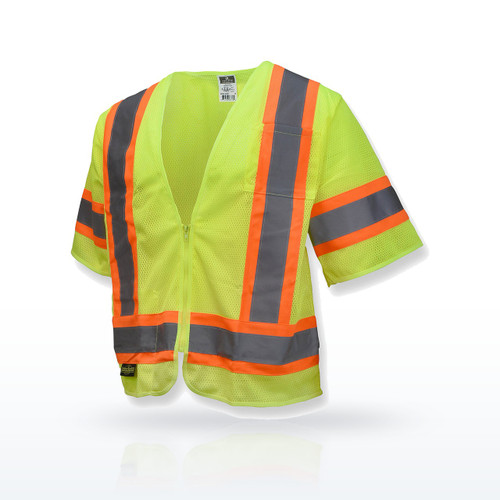
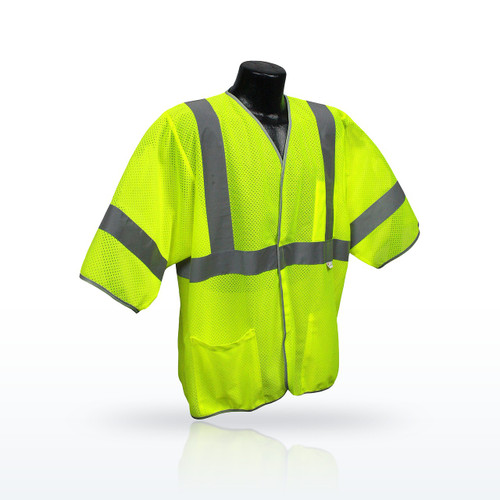
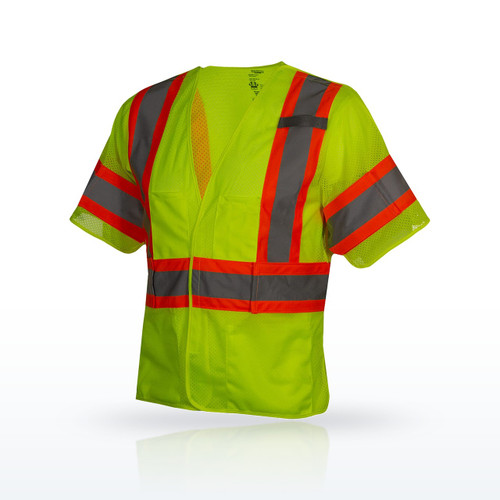
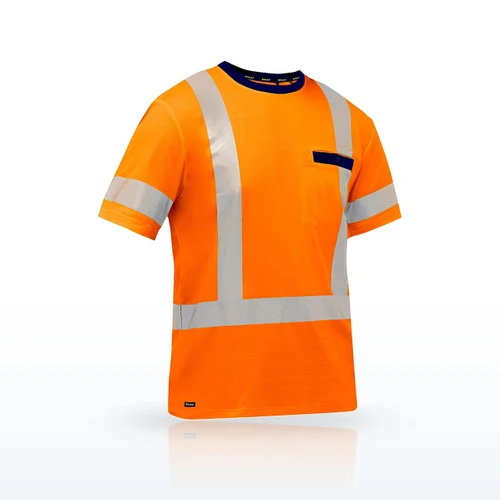
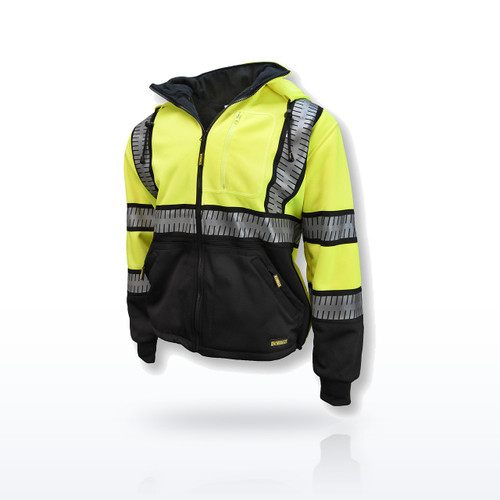

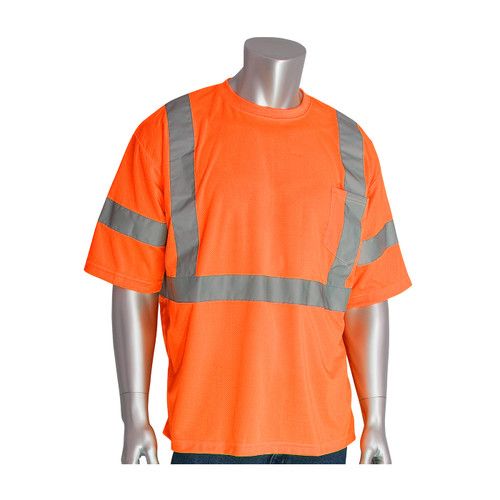
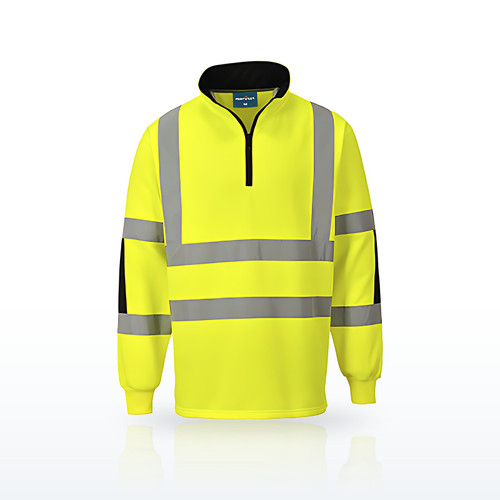
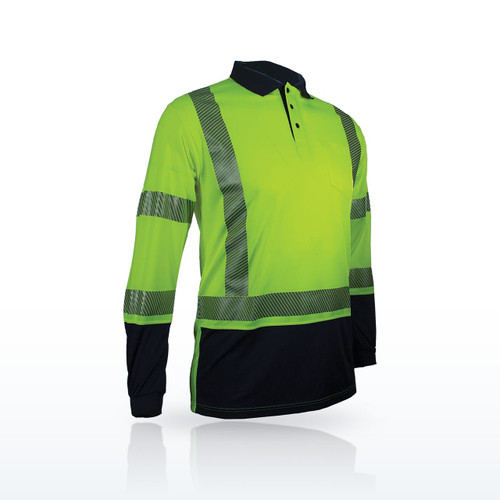
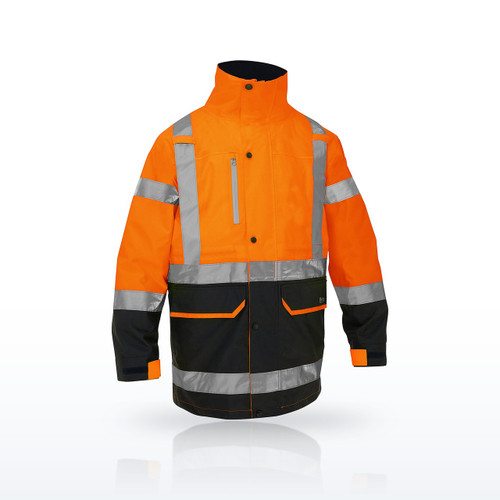
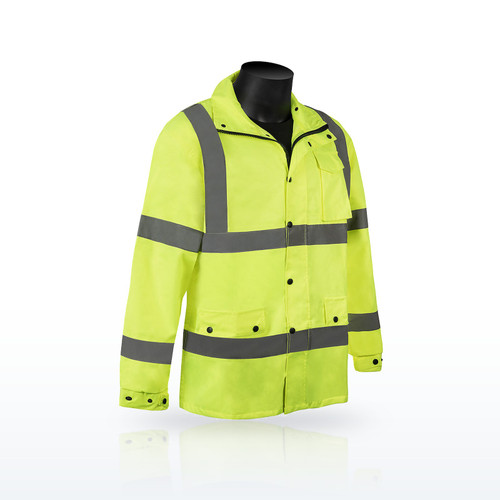
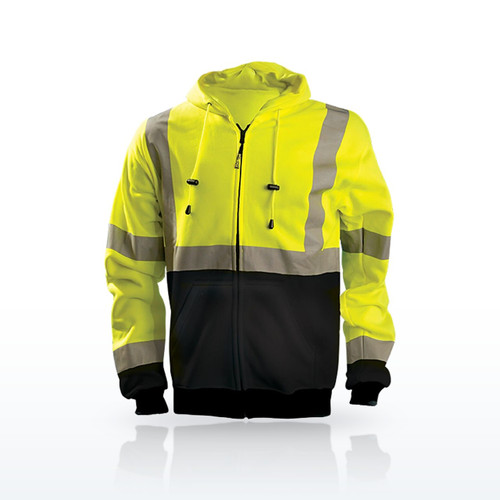
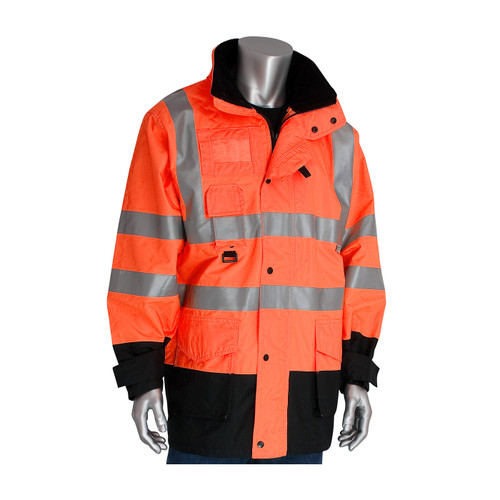

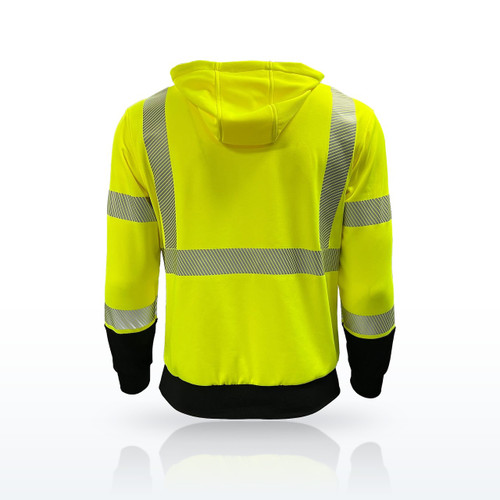
More: every Class 3 garment.
Source: the manufacturers' product pages, specification sheets and catalogs as reproduced on each product page; the ratings and standards shown are the manufacturers' own statements, and the products listed are those whose published data names the rating or the standard, not a selection by Bayshore Safety.
Class E pants, bibs and rainwear
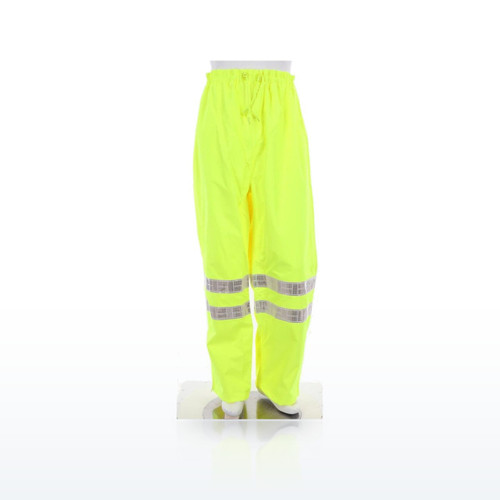
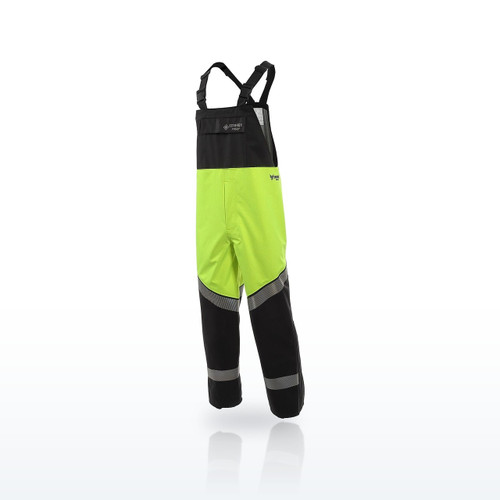
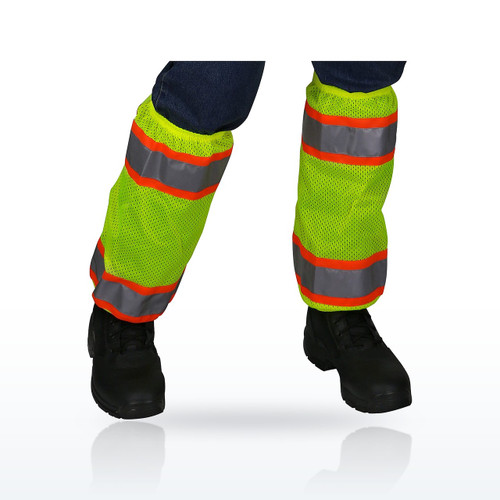
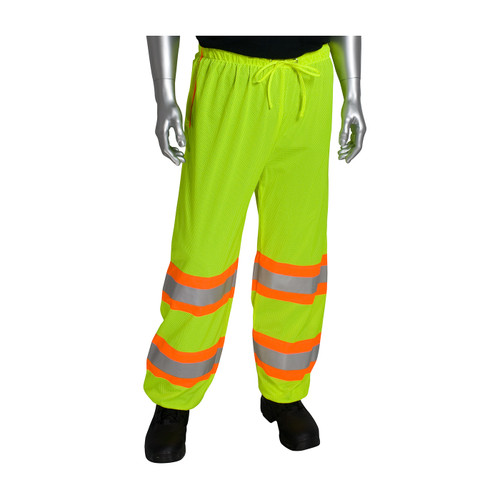
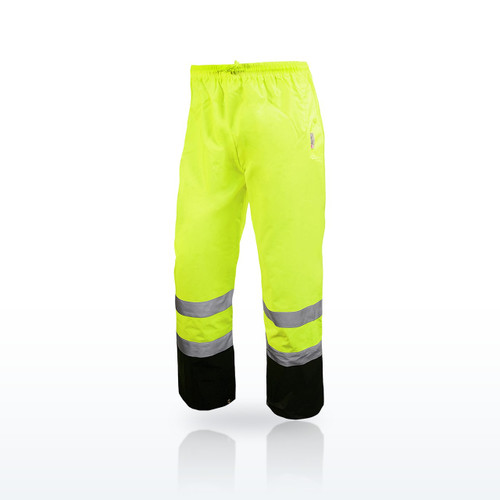
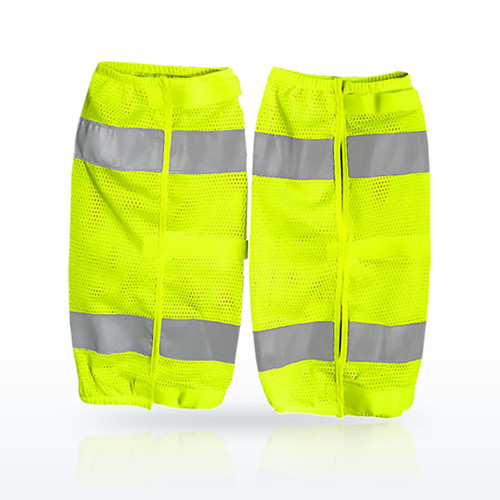
More: every Class E pant, bib and gaiter.
Source: the manufacturers' product pages, specification sheets and catalogs as reproduced on each product page; the ratings and standards shown are the manufacturers' own statements, and the products listed are those whose published data names the rating or the standard, not a selection by Bayshore Safety.
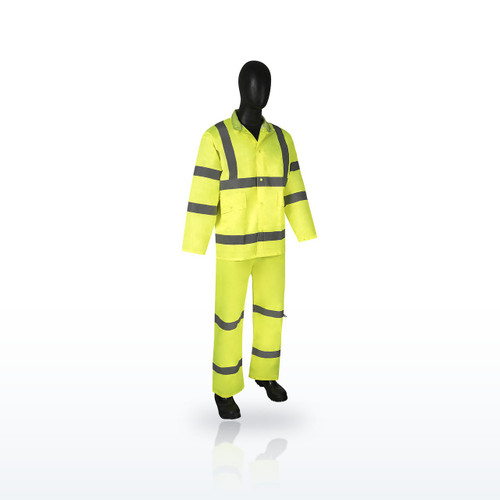
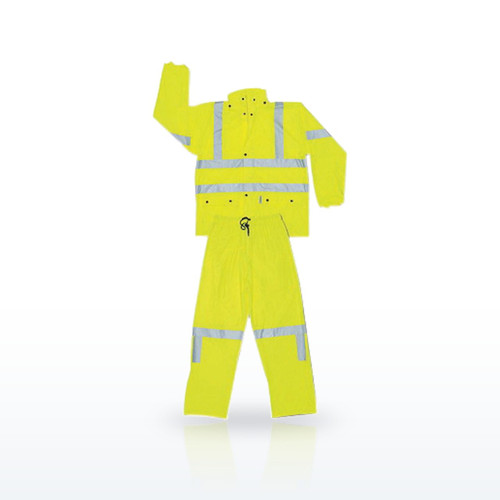
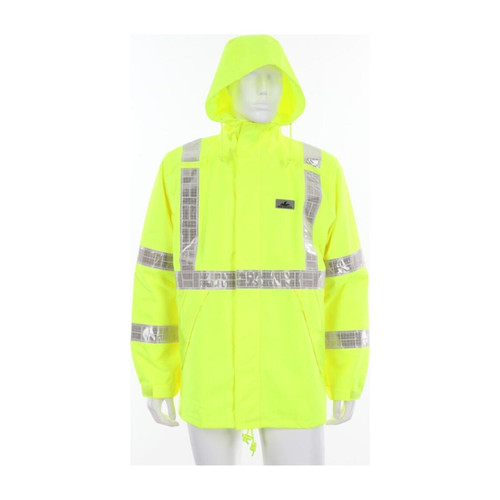
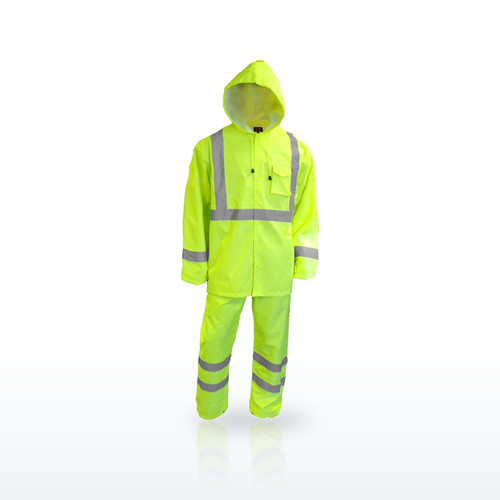
Class 3 rainwear
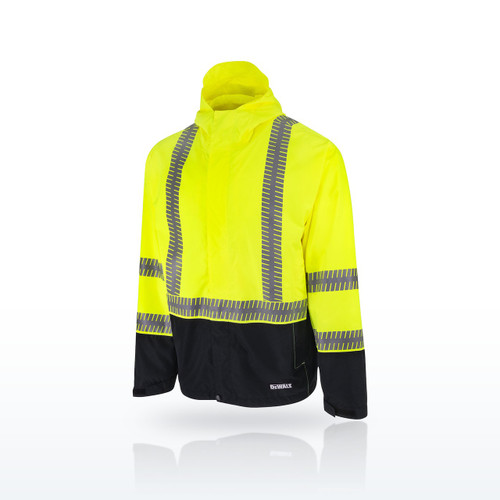
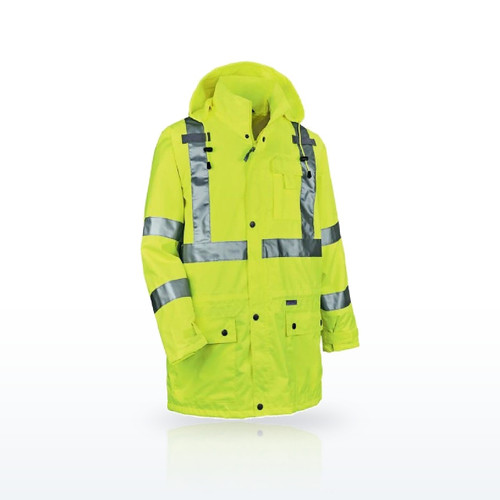

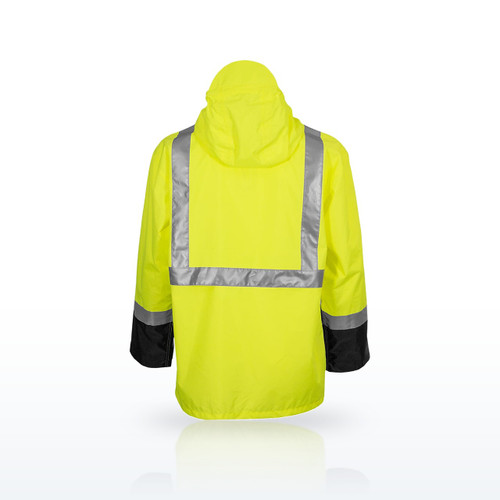
More: every Class 3 rain jacket and bib.
Source: the manufacturers' product pages, specification sheets and catalogs as reproduced on each product page; the ratings and standards shown are the manufacturers' own statements, and the products listed are those whose published data names the rating or the standard, not a selection by Bayshore Safety.
Type O Class 1 and Type P garments
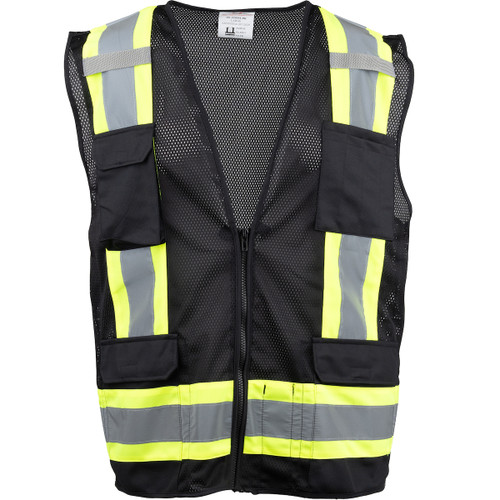
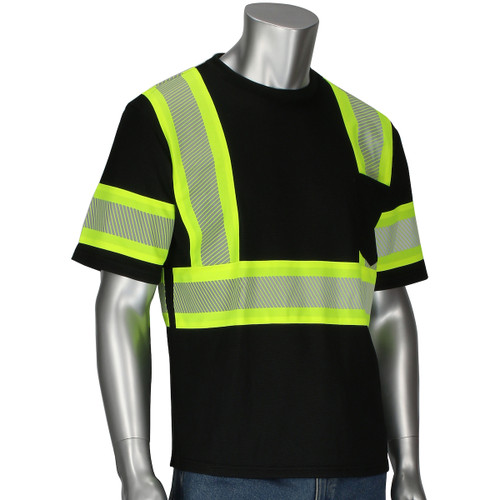

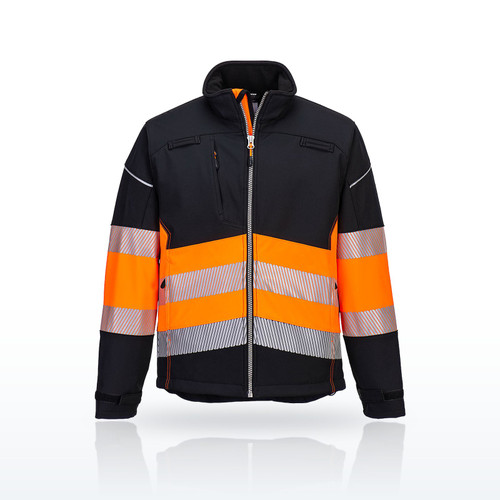
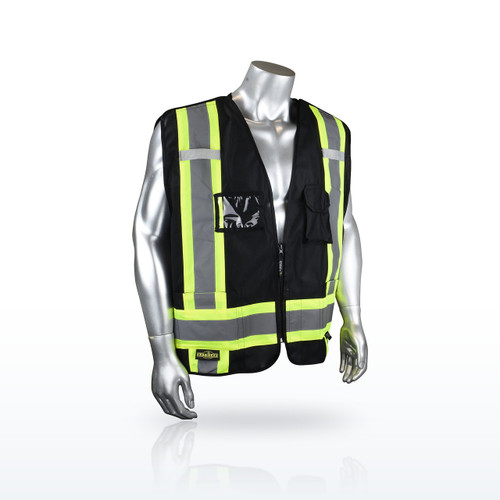
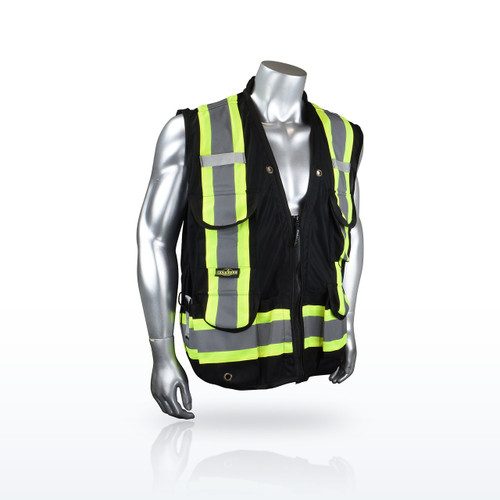
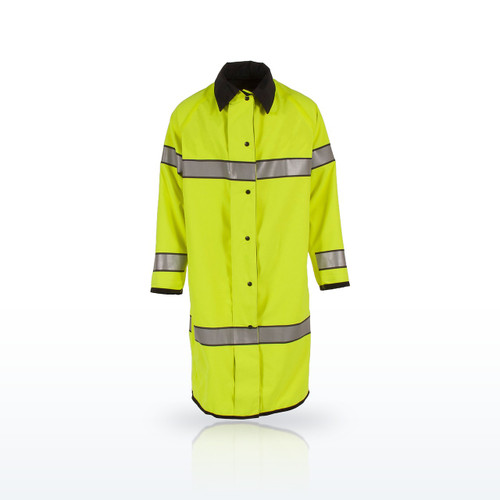
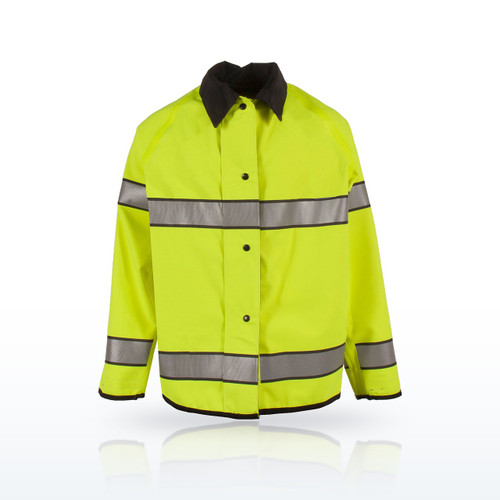
More: every Type O and Type P garment.
Source: the manufacturers' product pages, specification sheets and catalogs as reproduced on each product page; the ratings and standards shown are the manufacturers' own statements, and the products listed are those whose published data names the rating or the standard, not a selection by Bayshore Safety.
FR hi-vis garments
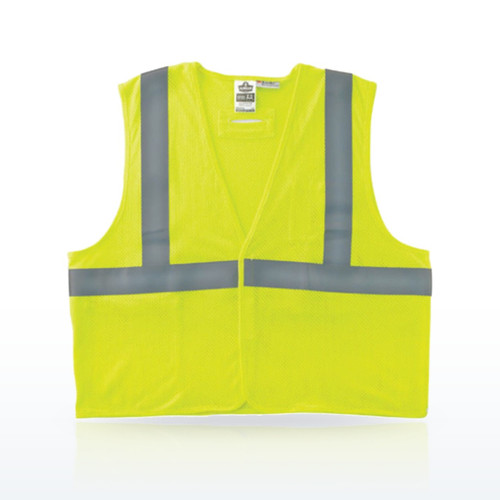
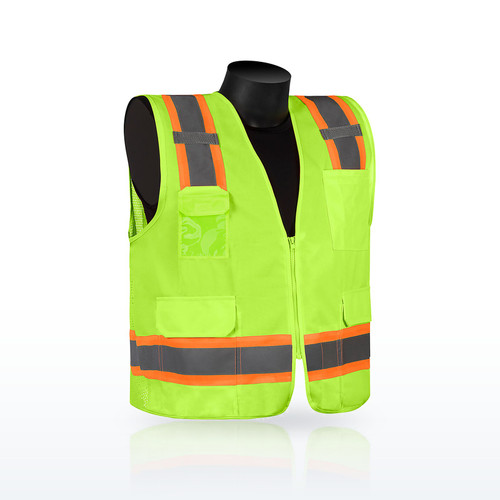

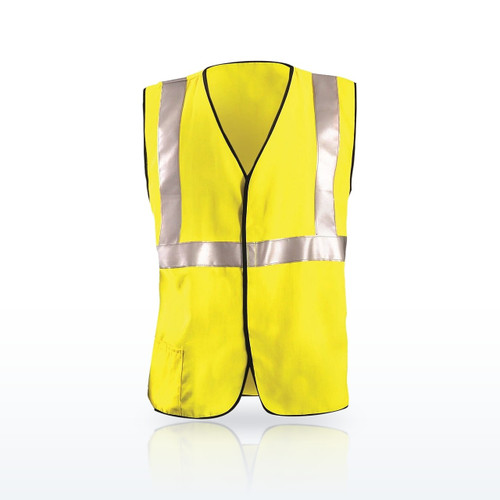
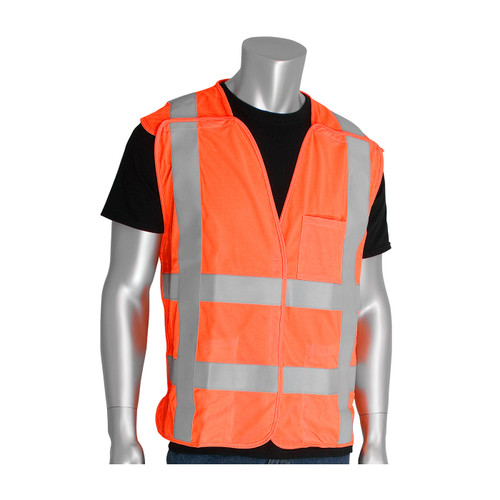
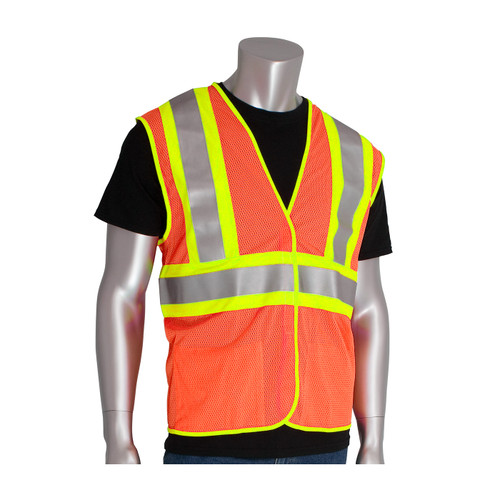
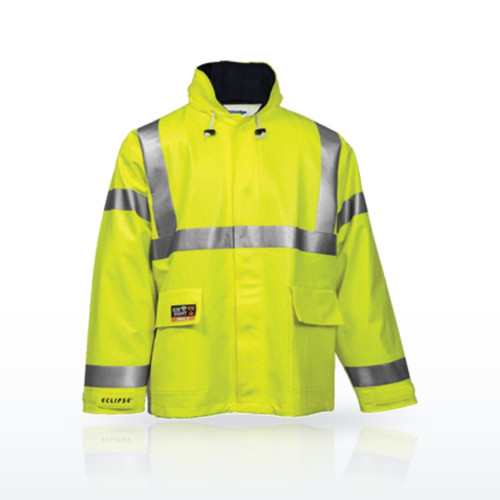
More: every FR hi-vis garment.
Source: the manufacturers' product pages, specification sheets and catalogs as reproduced on each product page; the ratings and standards shown are the manufacturers' own statements, and the products listed are those whose published data names the rating or the standard, not a selection by Bayshore Safety.
Guides that go further
Are yellow or orange safety vests better · EN ISO 20471 vs ANSI/ISEA 107 · What PPE does OSHA require on a construction site · What does PPE stand for, and what are the types of personal protective equipment · Hi-vis clothing by class, every garment.
ANSI/ISEA 107 High-Visibility Safety Apparel questions
What does ANSI 107 mean? ANSI/ISEA 107 is the American National Standard for High-Visibility Safety Apparel and Accessories. A garment labeled with it has the fluorescent background material, retroreflective bands, color and design the standard requires for the Type (O, R or P) and Class (1, 2, 3 or E) on the label, as certified by the manufacturer.
What is the minimum ANSI 107 class for flaggers? Class 2 under the MUTCD (Section 6E.02), which 29 CFR 1926.201(a) adopts for flaggers, with Class 3 required at night or where traffic speeds or conditions call for it; 23 CFR 634 requires Class 2 or 3 for everyone in a federal-aid highway right of way exposed to traffic.
What is the difference between Class 1, 2 and 3 safety vests? The amount of material: Class 1 has at least 217 square inches of fluorescent background and 155 of reflective, Class 2 775 and 201, Class 3 1,240 and 310, and Class 3 must have sleeves or be worn with Class E pants so the arms or legs carry reflective bands. Class 1 is Type O (off-road) only; Classes 2 and 3 come as Type R (roadway) or Type P (public safety).
Does a Class 3 safety vest have to have sleeves? Under ANSI/ISEA 107 a Class 3 garment must have reflective material on the arms or legs, so a Class 3 vest has sleeves (short sleeves count); a sleeveless Class 2 vest worn with Class E pants makes a Class 3 ensemble instead, which is what the manufacturers' labels say.
When should you wear a Class 3 garment? The standard and the manufacturers describe Class 3 for the highest exposure: workers near traffic over 50 mph, at night or in low light, and wherever the full range of body motions must be visible; the MUTCD requires Class 3 for flaggers and workers under those conditions, and the employer's hazard assessment decides elsewhere.
What are the key differences between ANSI 107-2015 and 107-2020? As PIP's explainer states, the 2020 edition kept the Types and Classes, clarified the sizing (smaller Class 2 garments are allowed in a single size with the same material minimums), tightened the single-band torso requirement to 2 inches, revised the FR labeling language, and added gaiters and shorts under Class E; garments labeled 107-2015 remain in service. The 2026 revision manufacturers are beginning to label keeps the same structure.
The ratings, test results and standards shown here are the manufacturers' published values, reproduced as published. Nothing on this page is a recommendation by Bayshore Safety that any product is suitable for a particular task, hazard or workplace. Selecting safety products and protective equipment is the responsibility of the end user and the employer, based on their own hazard assessment and the regulations that apply to their work. Confirm every value on the manufacturer's own documentation before use.