
1 gas Monitors
145 1 gas monitors from every brand we carry, listed with what each manufacturer publishes.
Pick a type, brand, gas, sampling or battery; the list below narrows as you choose.
145 products
Ratings and specifications are as published by each manufacturer. Tap a group to open it.
 Single-Gas Monitors92 products
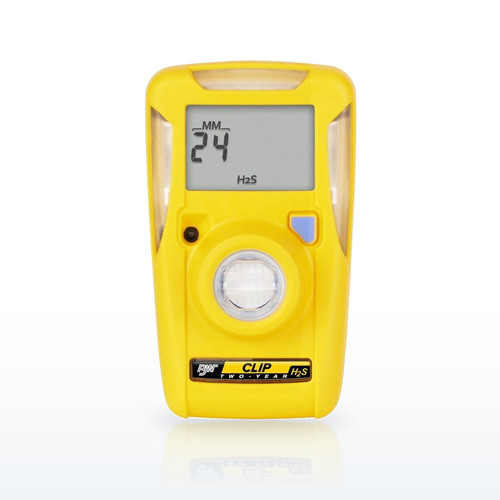
- BW Technologies BWC2-H Clip H2S Monitor, 10/15 ppm Alarms, 2-year — BW Technologies / Honeywell Analytics · Gases detected: H2S · Gases: 1 gas · Sampling: Diffusion · Battery: Lithium (Non-Replaceable) · Sensor ranges: H2S 0-100ppm · Approvals: Class I Div 1 Groups A, B, C, D
- BW Technologies BWC2-H515 Clip H2S Monitor, 5/15 ppm Alarms, 2-year — BW Technologies / Honeywell Analytics · Gases detected: H2S · Gases: 1 gas · Sampling: Diffusion · Battery: Lithium (Non-Replaceable) · Sensor ranges: H2S 0-100ppm · Approvals: Class I Div 1 Groups A, B, C, D
- BW Technologies BWC2-M Clip Portable CO Monitor, 35/200 ppm Alarms, 2-year — BW Technologies / Honeywell Analytics · Gases detected: CO · Gases: 1 gas · Sampling: Diffusion · Battery: Lithium (Non-Replaceable) · Sensor ranges: CO 0-300ppm · Approvals: Class I Div 1 Groups A, B, C, D
- BW Technologies BWC2-M25100 Clip Portable CO Monitor, 25/100 ppm Alarms, 2-year — BW Technologies / Honeywell Analytics · Gases detected: CO · Gases: 1 gas · Sampling: Diffusion · Battery: Lithium (Non-Replaceable) · Sensor ranges: CO 0-300ppm · Approvals: Class I Div 1 Groups A, B, C, D
- BW Technologies BWC2-M50200 Clip Portable CO Monitor, 50/200 ppm Alarms, 2-year — BW Technologies / Honeywell Analytics · Gases detected: CO · Gases: 1 gas · Sampling: Diffusion · Battery: Lithium (Non-Replaceable) · Sensor ranges: CO 0-300ppm · Approvals: Class I Div 1 Groups A, B, C, D
- BW Technologies BWC2-S Clip SO2 Detector, 2-year — BW Technologies / Honeywell Analytics · Gases detected: SO2 · Gases: 1 gas · Sampling: Diffusion · Battery: Lithium (Non-Replaceable) · Sensor ranges: SO2 0-100ppm · Approvals: Class I Div 1 Groups A, B, C, D
- BW Technologies BWC2-S24 Clip SO2 Detector, 2/4 ppm Alarms, 2-year — BW Technologies / Honeywell Analytics · Gases detected: SO2 · Gases: 1 gas · Sampling: Diffusion · Battery: Lithium (Non-Replaceable) · Sensor ranges: SO2 0-100ppm · Approvals: Class I Div 1 Groups A, B, C, D
- BW Technologies BWC2-X Clip Oxygen Monitor, 19.5/23.5% Alarms, 2-year — BW Technologies / Honeywell Analytics · Gases detected: O2 · Gases: 1 gas · Sampling: Diffusion · Battery: Lithium (Non-Replaceable) · Sensor ranges: O2 0-25%vol · Approvals: Class I Div 1 Groups A, B, C, D
- BW Technologies BWC2R-H Clip Real Time H2S Monitor, 2-year real time — BW Technologies / Honeywell Analytics · Gases detected: H2S · Gases: 1 gas · Sampling: Diffusion · Battery: Lithium (Non-Replaceable) · Sensor ranges: H2S 0-100ppm · Approvals: Class I Div 1 Groups A, B, C, D
- BW Technologies BWC2R-H510 Clip Real Time H2S Monitor, 5/10 ppm Alarms — BW Technologies / Honeywell Analytics · Gases detected: H2S · Gases: 1 gas · Sampling: Diffusion · Battery: Lithium (Non-Replaceable) · Sensor ranges: H2S 0-100ppm · Approvals: Class I Div 1 Groups A, B, C, D
- BW Technologies BWC2R-M Clip Real Time Portable CO Monitor, 2-year real time — BW Technologies / Honeywell Analytics · Gases detected: CO · Gases: 1 gas · Sampling: Diffusion · Battery: Lithium (Non-Replaceable) · Sensor ranges: CO 0-300ppm · Approvals: Class I Div 1 Groups A, B, C, D
- BW Technologies BWC2R-M25100 Clip Real Time Portable CO Monitor — BW Technologies / Honeywell Analytics · Gases detected: CO · Gases: 1 gas · Sampling: Diffusion · Battery: Lithium (Non-Replaceable) · Sensor ranges: CO 0-300ppm · Approvals: Class I Div 1 Groups A, B, C, D
- BW Technologies BWC2R-S Clip Real Time SO2 Detector, 5/10 ppm Alarms — BW Technologies / Honeywell Analytics · Gases detected: SO2 · Gases: 1 gas · Sampling: Diffusion · Battery: Lithium (Non-Replaceable) · Sensor ranges: SO2 0-100ppm · Approvals: Class I Div 1 Groups A, B, C, D
- BW Technologies BWC2R-X Clip Real Time Oxygen Monitor, 19.5/23.5% Alarms — BW Technologies / Honeywell Analytics · Gases detected: O2 · Gases: 1 gas · Sampling: Diffusion · Battery: Lithium (Non-Replaceable) · Sensor ranges: O2 0-25%vol · Approvals: Class I Div 1 Groups A, B, C, D
- BW Technologies BWC3-H Clip 3-Year H2S Monitor, 10/15 ppm Alarms, 3-year — BW Technologies / Honeywell Analytics · Gases detected: H2S · Gases: 1 gas · Sampling: Diffusion · Battery: Lithium (Non-Replaceable) · Sensor ranges: H2S 0-100ppm · Approvals: Class I Div 1 Groups A, B, C, D
- BW Technologies BWC3-H510 Clip 3-Year H2S Monitor, 5/10 ppm Alarms, 3-year — BW Technologies / Honeywell Analytics · Gases detected: H2S · Gases: 1 gas · Sampling: Diffusion · Battery: Lithium (Non-Replaceable) · Sensor ranges: H2S 0-100ppm · Approvals: Class I Div 1 Groups A, B, C, D
- BW Technologies BWC3-M Clip 3-Year Portable CO Monitor, 3-year — BW Technologies / Honeywell Analytics · Gases detected: CO · Gases: 1 gas · Sampling: Diffusion · Battery: Lithium (Non-Replaceable) · Sensor ranges: CO 0-300ppm · Approvals: Class I Div 1 Groups A, B, C, D
- BW Technologies BWC3R-M Clip 3-Year Real Time Portable CO Monitor — BW Technologies / Honeywell Analytics · Gases detected: CO · Gases: 1 gas · Sampling: Diffusion · Battery: Lithium (Non-Replaceable) · Sensor ranges: CO 0-300ppm · Approvals: Class I Div 1 Groups A, B, C, D
- BW Technologies BWS-TC-1 Honeywell BW Test Cap, for Solo — BW Technologies / Honeywell Analytics · Gases detected: NH3 · Gases: 1 gas · Sampling: Diffusion · Approvals: Class I Div 1 Groups A, B, C, D, T4
- BW Technologies BWS1-A-Y Solo Ammonia Detector, Wireless — BW Technologies / Honeywell Analytics · Gases detected: NH3 · Gases: 1 gas · Sampling: Diffusion · Battery: ER14335 2/3AA Lithium Thionyl Chloride Battery · Sensor ranges: NH3 0-1000ppm · Approvals: Class I, Division 1, Groups A, B, C, D, T4; FCC ID: SU3BWS1
- BW Technologies BWS1-A2-Y Solo Ammonia Detector, Extended range, Wireless — BW Technologies / Honeywell Analytics · Gases detected: NH3 · Gases: 1 gas · Sampling: Diffusion · Battery: ER14335 2/3AA Lithium Thionyl Chloride Battery · Sensor ranges: NH3 0-1000ppm · Approvals: Class I, Division 1, Groups A, B, C, D, T4; FCC ID: SU3BWS1
- BW Technologies BWS1-BL-Y Solo CO2 Monitor, Wireless — BW Technologies / Honeywell Analytics · Gases detected: CO2 · Gases: 1 gas · Sampling: Diffusion · Battery: ER14335 2/3AA Lithium Thionyl Chloride Battery · Approvals: Class I, Division 1, Groups A, B, C, D, T4; FCC ID: SU3BWS1
- BW Technologies BWS1-C-Y Solo Chlorine Gas Detector, Wireless — BW Technologies / Honeywell Analytics · Gases detected: Cl2 · Gases: 1 gas · Sampling: Diffusion · Battery: ER14335 2/3AA Lithium Thionyl Chloride Battery · Sensor ranges: Cl2 0-50ppm · Approvals: Class I, Division 1, Groups A, B, C, D, T4; FCC ID: SU3BWS1
- BW Technologies BWS1-D-B Solo NO2 Detector, Black, Wireless — BW Technologies / Honeywell Analytics · Gases detected: NO2 · Gases: 1 gas · Sampling: Diffusion · Battery: ER14335 2/3AA Lithium Thionyl Chloride Battery · Sensor ranges: NO2 0-100ppm · Approvals: Class I, Division 1, Groups A, B, C, D, T4; FCC ID: SU3BWS1
- BW Technologies BWS1-G-Y Solo Ozone Detector, Wireless — BW Technologies / Honeywell Analytics · Gases detected: O3 · Gases: 1 gas · Sampling: Diffusion · Battery: ER14335 2/3AA Lithium Thionyl Chloride Battery · Sensor ranges: O3 0-1ppm · Approvals: Class I, Division 1, Groups A, B, C, D, T4; FCC ID: SU3BWS1
- BW Technologies BWS1-HL-B Solo H2S Monitor, Black, Wireless — BW Technologies / Honeywell Analytics · Gases detected: H2S · Gases: 1 gas · Sampling: Diffusion · Battery: ER14335 2/3AA Lithium Thionyl Chloride Battery · Sensor ranges: H2S 0-200ppm · Approvals: Class I, Division 1, Groups A, B, C, D, T4; FCC ID: SU3BWS1
- BW Technologies BWS1-HL-Y Solo H2S Monitor, Wireless — BW Technologies / Honeywell Analytics · Gases detected: H2S · Gases: 1 gas · Sampling: Diffusion · Battery: ER14335 2/3AA Lithium Thionyl Chloride Battery · Sensor ranges: H2S 0-200ppm · Approvals: Class I, Division 1, Groups A, B, C, D, T4; FCC ID: SU3BWS1
- BW Technologies BWS1-M2-Y Solo Portable CO Monitor, Hydrogen-resistant CO — BW Technologies / Honeywell Analytics · Gases detected: CO · Gases: 1 gas · Sampling: Diffusion · Battery: ER14335 2/3AA Lithium Thionyl Chloride Battery · Sensor ranges: CO 0-2000ppm · Approvals: Class I, Division 1, Groups A, B, C, D, T4; FCC ID: SU3BWS1
- BW Technologies BWS1-ML-Y Solo Portable CO Monitor, Wireless — BW Technologies / Honeywell Analytics · Gases detected: CO · Gases: 1 gas · Sampling: Diffusion · Battery: ER14335 2/3AA Lithium Thionyl Chloride Battery · Sensor ranges: CO 0-2000ppm · Approvals: Class I, Division 1, Groups A, B, C, D, T4; FCC ID: SU3BWS1
- BW Technologies BWS1-P-Y Solo Phosphine Detector, Wireless — BW Technologies / Honeywell Analytics · Gases detected: PH3 · Gases: 1 gas · Sampling: Diffusion · Battery: ER14335 2/3AA Lithium Thionyl Chloride Battery · Sensor ranges: PH3 0-5ppm · Approvals: Class I, Division 1, Groups A, B, C, D, T4; FCC ID: SU3BWS1
- BW Technologies BWS1-S-Y Solo SO2 Detector, Wireless — BW Technologies / Honeywell Analytics · Gases detected: SO2 · Gases: 1 gas · Sampling: Diffusion · Battery: ER14335 2/3AA Lithium Thionyl Chloride Battery · Sensor ranges: SO2 0-100ppm · Approvals: Class I, Division 1, Groups A, B, C, D, T4; FCC ID: SU3BWS1
- BW Technologies BWS1-V-Y Solo Chlorine Dioxide Detector, Wireless — BW Technologies / Honeywell Analytics · Gases detected: ClO2 · Gases: 1 gas · Sampling: Diffusion · Battery: ER14335 2/3AA Lithium Thionyl Chloride Battery · Sensor ranges: ClO2 0-1ppm · Approvals: Class I, Division 1, Groups A, B, C, D, T4; FCC ID: SU3BWS1
- BW Technologies BWS1-XL-Y Solo Oxygen Monitor, Wireless — BW Technologies / Honeywell Analytics · Gases detected: O2 · Gases: 1 gas · Sampling: Diffusion · Battery: ER14335 2/3AA Lithium Thionyl Chloride Battery · Sensor ranges: O2 0-30%vol · Approvals: Class I, Division 1, Groups A, B, C, D, T4; FCC ID: SU3BWS1
- BW Technologies BWS1-Z-B Solo HCN Detector, Black, Wireless — BW Technologies / Honeywell Analytics · Gases detected: HCN · Gases: 1 gas · Sampling: Diffusion · Battery: ER14335 2/3AA Lithium Thionyl Chloride Battery · Sensor ranges: HCN 0-100ppm · Approvals: Class I, Division 1, Groups A, B, C, D, T4; FCC ID: SU3BWS1
- BW Technologies BWS1-Z-Y Solo HCN Detector, Wireless — BW Technologies / Honeywell Analytics · Gases detected: HCN · Gases: 1 gas · Sampling: Diffusion · Battery: ER14335 2/3AA Lithium Thionyl Chloride Battery · Sensor ranges: HCN 0-100ppm · Approvals: Class I, Division 1, Groups A, B, C, D, T4; FCC ID: SU3BWS1
- BW Technologies XT-00H0-Y-NA Max XT II H2S Monitor — BW Technologies / Honeywell Analytics · Gases detected: H2S · Gases: 1 gas · Sampling: Pump (sample draw) · Battery: Yes · Sensor ranges: H2S 0-200 ppm · Approvals: ATEX: X g II 1 G Ga Ex ia IIC T4; BR-Exia IIC T4
- BW Technologies XT-X000-Y-NA Max XT II Oxygen Monitor — BW Technologies / Honeywell Analytics · Gases detected: O2 · Gases: 1 gas · Sampling: Pump (sample draw) · Battery: Yes · Sensor ranges: O2 0 to 30.0% · Approvals: ATEX: X g II 1 G Ga Ex ia IIC T4; BR-Exia IIC T4
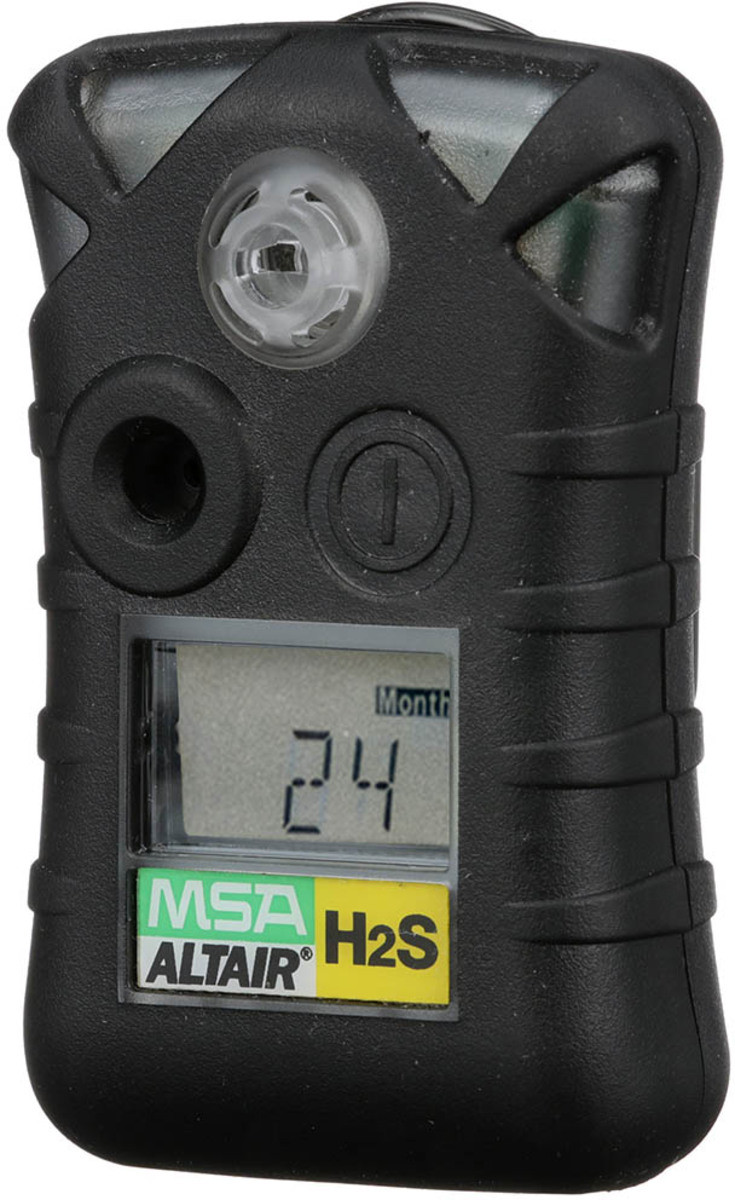
- MSA 10071361 ALTAIR Single-Gas H2S Monitor, 5/10 ppm Alarms — MSA · Gases detected: H2S · Gases: 1 gas · Sampling: Diffusion · Battery: Sealed · Sensor ranges: H2S alarms 10 ppm first, 15 ppm second (alternate set point models 10/20, 5/10 and 7/14 ppm) · Approvals: CSA; ATEX
- MSA 10071364 ALTAIR Single-Gas Oxygen Monitor, 19.5/18.0% Alarms — MSA · Gases detected: O2 · Gases: 1 gas · Sampling: Diffusion · Battery: Sealed · Sensor ranges: O2 alarms 19.5% vol, 23% vol (alternate set point model 19.5% / 18%) · Approvals: CSA; ATEX
- MSA 10074137 ALTAIR Pro Oxygen Monitor, 19.5/23.0% Alarms, Black — MSA · Gases detected: O2 · Gases: 1 gas · Sampling: Diffusion · Battery: 3 V CR2 battery (MSA 10074132) · Sensor ranges: O2 alarms 19.50% low, 23.00% high (alternate set point model 18.00% / 19.50%) · Approvals: CSA; IECEx
- MSA 10076717 ALTAIR Pro Chlorine Dioxide Detector, 0.1/0.3 ppm Alarms — MSA · Gases detected: ClO2 · Gases: 1 gas · Sampling: Diffusion · Battery: 3 V CR2 battery (MSA 10074132) · Sensor ranges: ClO2 alarms 0.1 ppm low, 0.3 ppm high, STEL 0.3 ppm, TWA 0.1 ppm · Approvals: CSA; IECEx
- MSA 10092521 ALTAIR Single-Gas H2S Monitor, 10/15 ppm Alarms, Black — MSA · Gases detected: H2S · Gases: 1 gas · Sampling: Diffusion · Battery: Sealed · Sensor ranges: H2S alarms 10 ppm first, 15 ppm second (alternate set point models 10/20, 5/10 and 7/14 ppm) · Approvals: CSA; ATEX
- MSA 10092522 ALTAIR Single-Gas Portable CO Monitor, 25/100 ppm Alarms — MSA · Gases detected: CO · Gases: 1 gas · Sampling: Diffusion · Battery: Sealed · Sensor ranges: CO alarms 25 ppm first, 100 ppm second (alternate set point models 30/60 and 35/100 ppm) · Approvals: CSA; ATEX
- MSA 10092523 ALTAIR Single-Gas Oxygen Monitor, 19.5/23.0% Alarms, Black — MSA · Gases detected: O2 · Gases: 1 gas · Sampling: Diffusion · Battery: Sealed · Sensor ranges: O2 alarms 19.5% vol, 23% vol (alternate set point model 19.5% / 18%) · Approvals: CSA; ATEX
- MSA 10153984 ALTAIR 2X H2S Monitor, 10/15 ppm Alarms, 2XP — MSA · Gases detected: H2S · Gases: 1 gas · Sampling: Diffusion · Battery: Replaceable lithium battery · Sensor ranges: H2S 0-200 ppm (H2S-LC 0-100 ppm) · Approvals: CSA Class I Div 1 Groups A, B, C, D; ATEX; IECEx
- MSA 10153986 ALTAIR 2X Portable CO Monitor, 25/100 ppm Alarms, 2X — MSA · Gases detected: CO · Gases: 1 gas · Sampling: Diffusion · Battery: Replaceable lithium battery · Sensor ranges: CO 0-1999 ppm (XCell CO/H2S two-tox or single) · Approvals: CSA Class I Div 1 Groups A, B, C, D; ATEX; IECEx
- MSA 10154077 ALTAIR 2X SO2 Detector, 2/5 ppm Alarms, 2X — MSA · Gases detected: SO2 · Gases: 1 gas · Sampling: Diffusion · Battery: Replaceable lithium battery · Sensor ranges: SO2 0-20 ppm · Approvals: CSA Class I Div 1 Groups A, B, C, D; ATEX; IECEx
- MSA 10154078 ALTAIR 2X NO2 Detector, 2.5/5 ppm Alarms, 2X — MSA · Gases detected: NO2 · Gases: 1 gas · Sampling: Diffusion · Battery: Replaceable lithium battery · Sensor ranges: NO2 0-50 ppm · Approvals: CSA Class I Div 1 Groups A, B, C, D; ATEX; IECEx
- MSA 10154079 ALTAIR 2X Ammonia Detector, 25/50 ppm Alarms, 2X — MSA · Gases detected: NH3 · Gases: 1 gas · Sampling: Diffusion · Battery: Replaceable lithium battery · Sensor ranges: NH3 0-100 ppm · Approvals: CSA Class I Div 1 Groups A, B, C, D; ATEX; IECEx
- MSA 10154080 ALTAIR 2X Chlorine Gas Detector, 0.5/1 ppm Alarms, 2X — MSA · Gases detected: Cl2 · Gases: 1 gas · Sampling: Diffusion · Battery: Replaceable lithium battery · Sensor ranges: Cl2 0-10 ppm · Approvals: CSA Class I Div 1 Groups A, B, C, D; ATEX; IECEx
- RKI Instruments 72-POX-A GX-3R Pro Single-Gas Monitor, LEL, Alkaline — RKI Instruments · Gases detected: LEL · Gases: 1 gas · Sampling: Diffusion · Battery: Alkaline · Sensor ranges: LEL 0-100% LEL · Approvals: ATEX, CSA, IECEx, MED
- RKI Instruments 72-POX-B GX-3R Pro Single-Gas Monitor, LEL, Alkaline and Li-ion — RKI Instruments · Gases detected: LEL · Gases: 1 gas · Sampling: Diffusion · Battery: Alkaline; Li-Ion · Sensor ranges: LEL 0-100% LEL · Approvals: ATEX, CSA, IECEx, MED
- RKI Instruments 72-POX-C GX-3R Pro Single-Gas Monitor, LEL, Li-ion — RKI Instruments · Gases detected: LEL · Gases: 1 gas · Sampling: Diffusion · Battery: Li-Ion · Sensor ranges: LEL 0-100% LEL · Approvals: ATEX, CSA, IECEx, MED
- RKI Instruments 72-POX-D GX-3R Pro Single-Gas Monitor, LEL, Li-ion — RKI Instruments · Gases detected: LEL · Gases: 1 gas · Sampling: Diffusion · Battery: Li-Ion · Sensor ranges: LEL 0-100% LEL · Approvals: ATEX, CSA, IECEx, MED
- RKI Instruments 72-PPX-A GX-3R Pro Single-Gas Monitor, O2, Alkaline — RKI Instruments · Gases detected: O2 · Gases: 1 gas · Sampling: Diffusion · Battery: Alkaline · Sensor ranges: O2 0-40% vol · Approvals: ATEX, CSA, IECEx, MED
- RKI Instruments 72-PPX-B GX-3R Pro Single-Gas Monitor, O2, Alkaline and Li-ion — RKI Instruments · Gases detected: O2 · Gases: 1 gas · Sampling: Diffusion · Battery: Alkaline; Li-Ion · Sensor ranges: O2 0-40% vol · Approvals: ATEX, CSA, IECEx, MED
- RKI Instruments 72-PPX-C GX-3R Pro Single-Gas Monitor, O2, Li-ion — RKI Instruments · Gases detected: O2 · Gases: 1 gas · Sampling: Diffusion · Battery: Li-Ion · Sensor ranges: O2 0-40% vol · Approvals: ATEX, CSA, IECEx, MED
- RKI Instruments 72-PPX-D GX-3R Pro Single-Gas Monitor, O2, Li-ion — RKI Instruments · Gases detected: O2 · Gases: 1 gas · Sampling: Diffusion · Battery: Li-Ion · Sensor ranges: O2 0-40% vol · Approvals: ATEX, CSA, IECEx, MED
- RKI Instruments 72-PQX-A GX-3R Pro Single-Gas Monitor, H2S, Alkaline — RKI Instruments · Gases detected: H2S · Gases: 1 gas · Sampling: Diffusion · Battery: Alkaline · Sensor ranges: H2S 0-200 ppm · Approvals: ATEX, CSA, IECEx, MED
- RKI Instruments 72-PQX-B GX-3R Pro Single-Gas Monitor, H2S, Alkaline and Li-ion — RKI Instruments · Gases detected: H2S · Gases: 1 gas · Sampling: Diffusion · Battery: Alkaline; Li-Ion · Sensor ranges: H2S 0-200 ppm · Approvals: ATEX, CSA, IECEx, MED
- RKI Instruments 72-PQX-C GX-3R Pro Single-Gas Monitor, H2S, Li-ion — RKI Instruments · Gases detected: H2S · Gases: 1 gas · Sampling: Diffusion · Battery: Li-Ion · Sensor ranges: H2S 0-200 ppm · Approvals: ATEX, CSA, IECEx, MED
- RKI Instruments 72-PQX-D GX-3R Pro Single-Gas Monitor, H2S, Li-ion — RKI Instruments · Gases detected: H2S · Gases: 1 gas · Sampling: Diffusion · Battery: Li-Ion · Sensor ranges: H2S 0-200 ppm · Approvals: ATEX, CSA, IECEx, MED
- RKI Instruments 72-PRX-A GX-3R Pro Single-Gas Monitor, CO, Alkaline — RKI Instruments · Gases detected: CO · Gases: 1 gas · Sampling: Diffusion · Battery: Alkaline · Sensor ranges: CO 0-2,000 ppm · Approvals: ATEX, CSA, IECEx, MED
- RKI Instruments 72-PRX-B GX-3R Pro Single-Gas Monitor, CO, Alkaline and Li-ion — RKI Instruments · Gases detected: CO · Gases: 1 gas · Sampling: Diffusion · Battery: Alkaline; Li-Ion · Sensor ranges: CO 0-2,000 ppm · Approvals: ATEX, CSA, IECEx, MED
- RKI Instruments 72-PRX-C GX-3R Pro Single-Gas Monitor, CO, Li-ion — RKI Instruments · Gases detected: CO · Gases: 1 gas · Sampling: Diffusion · Battery: Li-Ion · Sensor ranges: CO 0-2,000 ppm · Approvals: ATEX, CSA, IECEx, MED
- RKI Instruments 72-PRX-D GX-3R Pro Single-Gas Monitor, CO, Li-ion — RKI Instruments · Gases detected: CO · Gases: 1 gas · Sampling: Diffusion · Battery: Li-Ion · Sensor ranges: CO 0-2,000 ppm · Approvals: ATEX, CSA, IECEx, MED
- RKI Instruments 72-PSX-A GX-3R Pro Single-Gas Monitor, CO, Alkaline — RKI Instruments · Gases detected: CO · Gases: 1 gas · Sampling: Diffusion · Battery: Alkaline · Sensor ranges: CO 0-2,000 ppm (H2-compensated CO sensor) · Approvals: ATEX, CSA, IECEx, MED
- RKI Instruments 72-PSX-B GX-3R Pro Single-Gas Monitor, CO, Alkaline and Li-ion — RKI Instruments · Gases detected: CO · Gases: 1 gas · Sampling: Diffusion · Battery: Alkaline; Li-Ion · Sensor ranges: CO 0-2,000 ppm (H2-compensated CO sensor) · Approvals: ATEX, CSA, IECEx, MED
- RKI Instruments 72-PSX-C GX-3R Pro Single-Gas Monitor, CO, Li-ion — RKI Instruments · Gases detected: CO · Gases: 1 gas · Sampling: Diffusion · Battery: Li-Ion · Sensor ranges: CO 0-2,000 ppm (H2-compensated CO sensor) · Approvals: ATEX, CSA, IECEx, MED
- RKI Instruments 72-PSX-D GX-3R Pro Single-Gas Monitor, CO, Li-ion — RKI Instruments · Gases detected: CO · Gases: 1 gas · Sampling: Diffusion · Battery: Li-Ion · Sensor ranges: CO 0-2,000 ppm (H2-compensated CO sensor) · Approvals: ATEX, CSA, IECEx, MED
- RKI Instruments 72-PXA-A GX-3R Pro Single-Gas Monitor, CO2, Alkaline — RKI Instruments · Gases detected: CO2 · Gases: 1 gas · Sampling: Diffusion · Battery: Alkaline · Sensor ranges: CO2 0-10,000 ppm · Approvals: ATEX, CSA, IECEx, MED
- RKI Instruments 72-PXA-B GX-3R Pro Single-Gas Monitor, CO2, Alkaline and Li-ion — RKI Instruments · Gases detected: CO2 · Gases: 1 gas · Sampling: Diffusion · Battery: Alkaline; Li-Ion · Sensor ranges: CO2 0-10,000 ppm · Approvals: ATEX, CSA, IECEx, MED
- RKI Instruments 72-PXA-C GX-3R Pro Single-Gas Monitor, CO2, Li-ion — RKI Instruments · Gases detected: CO2 · Gases: 1 gas · Sampling: Diffusion · Battery: Li-Ion · Sensor ranges: CO2 0-10,000 ppm · Approvals: ATEX, CSA, IECEx, MED
- RKI Instruments 72-PXA-D GX-3R Pro Single-Gas Monitor, CO2, Li-ion — RKI Instruments · Gases detected: CO2 · Gases: 1 gas · Sampling: Diffusion · Battery: Li-Ion · Sensor ranges: CO2 0-10,000 ppm · Approvals: ATEX, CSA, IECEx, MED
- RKI Instruments 72-PXB-A GX-3R Pro Single-Gas Monitor, CO2, Alkaline — RKI Instruments · Gases detected: CO2 · Gases: 1 gas · Sampling: Diffusion · Battery: Alkaline · Sensor ranges: CO2 0-10% vol · Approvals: ATEX, CSA, IECEx, MED
- RKI Instruments 72-PXB-B GX-3R Pro Single-Gas Monitor, CO2, Alkaline and Li-ion — RKI Instruments · Gases detected: CO2 · Gases: 1 gas · Sampling: Diffusion · Battery: Alkaline; Li-Ion · Sensor ranges: CO2 0-10% vol · Approvals: ATEX, CSA, IECEx, MED
- RKI Instruments 72-PXB-C GX-3R Pro Single-Gas Monitor, CO2, Li-ion — RKI Instruments · Gases detected: CO2 · Gases: 1 gas · Sampling: Diffusion · Battery: Li-Ion · Sensor ranges: CO2 0-10% vol · Approvals: ATEX, CSA, IECEx, MED
- RKI Instruments 72-PXB-D GX-3R Pro Single-Gas Monitor, CO2, Li-ion — RKI Instruments · Gases detected: CO2 · Gases: 1 gas · Sampling: Diffusion · Battery: Li-Ion · Sensor ranges: CO2 0-10% vol · Approvals: ATEX, CSA, IECEx, MED
- RKI Instruments 72-PXC-A GX-3R Pro Single-Gas Monitor, SO2, Alkaline — RKI Instruments · Gases detected: SO2 · Gases: 1 gas · Sampling: Diffusion · Battery: Alkaline · Sensor ranges: SO2 0-100 ppm · Approvals: ATEX, CSA, IECEx, MED
- RKI Instruments 72-PXC-B GX-3R Pro Single-Gas Monitor, SO2, Alkaline and Li-ion — RKI Instruments · Gases detected: SO2 · Gases: 1 gas · Sampling: Diffusion · Battery: Alkaline; Li-Ion · Sensor ranges: SO2 0-100 ppm · Approvals: ATEX, CSA, IECEx, MED
- RKI Instruments 72-PXC-C GX-3R Pro Single-Gas Monitor, SO2, Li-ion — RKI Instruments · Gases detected: SO2 · Gases: 1 gas · Sampling: Diffusion · Battery: Li-Ion · Sensor ranges: SO2 0-100 ppm · Approvals: ATEX, CSA, IECEx, MED
- RKI Instruments 72-PXC-D GX-3R Pro Single-Gas Monitor, SO2, Li-ion — RKI Instruments · Gases detected: SO2 · Gases: 1 gas · Sampling: Diffusion · Battery: Li-Ion · Sensor ranges: SO2 0-100 ppm · Approvals: ATEX, CSA, IECEx, MED
- RKI Instruments 72-RM-C GX-3R Single-Gas Monitor, LEL — RKI Instruments · Gases detected: LEL · Gases: 1 gas · Sampling: Diffusion · Battery: Li-Ion · Sensor ranges: LEL 0-100% LEL · Approvals: ATEX, CSA, IECEx, MED
- RKI Instruments 72-RN-C GX-3R Single-Gas Monitor, O2 — RKI Instruments · Gases detected: O2 · Gases: 1 gas · Sampling: Diffusion · Battery: Li-Ion · Sensor ranges: O2 0-40% vol · Approvals: ATEX, CSA, IECEx, MED
- RKI Instruments 73-0063 HS-04 Single-Gas Monitor, H2S, Alkaline — RKI Instruments · Gases detected: H2S · Gases: 1 gas · Sampling: Diffusion · Battery: Alkaline · Sensor ranges: H2S 0-200 ppm · Approvals: ATEX, IECEx, QPS C/US Class I Div 1 Groups A, B, C, D
- RKI Instruments 73-0065 CO-04 Single-Gas Monitor, CO, Alkaline — RKI Instruments · Gases detected: CO · Gases: 1 gas · Sampling: Diffusion · Battery: Alkaline · Sensor ranges: CO 0-2,000 ppm · Approvals: ATEX, IECEx, QPS C/US Class I Div 1 Groups A, B, C, D
- RKI Instruments 73-0067 CO-04C Single-Gas Monitor, CO, Alkaline — RKI Instruments · Gases detected: CO · Gases: 1 gas · Sampling: Diffusion · Battery: Alkaline · Sensor ranges: CO 0-2,000 ppm (H2-compensated CO sensor) · Approvals: ATEX, IECEx, QPS C/US Class I Div 1 Groups A, B, C, D
- RKI Instruments 73-0071 SC-04 Single-Gas Monitor, HCN, Alkaline — RKI Instruments · Gases detected: HCN · Gases: 1 gas · Sampling: Diffusion · Battery: Alkaline · Sensor ranges: HCN 0-30 ppm · Approvals: ATEX, IECEx, QPS C/US Class I Div 1 Groups A, B, C, D
- RKI Instruments 73-0073 SC-04 Single-Gas Monitor, NO2, Alkaline — RKI Instruments · Gases detected: NO2 · Gases: 1 gas · Sampling: Diffusion · Battery: Alkaline · Sensor ranges: NO2 0-20 ppm · Approvals: ATEX, IECEx, QPS C/US Class I Div 1 Groups A, B, C, D
- RKI Instruments 73-0077 SC-04 Single-Gas Monitor, NH3, Alkaline — RKI Instruments · Gases detected: NH3 · Gases: 1 gas · Sampling: Diffusion · Battery: Alkaline · Sensor ranges: NH3 0-400 ppm · Approvals: ATEX, IECEx, QPS C/US Class I Div 1 Groups A, B, C, D
- RKI Instruments 73-0079 SC-04 Single-Gas Monitor, PH3, Alkaline — RKI Instruments · Gases detected: PH3 · Gases: 1 gas · Sampling: Diffusion · Battery: Alkaline · Sensor ranges: PH3 0-20 ppm · Approvals: ATEX, IECEx, QPS C/US Class I Div 1 Groups A, B, C, D
- RKI Instruments 73-0081 SC-04 Single-Gas Monitor, SO2, Alkaline — RKI Instruments · Gases detected: SO2 · Gases: 1 gas · Sampling: Diffusion · Battery: Alkaline · Sensor ranges: SO2 0-100 ppm · Approvals: ATEX, IECEx, QPS C/US Class I Div 1 Groups A, B, C, D
 Sample-Draw Monitors52 products
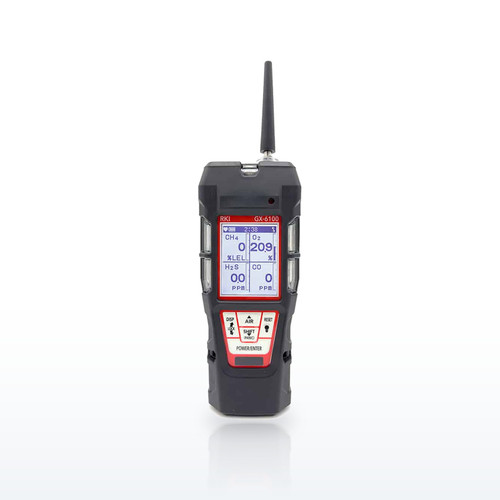
- RKI Instruments 72-61IXXX-C GX-6100 Single-Gas Monitor, CO, Li-ion — RKI Instruments · Gases detected: CO · Gases: 1 gas · Sampling: Pump (sample draw) · Battery: Li-Ion · Sensor ranges: CO 0-2,000 ppm · Approvals: ATEX, IECEx, TIIS, cCSAus; Ex ia IIC T4 Ga
- RKI Instruments 72-61JXXX-C GX-6100 Single-Gas Monitor, H2S, Li-ion — RKI Instruments · Gases detected: H2S · Gases: 1 gas · Sampling: Pump (sample draw) · Battery: Li-Ion · Sensor ranges: H2S 0-200 ppm · Approvals: ATEX, IECEx, TIIS, cCSAus; Ex ia IIC T4 Ga
- RKI Instruments 72-61KXXX-B GX-6100 Single-Gas Monitor, O2, Alkaline and Li-ion — RKI Instruments · Gases detected: O2 · Gases: 1 gas · Sampling: Pump (sample draw) · Battery: Alkaline; Li-Ion · Sensor ranges: O2 0-40% vol · Approvals: ATEX, IECEx, TIIS, cCSAus; Ex ia IIC T4 Ga
- RKI Instruments 72-61LXXX-C GX-6100 Single-Gas Monitor, LEL, Li-ion — RKI Instruments · Gases detected: LEL · Gases: 1 gas · Sampling: Pump (sample draw) · Battery: Li-Ion · Sensor ranges: LEL 0-100% LEL · Approvals: ATEX, IECEx, TIIS, cCSAus; Ex ia IIC T4 Ga
- RKI Instruments 72-61XAXX-A GX-6100 Single-Gas Monitor, VOC ppb, Alkaline — RKI Instruments · Gases detected: VOC (PID) · Gases: 1 gas · Sampling: Pump (sample draw) · Battery: Alkaline · Sensor ranges: VOC 0-40,000 ppb, 10.6 eV lamp · Approvals: ATEX, IECEx, TIIS, cCSAus; Ex ia IIC T4 Ga
- RKI Instruments 72-61XAXX-B GX-6100 Single-Gas Monitor, VOC ppb — RKI Instruments · Gases detected: VOC (PID) · Gases: 1 gas · Sampling: Pump (sample draw) · Battery: Alkaline; Li-Ion · Sensor ranges: VOC 0-40,000 ppb, 10.6 eV lamp · Approvals: ATEX, IECEx, TIIS, cCSAus; Ex ia IIC T4 Ga
- RKI Instruments 72-61XAXX-C GX-6100 Single-Gas Monitor, VOC ppb, Li-ion — RKI Instruments · Gases detected: VOC (PID) · Gases: 1 gas · Sampling: Pump (sample draw) · Battery: Li-Ion · Sensor ranges: VOC 0-40,000 ppb, 10.6 eV lamp · Approvals: ATEX, IECEx, TIIS, cCSAus; Ex ia IIC T4 Ga
- RKI Instruments 72-61XBXX-A GX-6100 Single-Gas Monitor, VOC, Alkaline — RKI Instruments · Gases detected: VOC (PID) · Gases: 1 gas · Sampling: Pump (sample draw) · Battery: Alkaline · Sensor ranges: VOC 0-4,000 ppm, 10.6 eV lamp · Approvals: ATEX, IECEx, TIIS, cCSAus; Ex ia IIC T4 Ga
- RKI Instruments 72-61XBXX-B GX-6100 Single-Gas Monitor, VOC, Alkaline and Li-ion — RKI Instruments · Gases detected: VOC (PID) · Gases: 1 gas · Sampling: Pump (sample draw) · Battery: Alkaline; Li-Ion · Sensor ranges: VOC 0-4,000 ppm, 10.6 eV lamp · Approvals: ATEX, IECEx, TIIS, cCSAus; Ex ia IIC T4 Ga
- RKI Instruments 72-61XBXX-C GX-6100 Single-Gas Monitor, VOC, Li-ion — RKI Instruments · Gases detected: VOC (PID) · Gases: 1 gas · Sampling: Pump (sample draw) · Battery: Li-Ion · Sensor ranges: VOC 0-4,000 ppm, 10.6 eV lamp · Approvals: ATEX, IECEx, TIIS, cCSAus; Ex ia IIC T4 Ga
- RKI Instruments 72-61XBXX-D GX-6100 Single-Gas Monitor, VOC, Li-ion — RKI Instruments · Gases detected: VOC (PID) · Gases: 1 gas · Sampling: Pump (sample draw) · Battery: Li-Ion · Sensor ranges: VOC 0-4,000 ppm, 10.6 eV lamp · Approvals: ATEX, IECEx, TIIS, cCSAus; Ex ia IIC T4 Ga
- RKI Instruments 72-61XBXX-E GX-6100 Single-Gas Monitor, VOC, Alkaline and Li-ion — RKI Instruments · Gases detected: VOC (PID) · Gases: 1 gas · Sampling: Pump (sample draw) · Battery: Alkaline; Li-Ion · Sensor ranges: VOC 0-4,000 ppm, 10.6 eV lamp · Approvals: ATEX, IECEx, TIIS, cCSAus; Ex ia IIC T4 Ga
- RKI Instruments 72-61XCXX-A GX-6100 Single-Gas Monitor, CH4 IR, Alkaline — RKI Instruments · Gases detected: CH4 (IR) · Gases: 1 gas · Sampling: Pump (sample draw) · Battery: Alkaline · Sensor ranges: CH4 IR 0-100% LEL / 0-100% vol · Approvals: ATEX, IECEx, TIIS, cCSAus; Ex ia IIC T4 Ga
- RKI Instruments 72-61XCXX-B GX-6100 Single-Gas Monitor, CH4 IR — RKI Instruments · Gases detected: CH4 (IR) · Gases: 1 gas · Sampling: Pump (sample draw) · Battery: Alkaline; Li-Ion · Sensor ranges: CH4 IR 0-100% LEL / 0-100% vol · Approvals: ATEX, IECEx, TIIS, cCSAus; Ex ia IIC T4 Ga
- RKI Instruments 72-61XCXX-C GX-6100 Single-Gas Monitor, CH4 IR, Li-ion — RKI Instruments · Gases detected: CH4 (IR) · Gases: 1 gas · Sampling: Pump (sample draw) · Battery: Li-Ion · Sensor ranges: CH4 IR 0-100% LEL / 0-100% vol · Approvals: ATEX, IECEx, TIIS, cCSAus; Ex ia IIC T4 Ga
- RKI Instruments 72-61XDXX-C GX-6100 Single-Gas Monitor, HC IR, Li-ion — RKI Instruments · Gases detected: HC (IR) · Gases: 1 gas · Sampling: Pump (sample draw) · Battery: Li-Ion · Sensor ranges: HC IR 0-100% LEL / 0-30% vol · Approvals: ATEX, IECEx, TIIS, cCSAus; Ex ia IIC T4 Ga
- RKI Instruments 72-61XEXX-A GX-6100 Single-Gas Monitor, CO2 ppm, Alkaline — RKI Instruments · Gases detected: CO2 · Gases: 1 gas · Sampling: Pump (sample draw) · Battery: Alkaline · Sensor ranges: CO2 0-10,000 ppm · Approvals: ATEX, IECEx, TIIS, cCSAus; Ex ia IIC T4 Ga
- RKI Instruments 72-61XEXX-B GX-6100 Single-Gas Monitor, CO2 ppm — RKI Instruments · Gases detected: CO2 · Gases: 1 gas · Sampling: Pump (sample draw) · Battery: Alkaline; Li-Ion · Sensor ranges: CO2 0-10,000 ppm · Approvals: ATEX, IECEx, TIIS, cCSAus; Ex ia IIC T4 Ga
- RKI Instruments 72-61XEXX-C GX-6100 Single-Gas Monitor, CO2 ppm, Li-ion — RKI Instruments · Gases detected: CO2 · Gases: 1 gas · Sampling: Pump (sample draw) · Battery: Li-Ion · Sensor ranges: CO2 0-10,000 ppm · Approvals: ATEX, IECEx, TIIS, cCSAus; Ex ia IIC T4 Ga
- RKI Instruments 72-61XFXX-A GX-6100 Single-Gas Monitor, CO2 %, Alkaline — RKI Instruments · Gases detected: CO2 · Gases: 1 gas · Sampling: Pump (sample draw) · Battery: Alkaline · Sensor ranges: CO2 0-10% vol · Approvals: ATEX, IECEx, TIIS, cCSAus; Ex ia IIC T4 Ga
- RKI Instruments 72-61XFXX-C GX-6100 Single-Gas Monitor, CO2 %, Li-ion — RKI Instruments · Gases detected: CO2 · Gases: 1 gas · Sampling: Pump (sample draw) · Battery: Li-Ion · Sensor ranges: CO2 0-10% vol · Approvals: ATEX, IECEx, TIIS, cCSAus; Ex ia IIC T4 Ga
- RKI Instruments 72-61XIXX-A GX-6100 Single-Gas Monitor, SO2, Alkaline — RKI Instruments · Gases detected: SO2 · Gases: 1 gas · Sampling: Pump (sample draw) · Battery: Alkaline · Sensor ranges: SO2 0-99.9 ppm · Approvals: ATEX, IECEx, TIIS, cCSAus; Ex ia IIC T4 Ga
- RKI Instruments 72-61XKXX-C GX-6100 Single-Gas Monitor, NO2, Li-ion — RKI Instruments · Gases detected: NO2 · Gases: 1 gas · Sampling: Pump (sample draw) · Battery: Li-Ion · Sensor ranges: NO2 0-20 ppm · Approvals: ATEX, IECEx, TIIS, cCSAus; Ex ia IIC T4 Ga
- RKI Instruments 72-61XLXX-A GX-6100 Single-Gas Monitor, HCN, Alkaline — RKI Instruments · Gases detected: HCN · Gases: 1 gas · Sampling: Pump (sample draw) · Battery: Alkaline · Sensor ranges: HCN 0-15 ppm · Approvals: ATEX, IECEx, TIIS, cCSAus; Ex ia IIC T4 Ga
- RKI Instruments 72-61XMXX-A GX-6100 Single-Gas Monitor, NH3, Alkaline — RKI Instruments · Gases detected: NH3 · Gases: 1 gas · Sampling: Pump (sample draw) · Battery: Alkaline · Sensor ranges: NH3 0-400 ppm · Approvals: ATEX, IECEx, TIIS, cCSAus; Ex ia IIC T4 Ga
- RKI Instruments 72-61XMXX-C GX-6100 Single-Gas Monitor, NH3, Li-ion — RKI Instruments · Gases detected: NH3 · Gases: 1 gas · Sampling: Pump (sample draw) · Battery: Li-Ion · Sensor ranges: NH3 0-400 ppm · Approvals: ATEX, IECEx, TIIS, cCSAus; Ex ia IIC T4 Ga
- RKI Instruments 72-61XMXX-D GX-6100 Single-Gas Monitor, NH3, Li-ion — RKI Instruments · Gases detected: NH3 · Gases: 1 gas · Sampling: Pump (sample draw) · Battery: Li-Ion · Sensor ranges: NH3 0-400 ppm · Approvals: ATEX, IECEx, TIIS, cCSAus; Ex ia IIC T4 Ga
- RKI Instruments 72-61XPXX-A GX-6100 Single-Gas Monitor, Cl2, Alkaline — RKI Instruments · Gases detected: Cl2 · Gases: 1 gas · Sampling: Pump (sample draw) · Battery: Alkaline · Sensor ranges: Cl2 0-10 ppm · Approvals: ATEX, IECEx, TIIS, cCSAus; Ex ia IIC T4 Ga
- RKI Instruments 72-61XPXX-C GX-6100 Single-Gas Monitor, Cl2, Li-ion — RKI Instruments · Gases detected: Cl2 · Gases: 1 gas · Sampling: Pump (sample draw) · Battery: Li-Ion · Sensor ranges: Cl2 0-10 ppm · Approvals: ATEX, IECEx, TIIS, cCSAus; Ex ia IIC T4 Ga
- RKI Instruments 72-61XYXX-A GX-6100 Single-Gas Monitor, VOC 11.7, Alkaline — RKI Instruments · Gases detected: VOC (PID) · Gases: 1 gas · Sampling: Pump (sample draw) · Battery: Alkaline · Sensor ranges: VOC 0-1,000 ppm, 11.7 eV lamp · Approvals: ATEX, IECEx, TIIS, cCSAus; Ex ia IIC T4 Ga
- RKI Instruments 72-61XYXX-C GX-6100 Single-Gas Monitor, VOC 11.7, Li-ion — RKI Instruments · Gases detected: VOC (PID) · Gases: 1 gas · Sampling: Pump (sample draw) · Battery: Li-Ion · Sensor ranges: VOC 0-1,000 ppm, 11.7 eV lamp · Approvals: ATEX, IECEx, TIIS, cCSAus; Ex ia IIC T4 Ga
- RKI Instruments 72-61XZXX-A GX-6100 Single-Gas Monitor, Benzene, Alkaline — RKI Instruments · Gases detected: Benzene · Gases: 1 gas · Sampling: Pump (sample draw) · Battery: Alkaline · Sensor ranges: Benzene 0-50 ppm, 10.0 eV lamp · Approvals: ATEX, IECEx, TIIS, cCSAus; Ex ia IIC T4 Ga
- RKI Instruments 72-61XZXX-B GX-6100 Single-Gas Monitor, Benzene — RKI Instruments · Gases detected: Benzene · Gases: 1 gas · Sampling: Pump (sample draw) · Battery: Alkaline; Li-Ion · Sensor ranges: Benzene 0-50 ppm, 10.0 eV lamp · Approvals: ATEX, IECEx, TIIS, cCSAus; Ex ia IIC T4 Ga
- RKI Instruments 72-61XZXX-C GX-6100 Single-Gas Monitor, Benzene, Li-ion — RKI Instruments · Gases detected: Benzene · Gases: 1 gas · Sampling: Pump (sample draw) · Battery: Li-Ion · Sensor ranges: Benzene 0-50 ppm, 10.0 eV lamp · Approvals: ATEX, IECEx, TIIS, cCSAus; Ex ia IIC T4 Ga
- RKI Instruments 72-F0-D-A10 GX-Force Single-Gas Sample-Draw Monitor, LEL — RKI Instruments · Gases detected: LEL · Gases: 1 gas · Sampling: Pump (sample draw) · Battery: Li-Ion · Sensor ranges: LEL 0-100% LEL · Approvals: ATEX, IECEx, QPS C/US Class I Div 1 Groups A, B, C, D
- RKI Instruments 72-FO-A-A10 GX-Force Single-Gas Sample-Draw Monitor, LEL — RKI Instruments · Gases detected: LEL · Gases: 1 gas · Sampling: Pump (sample draw) · Battery: Li-Ion · Sensor ranges: LEL 0-100% LEL · Approvals: ATEX, IECEx, QPS C/US Class I Div 1 Groups A, B, C, D
- RKI Instruments 72-FO-A-B GX-Force Single-Gas Sample-Draw Monitor, LEL — RKI Instruments · Gases detected: LEL · Gases: 1 gas · Sampling: Pump (sample draw) · Battery: Li-Ion · Sensor ranges: LEL 0-100% LEL · Approvals: ATEX, IECEx, QPS C/US Class I Div 1 Groups A, B, C, D
- RKI Instruments 72-FO-B-A10 GX-Force Single-Gas Sample-Draw Monitor, LEL — RKI Instruments · Gases detected: LEL · Gases: 1 gas · Sampling: Pump (sample draw) · Battery: Li-Ion · Sensor ranges: LEL 0-100% LEL · Approvals: ATEX, IECEx, QPS C/US Class I Div 1 Groups A, B, C, D
- RKI Instruments 72-FO-C-A10 GX-Force Single-Gas Sample-Draw Monitor, LEL — RKI Instruments · Gases detected: LEL · Gases: 1 gas · Sampling: Pump (sample draw) · Battery: Li-Ion · Sensor ranges: LEL 0-100% LEL · Approvals: ATEX, IECEx, QPS C/US Class I Div 1 Groups A, B, C, D
- RKI Instruments 72-FP-A-A10 GX-Force Single-Gas Sample-Draw Monitor, O2 — RKI Instruments · Gases detected: O2 · Gases: 1 gas · Sampling: Pump (sample draw) · Battery: Li-Ion · Sensor ranges: O2 0-40% vol · Approvals: ATEX, IECEx, QPS C/US Class I Div 1 Groups A, B, C, D
- RKI Instruments 72-FP-A-A20 GX-Force Single-Gas Sample-Draw Monitor, O2 — RKI Instruments · Gases detected: O2 · Gases: 1 gas · Sampling: Pump (sample draw) · Battery: Li-Ion · Sensor ranges: O2 0-40% vol · Approvals: ATEX, IECEx, QPS C/US Class I Div 1 Groups A, B, C, D
- RKI Instruments 72-FP-A-A5 GX-Force Single-Gas Sample-Draw Monitor, O2 — RKI Instruments · Gases detected: O2 · Gases: 1 gas · Sampling: Pump (sample draw) · Battery: Li-Ion · Sensor ranges: O2 0-40% vol · Approvals: ATEX, IECEx, QPS C/US Class I Div 1 Groups A, B, C, D
- RKI Instruments 72-FP-A-B GX-Force Single-Gas Sample-Draw Monitor, O2 — RKI Instruments · Gases detected: O2 · Gases: 1 gas · Sampling: Pump (sample draw) · Battery: Li-Ion · Sensor ranges: O2 0-40% vol · Approvals: ATEX, IECEx, QPS C/US Class I Div 1 Groups A, B, C, D
- RKI Instruments 72-FP-B-A10 GX-Force Single-Gas Sample-Draw Monitor, O2 — RKI Instruments · Gases detected: O2 · Gases: 1 gas · Sampling: Pump (sample draw) · Battery: Li-Ion · Sensor ranges: O2 0-40% vol · Approvals: ATEX, IECEx, QPS C/US Class I Div 1 Groups A, B, C, D
- RKI Instruments 72-FP-D-A10 GX-Force Single-Gas Sample-Draw Monitor, O2 — RKI Instruments · Gases detected: O2 · Gases: 1 gas · Sampling: Pump (sample draw) · Battery: Li-Ion · Sensor ranges: O2 0-40% vol · Approvals: ATEX, IECEx, QPS C/US Class I Div 1 Groups A, B, C, D
- RKI Instruments 72-FQ-A-A10 GX-Force Single-Gas Sample-Draw Monitor, H2S — RKI Instruments · Gases detected: H2S · Gases: 1 gas · Sampling: Pump (sample draw) · Battery: Li-Ion · Sensor ranges: H2S 0-200 ppm · Approvals: ATEX, IECEx, QPS C/US Class I Div 1 Groups A, B, C, D
- RKI Instruments 72-FQ-A-B GX-Force Single-Gas Sample-Draw Monitor, H2S — RKI Instruments · Gases detected: H2S · Gases: 1 gas · Sampling: Pump (sample draw) · Battery: Li-Ion · Sensor ranges: H2S 0-200 ppm · Approvals: ATEX, IECEx, QPS C/US Class I Div 1 Groups A, B, C, D
- RKI Instruments 72-FQ-B-A10 GX-Force Single-Gas Sample-Draw Monitor, H2S — RKI Instruments · Gases detected: H2S · Gases: 1 gas · Sampling: Pump (sample draw) · Battery: Li-Ion · Sensor ranges: H2S 0-200 ppm · Approvals: ATEX, IECEx, QPS C/US Class I Div 1 Groups A, B, C, D
- RKI Instruments 72-FQ-D-A10 GX-Force Single-Gas Sample-Draw Monitor, H2S — RKI Instruments · Gases detected: H2S · Gases: 1 gas · Sampling: Pump (sample draw) · Battery: Li-Ion · Sensor ranges: H2S 0-200 ppm · Approvals: ATEX, IECEx, QPS C/US Class I Div 1 Groups A, B, C, D
- RKI Instruments 72-FR-A-A10 GX-Force Single-Gas Sample-Draw Monitor, CO — RKI Instruments · Gases detected: CO · Gases: 1 gas · Sampling: Pump (sample draw) · Battery: Li-Ion · Sensor ranges: CO 0-2,000 ppm · Approvals: ATEX, IECEx, QPS C/US Class I Div 1 Groups A, B, C, D
- RKI Instruments 72-FR-B-A10 GX-Force Single-Gas Sample-Draw Monitor, CO — RKI Instruments · Gases detected: CO · Gases: 1 gas · Sampling: Pump (sample draw) · Battery: Li-Ion · Sensor ranges: CO 0-2,000 ppm · Approvals: ATEX, IECEx, QPS C/US Class I Div 1 Groups A, B, C, D
- RKI Instruments 72-FR-D-A10 GX-Force Single-Gas Sample-Draw Monitor, CO — RKI Instruments · Gases detected: CO · Gases: 1 gas · Sampling: Pump (sample draw) · Battery: Li-Ion · Sensor ranges: CO 0-2,000 ppm · Approvals: ATEX, IECEx, QPS C/US Class I Div 1 Groups A, B, C, D
 Multi-Gas Detectors1 product
- BW Technologies MCXL-X000-Y-NA MicroClip XL Oxygen Monitor — BW Technologies / Honeywell Analytics · Gases detected: O2 · Gases: 1 gas · Sampling: Diffusion · Battery: Yes · Sensor ranges: O2 0 to 30.0% · Approvals: ATEX: CE II 1 G. Ex ia IIC T4 Ga; CE European Conformity
Do not see what you need? Browse the category or call (925) 215-7337.
A gas monitor is described by the gases it detects (LEL for combustibles, O2 for oxygen, H2S, CO, and so on), how many it detects at once, whether it samples by diffusion (air reaches the sensors on its own) or with a pump (sample draw, for checking a space before entry), how it is powered, and the approvals that let it be used in a classified area. All of these are the manufacturer's published specifications; alarm points and calibration intervals follow the manufacturer's manual.
Technical. Intrinsic-safety approvals are listed as the manufacturer prints them (UL or CSA Class I Division 1 Groups A–D, ATEX and IECEx Ex ia IIC T4 marks). Sensor ranges are quoted per gas (for example 0–100% LEL, 0–30% volume O2, 0–100 ppm H2S, 0–500 ppm CO; PID sensors for VOCs in ppm or ppb with the lamp energy in eV; IR sensors for CO2 or methane). Calibration gas is matched to the monitor's sensors and listed by concentration. Draeger detector tubes have their own selector page.
The ratings, test results and standards shown here are the manufacturers' published values, reproduced as published. Nothing on this page is a recommendation by Bayshore Safety that any product is suitable for a particular task, hazard or workplace. Selecting safety products and protective equipment is the responsibility of the end user and the employer, based on their own hazard assessment and the regulations that apply to their work. Confirm every value on the manufacturer's own documentation before use.
The standard at a glance
Copied from the named standard or regulation and shown with its source; nothing in these tables is Bayshore's recommendation.
OSHA confined-space atmosphere limits
| Condition (29 CFR 1910.146) | Limit |
|---|---|
| Oxygen deficient | Below 19.5% oxygen |
| Oxygen enriched | Above 23.5% oxygen |
| Flammable | Above 10% of the lower flammable limit (LFL) |
| Toxic | Above the substance's permissible exposure limit (29 CFR 1910 Subpart Z) |
| Approval mark (as printed by the manufacturer) | Meaning |
|---|---|
| UL or CSA Class I, Division 1, Groups A–D | Intrinsically safe for flammable gas and vapour atmospheres (North America) |
| ATEX / IECEx Ex ia IIC T4 | Intrinsically safe, gas group IIC, temperature class T4 (Europe / international) |
Source: OSHA 29 CFR 1910.146 (permit-required confined spaces). Alarm set points and calibration intervals follow each manufacturer's manual. Draeger detector tubes have their own selector.