
Detector tubes vs electronic monitors: when each is used
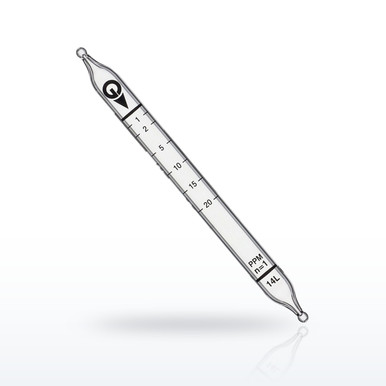
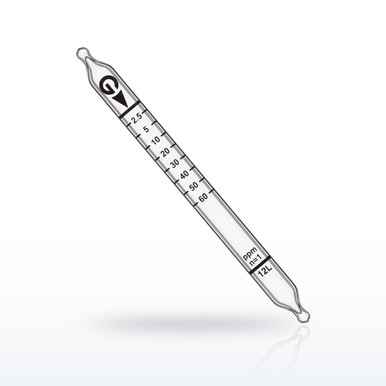
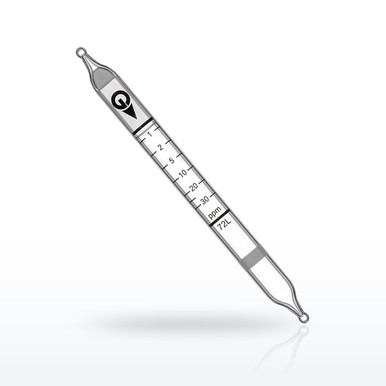
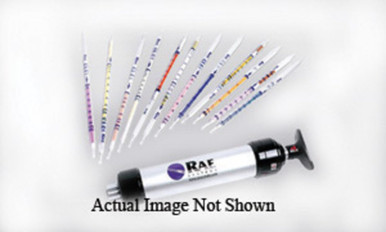
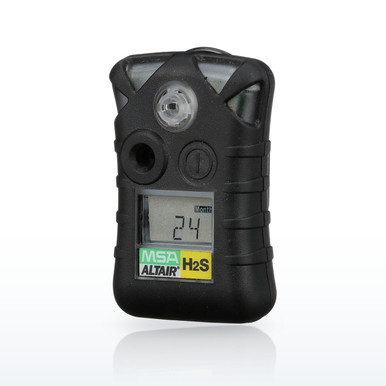
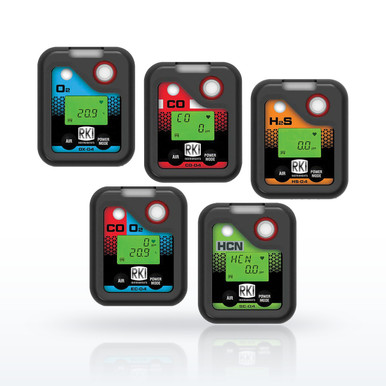
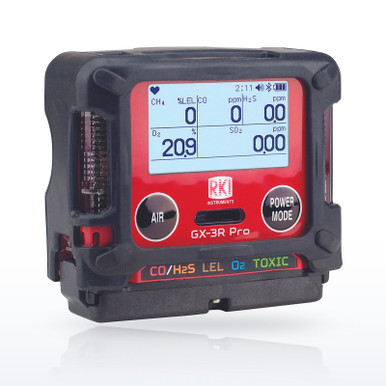
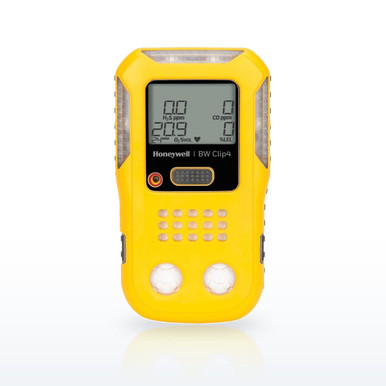
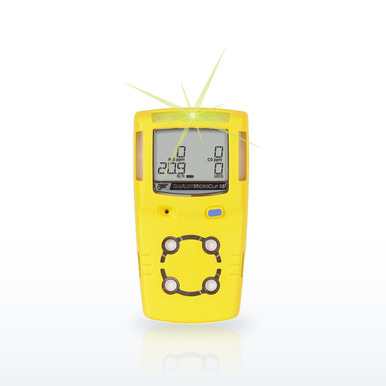
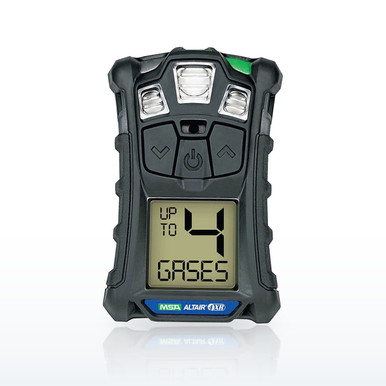
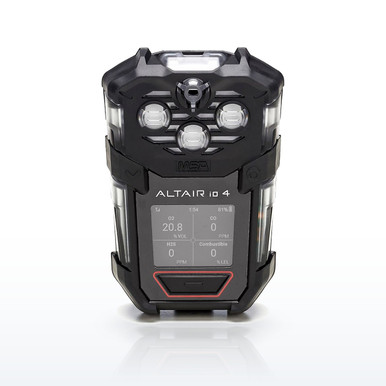
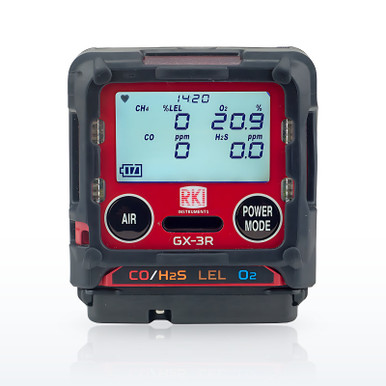
A detector tube is a sealed glass tube of reagent that changes color when a known volume of air is pulled through it with a hand pump; the length of the stain is read against a scale printed on the tube. It gives one number, for one gas, in a few minutes, with no battery, no calibration and no sensor to wear out. An electronic monitor reads continuously, alarms, and logs. Tubes are used for spot checks, surveys and the hundreds of gases no portable sensor exists for. Monitors are used wherever a worker is inside the hazard: confined-space entry, which OSHA requires to be continuously monitored, and personal protection all shift. Most programs own both.
Why do detector tubes still exist? Electronic sensors exist for a few dozen gases. Detector tubes exist for several hundred, because a tube is just chemistry in glass and a new reagent is cheaper to make than a new sensor. A tube also answers a question a monitor cannot: a single, defensible number for a specific gas, taken at a specific spot, with nothing to drift. For a one-off check of a drum, a survey of a plant for a gas no one monitors routinely, or a confirming test when a PID says something is there but not what, the tube is the right tool. Where the tube fails is time: it cannot watch a space while someone is in it.
How does a detector tube work?
Five steps, a few minutes, one reading.
How accurate is a detector tube?
Manufacturers publish a relative standard deviation for each tube, and it varies by tube and by where on the scale the reading falls. The Gastec specification sheet example lists 10 percent for the low end of the range and 5 percent higher up; the standards tubes are made to (ISO 17621:2015 for short-term detector tube systems, JIS K 0804, ANSI/ISEA 102) set the allowed bias and uncertainty by class and concentration, up to 50 percent for the loosest class. Interfering gases shift the reading in either direction, and the tube sheet lists them: for one Gastec tube, aldehydes and alcohols bleach the stain while esters have no effect. A tube reading is good enough to decide whether a space is clear of a known gas or whether a limit is being approached; it is not a personal exposure measurement over a shift.
Gastec, Explanation of the specification items (relative standard deviation 10 percent for 2 to 5 ppm and 5 percent for 5 to 25 ppm on the example tube; interference list). Gastec summary of detector tube standards: ISO 17621:2015, JIS K 0804:2022, ANSI/ISEA 102-1990 (R2015), with bias plus expanded uncertainty limits from 15 to 50 percent by class.Tubes have a shelf life, printed on the box: 36 months on the Gastec example sheet, and shorter for some reagents. Most tubes are specified for 0 to 40 degrees C and 0 to 90 percent humidity; outside that, or past the date, the reading is not valid. Store them cool and dark.
Gastec, Explanation of the specification items (shelf life 36 months on the example tube; temperature 0 to 40 C and humidity 0 to 90 percent, correction not used on the example tube). Gastec detector tube summary: most tubes usable from 0 to 40 C and 0 to 90 percent relative humidity.When is a tube the right tool, and when is it not?
- Tube: a gas with no portable sensor. Hydrogen chloride, hydrogen cyanide, ethyl mercaptan, benzene and hundreds of others are in the catalog as tubes; most are not available as a sensor on a four-gas unit.
- Tube: identifying what a PID is reading. A PID reports total organic vapor; a benzene or toluene tube says how much of it is the compound that matters.
- Tube: a quick check of a drum, a drain, a room or a leak, by someone who may not have a monitor for that gas on hand. No battery, no bump test, no calibration gas.
- Tube: a low-cost backup for a gas you meet rarely, kept in the kit with the pump.
- Monitor: anyone inside a permit-required confined space. OSHA requires the atmosphere to be tested before entry and continuously monitored where entrants are working; a tube reads once and cannot alarm.
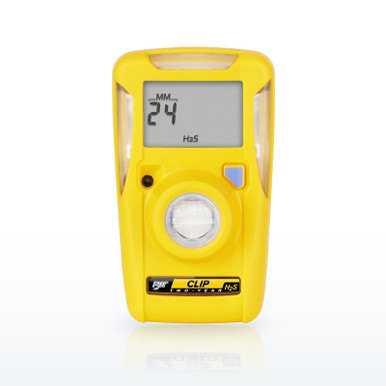
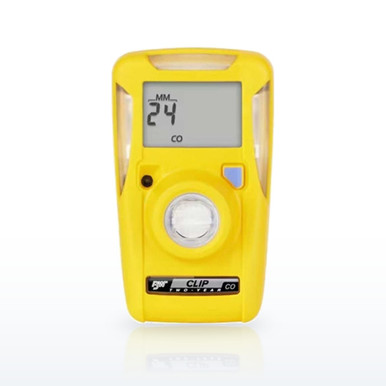
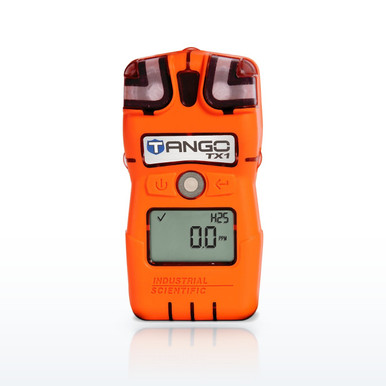
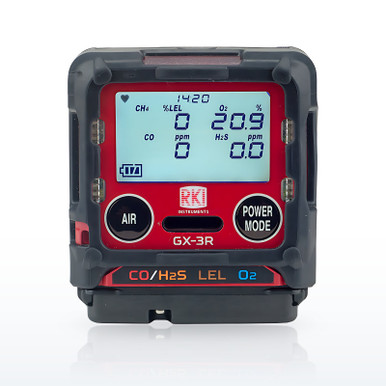
- Monitor: personal protection all shift for H2S, CO, oxygen and LEL, where the hazard can appear without warning and the worker needs an alarm, not a reading.
- Monitor: anything that must be logged over time, or where readings change minute to minute.
- Either, in sequence: tube to survey and identify, monitor to protect while the work is done. Ventilation smoke tubes, a third kind, show air movement, not concentration.
Detector tubes, pumps and the monitors that replace them for entry work
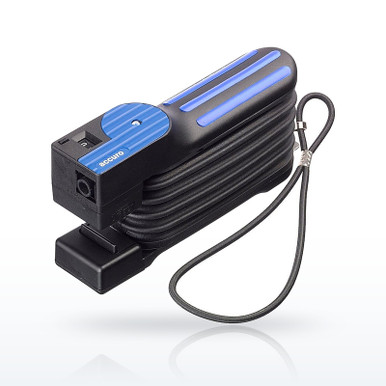
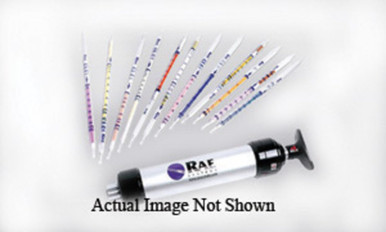
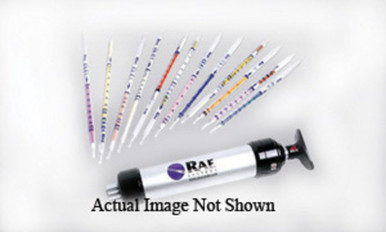
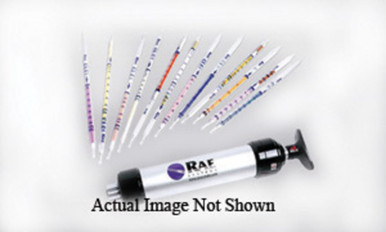
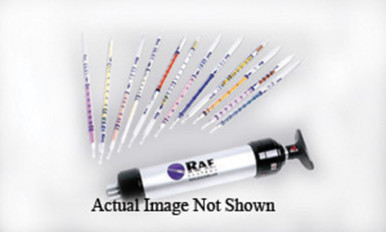
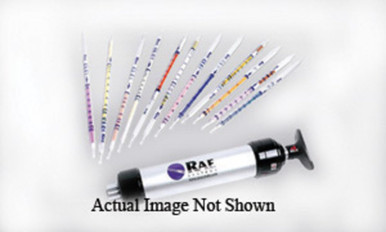
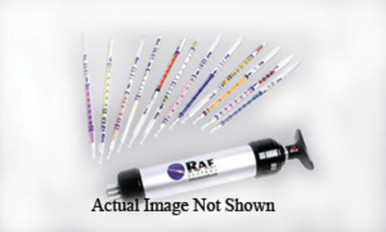
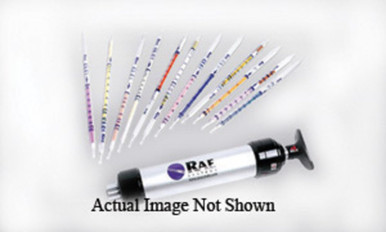
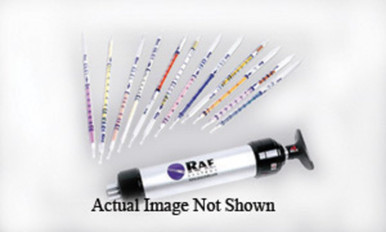
29 items · prices liveGas, measuring range and strokes are as published by the manufacturer on each tube’s page; tubes are sold by the box or pack and need a matching pump (Gastec tubes fit the Gastec GV-100 pump; RAE tubes fit the RAE pump; Draeger tubes fit the accuro). Free shipping on orders over $199.
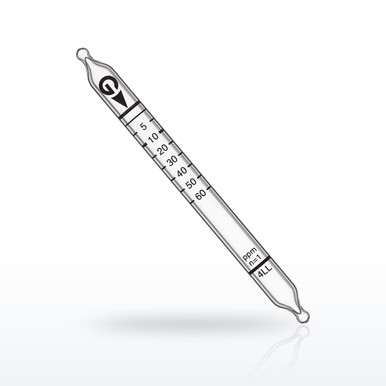
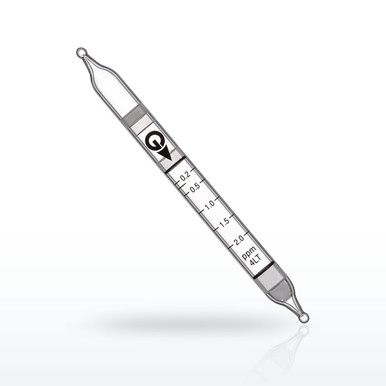
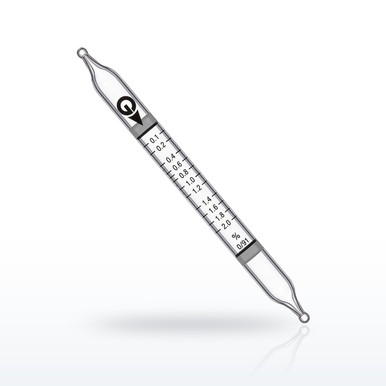
Draeger tubes and the RAE and Gastec pumps are quoted on request: call (925) 215-7337.
Questions people ask
What is a detector tube?
A sealed glass tube of reagent that changes color when air is drawn through it with a hand pump. The stain length against the printed scale gives the concentration of one gas.
What is a Draeger tube?
Draeger’s brand of detector tube, used with the accuro bellows pump. Gastec and RAE Systems make the same kind of tube for their own pumps; tubes and pumps are not interchangeable between brands.
How accurate are detector tubes?
Manufacturers publish a relative standard deviation per tube, 5 to 10 percent on the Gastec example sheet, and the standards they are made to allow more at the low end of a range. Good enough for a go or no-go check, not a shift exposure measurement.
Can I use a detector tube for confined space entry?
For a pre-entry spot check of a specific gas, yes, alongside the calibrated monitor. Not as the only instrument: OSHA requires continuous monitoring during entry, and a tube reads once and cannot alarm (1910.146(d)(5)(i)).
Do detector tubes expire?
Yes. The date is on the box; 36 months is the shelf life on the Gastec example sheet. Keep them cool and dark and within their temperature and humidity range when used.
Why do tubes need a specific pump?
The scale is calibrated for a fixed volume per stroke, 100 mL on the pumps named here, and the pump’s flow curve. Another pump gives a wrong reading.
Can a tube measure a mixture?
No. A tube reads one gas, and other gases can interfere; the instruction sheet lists which. A PID reads the total; a tube identifies a part of it.
Which is cheaper, tubes or a monitor?
A pump and a box of tubes cost less than a monitor and need no calibration gas, but each test uses a tube. For a gas you check every day, a monitor costs less over the year and protects continuously.
Standards and ratings on this page are as published in the documents named and by the manufacturers named. The employer’s hazard assessment and written program decide what applies at a given workplace. Verify a rating on the product and its spec sheet before use.