
FR clothing for oil and gas: what the industry and NFPA 2112 require
OSHA requires flame-resistant clothing in oil and gas wherever a flash fire is a reasonably foreseeable hazard, under the general PPE rule 1910.132. Its 2010 enforcement policy spells out when that is: on a drilling rig once the hole reaches a hydrocarbon zone and until the well is cased and closed, or earlier where the field has a history of kicks; during well servicing on a wellhead or wellbore under pressure, including swabbing, fracturing, cementing and wireline work; and in production during equipment openings, gauging, transfers, hot work and start-ups. The clothing standard is NFPA 2112: the garment is manikin tested in a 3-second flash fire and certified by a third party, with the mark on the label. NFPA 2113 covers how to choose it, layer it and wear it. Most operators and their contractors write FR into the site rules for everyone on location.
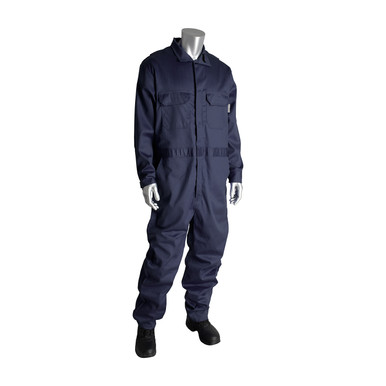
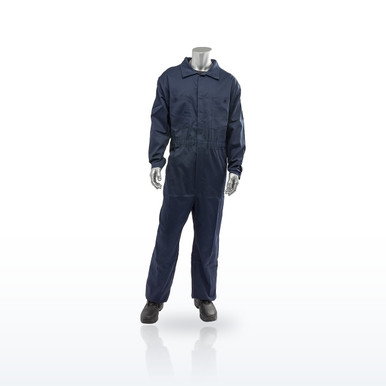 PIP 9100-2000E AR/FR dual-certified coverallNFPA 2112 certified and ASTM F1506 arc rated (9 cal/cm²), as published by PIP
Why is flash fire different from other fire? A flash fire is a gas or vapor cloud igniting: well gas, condensate vapor, a tank being opened, a line being broken. It moves through the cloud faster than a person can react, lasts a few seconds, and is gone. The fire itself usually does not kill; the clothing does. Ordinary cotton ignites and keeps burning after the flame front passes, and synthetics melt. Skin that was covered by clothing that kept burning is burned longer and deeper than skin the flame front merely passed. FR clothing self-extinguishes when the cloud is gone, which is the whole point of the 3-second manikin test.
When does OSHA expect FR clothing in oil and gas?
From the 2010 enforcement policy, by phase of the work.
What does NFPA 2112 certification mean on the label?
NFPA 2112 is the standard on flame-resistant clothing for protection of industrial personnel against short-duration thermal exposures from fire. A garment certified to it has been tested by an accredited third-party laboratory and carries that certifier’s mark (UL is the most common) with the words NFPA 2112 on the label. The fabric and the finished garment pass a set of tests: a flash fire manikin test under ASTM F1930 with a 3-second exposure and no more than 50 percent predicted body burn; heat transfer performance under ASTM F2700 of at least 3 cal/cm² in contact and 6 cal/cm² spaced; thermal shrinkage under ASTM F2894 of no more than 10 percent after 5 minutes at 500°F with no melting, dripping or separation; and a vertical flame test under ASTM D6413, before and after 100 industrial launderings, with char length of 4 inches or less and afterflame of 2 seconds or less. Thread, closures, labels and reflective trim have their own requirements.
NFPA 2112-2023, test and certification requirements as published by NFPA and summarized by certified manufacturers; ASTM F1930, F2700, F2894 and D6413 as referenced.A garment that says only "FR" or "flame resistant," or that carries an ASTM D6413 flame test alone, is not NFPA 2112 certified. An arc rating under ASTM F1506 is a different test for a different hazard; many oilfield garments carry both, and a dual-certified label is the one to look for where electrical work also happens on site.
NFPA 2112-2023 labeling and certification requirements; ASTM F1506 scope.How does NFPA 2113 say to wear it?
- Coverage. FR is worn as the outer layer over the whole torso, arms and legs, buttoned and with sleeves down. A rolled sleeve or an open shirt leaves skin and the underlayer exposed.
- Underneath. Nothing that melts next to the skin. Cotton, wool or FR base layers; no polyester, nylon, acrylic, polypropylene or spandex beyond incidental elastic.
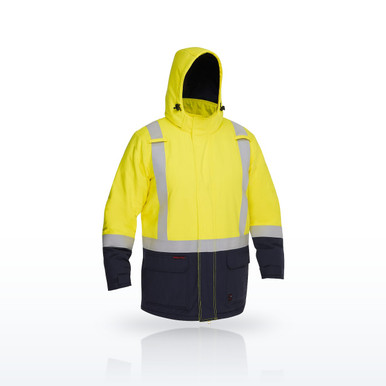
- Over it. Rain gear, cold-weather jackets and hi-vis vests worn over FR clothing are FR too; a polyester vest or PVC rain suit over an FR coverall burns on the outside.
- Fit. Loose enough for an air gap, which is part of the insulation, and sized so it closes fully; a tight garment transfers heat faster.
- Contamination. Clothing soaked with crude, condensate or solvent is changed before work continues; the FR fabric will not ignite, but the fuel on it will.
- Care and retirement. Laundered as the manufacturer instructs, no bleach or softener, inspected before wear, and retired when torn, worn thin, contaminated beyond cleaning or exposed to a fire.
Coveralls or shirt and pants?
Both satisfy NFPA 2112 if each garment is certified. Coveralls are the rig and well-servicing norm: one garment, no gap at the waist, closes to the neck, easy to pull on over a cotton base and off when soaked. Shirt-and-pants sets are the production and office-to-field norm, where people drive between sites and want a work shirt they can wear all day. Weight follows the climate: 4.5 to 6 ounce fabrics for summer heat, 7 to 9 ounce for durability and winter. The manikin test is passed at the garment’s own weight, so a lighter certified garment is still certified; it will have less reserve in a longer fire.
NFPA 2112-2023 (certification is per garment); manufacturer fabric weights for the garments listed below.NFPA 2112 certified garments
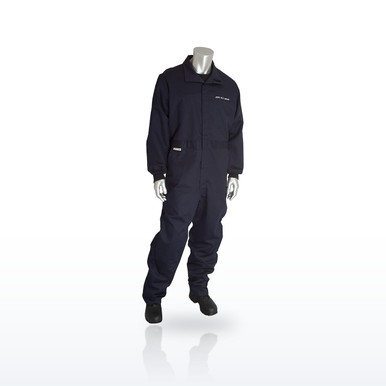
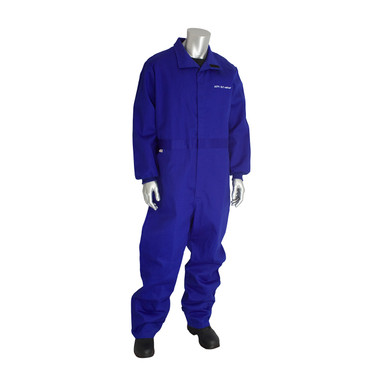
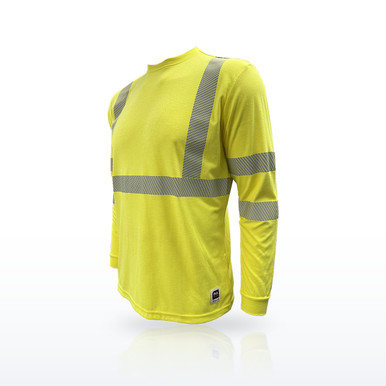
29 items · prices liveEach item is listed by its manufacturer as NFPA 2112 certified; most also carry an ASTM F1506 arc rating, shown here in cal/cm². Fabric weight and certifier are on the product page. Free shipping on orders over $199.
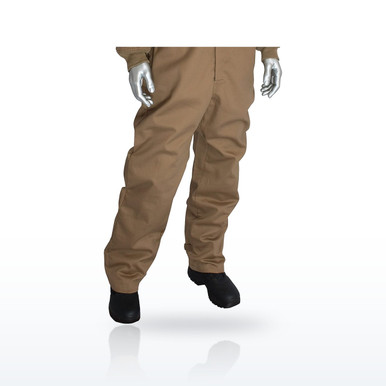
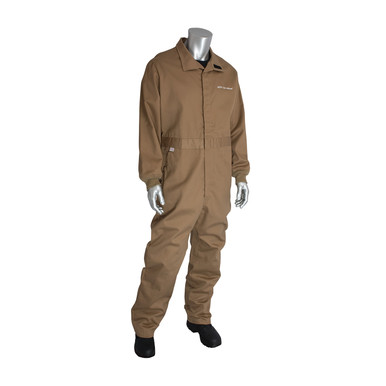
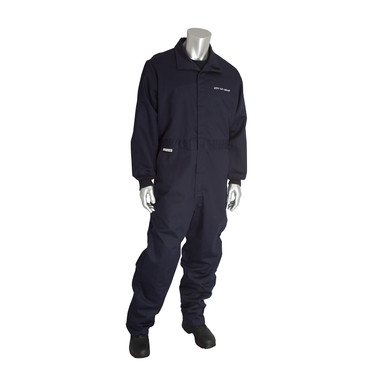
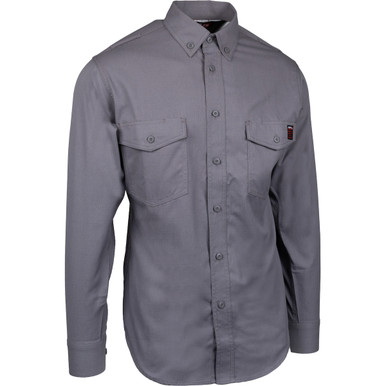
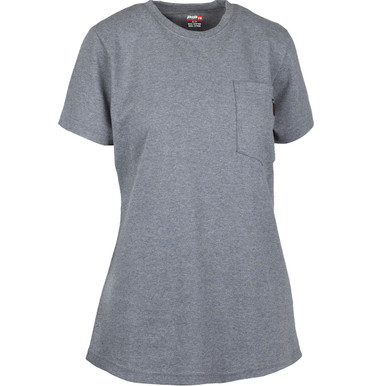
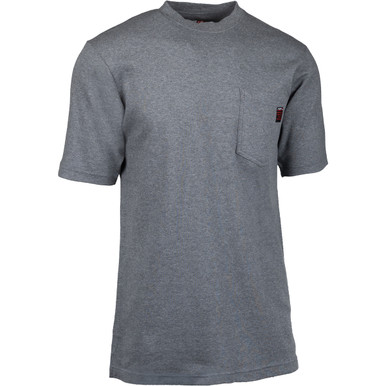
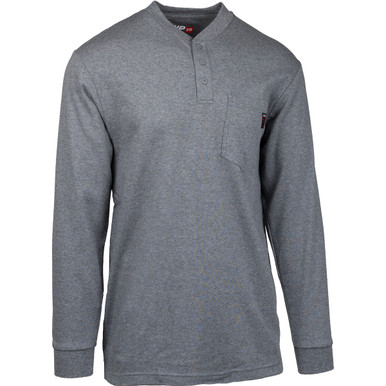
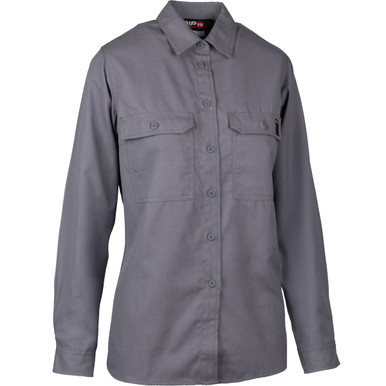
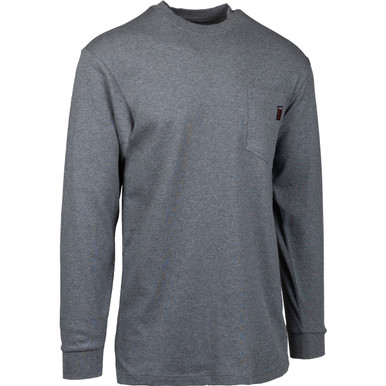
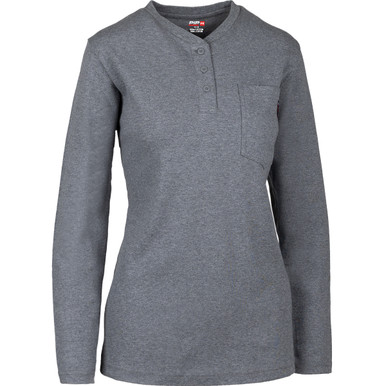
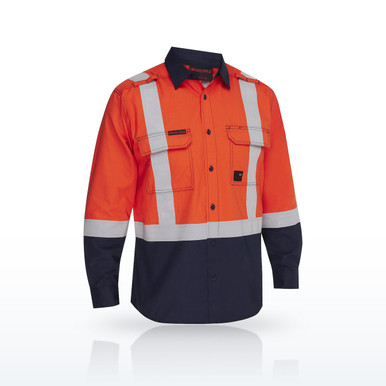
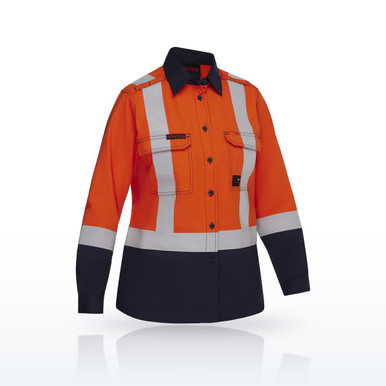
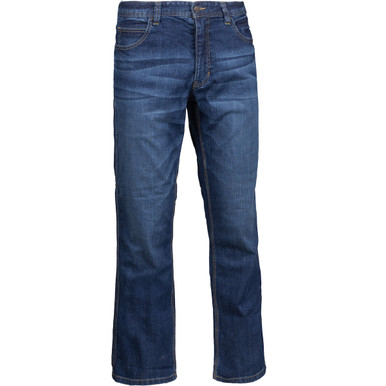
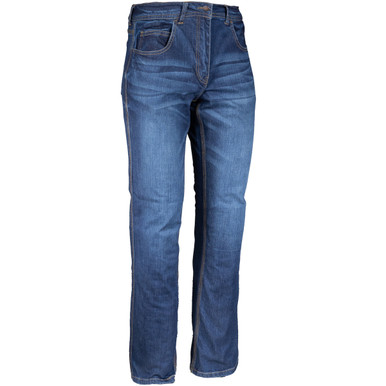
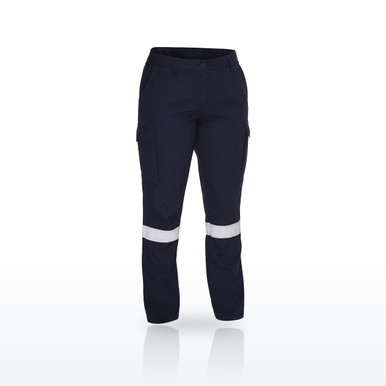
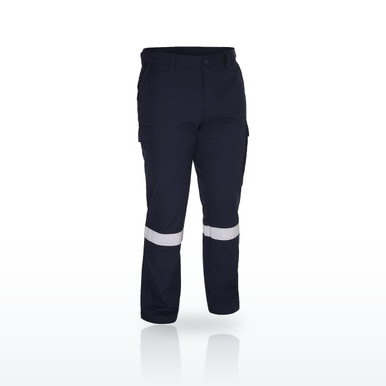
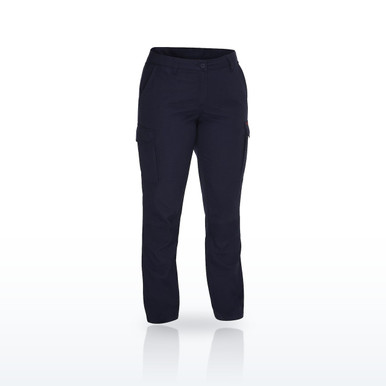
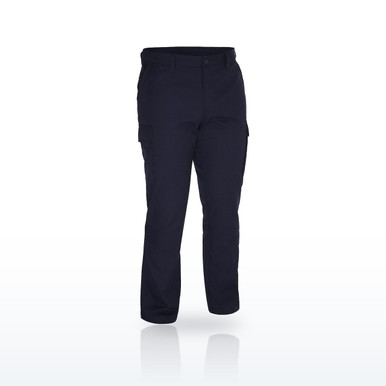
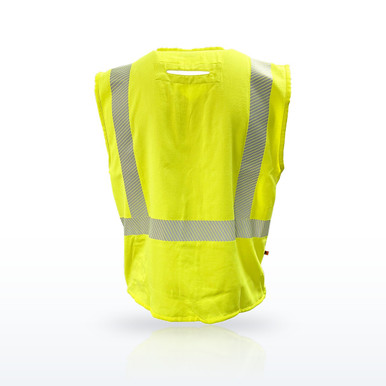
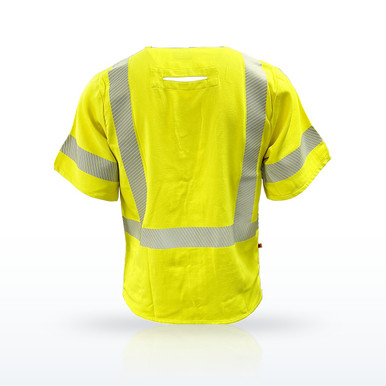
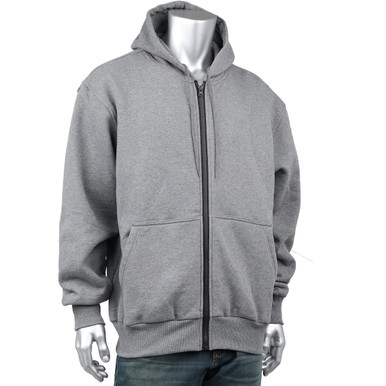
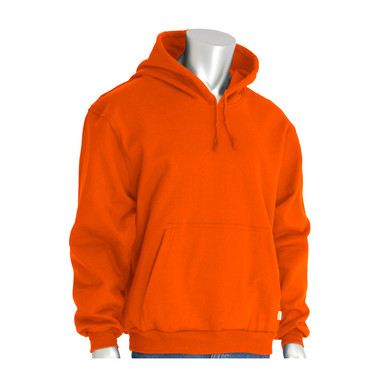
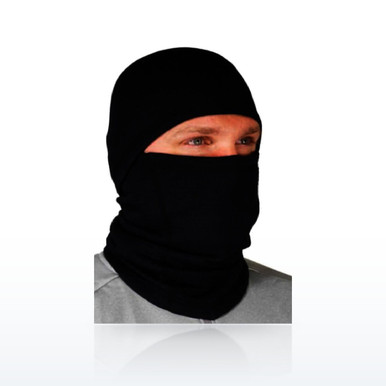
FR coveralls listed by the manufacturer without an arc rating or certification detail are in the coverall finder.
Questions people ask
Does OSHA require FR clothing in oil and gas?
Yes, where a flash fire hazard exists, under 1910.132(a) and the hazard assessment in 1910.132(d). The 2010 enforcement policy lists the drilling, servicing and production operations where inspectors expect it.
When is FR required on a drilling rig?
Once a hydrocarbon zone is identified, before drilling into it, and until the final casing is cemented and the well is closed; earlier where the field has a history of kicks. Rig-up and early drilling usually do not require it.
Is NFPA 2112 required by law?
Not by name. OSHA’s policy names NFPA 2112 and 2113 as the standards employers may use to meet 1910.132(c); operator site rules almost always require 2112 certification.
What is the difference between NFPA 2112 and NFPA 2113?
2112 is the garment standard (design, testing, certification). 2113 is the user standard (selection, care, use and maintenance), including layering and what goes underneath.
Who pays for FR clothing in oil and gas?
The employer, under 1910.132(h)(1). Everyday clothing is excluded from that rule, but FR clothing required for the hazard is PPE.
Can I wear a cotton T-shirt under FR coveralls?
Yes. Cotton does not melt. Polyester, nylon and other melting synthetics are not worn next to the skin under FR.
Does FR clothing for oil and gas need an arc rating?
Not for flash fire alone. If the site also has electrical work inside an arc flash boundary, the clothing needs an ASTM F1506 arc rating too; dual-certified garments carry both.
How long does NFPA 2112 clothing last?
Until it is torn, worn thin, contaminated beyond cleaning, altered with non-FR materials or exposed to a fire. The flame test is passed after 100 industrial launderings, and there is no fixed expiry.
Related guides
NFPA 2112 vs ASTM F1506Flash fire vs arc flash, and dual certificationWhat does flame resistant mean?How FR fabric self-extinguishesWhat has to be worn under FR clothing?Meltable fabrics and layeringWhat is H2S?The other hazard on the same locationWhat is LEL?Reading the gas monitor that warns of a flash fireStandards and ratings on this page are as published in the documents named and by the manufacturers named. The employer’s hazard assessment and written program decide what applies at a given workplace. Verify a rating on the product and its spec sheet before use.