
What is an anchor point, and what must it hold? The 5,000-pound rule
An anchor point (OSHA calls it an anchorage) is the secure point you tie a lanyard, lifeline or self-retracting lifeline to. OSHA gives two ways to qualify one for fall arrest. The simple way: it must hold at least 5,000 pounds for each worker attached to it. The engineered way: a qualified person designs, installs and supervises it as part of a complete system with a safety factor of at least 2. It must also be independent of anything holding up the platform you stand on, and it is never a guardrail. The 5,000 pounds is the anchorage structure, not the hardware; the anchorage connector (a D-ring plate, beam clamp or cross-arm strap) carries its own rating.
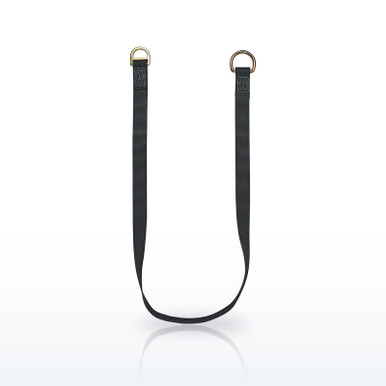 Safewaze FS88811-HW 6-foot cross arm strapANSI Z359.18 Type T anchorage connector for beams and pipe
Why 5,000 pounds? A worker in a fall is not a static weight. OSHA caps the force a harness system may put on the body at 1,800 pounds, and the anchorage has to take that force plus whatever the system adds, with a margin for a bad connection, a corroded beam or a second worker. 5,000 pounds is the number OSHA chose so that an unengineered anchor still holds with a wide margin, without a calculation on every job. Where an engineer does the calculation, the rule lets the anchor be sized to twice the real load instead.
What does OSHA require of an anchorage?
The construction rule and the general industry rule say the same thing in slightly different words.
What counts as an anchor point?
OSHA defines an anchorage as a secure point of attachment for equipment such as lifelines, lanyards or deceleration devices. In practice it is a structural member (a steel beam, a concrete slab, a roof truss, an engineered post) plus the anchorage connector that lets you clip to it. The structure is what has to hold the 5,000 pounds. The connector is a product with its own published rating, and the two are checked separately: a 5,000-pound D-ring plate screwed into a rotten rafter is not a 5,000-pound anchor.
29 CFR 1910.140(b), definition of anchorage; 1926.502(d)(15).Things that are not anchor points: guardrails, scaffold tubes and ties that hold the scaffold up, conduit, sprinkler pipe, HVAC duct, ladder rungs, roof vents and anything you have not been told will hold the load. The rule puts the burden on the employer to know the anchorage is capable, which usually means a competent person has checked it or a qualified person has designed it.
29 CFR 1926.502(d)(15) and (d)(23); 1926.32(f) and (m), definitions of competent person and qualified person.What do 5K and 10K mean on an anchor?
Manufacturers rate anchorage connectors by the load the connector itself withstood in testing: 5K is 5,000 pounds, 10K is 10,000 pounds, which covers two workers under the per-employee rule. ANSI/ASSP Z359.18 is the industry standard for anchorage connectors; it sorts them into three types. Type T is built to support a suspended component or tie-back line as well as fall arrest. Type D is designed to deform or move when it arrests a fall, absorbing energy and lowering the load on the structure, and it may not be rated for positioning or rescue. Type A is everything else: D-ring plates, beam anchors, bolt-on and concrete anchors. Type A and Type T connectors must withstand a 5,000-pound static load; Type D connectors are tested between 2,700 and 5,000 pounds and their deformation is published so it can be added to the fall clearance. The rating and the type are on the label and the spec sheet. The rating only applies when the connector is installed on a structure that can take the load and in the orientation the instructions show.
ANSI/ASSP Z359.18-2017, anchorage connector types A, D and T and static strength requirements, as summarized by the manufacturers listed below; 29 CFR 1926.502(d)(15).Capacity on the label is a separate number. Most anchors list an ANSI capacity of 130 to 310 pounds and an OSHA capacity up to 420 pounds; that is the worker weight range the connector was tested for, not what the anchor holds. A 5K anchor rated for one worker at 310 pounds still has to go on a structure that will hold 5,000 pounds.
Manufacturer spec sheets for the anchors listed below; ANSI/ASSP Z359.18-2017 test weights; 29 CFR 1926.502(d)(16), note on the 310-pound test weight.How do you know a structure will hold 5,000 pounds?
- Structural steel. A beam or column that carries the building is the usual case; a beam clamp, trolley or cross arm strap on the flange is the connector. Verify the member is structural, not a purlin or a hanger.
- Concrete. Drop-in or wedge anchors rated for fall arrest, installed to the manufacturer’s embedment depth in sound concrete of the stated strength. Rebar is not an anchor unless an engineer says it is.
- Roofs. Temporary roof anchors are rated when screwed or nailed through the sheathing into a truss or rafter with the full fastener set. The nail count and the truss are the anchor, not the plate.
- Engineered systems. Horizontal lifelines, davits, freestanding counterweight anchors and permanent anchor posts come with a load rating and installation drawings from the manufacturer or an engineer; they are the safety-factor-of-two route and need the qualified person’s sign-off.
- If in doubt, do not. The rule has no 3,000-pound exception for a quick job. Pick a different anchor or get the qualified person.
Anchorage connectors with a published rating
28 items · prices liveEach anchor is listed with the ANSI Z359.18 type or the OSHA sections its manufacturer names on the spec sheet. The structure it attaches to must hold the load; the connector rating does not make a weak structure an anchor. Contractor Direct orders ship free.
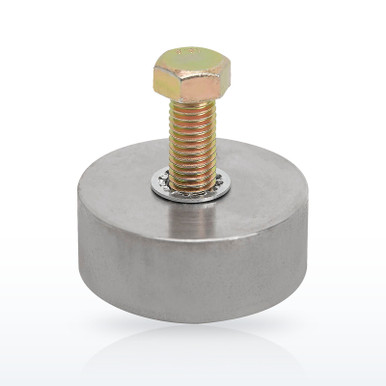
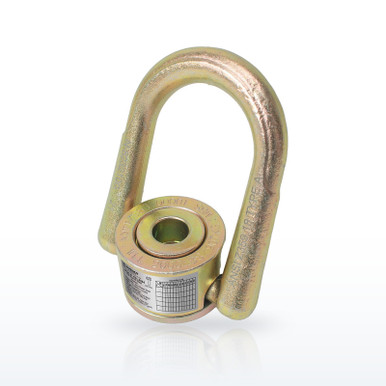
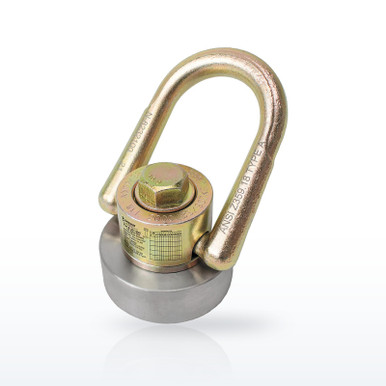
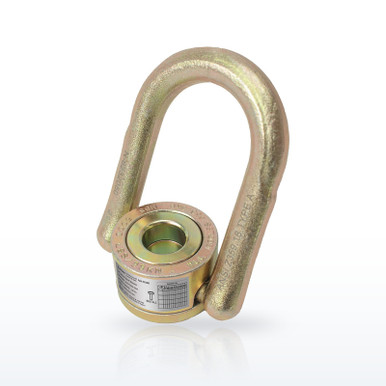
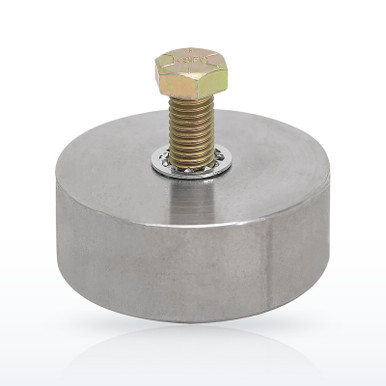
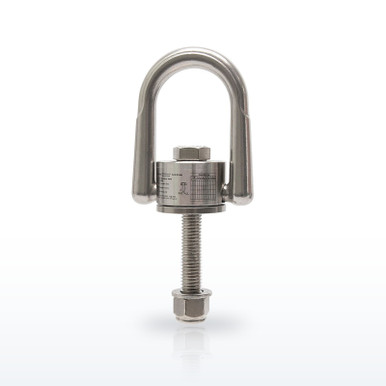
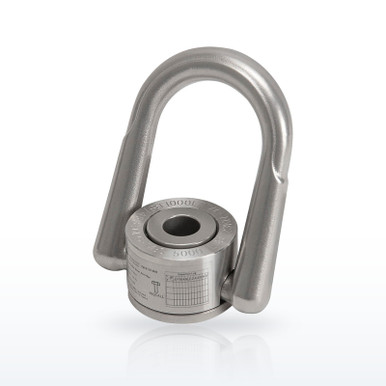
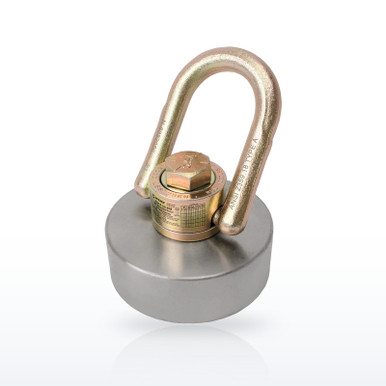
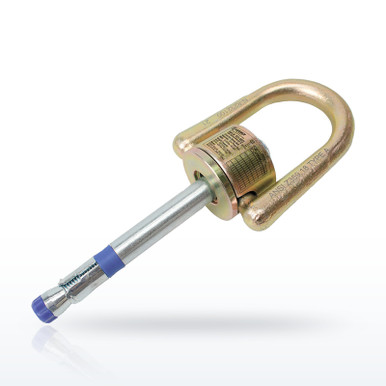
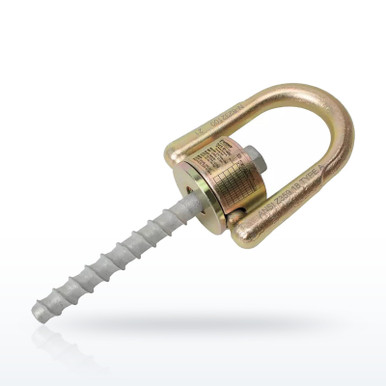
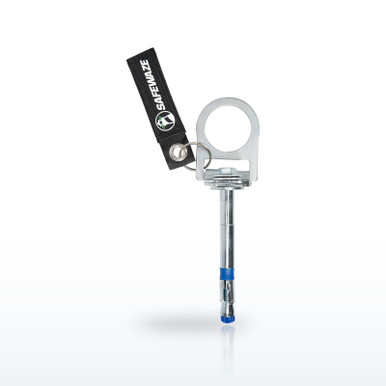
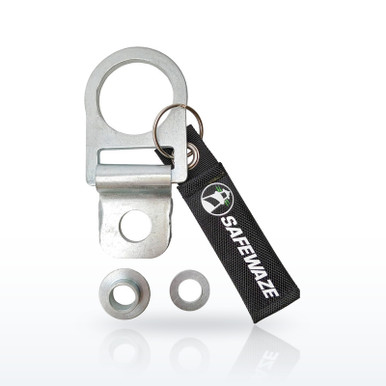
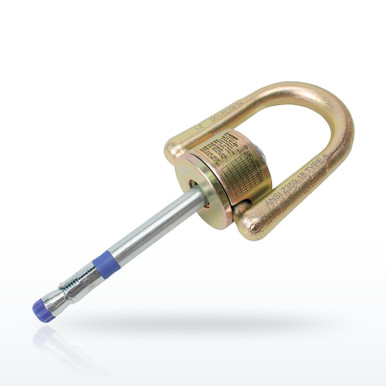
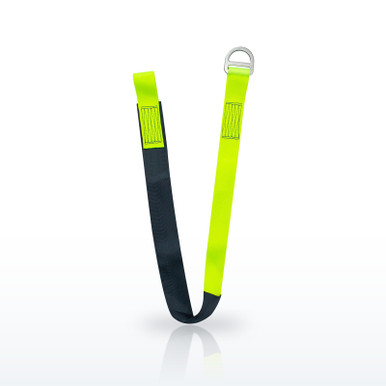
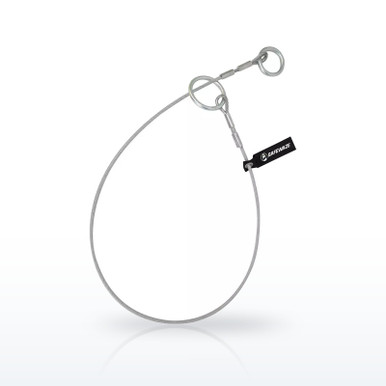
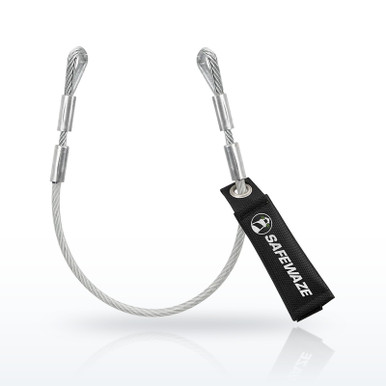

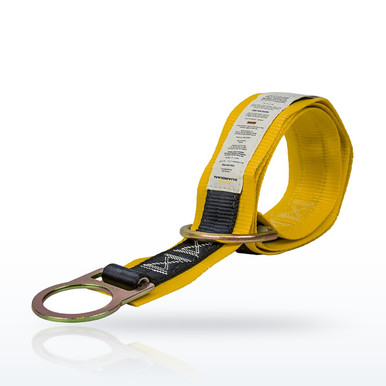
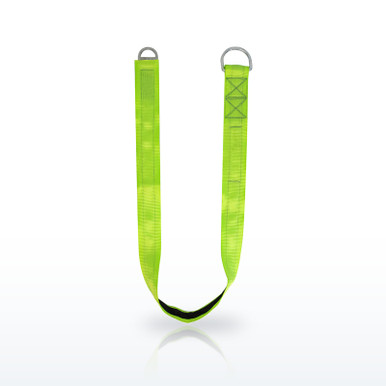
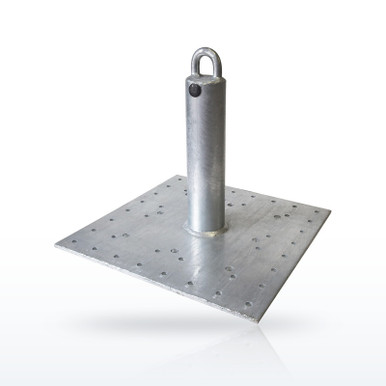
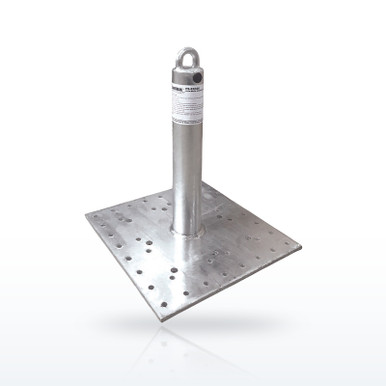
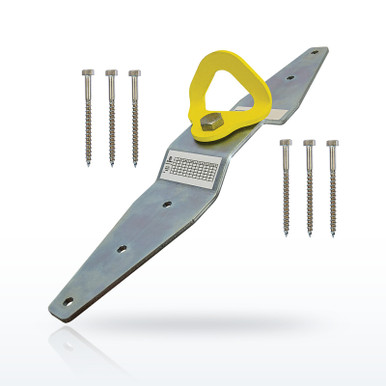
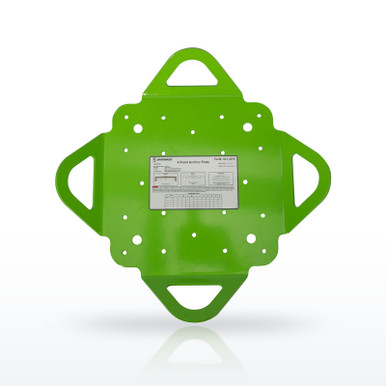
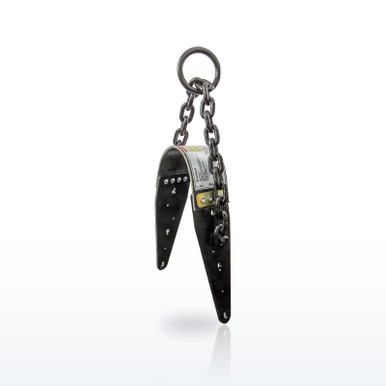
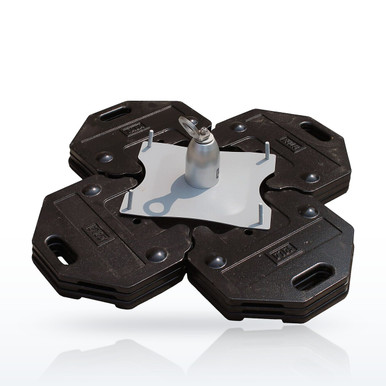
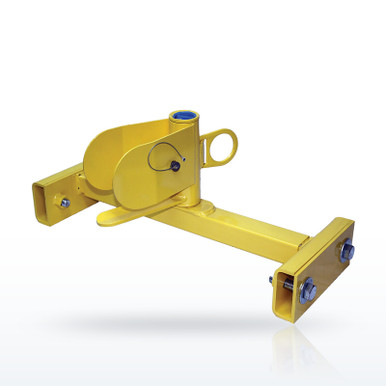

Beam trolleys, permanent anchor posts, davits and horizontal lifeline kits are on the fall protection finder under anchors.
Questions people ask
What is the OSHA requirement for a fall protection anchor point?
It must hold at least 5,000 pounds per worker attached, or be designed, installed and used under a qualified person as part of a complete system with a safety factor of at least 2. (1926.502(d)(15); 1910.140(c)(13).)
Why is it 5,000 pounds when the arresting force is only 1,800?
The 1,800 pounds is the limit on the worker’s body. The anchorage gets that plus the system’s own loads, and OSHA built in a margin so an unengineered anchor holds without a calculation. An engineer may size an anchor at twice the actual load instead.
Can I tie off to a guardrail?
No. 1926.502(d)(23) prohibits attaching a personal fall arrest system to a guardrail. Guardrails are built to a 200-pound load on the top rail (1926.502(b)(3)), not 5,000.
Can two workers use one anchor?
Only if it holds 5,000 pounds for each of them, 10,000 for two, or the engineered system was designed for two. Manufacturers rate anchors as 5K (one worker) or 10K (two).
What is an anchorage connector?
The hardware between the structure and your lanyard: a D-ring plate, beam clamp, cross arm strap, roof anchor or concrete anchor. ANSI Z359.18 is the standard they are built to; the structure under them still has to hold the load.
Is a positioning anchor the same?
No. A positioning device anchorage has to hold twice the potential impact load or 3,000 pounds, whichever is greater, because free fall is limited to 2 feet. (1926.502(e)(2).)
Does an anchor need to be above my head?
OSHA does not say where, but the system must keep free fall to 6 feet and clearance to the ground, and the anchor height is the biggest factor in both. An anchor at the feet is only allowed with equipment rated for it, such as a Class 2 SRL or a 12-foot free fall lanyard.
Standards and ratings on this page are as published in the documents named and by the manufacturers named. The employer’s hazard assessment and written program decide what applies at a given workplace. Verify a rating on the product and its spec sheet before use.