
What is the difference between roof cement and roof sealant, and is asphalt primer necessary? Plastic roof cement (ASTM D4586), wet-surface cement, asphalt primer (ASTM D41), how long cement lasts, patching a leak, and getting tar off tools and hands
Roof cement (plastic roof cement, flashing cement, roofing tar in the trade’s loose use) is a trowel-grade asphalt paste with fibers and solvent, made to ASTM D4586, for bedding flashings, sealing around pipes, patching holes with fabric and gluing down lifted shingles; it stays flexible for years and is applied 1/8 inch thick with a trowel. Roof sealant is a gun-grade product (polyurethane, silicone, acrylic, SBS-modified asphalt or butyl in a cartridge) for a bead along a seam or a fastener head; it is thinner, cures faster and does not bridge a gap the way cement with fabric does. Asphalt primer (ASTM D41) is a thin solvent asphalt that seals dust and chalk on a surface so cement, self-adhered membrane and coatings bond to it; it is required on concrete, masonry, weathered metal and old asphalt before those products, and skipped on clean new shingles. Tar and asphalt come off tools and hands with a citrus-based or petroleum-solvent remover, not with dish soap alone.
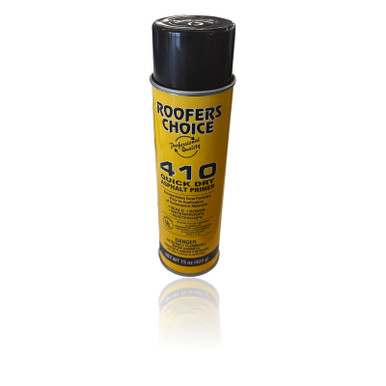 C&R Asphalt PrimerThe product data states the 911 emergency roof patch can be applied when raining, snowing, in melting ice and in standing water
Three products, three jobs. Primer prepares a surface. Cement fills, beds and patches, thick, with a trowel, and with fabric where the gap moves. Sealant is a bead from a gun. People mix the names because the big-box aisle does, and the result is sealant squeezed into a hole that needed cement and fabric, or cement smeared over a membrane that needed its own product. The cards below answer the questions as they come: cement vs sealant, what plastic roof cement is, whether primer is necessary, how long cement lasts, how to patch a leaking roof and a flat roof you have to walk on, what cement for roof tiles, what dissolves asphalt, and how to get tar off a windshield, a tool and a hand. The products that are not asphalt-based are covered in the butyl tape, torch-down and seam roller guides linked below.
Roof cement, primer and tar, question by question
ASTM designations are quoted as published; application figures are the ones printed on the product containers; nothing here is a substitute for the roofing manufacturer’s instructions on a warranted roof.
Roof cement and primer in plain words
- Cement (ASTM D4586) is trowel-grade, 1/8 inch thick, for flashings, patches with fabric and lifted tabs. Sealant is a gun bead for a line.
- Wet-surface cement (ASTM D3409) and the emergency patch go on in rain; the proper repair follows when dry.
- Primer (ASTM D41) binds dust and chalk on concrete, masonry, old roofing and weathered metal so cement and membrane stick. Skip it on clean new asphalt.
- Three-course patch: cement, fabric, cement, feathered 2 inches past the damage.
- Cement lasts ten to twenty years covered, two to five years exposed; cover a patch.
- Tile is set in mortar or tile adhesive, not asphalt cement.
- Tar dissolves in citrus (d-limonene) or petroleum solvents; dish soap only lifts what the solvent loosened.
- Asphalt products on asphalt roofs; butyl, urethane or silicone on metal; the membrane manufacturer’s products on single-ply.
Questions people ask
Can Dawn dish soap remove tar?
Not by itself; a citrus or petroleum solvent dissolves tar and the soap then lifts it. On skin, a pumice or citrus hand cleaner first.
What is the difference between roof sealant and roof cement?
Cement is a thick trowel-grade asphalt mastic for bedding, filling and fabric patches; sealant is a gun-grade bead for seams and fastener heads.
How to patch a roof that is leaking?
Find the source uphill of the stain, clean and dry, then cement, fabric, cement feathered 2 inches past the damage; wet-surface patch if it is raining.
Is asphalt primer necessary?
On concrete, masonry, old roofing and weathered metal, yes; on clean new asphalt, no.
What is the biggest problem with metal roofs?
We do not rate roof systems; metal roof leaks are repaired with butyl tape, urethane or silicone sealant and fastener washers, not asphalt cement.
What is plastic roof cement used for?
Bedding flashings, sealing penetrations, patching with fabric, re-adhering shingle tabs and sealing nail heads on asphalt roofs.
What is the way to patch a roof?
The three-course method for asphalt roofs: cement, reinforcing fabric, cement; the membrane manufacturer’s patch for single-ply.
What can I put on my flat roof so I can walk on it?
Walkway pads from the membrane manufacturer, cap-sheet walk pads or pavers on built-up roofs; never loose plywood.
What cement do you use on roof tiles?
Tile mortar or a tile adhesive the tile manufacturer names, not asphalt roof cement.
What is a good temporary cover for a leaking flat roof?
A heavy-duty tarp pitched to drain with sandbagged edges, or the emergency patch compound on a small area.
How long does roof cement last on a roof?
Ten to twenty years covered under a flashing; two to five years exposed to sun.
Do I need roof cement for shingles?
Only where the shingle manufacturer says: hand-sealing in cold or wind, cut shingles at rakes and valleys, bedding flashings; a quarter-size dab per tab.
What chemical dissolves asphalt?
Petroleum solvents (mineral spirits, kerosene) and citrus d-limonene cleaners.
How do I get tar off my windshield?
Razor blade on wet glass for the bulk, a citrus remover on a rag, then glass cleaner; keep it off the rubber.
What is the material to seal roof leaks?
On asphalt, roof cement with fabric; on metal, butyl tape or urethane sealant; on single-ply, the membrane manufacturer’s product.
What is the way to remove tar?
Scrape the bulk, apply a citrus or petroleum remover, wait, wipe, repeat.
How do I stop my roof leaking in heavy rain?
A wet-surface emergency patch on the source, a tarp over the ridge for a larger area, then the proper repair when dry.
What is considered a minor roof leak?
A single drip at a penetration, flashing or nail on an otherwise sound roof; a leak across a field of old shingles is the roof.
Does vinegar remove tar?
No.
Can I use Dawn to clean my paint brushes?
For latex paint, yes with warm water; oil-based paint needs mineral spirits first.
Related guides
Butyl tape and flashing tapeTypes, uses and what it will not stick toTrowelsMargin, pointing, notched and roofing trowelsRoofing torches and torch-downPropane torches and modified bitumenHeavy-duty hand cleanersPumice, citrus and waterlessTarps: mil, sizes, poly vs vinylAnd how to tarp a roofWhich gloves protect against chemicals?How to read a chemical resistance chartThe ratings, test results and standards shown here are the manufacturers' published values, reproduced as published. Nothing on this page is a recommendation by Bayshore Safety that any product is suitable for a particular task, hazard or workplace. Selecting safety products and protective equipment is the responsibility of the end user and the employer, based on their own hazard assessment and the regulations that apply to their work. Confirm every value on the manufacturer's own documentation before use.