
Sulfur dioxide exposure limits and detection: the OSHA, NIOSH and ACGIH numbers and the SO2 monitors we carry
OSHA’s legal limit for sulfur dioxide is 5 parts per million averaged over 8 hours, in general industry and construction alike. NIOSH recommends 2 ppm over a shift and 5 ppm for any 15 minutes; ACGIH’s threshold limit value is a 0.25 ppm short-term limit with no 8-hour figure. The level that is immediately dangerous to life or health is 100 ppm. SO2 is a colorless gas with a sharp, choking smell, so most people notice it well before it hurts them, but the smell is not a measurement. A single-gas SO2 monitor or an SO2 sensor in a multi-gas detector reads in ppm and alarms at the limit the employer’s program sets.
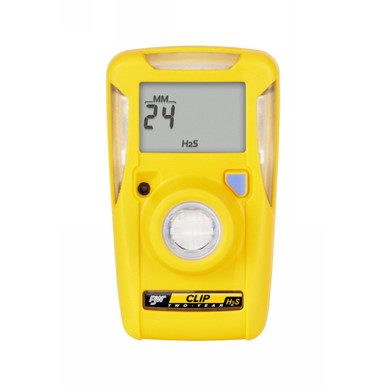 Honeywell BW Clip SO2 single-gas monitorTwo-year maintenance-free, sulfur dioxide
Why does sulfur dioxide have its own limit? SO2 dissolves in the wet lining of the nose, throat and airways and turns acidic there. At low levels that is irritation and a cough; at higher levels the airways clamp down, which NIOSH calls reflex bronchoconstriction, and people with asthma react at levels others barely notice. That is why the newer limits sit far below the OSHA number: the OSHA 5 ppm figure is the oldest of the three, and NIOSH and ACGIH have set lower figures since. The gas comes from burning anything with sulfur in it and from smelting, refining, pulp and paper, and some fumigation and preserving work, so it turns up on jobsites that never handle a cylinder of it.
What are the limits?
Each number and who sets it.
What does sulfur dioxide do to the body?
NIOSH lists irritation of the eyes, nose and throat, a runny nose, choking and cough, and reflex bronchoconstriction, which is the airways narrowing in response to the gas. The target organs are the eyes, skin and respiratory system. SO2 is shipped as a liquefied compressed gas, and contact with the liquid causes frostbite. The routes of exposure are inhalation and skin or eye contact.
NIOSH Pocket Guide, sulfur dioxide: symptoms, target organs, exposure routes.The gas is colorless with a characteristic, irritating, pungent odor. SO2 leaks are often reported by nose first. The nose cannot tell 2 ppm from 10, and it tires. The monitor is what shows whether a shift average stayed under the limit.
NIOSH Pocket Guide, sulfur dioxide: physical description.What does OSHA require, and how is a ceiling different from an average?
The SO2 limit is an 8-hour time-weighted average, not a ceiling. An employee can be above 5 ppm for part of a shift as long as the average over 8 hours stays at or below 5 ppm. That is the legal floor. NIOSH’s 15-minute limit of 5 ppm and ACGIH’s 0.25 ppm short-term value are what most written programs use for the alarm, because a monitor that waits for the 8-hour average to be exceeded has already let the person breathe it all day.
29 CFR 1910.1000 Table Z-1, footnote: limits are 8-hour TWAs unless marked (C) for ceiling; sulfur dioxide carries no (C). 1926.55(a): same rule for construction.Construction uses the same 5 ppm figure. The construction table is 1926.55 Appendix A, printed as Table 1 in the e-CFR, and it carries sulfur dioxide at 5 ppm and 13 mg/m3 with no ceiling mark.
29 CFR 1926.55(a) and Table 1 (Appendix A).Which respirator does NIOSH list for SO2?
- Up to 20 ppm: any chemical cartridge respirator with the appropriate cartridges, or any supplied-air respirator (APF 10).
- Up to 50 ppm: a supplied-air respirator in continuous-flow mode, or a powered air-purifying respirator with the appropriate cartridges (APF 25).
- Up to 100 ppm: a full-facepiece chemical cartridge respirator, a full-facepiece gas mask with a chin-style canister, a tight-fitting PAPR, a full-facepiece supplied-air respirator or a full-facepiece SCBA (APF 50).
- Above 100 ppm, unknown concentrations or emergency entry: a full-facepiece pressure-demand SCBA, or a pressure-demand full-facepiece supplied-air respirator with an auxiliary SCBA (APF 10,000).
- Escape: a full-facepiece gas mask with a chin-style canister, or an escape SCBA.
How is SO2 detected on a jobsite?
An electrochemical SO2 sensor, either in a single-gas clip or as one slot in a multi-gas detector. The reading is in ppm and the monitor carries two instantaneous alarms plus 15-minute and 8-hour average alarms. Manufacturers ship them with defaults; the Honeywell BW Clip SO2, for example, is listed with a 5 ppm low alarm and 10 ppm high alarm. The employer sets the alarms to the limit its program uses, which for SO2 is often the NIOSH 2 ppm average and 5 ppm short-term figure. Bump test before each day’s use with SO2 test gas, and calibrate on the manufacturer’s schedule; SO2 test gas is one of the reactive gases that lose strength in the cylinder, so check the expiration date.
Manufacturer product data for the monitors below (alarm defaults, sensor type); OSHA SHIB 11-26-2024, Calibrating and Testing Direct-Reading Monitors (bump test before each day’s use; certified test gas before its expiration date).OSHA’s own laboratory method for SO2 is a sampling tube analyzed by ion chromatography, used when a compliance officer or industrial hygienist needs a number that will stand up. A direct-reading monitor is what tells the crew to leave now. The two serve different purposes and a program usually needs both at some point.
OSHA Occupational Chemical Database entry 549: OSHA method 1011, direct-reading options.SO2 monitors
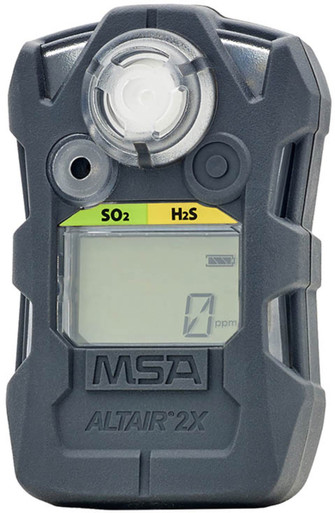
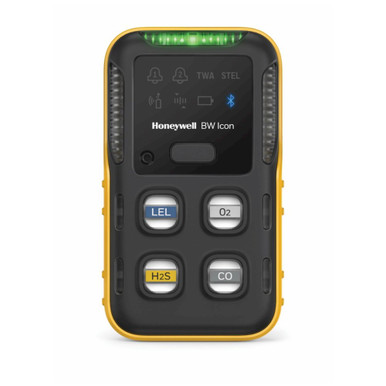
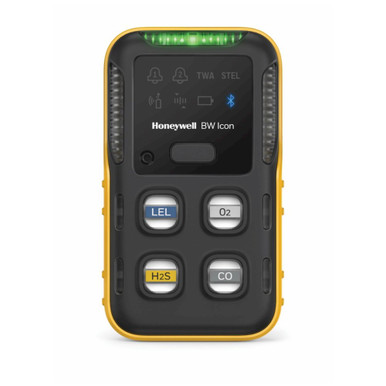
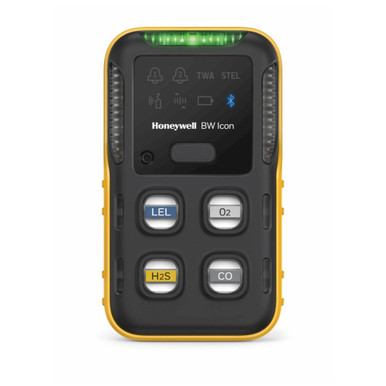
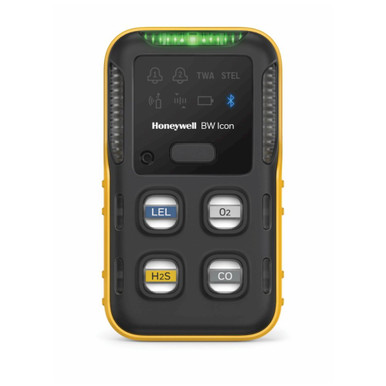
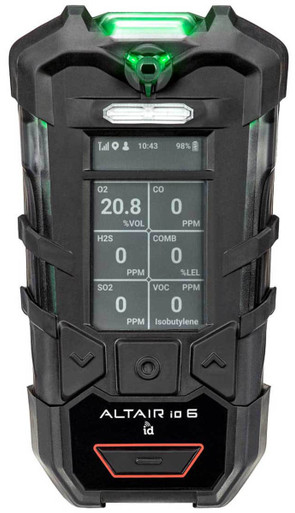
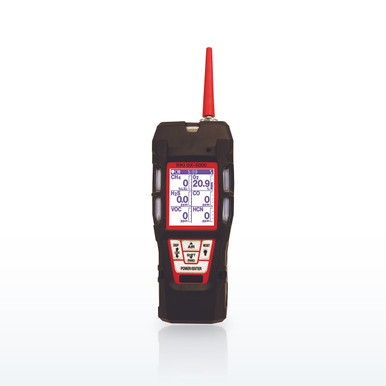
24 items · prices liveEvery monitor shown lists sulfur dioxide among the gases its manufacturer specifies for it. Gases detected, alarm defaults and sensor life are as published by the manufacturer on each product page. Free shipping on orders over $199.
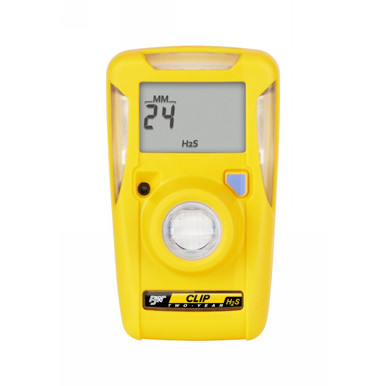

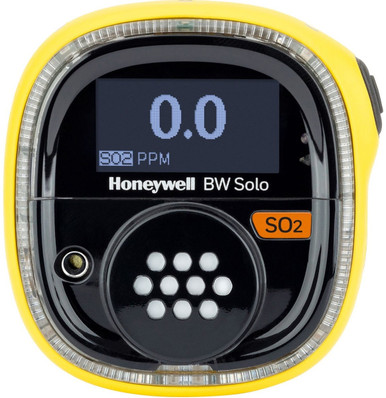
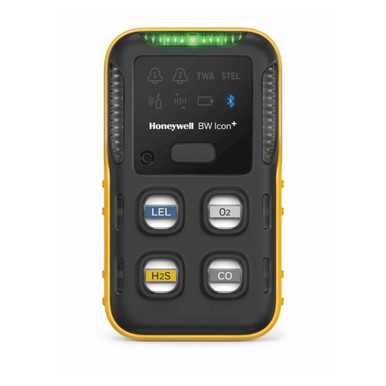
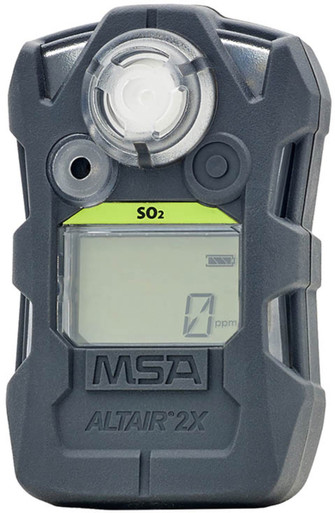
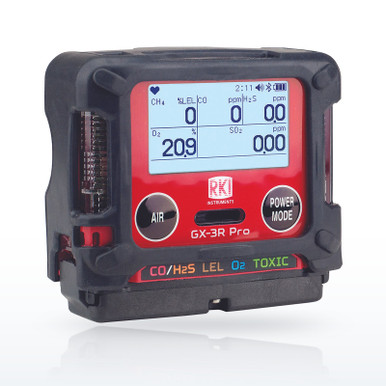
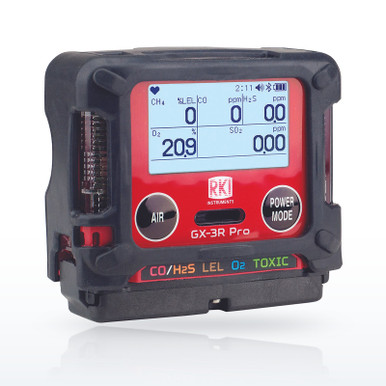
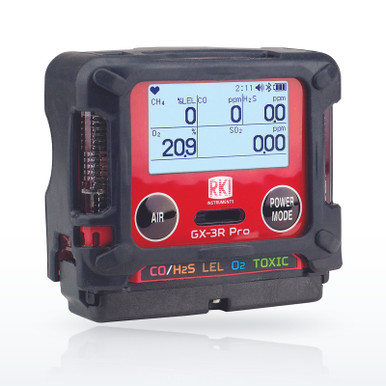
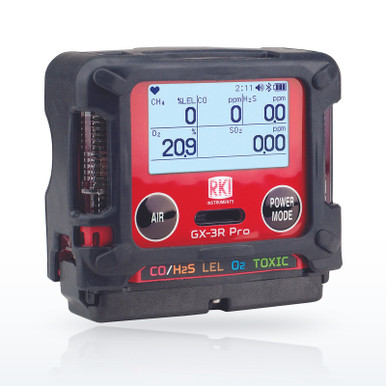
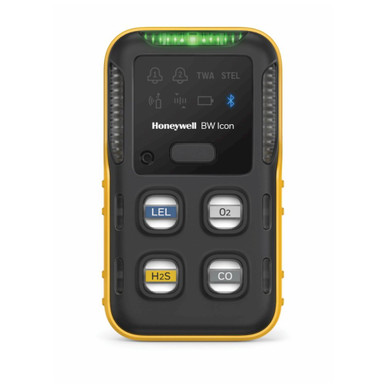
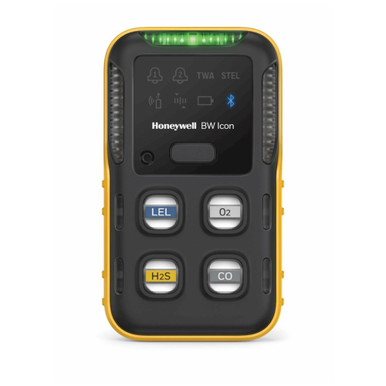
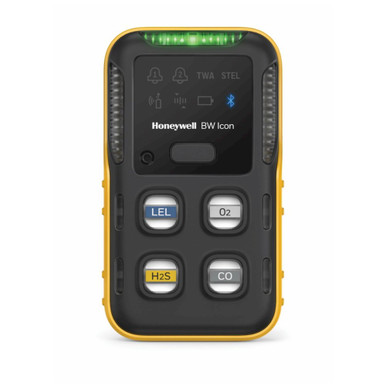

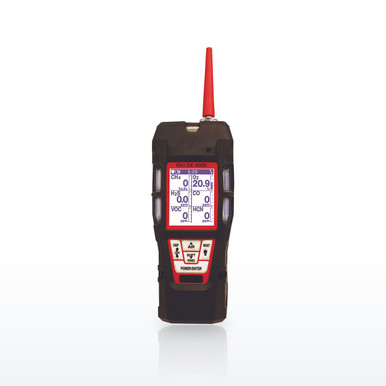
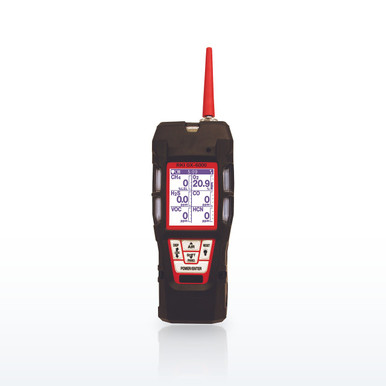
SO2 calibration gas, replacement SO2 sensors and docking stations are in the gas detection finder.
Questions people ask
What is the OSHA exposure limit for sulfur dioxide?
5 ppm (13 mg/m3) averaged over 8 hours, in general industry under 1910.1000 Table Z-1 and in construction under 1926.55.
What is the NIOSH limit for SO2?
2 ppm averaged over a shift of up to 10 hours, and 5 ppm as a 15-minute short-term limit.
What is the ACGIH TLV for sulfur dioxide?
A 0.25 ppm short-term exposure limit, adopted in 2008. ACGIH publishes no 8-hour TLV for SO2.
What level of SO2 is dangerous?
NIOSH sets 100 ppm as immediately dangerous to life or health. Irritation and coughing start far lower, and people with asthma react at levels others do not notice.
Can you smell sulfur dioxide?
Yes. NIOSH describes it as a colorless gas with a characteristic, irritating, pungent odor. Smell tells you it is there; only a monitor tells you how much.
What should an SO2 monitor alarm be set at?
The employer sets the alarms to the limit its program uses. Manufacturer defaults vary; the Honeywell BW Clip SO2 is listed at 5 ppm low and 10 ppm high. Many programs use the NIOSH 2 ppm average and 5 ppm short-term figure.
Does a 4-gas monitor detect SO2?
The standard 4-gas set is LEL, oxygen, H2S and CO. SO2 is an added sensor: a 5-gas unit, a 2- or 3-gas unit built with SO2, or a single-gas SO2 clip.
What respirator cartridge is used for sulfur dioxide?
NIOSH lists a chemical cartridge respirator with the appropriate cartridges up to 20 ppm, and a full facepiece up to 100 ppm. The cartridge must be one its manufacturer rates for SO2; the written program under 1910.134 makes the selection.
Standards and ratings on this page are as published in the documents named and by the manufacturers named. The employer’s hazard assessment and written program decide what applies at a given workplace. Verify a rating on the product and its spec sheet before use.