
What is a detector tube, and how does a Draeger tube work?
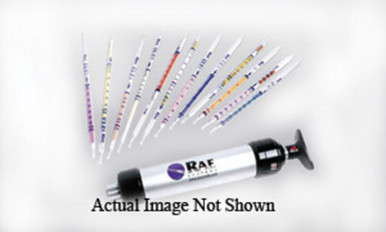
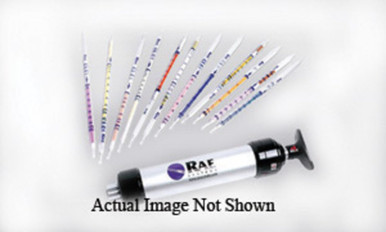
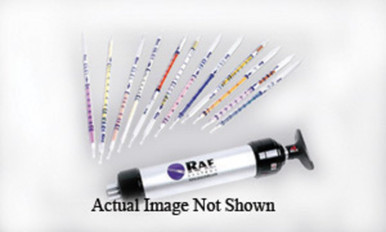
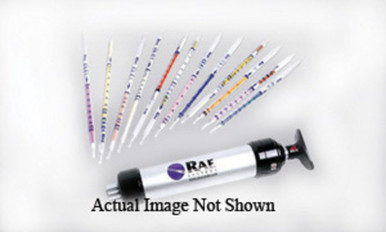
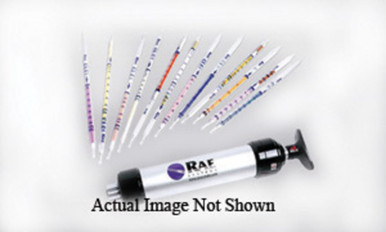
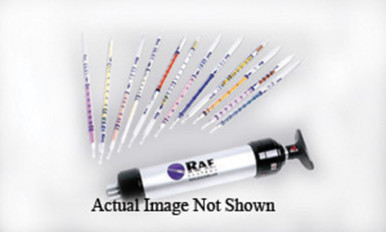
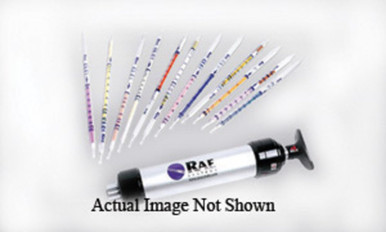
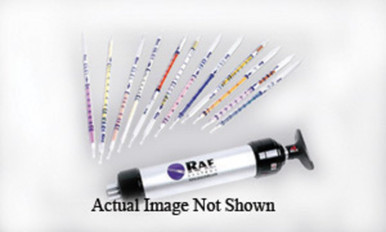
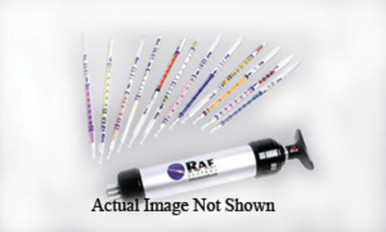
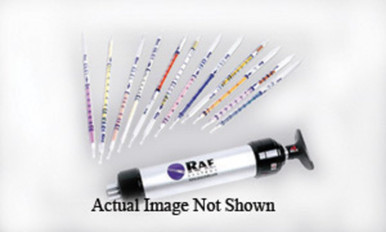
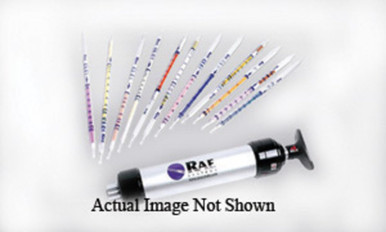
A detector tube is a sealed glass tube packed with a chemical that changes color when a specific gas passes through it. You snap off both tips, put the tube in a hand pump, and pull a fixed volume of air through it with a set number of strokes. The gas reacts with the packing and leaves a colored stain. The length of the stain, read against the scale printed on the tube, is the concentration. Draeger tubes, Gastec tubes and RAE Systems tubes all work this way. A tube gives one spot reading at one place and one moment. It is not a monitor, it does not alarm, and it is not the instrument OSHA has in mind for confined-space entry testing, which calls for a calibrated direct-reading instrument.
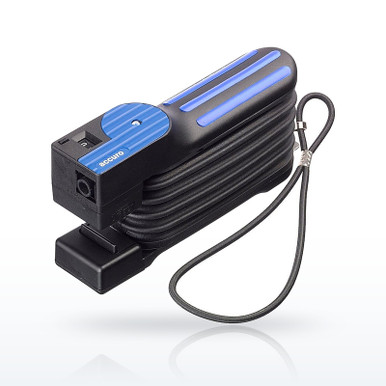 Draeger accuro detector tube hand pumpOne-hand bellows pump, 100 mL per stroke, built-in stroke counter
Why do detector tubes still exist when electronic monitors are everywhere? An electronic monitor carries one sensor per gas, and a four-gas unit carries four. A tube system covers hundreds of gases and vapors with the same pump: Draeger publishes tubes for more than 500 substances and RAE Systems for more than 300. When the question is a gas the monitor has no sensor for, or a quick check of a drum, a vent or a tank before anyone brings in an instrument, a tube answers it in a few minutes for the cost of the tube. The trade-off is that a tube gives one number at one spot, with no alarm and no record of what happened a minute later.
How does a Draeger tube work, step by step?
The same steps apply to Gastec and RAE Systems tubes. The tube and the pump must come from the same manufacturer, because the tube scale is calibrated to that pump’s stroke volume.
What can a detector tube do, and what can it not do?
- It measures one gas, at one spot, at one moment. The result is the concentration in the air that passed through the tube during the strokes, nothing before and nothing after.
- It does not alarm, log or continuously monitor. A worker inside a tank with a tube in his pocket has no protection; a worker with a personal monitor does.
- It needs no calibration and no batteries. The tube is calibrated at the factory to the manufacturer’s pump; the pump only needs a leak check before use (squeeze it closed with an unopened tube in place and see that it stays closed).
- Accuracy is modest. Manufacturers publish a standard deviation for each tube in its instructions, and the reading depends on correct stroke count, temperature and humidity.
- Tubes have an expiration date printed on the box. Store them as the instructions say, and do not use an expired tube.
- Each tube is single use. A used tube is broken glass with reagent on it; do not handle the packing with bare hands and dispose of it as the instructions say.
Can a detector tube be used for confined-space entry testing?
The OSHA permit-space rule says the atmosphere is tested before entry with a calibrated direct-reading instrument, for oxygen, then flammables, then toxics, and that the space is monitored during entry. A tube is direct-reading, but it tests one gas per tube, it gives no oxygen or percent-LEL reading without separate tubes, and it cannot monitor continuously. In practice a four-gas monitor does the entry test and the continuous monitoring, and a tube is used alongside it for a specific toxic the monitor cannot see, such as a solvent vapor, ammonia, chlorine or a mercaptan.
29 CFR 1910.146(c)(5)(ii)(C) (tested with a calibrated direct-reading instrument, in that order) and (d)(5)(i) through (iii) (test before entry, monitor during entry, order of testing). The construction rule, 1926.1204(e), is the same.A tube is also the tool for the question an electronic monitor cannot answer: what is this? A monitor with an H2S sensor reports H2S. A tube for hydrogen cyanide, benzene, nitrogen dioxide or carbon dioxide reports that gas. Industrial hygienists carry a tube kit for exactly this reason, and the tube reading tells them which sensor to put on the monitor.
RAE Systems published tube data (more than 300 gases and vapors); Draeger Gas Detection Tubes product data (more than 500 substances).Draeger, Gastec and RAE Systems: are the tubes interchangeable?
No. Each manufacturer calibrates its tube scales to its own pump’s stroke volume and flow curve, and the tube diameters differ. A Draeger tube goes in a Draeger pump, a Gastec tube in a Gastec pump, and a RAE Systems tube in the RAE piston pump. Draeger’s handling instructions say so in plain words: use tubes with the pump from the same manufacturer. Our catalog carries the Draeger accuro pump, Gastec tubes and RAE Systems tubes; call us for Draeger tubes or a Gastec pump that is not listed.
Draeger, How to use Draeger tubes: use testing tubes with a corresponding gas detection pump from the same manufacturer; Gastec and RAE Systems published tube data.Detector tubes and hand pumps
19 items · prices liveEach tube is listed with the gas its manufacturer calibrates it for; the measuring range, stroke count and color change are on the product page. Tubes are sold by the box or pack and must be used with the same manufacturer’s pump. Contractor Direct orders ship free.
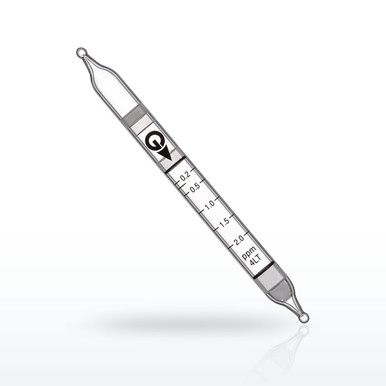
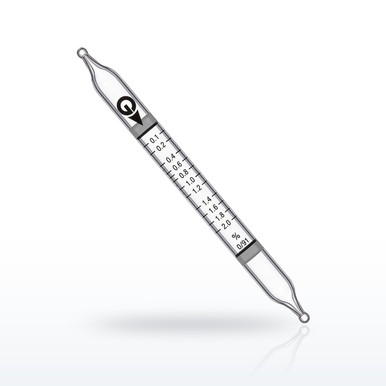
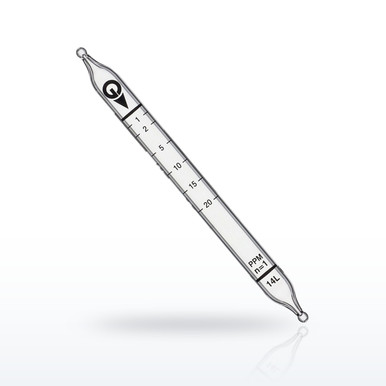
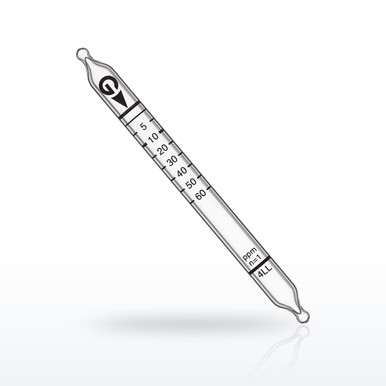
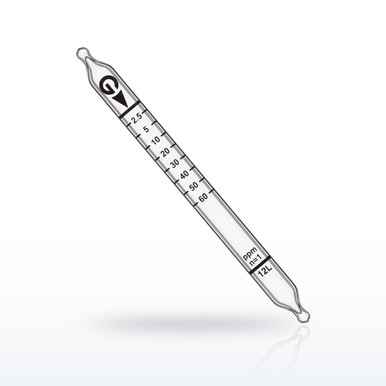
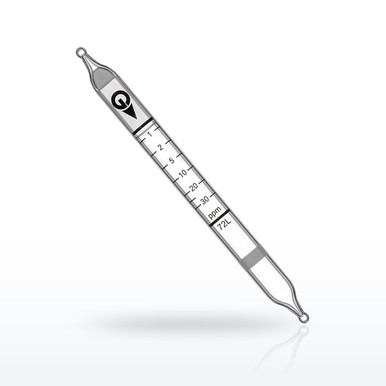
Draeger tubes for the accuro pump and Gastec pumps are quoted on request: call (925) 215-7337. Ventilation smoke tubes (MSA) are in the gas detection finder.
Questions people ask
What is a Draeger tube?
A glass detector tube made by Draeger, filled with a reagent that changes color in proportion to the concentration of a specific gas. It is used with a Draeger hand pump, and the stain length is read against the scale printed on the tube.
How does a gas detector tube work?
The pump pulls a fixed volume of air through the tube. The target gas reacts with the packing and discolors it from the inlet end inward. The length of the stain, on the printed scale, is the concentration.
How many pump strokes does a detector tube need?
It depends on the tube; the operating instructions packed with it give the number. The scale assumes that exact volume, so an extra or missing stroke changes the reading.
Can I use a Gastec tube in a Draeger pump?
No. Tube scales are calibrated to the manufacturer’s own pump. Use tubes and pumps from the same manufacturer.
Are detector tubes accurate?
Accurate enough for a spot check, not for a compliance sample. Manufacturers print a standard deviation for each tube, and temperature, humidity and cross-reacting gases shift the reading. Follow the correction in the tube instructions.
Do detector tubes expire?
Yes. The box carries an expiration date. Store the tubes as the manufacturer says and do not use expired tubes.
Can I test a confined space with detector tubes?
OSHA calls for a calibrated direct-reading instrument that tests oxygen, flammables and toxics in that order and monitors during entry. A four-gas monitor does that; tubes add a reading for a toxic the monitor has no sensor for. (1910.146(c)(5)(ii)(C) and (d)(5).)
Do detector tubes need calibration?
No. The tube is factory calibrated. The pump needs a leak check before use and empty strokes after a measurement to clear residue.
Standards and ratings on this page are as published in the documents named and by the manufacturers named. The employer’s hazard assessment and written program decide what applies at a given workplace. Verify a rating on the product and its spec sheet before use.