
Fall protection for residential construction: what 1926.501(b)(13) and STD 03-11-002 require
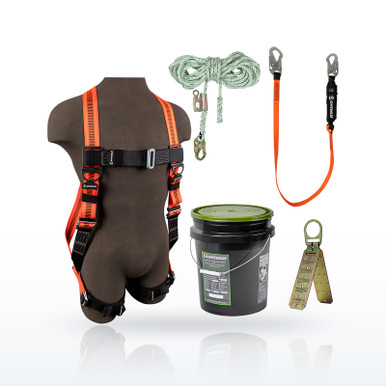
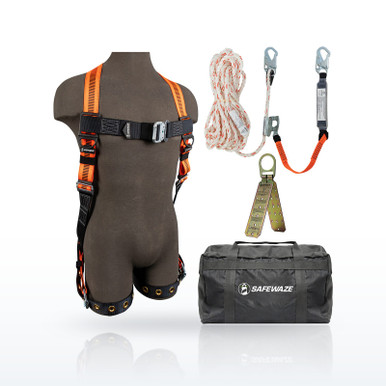
On residential construction, every worker 6 feet or more above a lower level must be protected by a guardrail system, a safety net system or a personal fall arrest system. That has been the rule since OSHA directive STD 03-11-002 took effect on June 16, 2011 and ended the older interim policy that had let home builders use slide guards and other alternatives without a plan. Residential construction means the structure will be a home and is built with traditional wood-frame materials and methods, with cold-formed metal studs allowed. The only exception is a written, site-specific fall protection plan where the employer can show that conventional protection is infeasible or creates a greater hazard, and OSHA presumes it is feasible. For most framing and roofing crews the answer is a roof anchor, a rope lifeline or SRL, and a harness.
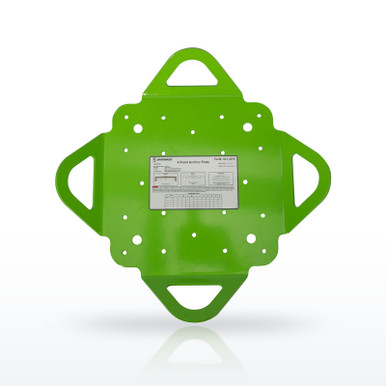
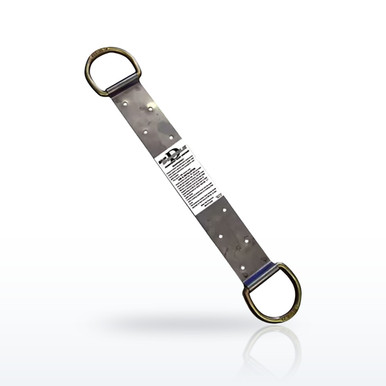
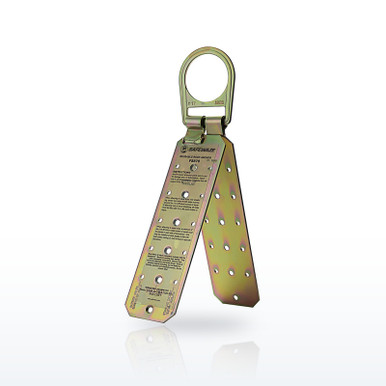 Safewaze FS870 reusable roof anchorNails to the ridge or truss, reusable, for rope lifeline or SRL
Why did OSHA change the residential rule in 2011? From 1995 to 2011 an interim policy let residential builders use alternative methods, such as slide guards on a roof, in place of guardrails, nets or harnesses, without first showing that conventional protection would not work. Falls remained the leading cause of death in construction. Directive STD 03-11-002 cancelled the interim policy and put residential work under the same rule as the rest of Subpart M: conventional fall protection at 6 feet, with a written fall protection plan only where the employer can prove conventional methods are infeasible or more dangerous.
What does the residential rule say?
The rule is one paragraph of Subpart M. The directive tells inspectors how to apply it.
What does a personal fall arrest system on a house have to do?
The same thing it does on any construction site. Anchor to something that holds 5,000 pounds per worker, or to a system a qualified person designed with a safety factor of two. Keep free fall to 6 feet or less, stop the worker within 3.5 feet of deceleration, keep arresting force on a harness to 1,800 pounds, and never let the worker reach the ground or a lower level. Body belts have not been allowed for fall arrest since 1998; a full body harness with the attachment at the center of the back is required.
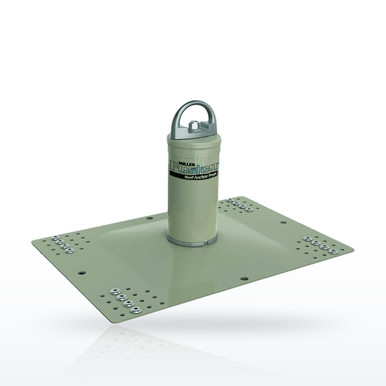
29 CFR 1926.502(d)(15), (d)(16)(ii) through (iv) and (d)(17); 1926.502(d) opening paragraph on body belts.On a wood-framed house the usual anchor is a roof anchor nailed or screwed through the sheathing into the ridge, a rafter or a truss, with a vertical rope lifeline and rope grab or a self-retracting lifeline running to the harness. The anchor manufacturer publishes the framing, fastener count and fastener type it was tested with; the rating applies only to that tested installation, not to an anchor driven into sheathing alone. A rescue plan is part of the system: the employer must provide for prompt rescue or make sure workers can rescue themselves.
29 CFR 1926.502(d)(15) and (d)(20); roof anchor manufacturer installation instructions (Safewaze, Miller, 3M DBI-SALA).Which roofs are low-slope and which are steep, and why does it matter?
A low-slope roof is 4 in 12 or less; a steep roof is anything over 4 in 12. Most house roofs are steep. On a steep roof with unprotected edges 6 feet or more above a lower level, workers must have guardrails with toeboards, safety nets or personal fall arrest; there is no warning-line or safety-monitor option. On a low-slope roof, and only during roofing work as OSHA defines it, a warning line combined with another system is allowed, and on roofs 50 feet or less in width a safety monitoring system alone is permitted. Building the roof deck itself is not roofing work; it is framing, and the residential paragraph governs it.
29 CFR 1926.500(b), definitions of low-slope roof, steep roof and roofing work; 1926.501(b)(10) and (b)(11).What goes in a residential fall protection plan?
- Who wrote it (a qualified person), the site it is written for, and the date of each approved change.
- The reasons, for each location, why guardrails, nets and fall arrest are infeasible or create a greater hazard. A plan that only says harnesses are inconvenient does not meet the rule.
- The other measures that will be taken to reduce the fall hazard at those locations, including where scaffolds, ladders or vehicle-mounted platforms can provide a safer working surface.
- Each location where conventional protection cannot be used, classified as a controlled access zone and run under 1926.502(g).
- A safety monitoring system under 1926.502(h) where no other alternative measure is in place.
- The names of the employees designated to work in the controlled access zones. Nobody else may enter them.
- A requirement to investigate any fall or near miss and change the plan if needed.
- A copy on the job site, and a competent person supervising its use. OSHA publishes a sample residential plan as Appendix E to Subpart M; it is a non-mandatory template, not a plan you can adopt unchanged.
What training does a framing or roofing crew need?
Every employee who might be exposed to a fall hazard must be trained by a competent person to recognize fall hazards and to follow the procedures that minimize them, including how to erect, inspect and use the system on that job, the limits on mechanical equipment on low-slope roofs, and their role in any fall protection plan. The employer keeps a written certification with the employee name, training date and the trainer signature, and retrains when the equipment or the site changes or the worker shows they have not retained the training.
29 CFR 1926.503(a)(1) and (a)(2), (b)(1) and (c).Roof anchors, roof kits, harnesses and vertical lifelines
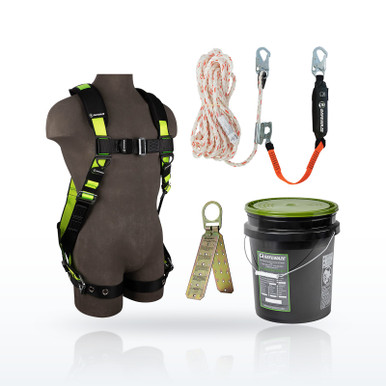
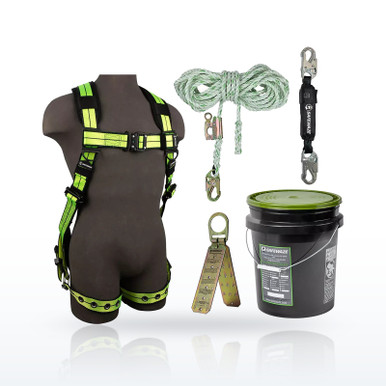
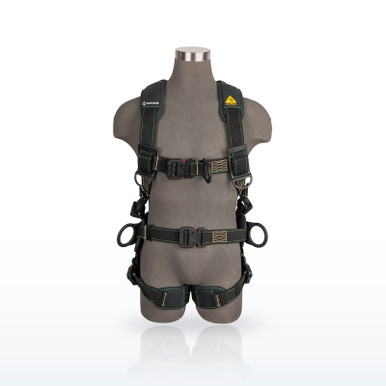
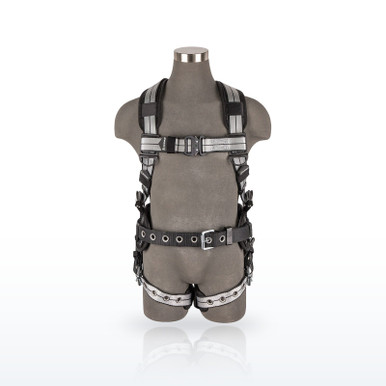
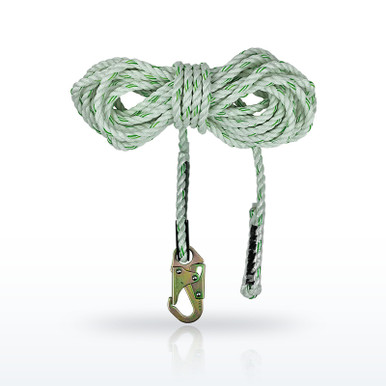
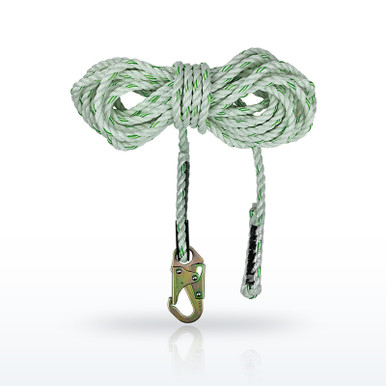
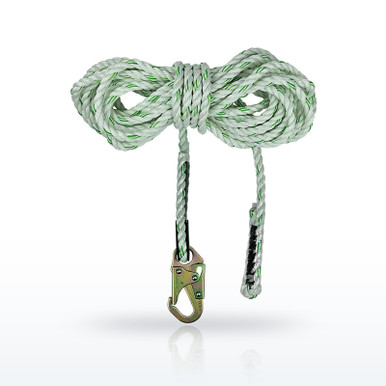
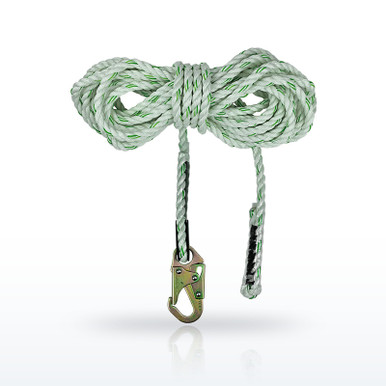
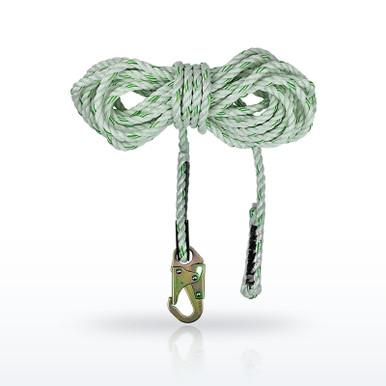
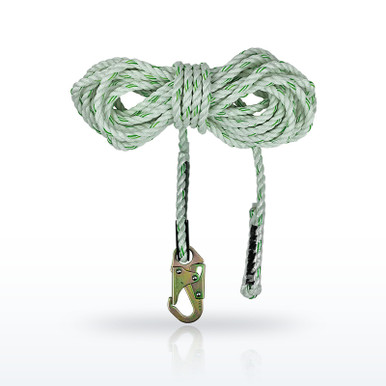
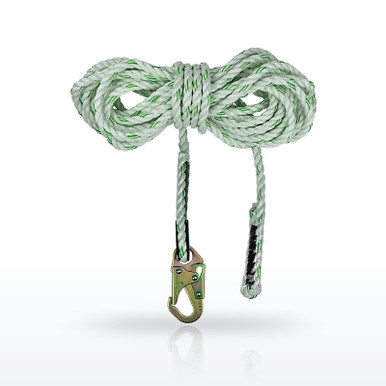
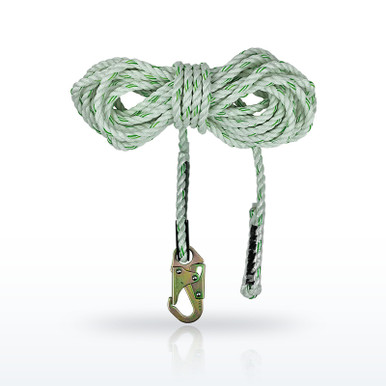
32 items · prices liveRoof anchors are listed by the framing and roofing they are made for, as labeled by the manufacturer; the tested fastener and framing requirements are in each installation manual. Harnesses and lifelines show the ANSI standard the manufacturer states. Contractor Direct orders ship free.
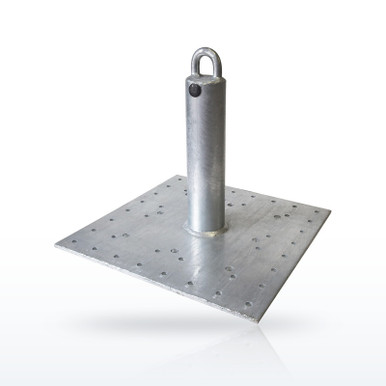
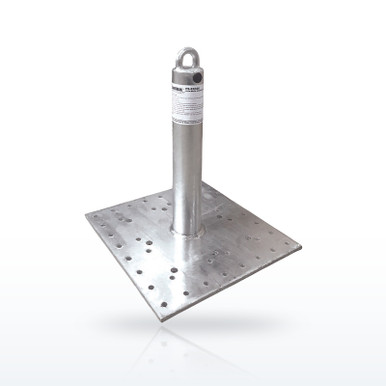
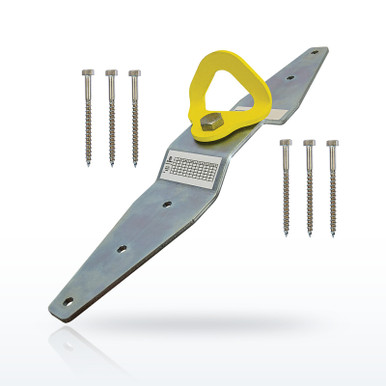

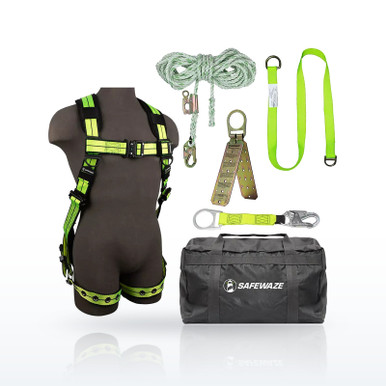
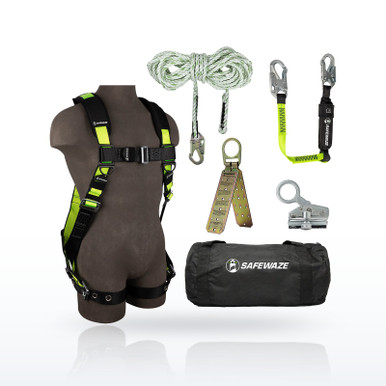
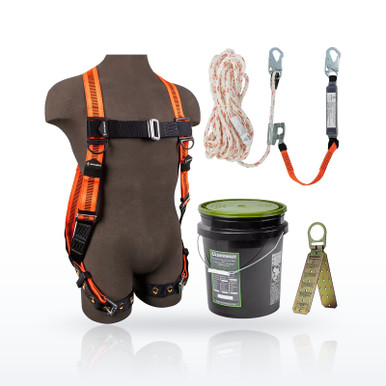
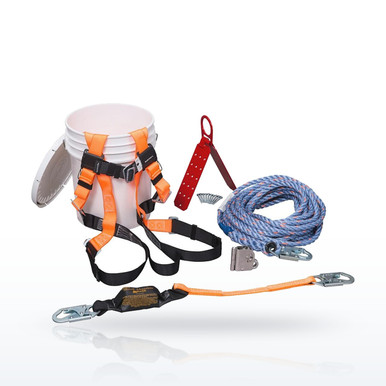
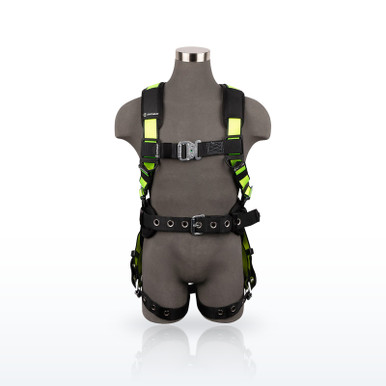
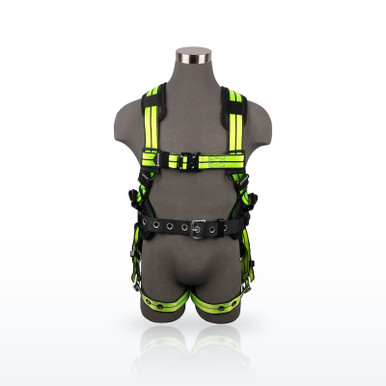
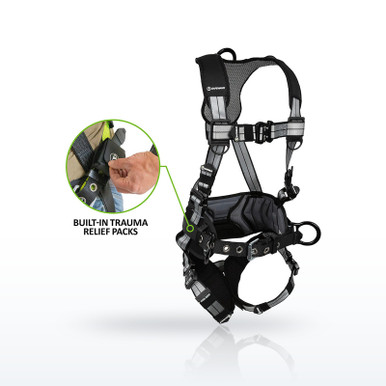
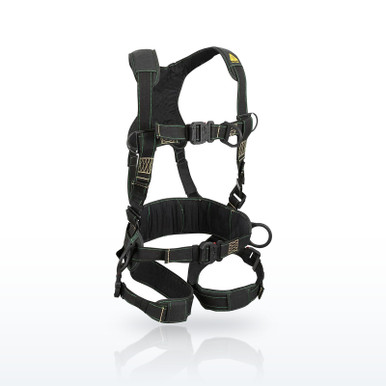
Self-retracting lifelines for roof use, including leading-edge models for foot-level anchorage, are in the fall protection finder.
Questions people ask
At what height is fall protection required on residential construction?
6 feet above a lower level, by guardrails, safety nets or personal fall arrest (1926.501(b)(13)).
What counts as residential construction?
Under STD 03-11-002, the structure must be a home or dwelling and must be built with traditional wood-frame materials and methods. Cold-formed metal studs are allowed within that definition.
Are slide guards still allowed on a roof?
Not as a substitute for conventional fall protection. Since June 16, 2011 they can only be part of a written, site-specific fall protection plan where the employer has shown conventional protection is infeasible or creates a greater hazard.
Can a framing crew use a fall protection plan instead of harnesses?
Only if it can demonstrate that guardrails, nets and fall arrest are infeasible or more dangerous at specific locations. OSHA presumes they are feasible and puts the burden on the employer (1926.501(b)(13) note; 1926.502(k)).
Is a house roof low-slope or steep?
Steep if the pitch is over 4 in 12, which covers most houses. Steep roofs require guardrails with toeboards, nets or fall arrest; warning lines and safety monitors are not an option (1926.501(b)(11)).
Does the rule cover trim carpenters and siding crews?
Yes. Any residential construction activity 6 feet or more above a lower level is covered, not just framing and roofing. Work from ladders and scaffolds falls under Subparts X and L.
What must a roof anchor hold?
5,000 pounds per worker attached, or be part of a system designed by a qualified person with a safety factor of two (1926.502(d)(15)). The anchor only meets that when installed into the framing and with the fasteners the manufacturer tested.
Do workers need training?
Yes. 1926.503 requires training by a competent person, a written certification record, and retraining when the site or equipment changes.
Standards and ratings on this page are as published in the documents named and by the manufacturers named. The employer’s hazard assessment and written program decide what applies at a given workplace. Verify a rating on the product and its spec sheet before use.