
Permit-required confined space entry: what the permit and the program require
A permit-required confined space is a confined space with a real hazard in it: bad air, something that can engulf you, a shape that can trap you, or another serious danger. OSHA’s rule says that before anyone goes in, the employer needs a written program, the space has to be isolated and tested, an attendant has to be outside, rescue has to be arranged, and an entry permit has to be filled out and signed by the entry supervisor. The permit lists the space, the job, the hazards, the controls, the air test results, the people inside and outside, the rescue service and the equipment. It is good only for the time needed to do that job, and it is cancelled when the work is done or when something changes. Cancelled permits are kept for a year.
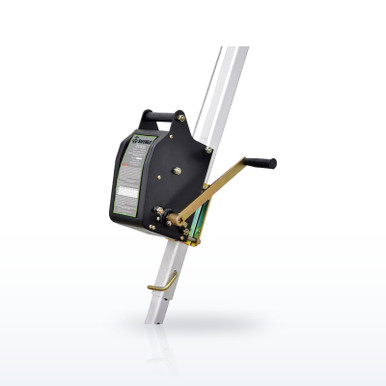
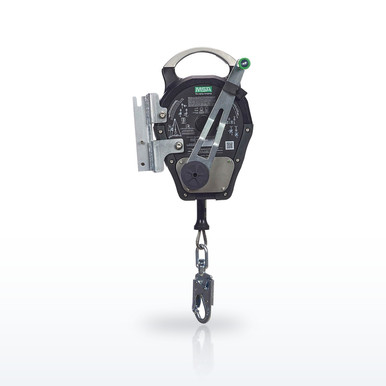
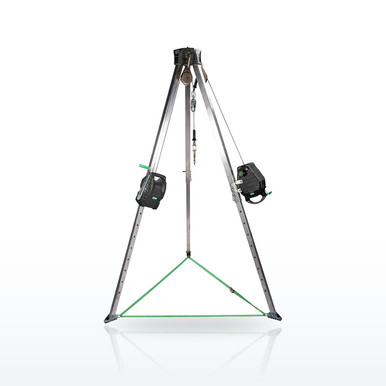
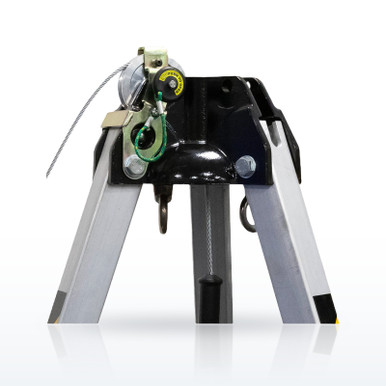 Safewaze 7-foot tripod kit with personnel winch and 3-way SRLRetrieval system for a vertical permit space
Why a permit? Because the hazards in a confined space are the kind you cannot see, and the people who die in them are usually the ones who went in to help. The permit forces the employer to answer, in writing and before entry, every question the rule asks: what is in there, how was it controlled, what did the air test say, who is inside, who is watching, and who is coming if it goes wrong. It also gives the entrants a document they can read at the opening. The one-year retention lets the employer look back at what went wrong on the permits that had problems.
What must the employer have in place before entry?
The program requirements in 1910.146(d), the part that has to exist before any permit is written.
What has to be on the entry permit?
- The permit space to be entered.
- The purpose of the entry.
- The date and the authorized duration of the permit.
- The authorized entrants, by name or by a roster or tracking system that lets the attendant know at any moment who is inside.
- The attendants, by name.
- The entry supervisor, by name, with a space for the signature or initials of the supervisor who originally authorized entry.
- The hazards of the space.
- The measures used to isolate the space and to eliminate or control the hazards before entry: lockout, blanking, purging, ventilation.
- The acceptable entry conditions.
- The results of the initial and periodic air tests, with the names or initials of the testers and when each test was done.
- The rescue and emergency services that can be summoned and how to reach them.
- The communication procedures between entrants and attendants.
- The equipment to be provided: PPE, testing, communications, alarms and rescue gear.
- Any other information needed for safe entry in that particular space.
- Any additional permits, such as a hot work permit, issued for work inside the space.
Who signs a confined space permit, and how long is it valid?
The entry supervisor signs it. Before entry begins, the entry supervisor identified on the permit signs the permit to authorize entry, and the permit has a space for that signature or initials. The entry supervisor is the person responsible for determining whether acceptable entry conditions are present, for authorizing entry and overseeing it, and for terminating it: the employer, a foreman or a crew chief, as the employer designates. The supervisor must know the hazards, verify by checking the permit that the tests were done and the equipment is in place, confirm rescue is available and can be summoned, remove unauthorized people, and re-check conditions whenever responsibility changes hands or the hazards call for it.
29 CFR 1910.146(b), definition of entry supervisor; (e)(2); (f)(6); (j)(1) through (j)(6).It is valid only for the job on it. The duration of the permit may not exceed the time required to complete the task identified on the permit. There is no standard length, no shift permit and no weekly permit; the date and the authorized duration are written on the form. The entry supervisor must terminate entry and cancel the permit when the work is completed, or when a condition arises in or near the space that the permit does not allow. A new entry, or a change in conditions, means a new permit.
29 CFR 1910.146(e)(4), (e)(5)(i) and (ii), (f)(3).Before entry the completed permit is posted at the entry portal or made available by an equally effective means, so entrants can confirm the preparations were done. After cancellation the employer keeps each permit for at least one year, notes on it any problems that came up during the entry, and uses the file to review the program within a year.
29 CFR 1910.146(e)(1), (e)(3), (e)(6) and (d)(14).What equipment does the rule actually call for?
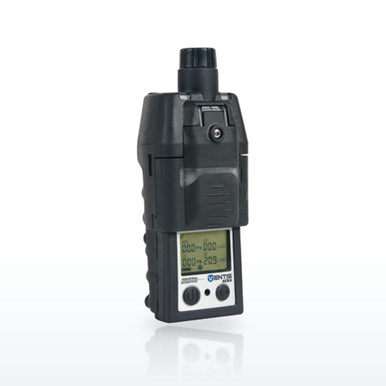
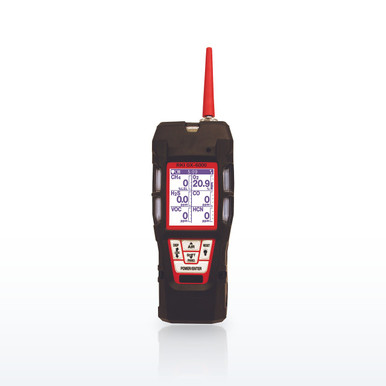
Testing and monitoring. A direct-reading instrument for oxygen, combustibles and the toxic gases the hazard evaluation names, usually a four-gas monitor reading oxygen, LEL, hydrogen sulfide and carbon monoxide. The rule defines a hazardous atmosphere as oxygen below 19.5 percent or above 23.5 percent, a flammable gas or vapor above 10 percent of its lower flammable limit, combustible dust at or above its LFL, any substance above its exposure limit, or any other condition immediately dangerous to life or health. Testing before entry in a deep or remote space means a sample-draw pump and probe so the instrument can read the air at the bottom before anyone goes down.
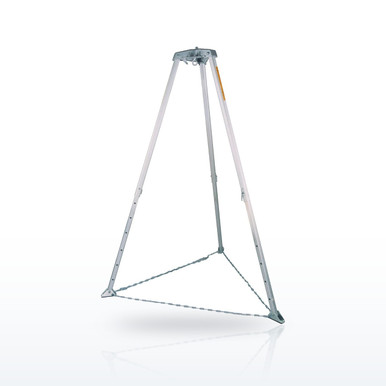
29 CFR 1910.146(b), definition of hazardous atmosphere; (d)(4)(i); (d)(5)(i) and (iii).Retrieval. Non-entry rescue is the default: each entrant wears a chest or full-body harness with the retrieval line attached at the center of the back near shoulder level, above the head, or at another point the employer can show gives a profile small enough to get the person out, and the other end goes to a mechanical device or fixed point outside the space, rigged so rescue can begin the moment it is needed. A mechanical device, in practice a tripod or davit with a winch, is required for vertical spaces more than 5 feet deep. Wristlets are allowed only where a harness is infeasible or more hazardous. The rule lets the employer skip the retrieval system only where it would increase the overall risk or would not help in the rescue.
29 CFR 1910.146(k)(3), (k)(3)(i) and (k)(3)(ii); (d)(4)(viii).Ventilation, communications, lighting, barriers and a way in and out are on the list as well. The rule does not name products; it names functions, and the hazard evaluation for the space decides which products meet them.
29 CFR 1910.146(d)(4)(ii) through (vii) and (ix).Monitors, tripods and winches for permit space entry
24 items · prices liveMonitors are listed with the gases their manufacturer specifies; tripods, winches and rescue SRLs are listed with the standard or the type the manufacturer names on the product page. Free shipping on orders over $199.
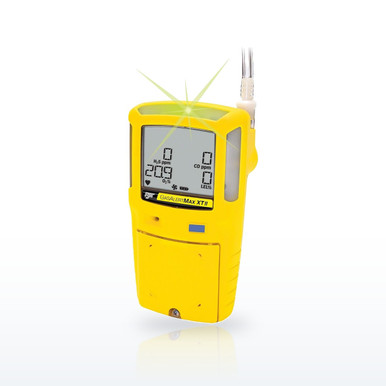
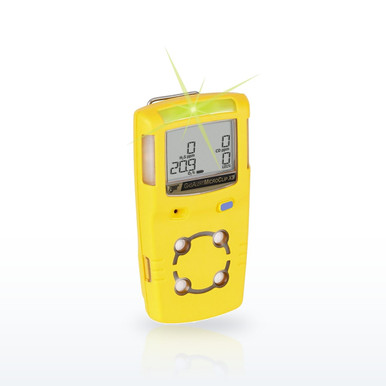
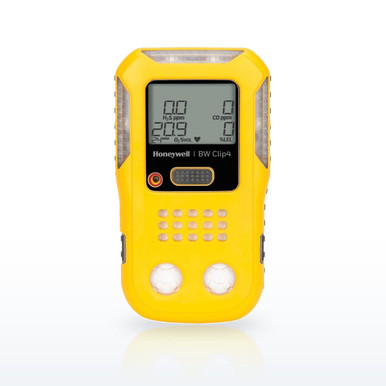
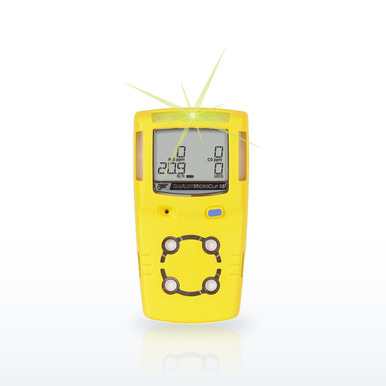
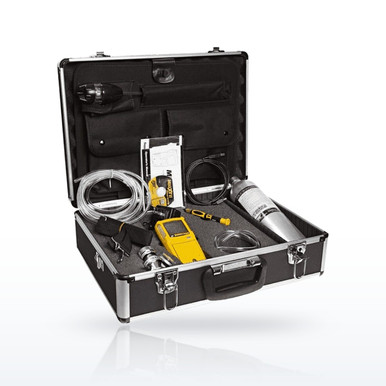
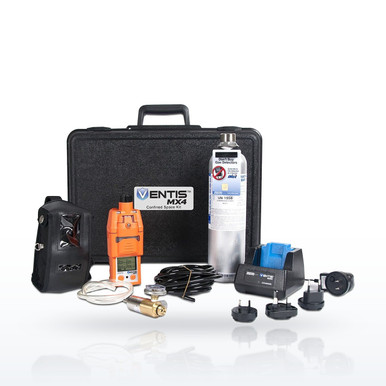
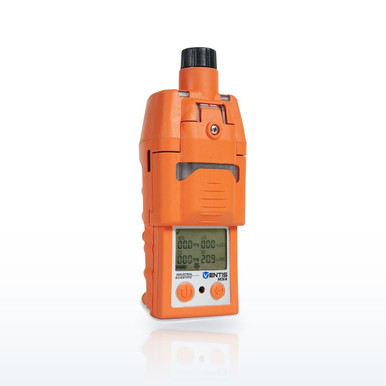
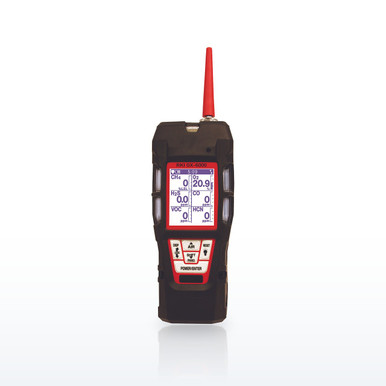
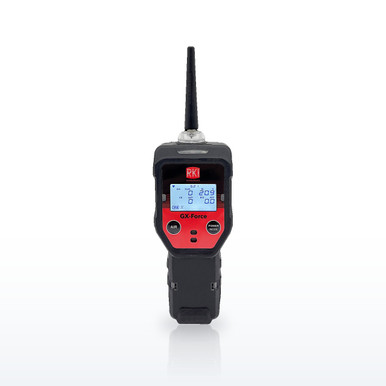
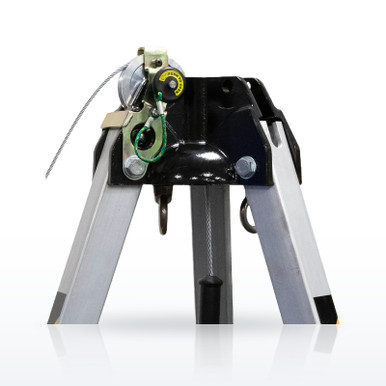
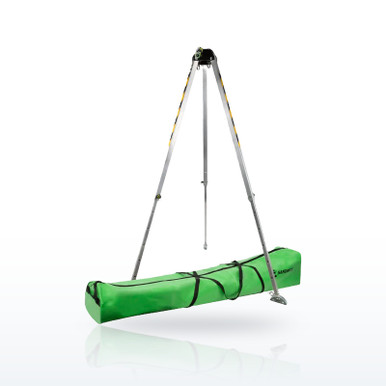
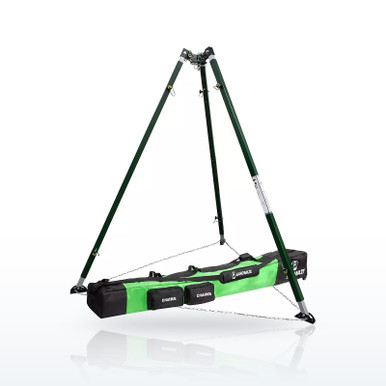
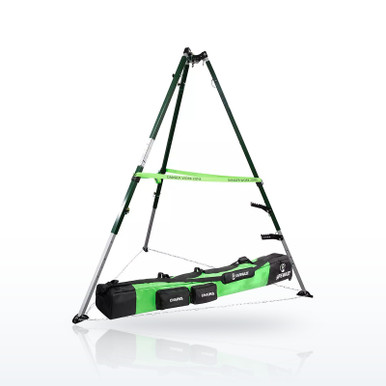
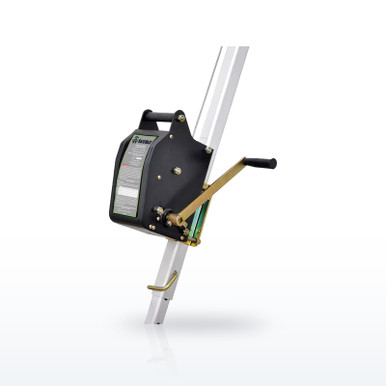
Retrieval harnesses with shoulder D-rings, davit systems, single-gas monitors, calibration gas and detector tubes are on the fall protection and gas detection finders.
Questions people ask
What makes a confined space permit-required?
A confined space with one or more of: a hazardous atmosphere or the potential for one, a material that could engulf an entrant, an inward-converging or tapering shape that could trap or asphyxiate, or any other recognized serious hazard. (1910.146(b).)
Who signs a confined space entry permit?
The entry supervisor named on the permit, before entry begins. (1910.146(e)(2) and (f)(6).)
How long is a confined space permit valid?
Only for the time required to complete the task written on it. It is cancelled when the work is done or when a condition not allowed by the permit arises. (1910.146(e)(4) and (e)(5).)
How long do you keep confined space permits?
At least one year after cancellation, for the annual program review. (1910.146(e)(6).)
What order do you test the air in?
Oxygen first, then combustible gases and vapors, then toxic gases and vapors. (1910.146(d)(5)(iii).)
What is a safe oxygen level?
19.5 to 23.5 percent. Below 19.5 is oxygen-deficient and above 23.5 is oxygen-enriched; both make the atmosphere hazardous. (1910.146(b).)
Is a tripod required for confined space entry?
A mechanical retrieval device is required for vertical permit spaces more than 5 feet deep, and retrieval systems are required for every entry unless they would add risk or not help. A tripod or davit with a winch is how that is usually met. (1910.146(k)(3).)
Does the attendant have to stay the whole time?
Yes. At least one attendant outside the space for the duration of entry operations. (1910.146(d)(6).)
Standards and ratings on this page are as published in the documents named and by the manufacturers named. The employer’s hazard assessment and written program decide what applies at a given workplace. Verify a rating on the product and its spec sheet before use.